Assessment of peripheral gene expression signatures as predictive biomarkers for hepatocellular carcinoma following DAA treatment
Rehab I. Moustafa, Sally Farouk, Noha G. Bader El Din, Hend I. Shousha, Ahmed Khairy, Yasser K. Elesnawy, Heba Shawky, Ahmed M. Gabr, Ashraf O. Abdelaziz, Amr Abdelaal, Hassan Elsayed

TL;DR
This study identifies blood-based gene expression patterns that could predict liver cancer risk in patients who cleared hepatitis C with drug treatment.
Contribution
Introduces a non-invasive blood-based gene panel for HCC risk assessment in DAA-treated HCV patients.
Findings
WNT10A, SPHK1, JUNB, and EDN1 were significantly upregulated in PBMCs post-SVR.
KLF4 was downregulated in PBMCs, particularly after SVR.
PBMC gene expression showed high diagnostic accuracy (AUROC > 0.92) for several genes.
Abstract
Hepatocellular carcinoma (HCC) is a major cause of cancer mortality worldwide, with viral hepatitis accounting for about 80 % of incidences. In Egypt, HCV contributes to 63 % of HCC cases. Although DAAs have achieved high SVR rates, they do not eliminate the risk of HCV-related HCC. Persistent epigenetic changes induced by HCV-infection may establish an “oncogenic memory” that promotes HCC even after viral clearance. Peripheral blood mononuclear cells (PBMCs) offer a non-invasive platform for detecting systemic immune and oncogenic signatures, aiding HCC risk assessment. This study aimed to characterize the expression of an epigenetically induced gene panel, comprising JUNB, WNT10A, SPHK1, EDN1, and KLF4 in hepatic tissues and PBMCs from Egyptian HCC patients with HCV genotype 4 who achieved SVR. In silico analyses revealed strong epigenetic associations of these genes, including links…
Genes, proteins, chemicals, diseases, species, mutations and cell lines named across the full text — each resolved to its canonical identifier and authoritative record.
Click any figure to enlarge with its caption.
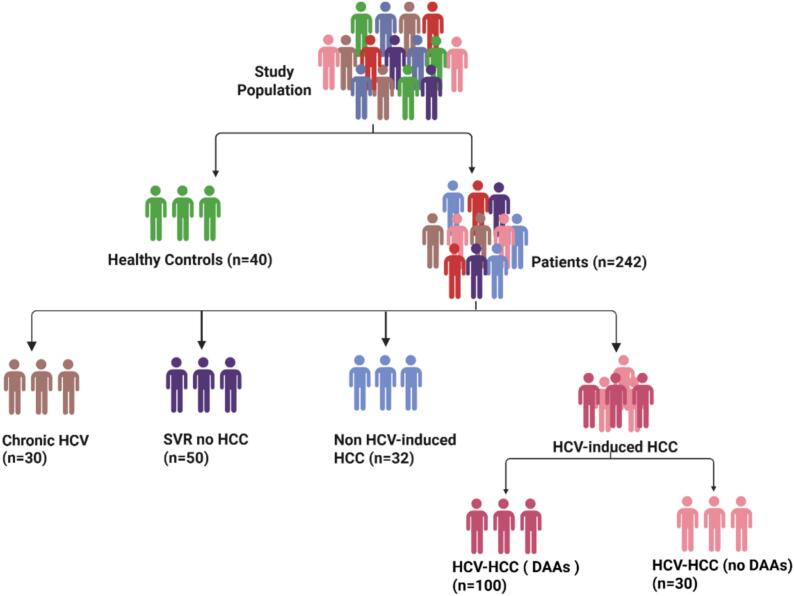 Figure 1
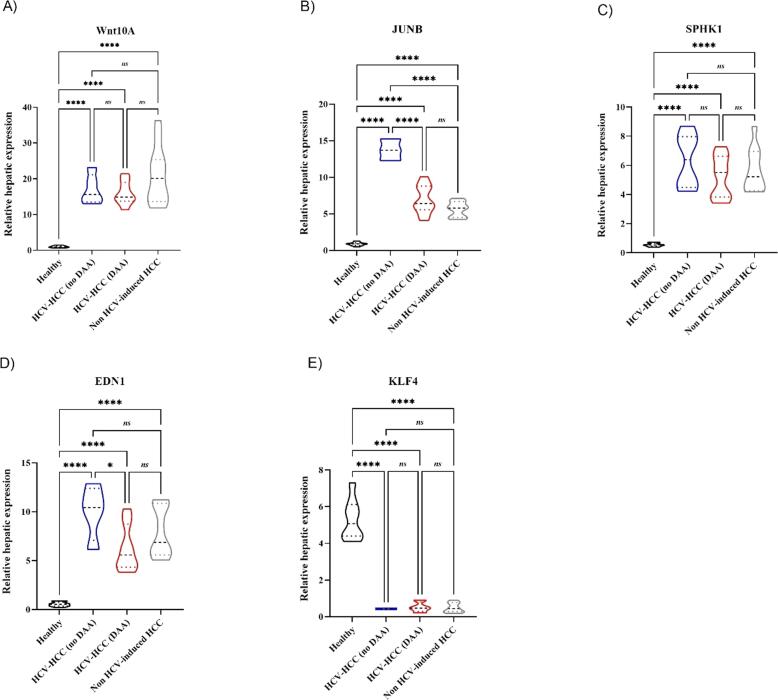 Figure 2
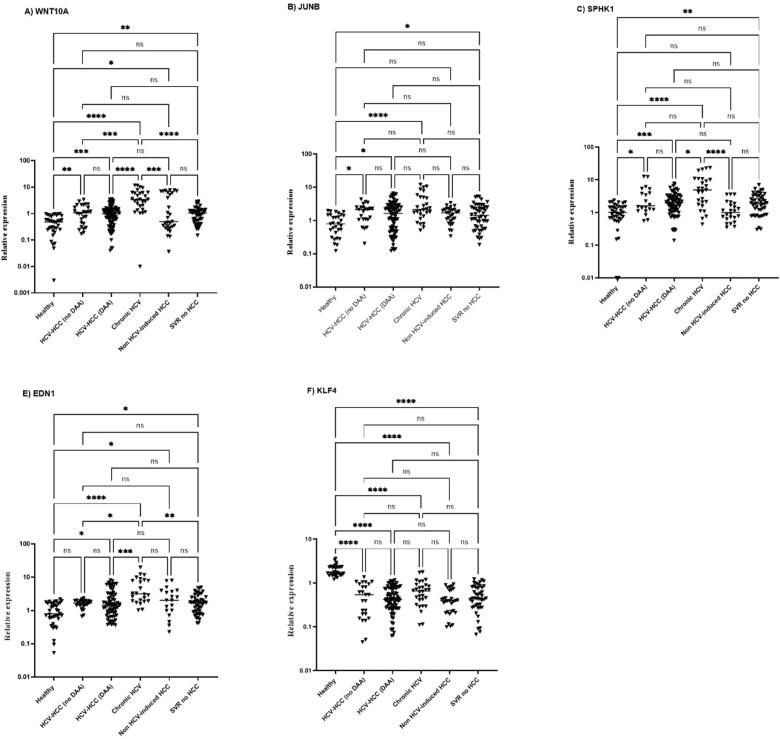 Figure 3
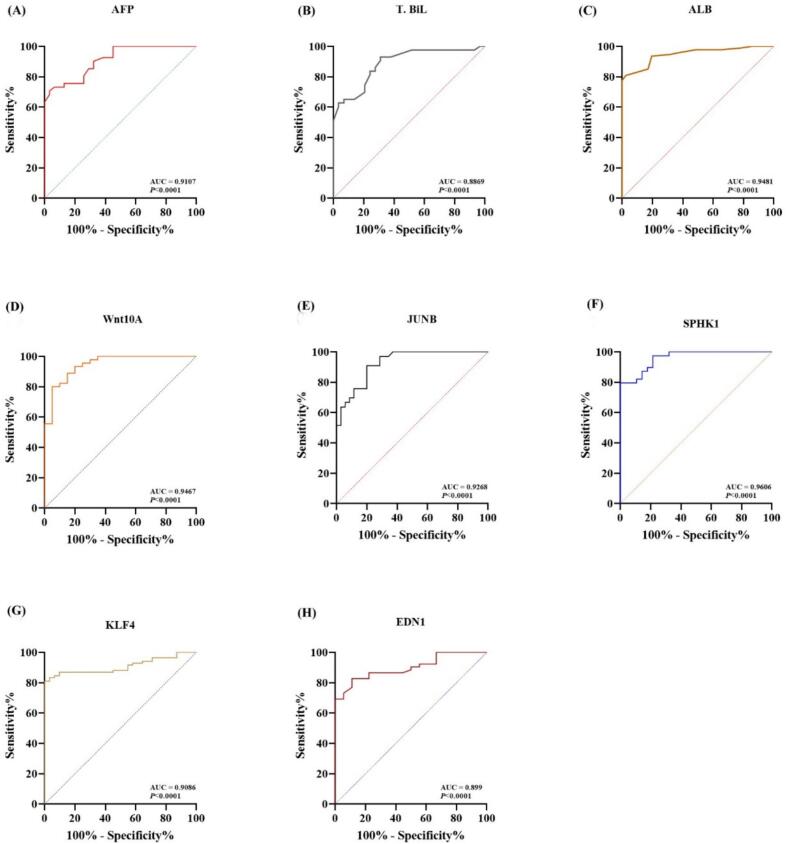 Figure 4
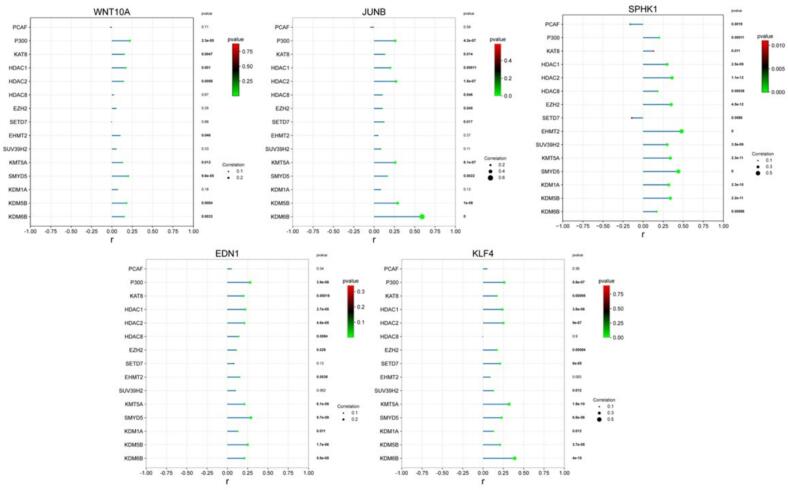 Figure 5
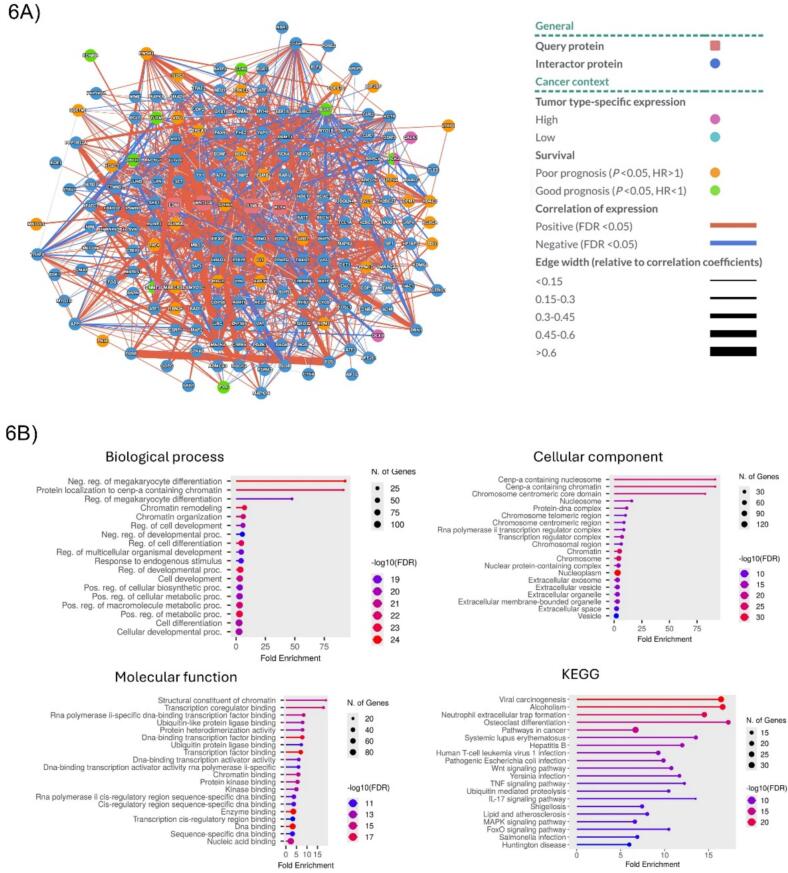 Figure 6
Peer Reviews
No public reviews on file for this paper yet. If you reviewed it on a platform where reviews are public (OpenReview, ICLR, NeurIPS, ICML), you can paste yours below so the community can read it here.
Videos
No videos yet. Explain this paper in a talk, walkthrough, or lecture? Add one.
Taxonomy
TopicsKruppel-like factors research · Ferroptosis and cancer prognosis · MicroRNA in disease regulation