The RESILIENT Dataset: Multimodal Monitoring of Ageing-Related Comorbidities and Cognitive Decline
Nathalia Céspedes Gómez, Yu Chen, Samaneh Kouchaki, Mahan Heydari, Alexandra Cairns, Sergio David Sierra Marín, Alexander Capstick, Jaye Somers, Kirsty Harris, Wilson Wen Bin Goh, Chloe Walsh, Jessica True, Olga Balazikova, Ramin Nilforooshan, Payam Barnaghi

TL;DR
The RESILIENT dataset combines wearable and home monitoring data to study aging-related health issues and cognitive decline, aiming to improve healthcare through early detection and personalized interventions.
Contribution
The RESILIENT dataset introduces a novel multimodal platform integrating physiological, sleep, and mental health data for aging-related comorbidities and dementia research.
Findings
The dataset reveals correlations between cognitive function, mental health, physical activity, and sleep.
The study provides a foundation for virtual wards to support healthcare services through predictive models.
Integration of wearable and in-home monitoring technologies enables tracking of aging-related health patterns.
Abstract
The growing ageing population and prevalence of comorbidities pose significant healthcare challenges, from increasing hospitalisations to dementia risk. Healthcare systems primarily treat single conditions, overlooking the complex interplay of chronic diseases. Advances in wearable technology and remote healthcare monitoring technologies offer opportunities to enhance management of comorbidities and early intervention to improve healthcare outcomes. This study presents the RESILIENT dataset, a collection of physiological, sleep, and mental health assessment data conducted as part of an ageing-related comorbidities and dementia study. The RESILIENT study has developed a digital platform to integrate data from wearable devices and in-home monitoring technologies to track physiological, sleep, and cognitive patterns. The validation analysis using the Resilient data highlights correlations…
Genes, proteins, chemicals, diseases, species, mutations and cell lines named across the full text — each resolved to its canonical identifier and authoritative record.
Click any figure to enlarge with its caption.
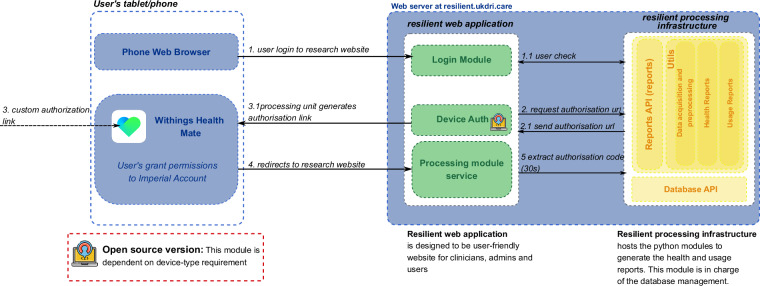 Figure 1
 Figure 2
 Figure 3
 Figure 4
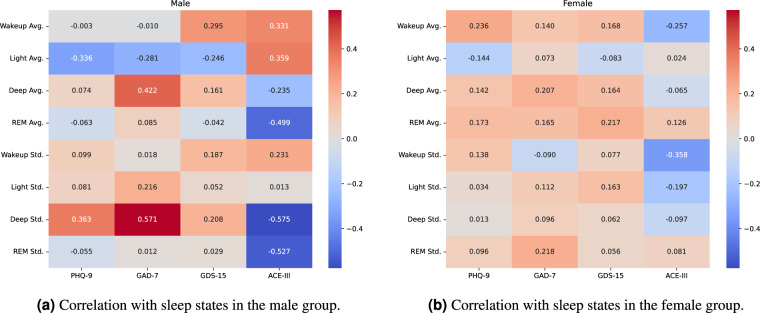 Figure 5
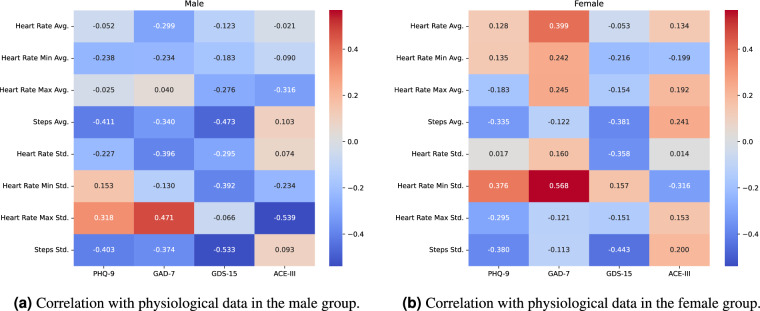 Figure 6
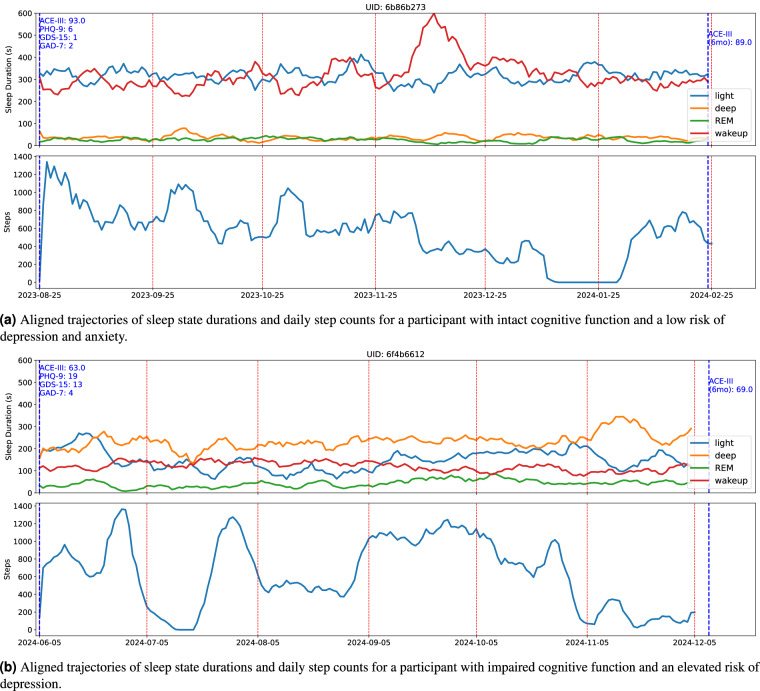 Figure 7
Peer Reviews
No public reviews on file for this paper yet. If you reviewed it on a platform where reviews are public (OpenReview, ICLR, NeurIPS, ICML), you can paste yours below so the community can read it here.
Videos
No videos yet. Explain this paper in a talk, walkthrough, or lecture? Add one.
Taxonomy
TopicsChronic Disease Management Strategies · Dementia and Cognitive Impairment Research · Health disparities and outcomes