A dataset for splenomegaly and its related findings in CT imaging
Doaa Obeidat, Anas Bsoul, Malak Abdullah, Israa Jawarneh, Hassan Al-Balas, Mahmoud Ayesh

TL;DR
This paper introduces an open-access dataset of CT scans for studying splenomegaly and its related conditions, aiming to support AI-based diagnostics and education.
Contribution
The paper presents a new, publicly available dataset of CT scans and patient data for splenomegaly and associated diseases.
Findings
The dataset includes 248 de-identified CT scans from adult patients with and without splenomegaly.
It covers a range of diseases such as liver cirrhosis, lymphoma, and thalassemia.
The dataset is freely accessible via Zenodo to support AI model development and medical education.
Abstract
Splenomegaly, defined as an abnormal enlargement of the spleen, is a critical radiological finding associated with a spectrum of serious health conditions, particularly liver disorders and hematologic malignancies. While Computed Tomography (CT) scans are commonly utilized in clinical settings to detect and assess the severity of splenomegaly, recent studies have demonstrated its potential to reveal new insights into the underlying causes of splenomegaly, such as liver cirrhosis and lymphoma, when integrated with machine and deep learning models. This enables patients to receive timely and appropriate treatment, thereby reducing the risk of complications. However, research in this area remains in its early stages, primarily due to the limited availability of real-world datasets required to develop and train robust Artificial Intelligence (AI)-based models. This article introduces a…
Genes, proteins, chemicals, diseases, species, mutations and cell lines named across the full text — each resolved to its canonical identifier and authoritative record.
Click any figure to enlarge with its caption.
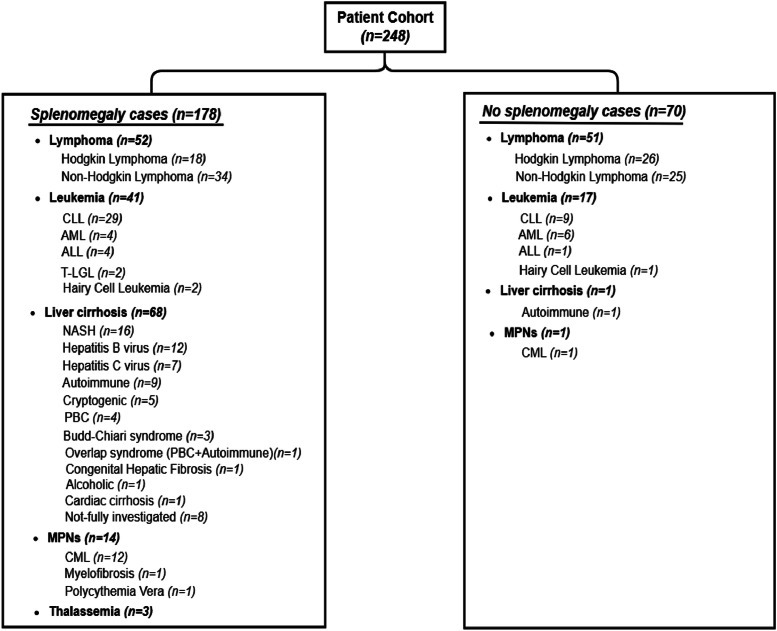 Figure 1
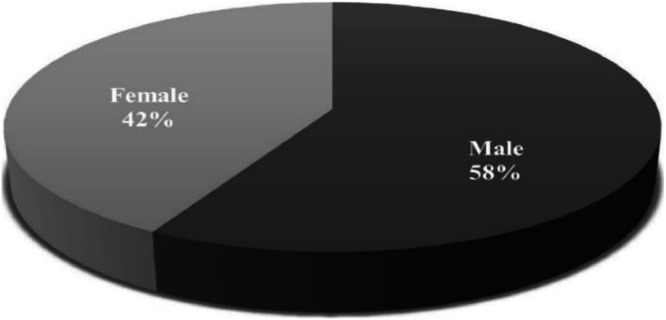 Figure 2
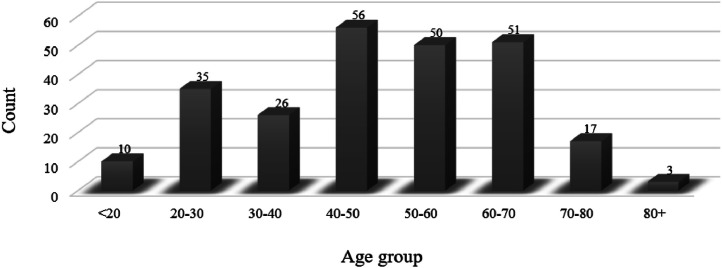 Figure 3
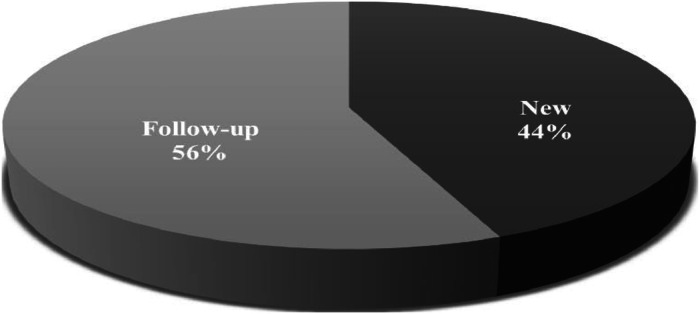 Figure 4
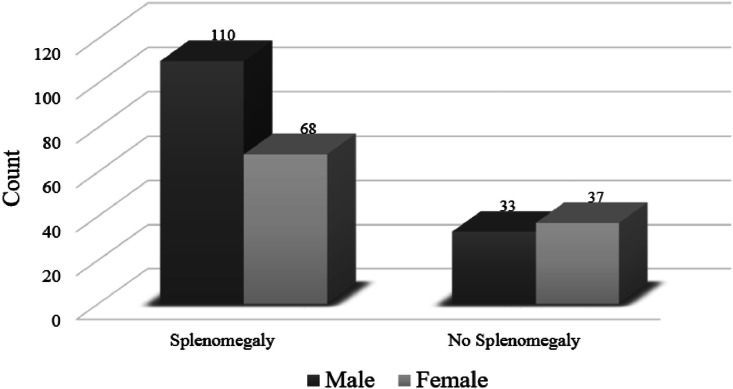 Figure 5
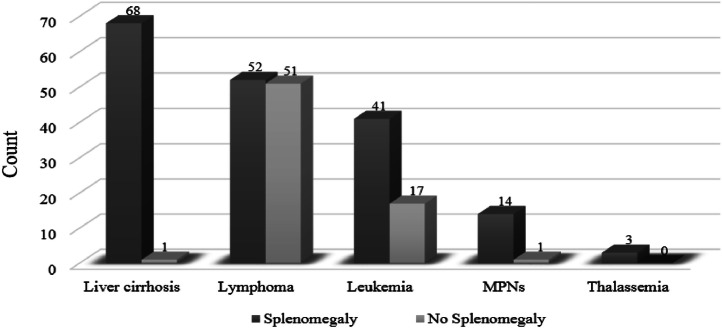 Figure 6
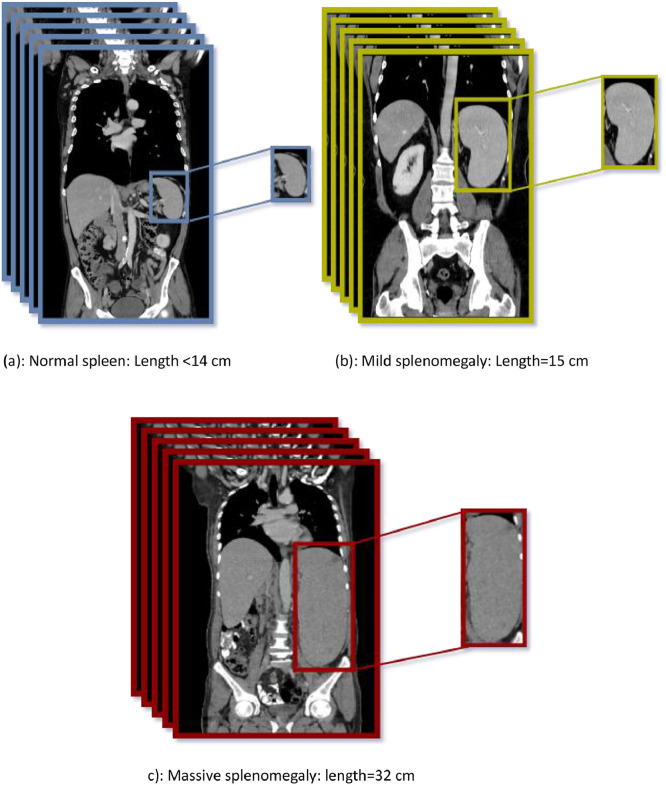 Figure 7
Peer Reviews
No public reviews on file for this paper yet. If you reviewed it on a platform where reviews are public (OpenReview, ICLR, NeurIPS, ICML), you can paste yours below so the community can read it here.
Videos
No videos yet. Explain this paper in a talk, walkthrough, or lecture? Add one.
Taxonomy
TopicsAbdominal Trauma and Injuries · Artificial Intelligence in Healthcare and Education · AI in cancer detection