Fluoroscopy-guided transvenous femoral renal transplant biopsies: a monocentric retrospective study about 109 consecutive patients
Farha Tessier, Charles Roux, Isabelle Brocheriou, Benoit Barrou, Marine Bravetti, Mathilde Aïssaoui, Jean-Charles Bijot, Eloi Varin, Jérome Tourret, Hélène François, Sarah Drouin, Louis Meyblum

TL;DR
This study shows that fluoroscopy-guided transvenous femoral renal transplant biopsies are a safe and effective alternative when traditional biopsies are not possible.
Contribution
The study presents the first large cohort analysis of transvenous femoral renal transplant biopsies, demonstrating their safety and efficacy.
Findings
TFRB success rate was 94.3% with a 68.7% adequate specimen rate for Banff 97 criteria.
Complications occurred in 20.0% of procedures, with no significant difference based on biopsy indication.
TFRB is effective for managing graft dysfunction when percutaneous biopsies are contraindicated.
Abstract
Renal transplant biopsy remains the gold standard for etiological diagnosis of graft dysfunction and subsequent management. When percutaneous renal biopsy (PRB) is contraindicated due to bleeding risk or limited percutaneous access, the fluoroscopy-guided transvenous femoral renal transplant biopsy (TFRB) might be a valuable alternative. This study aims to describe the TFRB technique, its safety, and efficacy. All patients who underwent TFRB at our institution between 2020 and 2023 were retrospectively analyzed. Procedure outcomes, patients’ characteristics and follow-up data were collected. Adverse events were graded using the Adverse Events Classification of the Society of Interventional Radiology. From January 2020 to December 2023, 109 patients (median age 61.2 years (Interquartile range (IQR), 54.5–68.6) ; 49 males (45.0%)) underwent 122 TFRB. Transvenous approach was indicated…
Genes, proteins, chemicals, diseases, species, mutations and cell lines named across the full text — each resolved to its canonical identifier and authoritative record.
Click any figure to enlarge with its caption.
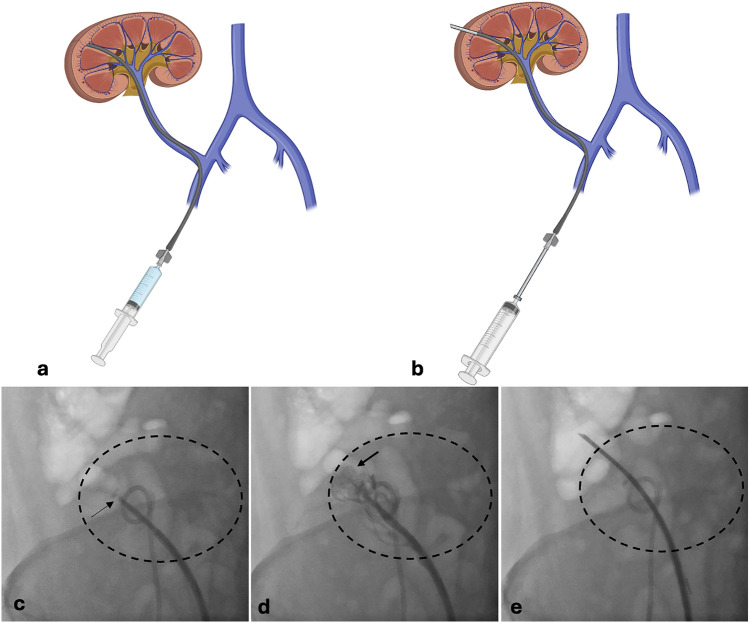 Figure 1
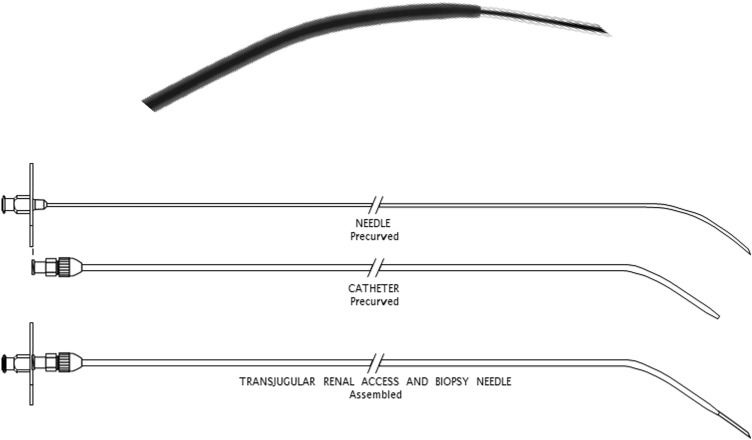 Figure 2
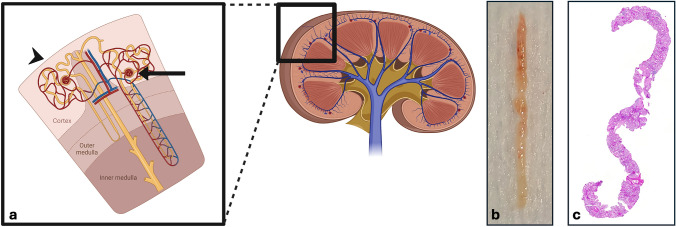 Figure 3
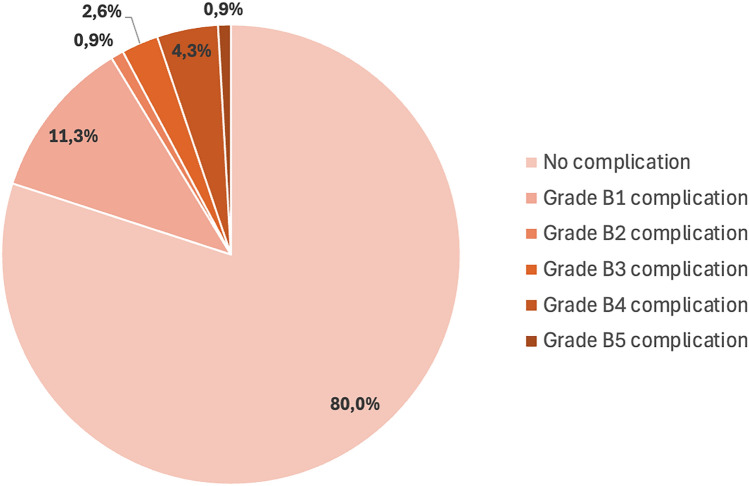 Figure 4
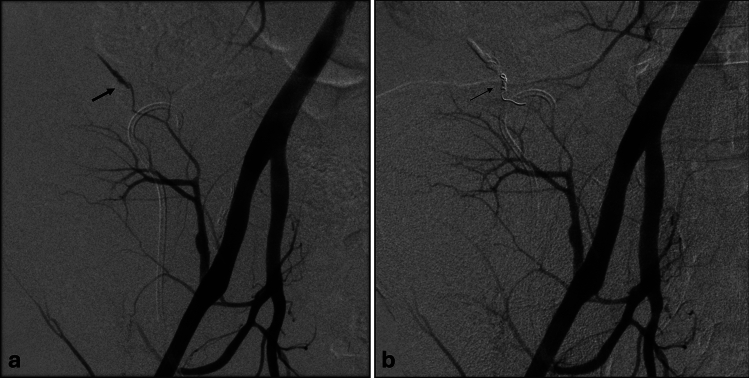 Figure 5
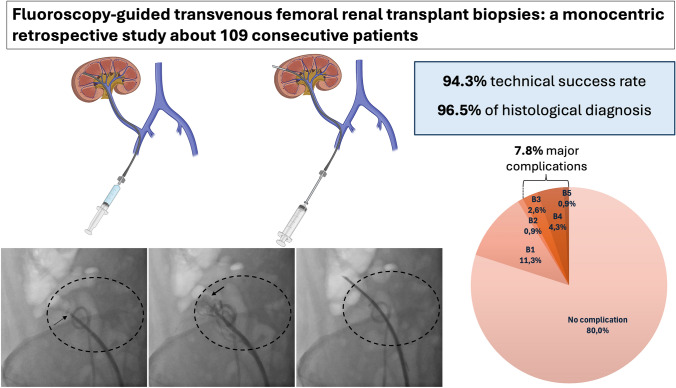 Figure 6
Peer Reviews
No public reviews on file for this paper yet. If you reviewed it on a platform where reviews are public (OpenReview, ICLR, NeurIPS, ICML), you can paste yours below so the community can read it here.
Videos
No videos yet. Explain this paper in a talk, walkthrough, or lecture? Add one.
Taxonomy
TopicsRenal Transplantation Outcomes and Treatments · Transplantation: Methods and Outcomes · Bone and Joint Diseases