On-treatment modified Glasgow Prognostic Score (mGPS) in hepatocellular carcinoma treated with atezolizumab and bevacizumab provides prognostic information
Tessa Hattenhauer, Rebekka Mispelbaum, Annkristin Heine, Katjana Schwab, Peter Brossart, Niklas Klümper, Jonas Saal

TL;DR
This study shows that a blood-based score called mGPS can predict survival in liver cancer patients treated with atezolizumab and bevacizumab, better than imaging methods.
Contribution
The study introduces the on-treatment modified Glasgow Prognostic Score (mGPS) as a more accurate and cost-effective prognostic tool than radiological imaging in HCC patients.
Findings
The on-treatment mGPS predicted overall survival with hazard ratios of 2.31 and 3.40 for intermediate and high-risk groups.
Serum-based scores like ACR and AIR had higher prognostic accuracy than imaging in predicting outcomes.
mGPS was found to be more cost-effective and widely validated for clinical use.
Abstract
Hepatocellular carcinoma (HCC) is associated with high cancer-specific mortality. While immune-checkpoint inhibitors (ICIs) improved overall survival (OS) compared to tyrosine kinase inhibitors, biomarkers predicting response to ICI in HCC are lacking. This study investigates the prognostic value of serum-based prognostic scores in patients with HCC receiving atezolizumab and bevacizumab. This post-hoc study analysis evaluates data from the phase 3 IMbrave150 trial, comparing atezolizumab plus bevacizumab to sorafenib in patients with unresectable HCC. 212 patients were included in the analysis. The prognostic value of imaging was compared to albumin, C-reactive protein (CRP) and interleukin-6 (IL-6), as well as composite scores, including the modified Glasgow Prognostic Score (mGPS) after three cycles of therapy. For further analysis, patients were classified in three risk groups…
Genes, proteins, chemicals, diseases, species, mutations and cell lines named across the full text — each resolved to its canonical identifier and authoritative record.
Click any figure to enlarge with its caption.
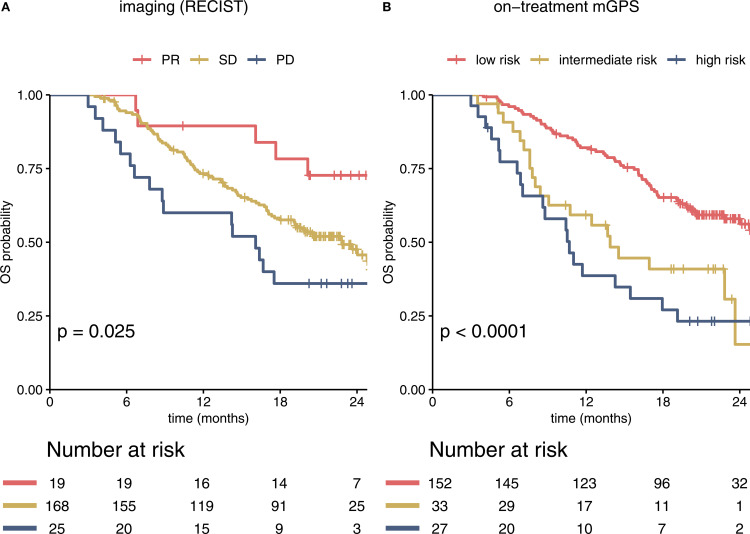 Figure 1
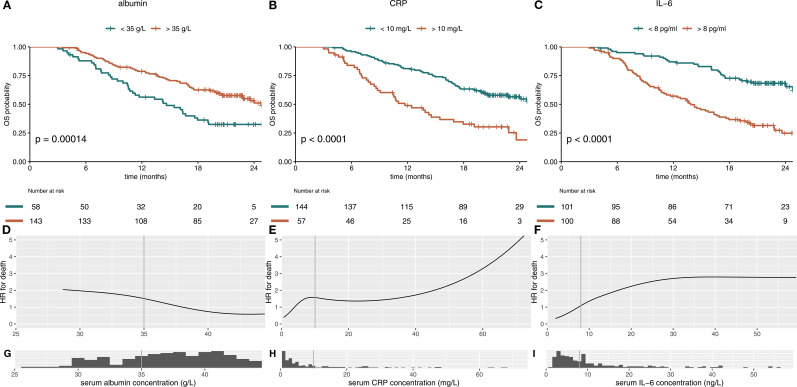 Figure 2
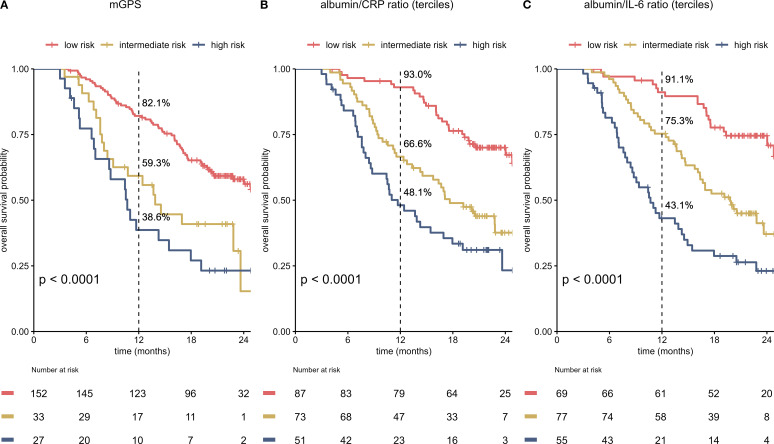 Figure 3
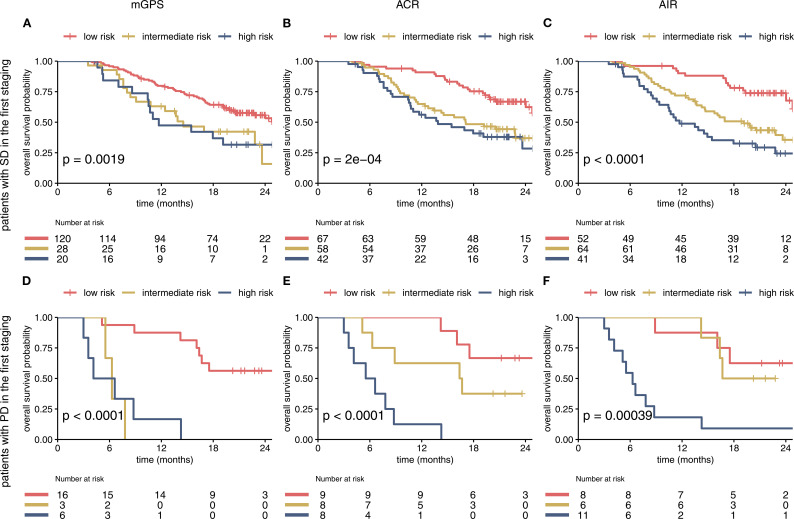 Figure 4
Peer Reviews
No public reviews on file for this paper yet. If you reviewed it on a platform where reviews are public (OpenReview, ICLR, NeurIPS, ICML), you can paste yours below so the community can read it here.
Videos
No videos yet. Explain this paper in a talk, walkthrough, or lecture? Add one.
Taxonomy
TopicsLiver Disease Diagnosis and Treatment · Hepatocellular Carcinoma Treatment and Prognosis · MRI in cancer diagnosis