Remifentanil reduces post-induction hypotension compared to fentanyl in thoracoscopic esophagectomy: a retrospective cohort study
Jin Zhang, Chen Zhao, Hao Sun, Youming Deng, Guangfu Qian, Shibing Teng, Baoxin Wang

TL;DR
Using remifentanil instead of fentanyl during anesthesia induction lowers the risk of low blood pressure after surgery in high-risk patients.
Contribution
This study provides new evidence that remifentanil reduces post-induction hypotension compared to fentanyl in thoracoscopic esophagectomy patients.
Findings
Remifentanil reduced post-induction hypotension incidence compared to fentanyl (23.7% vs. 42.3%).
Remifentanil was associated with more stable blood pressure and less variability in the first 15 minutes post-induction.
Bradycardia was more common with remifentanil, while fentanyl was linked to more post-intubation hypertension.
Abstract
Post-induction hypotension (PIH) is a common complication associated with anesthesia, particularly in high-risk groups, such as elderly, malnourished patients with multiple comorbidities undergoing thoracoscopic esophagectomy. The selection of induction agents plays a significant role in influencing hemodynamic stability. However, there is a lack of comprehensive comparative data regarding the impact of different opioid agents on PIH. This retrospective cohort study included 289 patients undergoing thoracoscopic esophagectomy, who received etomidate combined with either fentanyl (Fentanyl group) or remifentanil (Remifentanil group) for anesthesia induction. A logistic regression model was used to examine the association between the induction regimen and PIH. Confounding factors were adjusted using a directed acyclic graph, and least absolute shrinkage and selection operator (LASSO)…
Genes, proteins, chemicals, diseases, species, mutations and cell lines named across the full text — each resolved to its canonical identifier and authoritative record.
Click any figure to enlarge with its caption.
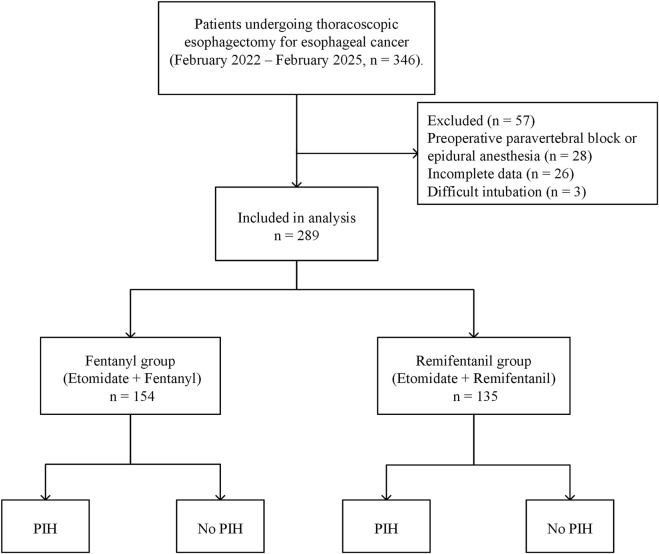 Figure 1
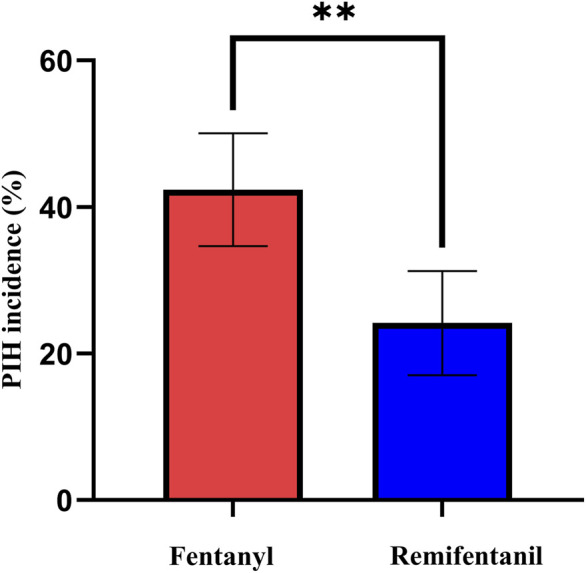 Figure 2
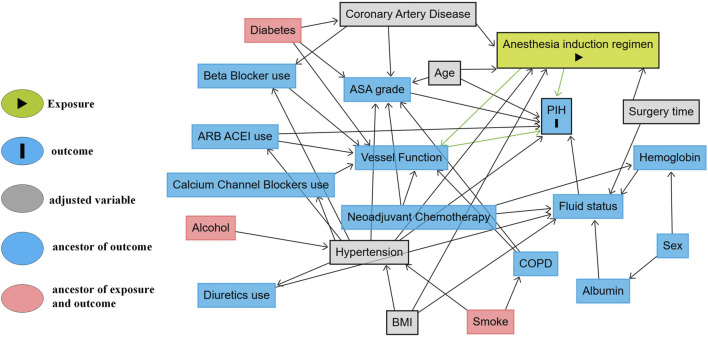 Figure 3
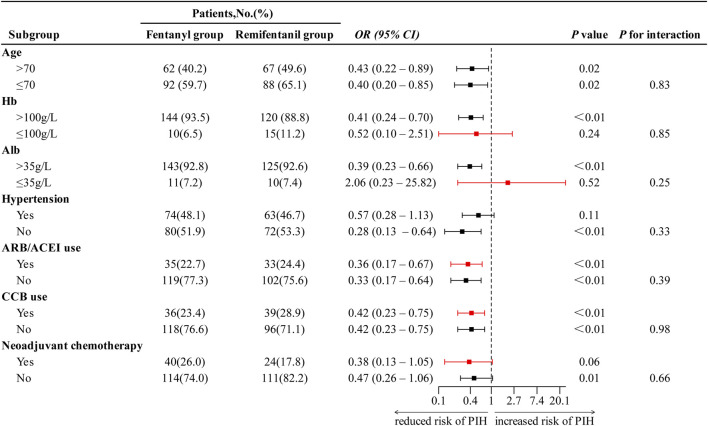 Figure 4
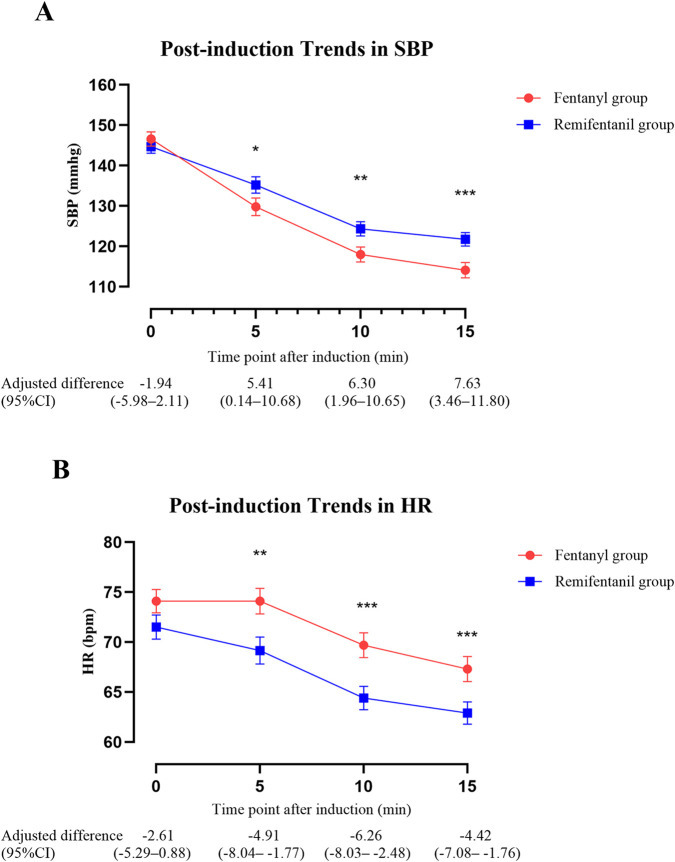 Figure 5
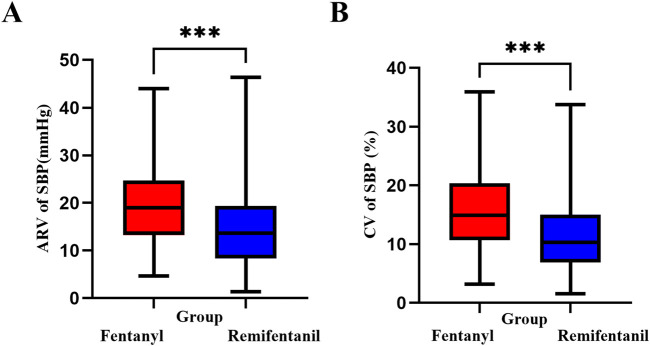 Figure 6
Peer Reviews
No public reviews on file for this paper yet. If you reviewed it on a platform where reviews are public (OpenReview, ICLR, NeurIPS, ICML), you can paste yours below so the community can read it here.
Videos
No videos yet. Explain this paper in a talk, walkthrough, or lecture? Add one.
Taxonomy
TopicsCardiac, Anesthesia and Surgical Outcomes · Anesthesia and Sedative Agents · Lung Cancer Diagnosis and Treatment