Targeting macrophage-myofibroblast transition with Caulis spatholobi to attenuate renal interstitial fibrosis: integrated UHPLC-Q-Exactive Orbitrap-MS, network pharmacology, and experimental validation
Ziyi Song, Yunlong Zhang, Chao Yang, Kexin Ren, Yijing Cheng, Zhujiang Zhang, Tianjiao Ren, Yixuan Chen, Xue Li, Yan Lin

TL;DR
This study explores how Caulis Spatholobi extract may treat kidney fibrosis by targeting macrophage transformation and reducing tissue damage in rats.
Contribution
The study integrates advanced analytical methods and experimental validation to reveal the anti-fibrotic mechanisms of Caulis Spatholobi.
Findings
AECS reduced renal tissue damage and dysfunction in RIF rat models.
AECS downregulated fibrosis markers α-SMA and fibronectin in RIF rats.
AECS treatment reduced MMT cell populations, especially CD206+α-SMA+ cells, indicating a role for M2 macrophages in RIF.
Abstract
Caulis Spatholobi (CS), a traditional Chinese medicine, is recognized for its abilities to reduce fibrinogen levels, promote proteolysis, and improve conditions such as diabetic nephropathy. However, the potential of aqueous extract of CS (AECS) as an effective treatment for renal interstitial fibrosis (RIF) is yet to be established. The AECS was qualitative analyzed by UHPLC-Q-Exactive Orbitrap-MS. Potential targets of AECS were predicted, and RIF disease targets were collated from databases. A Venn diagram was generated using the EVenn platform, and drug-active ingredient-target network diagrams were constructed with Cytoscape 3.10.1 software. The PPI network was generated through the STRING database, and GO and KEGG enrichment analyses were executed via the DAVID platform. Molecular docking predictions of active ingredients binding with core targets were conducted using the CB-Dock2…
Genes, proteins, chemicals, diseases, species, mutations and cell lines named across the full text — each resolved to its canonical identifier and authoritative record.
Click any figure to enlarge with its caption.
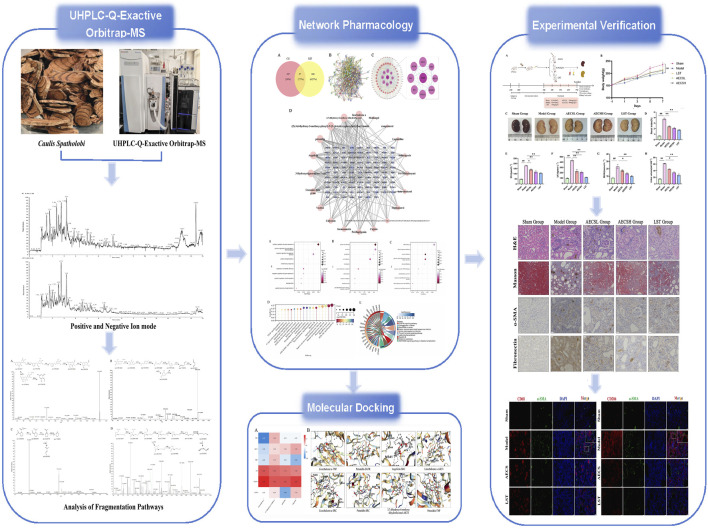 Figure 1
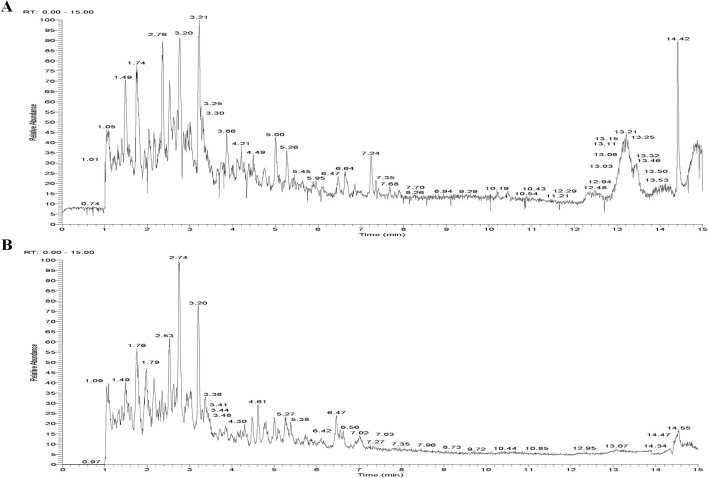 Figure 2
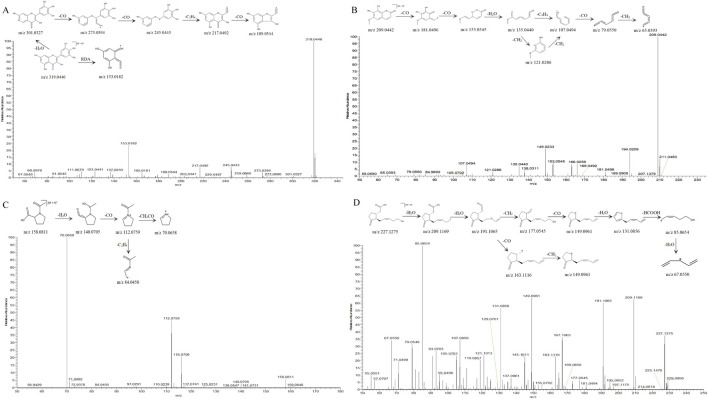 Figure 3
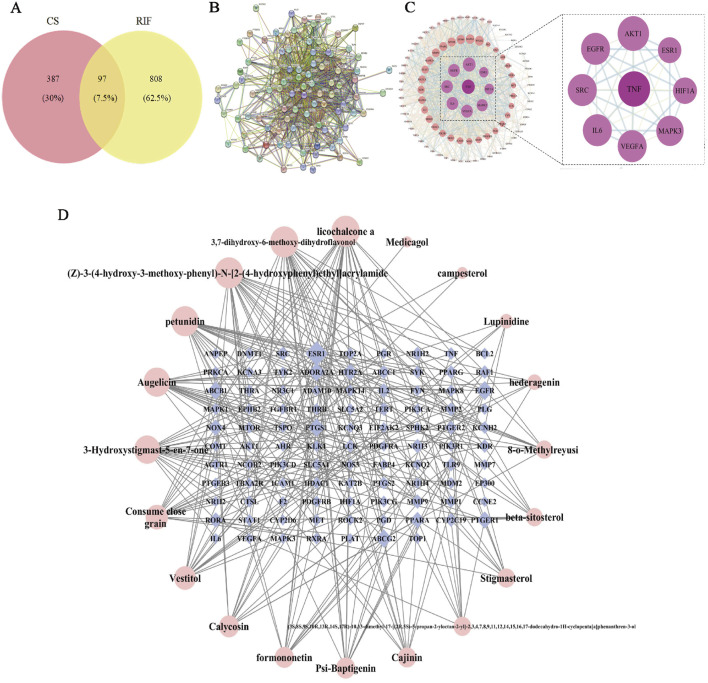 Figure 4
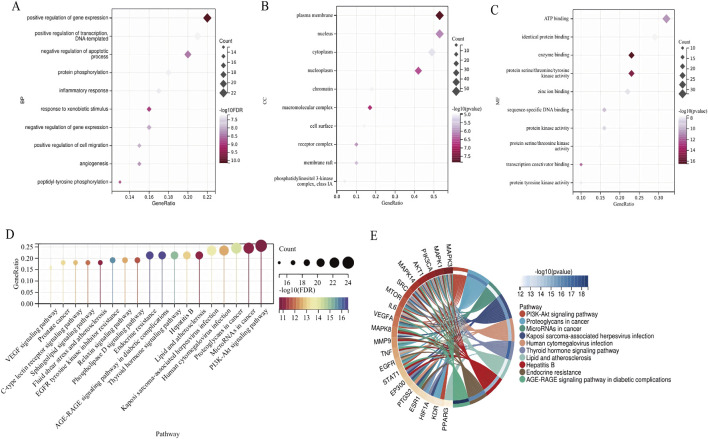 Figure 5
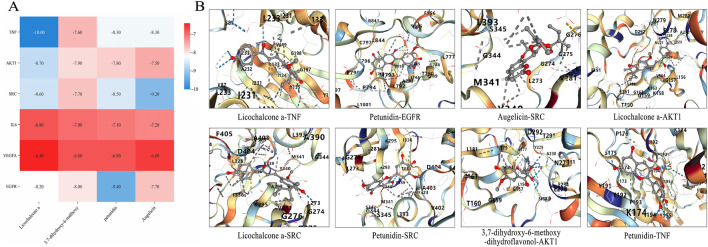 Figure 6
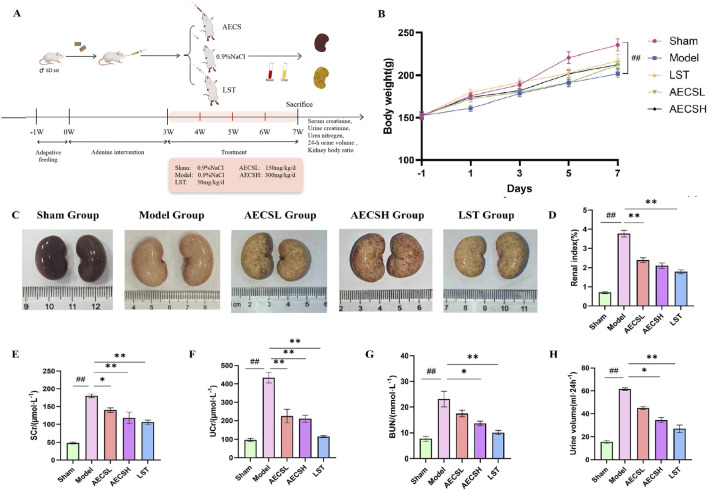 Figure 7
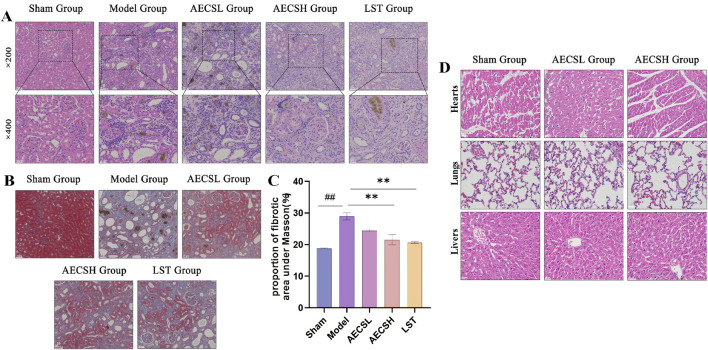 Figure 8
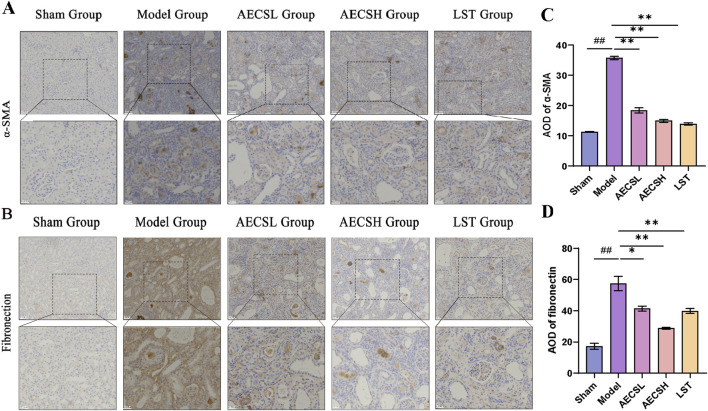 Figure 9
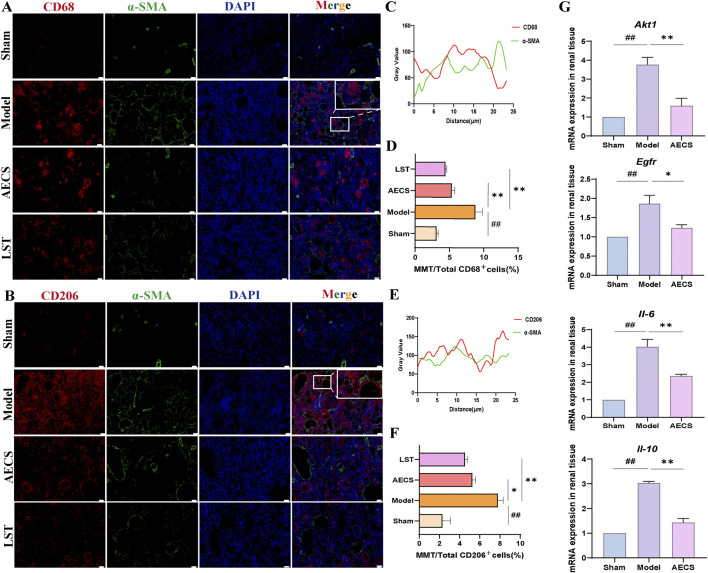 Figure 10
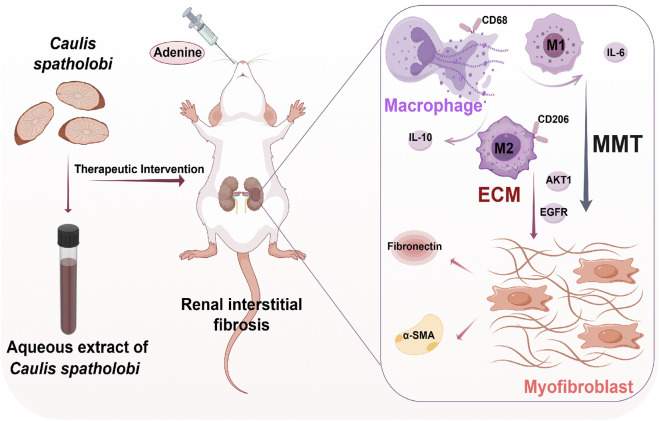 Figure 11
Peer Reviews
No public reviews on file for this paper yet. If you reviewed it on a platform where reviews are public (OpenReview, ICLR, NeurIPS, ICML), you can paste yours below so the community can read it here.
Videos
No videos yet. Explain this paper in a talk, walkthrough, or lecture? Add one.
Taxonomy
TopicsChronic Kidney Disease and Diabetes · Dialysis and Renal Disease Management · Acute Kidney Injury Research