Identification of the wbtF gene as a cytotoxicity-associated factor in Francisella novicida infection
Dhandy Koesoemo Wardhana, Takashi Shimizu, Kenta Watanabe, Akihiko Uda, Masahisa Watarai

TL;DR
The study identifies the wbtF gene in Francisella novicida as important for its ability to replicate inside host cells.
Contribution
A novel infection model was used to identify the wbtF gene as a cytotoxicity-associated factor in F. novicida.
Findings
The wbtF mutant could not escape from phagolysosomes and was digested within the lysosome.
The wbtF mutant was detected in mitochondria and the Golgi complex.
The wbtF gene is important for intracellular replication of F. novicida.
Abstract
Francisella tularensis is a highly infectious Gram-negative bacterium that causes tularemia in humans and animals. It has a remarkable ability to survive and replicate within a wide range of host cells. F. novicida shares many characteristics with of F. tularensis. However, it is rarely pathogenic in humans, and its reduced virulence makes it a suitable model organism for studying F. tularensis infection. This study aimed to identify the pathogenic factors of F. novicida. Using a novel infection model with HeLa cells expressing FcγRII (HeLa-FcγRII cells), we screened 2,232 transposon mutants of F. novicida pre-treated with antiserum containing F. novicida antibodies to find less cytotoxicity strains. The transposon insertion site was identified by sequencing, leading to the determination of the genes responsible for the attenuated cytotoxicity. Additionally, the intracellular behavior…
Genes, proteins, chemicals, diseases, species, mutations and cell lines named across the full text — each resolved to its canonical identifier and authoritative record.
Click any figure to enlarge with its caption.
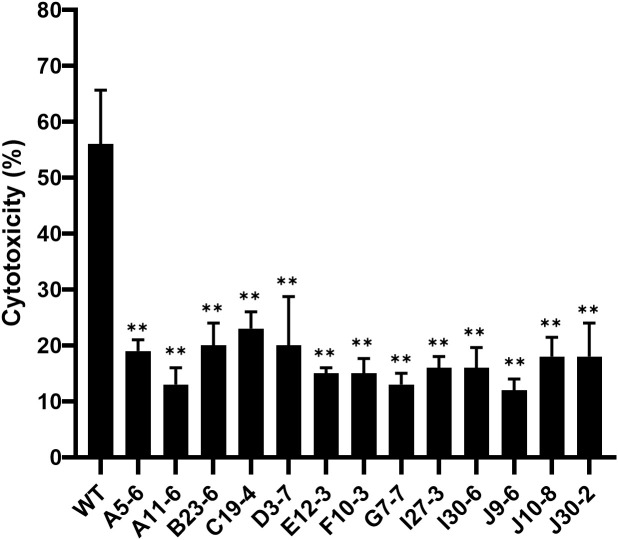 Figure 1
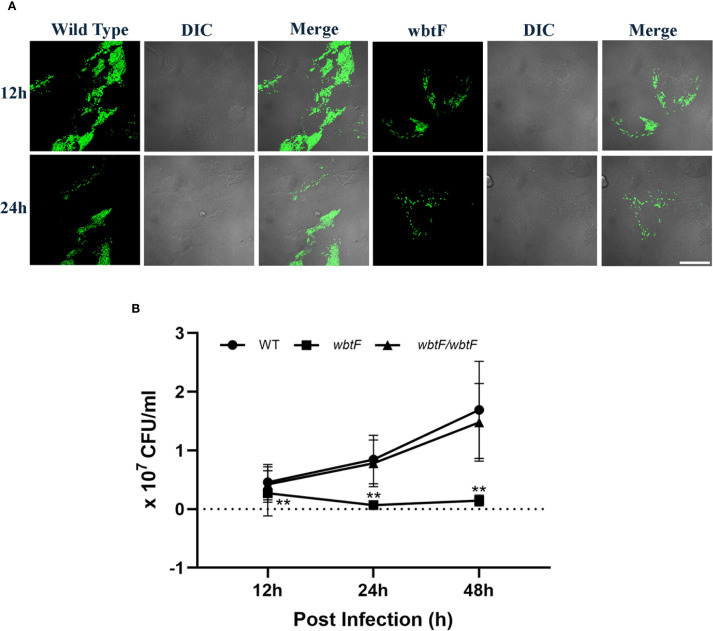 Figure 2
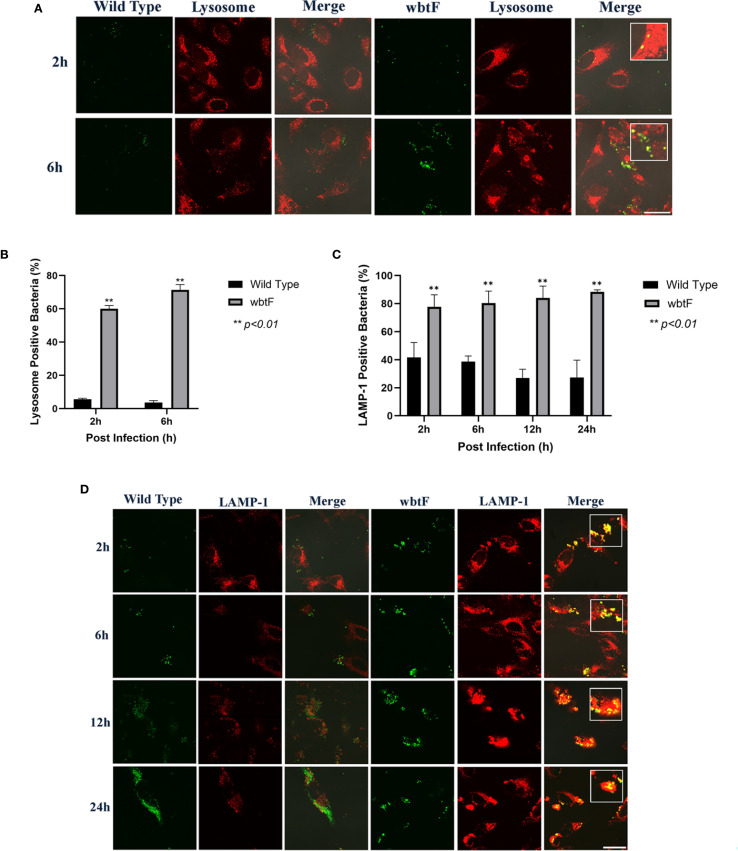 Figure 3
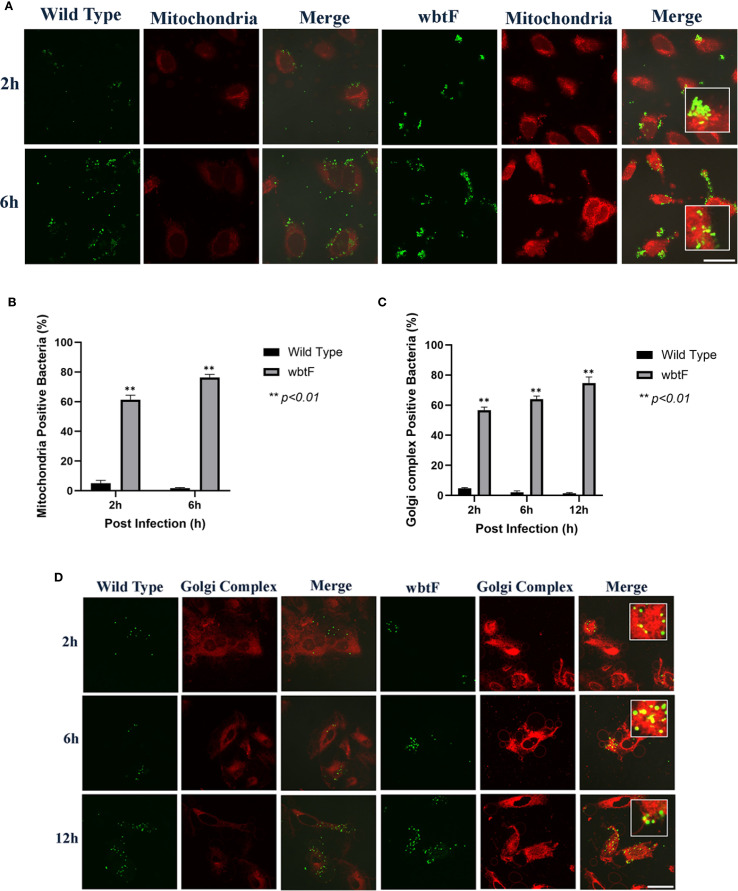 Figure 4
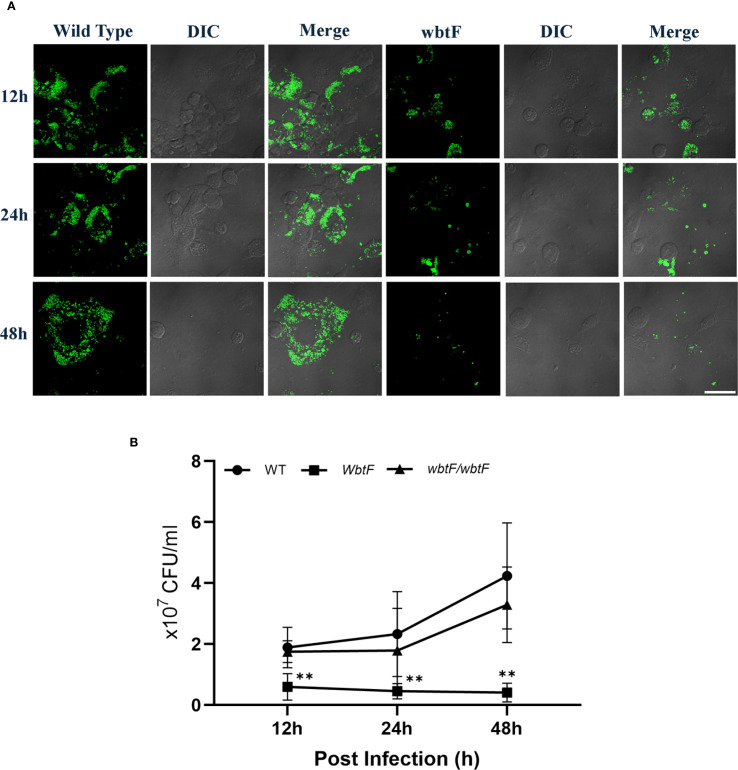 Figure 5
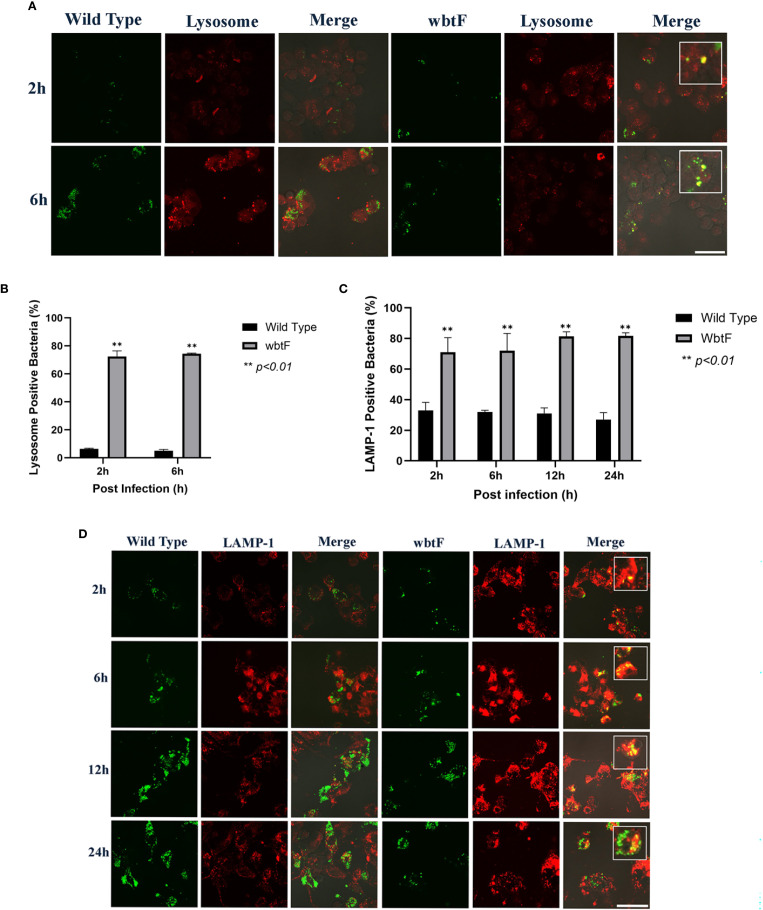 Figure 6
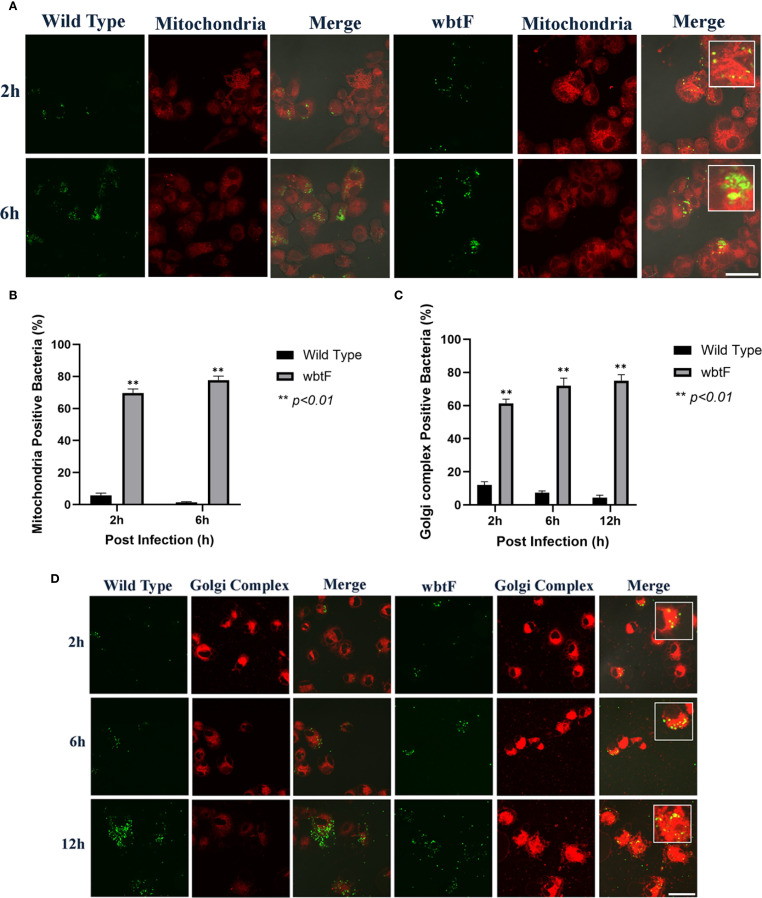 Figure 7
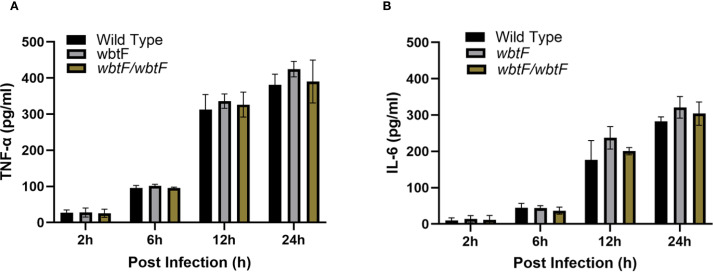 Figure 8
Peer Reviews
No public reviews on file for this paper yet. If you reviewed it on a platform where reviews are public (OpenReview, ICLR, NeurIPS, ICML), you can paste yours below so the community can read it here.
Videos
No videos yet. Explain this paper in a talk, walkthrough, or lecture? Add one.
Taxonomy
TopicsBacillus and Francisella bacterial research · Yersinia bacterium, plague, ectoparasites research · Viral Infections and Outbreaks Research