Effects of hormone-primed oviduct epithelial cell co-culture system on swine SCNT embryo development
Zhong-Ping Chen, Jian Wang, Chang-Di Bian, Dong-Yue Wang, De-Hui Feng, Ming-Yi Wei, Da-Wei Yu, Wei-Jun Sun, Lin-Lin Zhang

TL;DR
A hormone-treated cell co-culture system improves the development of cloned pig embryos by mimicking natural conditions and boosting key metabolic and signaling pathways.
Contribution
A hormone-primed oviduct epithelial cell co-culture system is introduced to enhance swine SCNT embryo development.
Findings
Co-culture with hormone-pretreated OECs increased blastocyst formation rates to 30.5%.
Co-culture reduced oxidative stress and elevated intracellular glutathione levels.
Co-culture activated metabolic pathways and the PI3K–AKT signaling cascade, improving embryonic development.
Abstract
The developmental efficiency of swine somatic cell nuclear transfer (SCNT) embryos remains limited, primarily due to the lack of physiologically relevant in vitro culture conditions that can fully support reprogramming and early embryogenesis. In this study, we established a co-culture system using swine oviduct epithelial cells (OECs), including untreated and hormone-pretreated OECs with estradiol and progesterone (EP-OECs), to better mimic the oviductal environment. Compared with the control group, EP-OECs exhibited elevated expression of the oviduct-specific marker OVGP1. Moreover, SCNT embryos co-cultured with EP-OECs displayed a significantly higher blastocyst formation rate (control: 18.6% ± 0.01; OEC: 24.5% ± 0.01; EP-OEC: 30.5% ± 0.03). Although the total blastocyst cell number did not increase, co-culture significantly elevated intracellular glutathione (GSH) levels and reduced…
Genes, proteins, chemicals, diseases, species, mutations and cell lines named across the full text — each resolved to its canonical identifier and authoritative record.
Click any figure to enlarge with its caption.
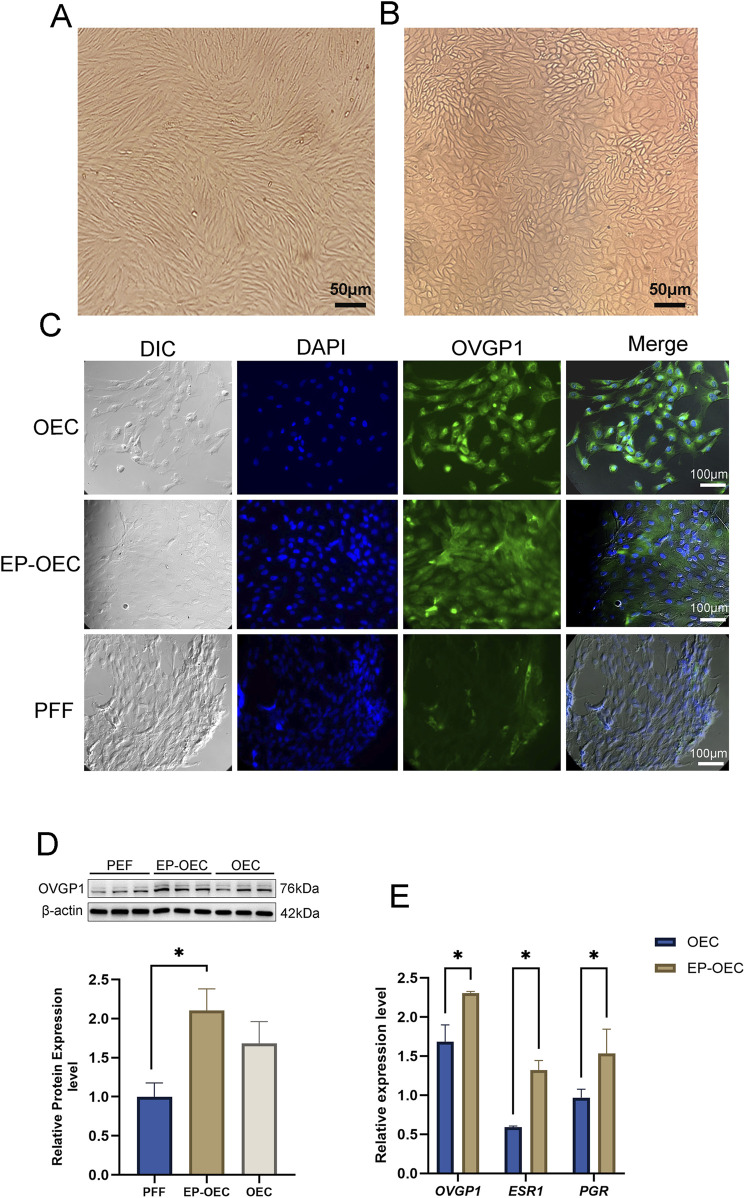 Figure 1
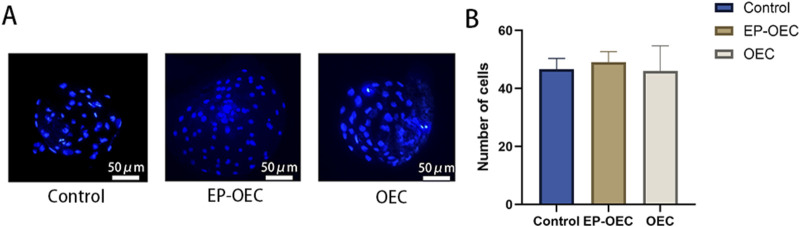 Figure 2
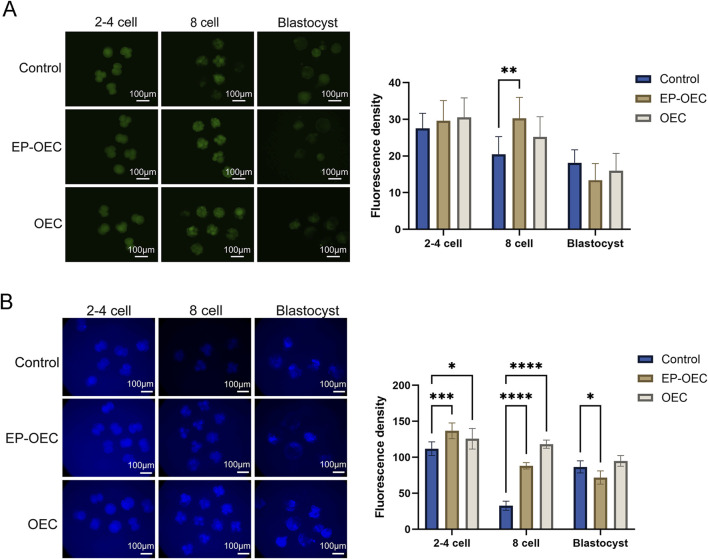 Figure 3
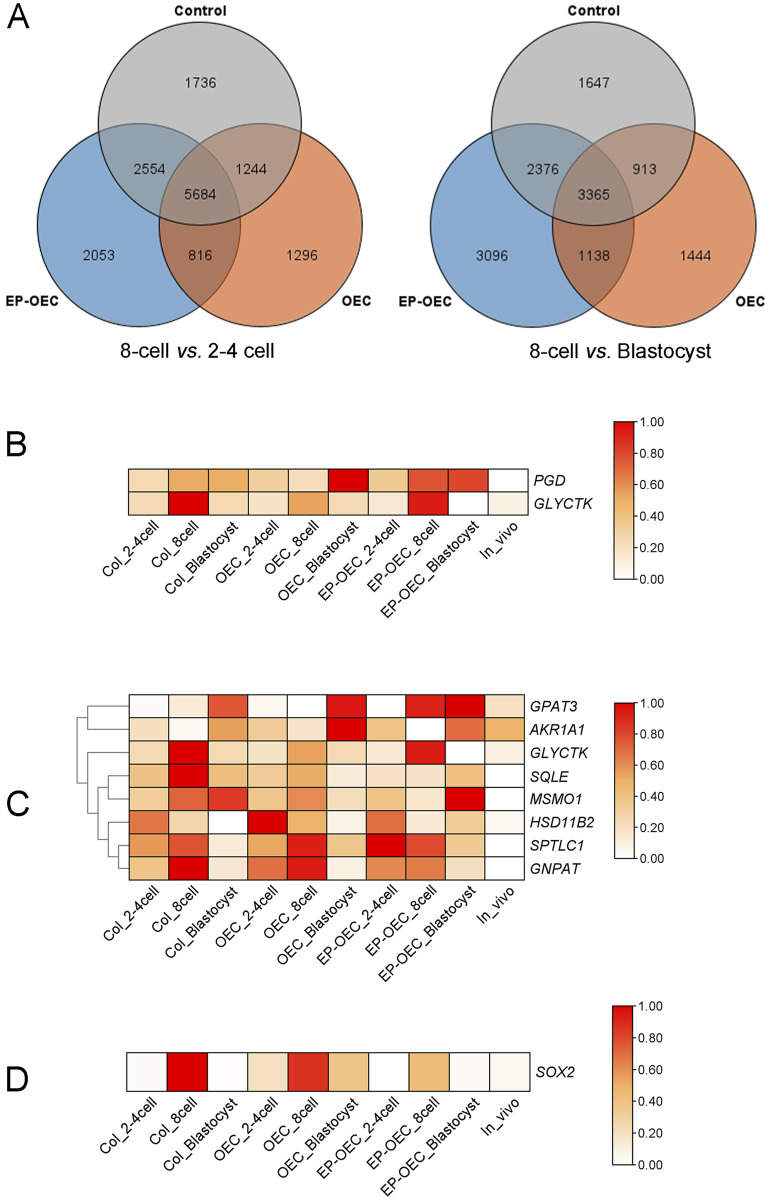 Figure 4
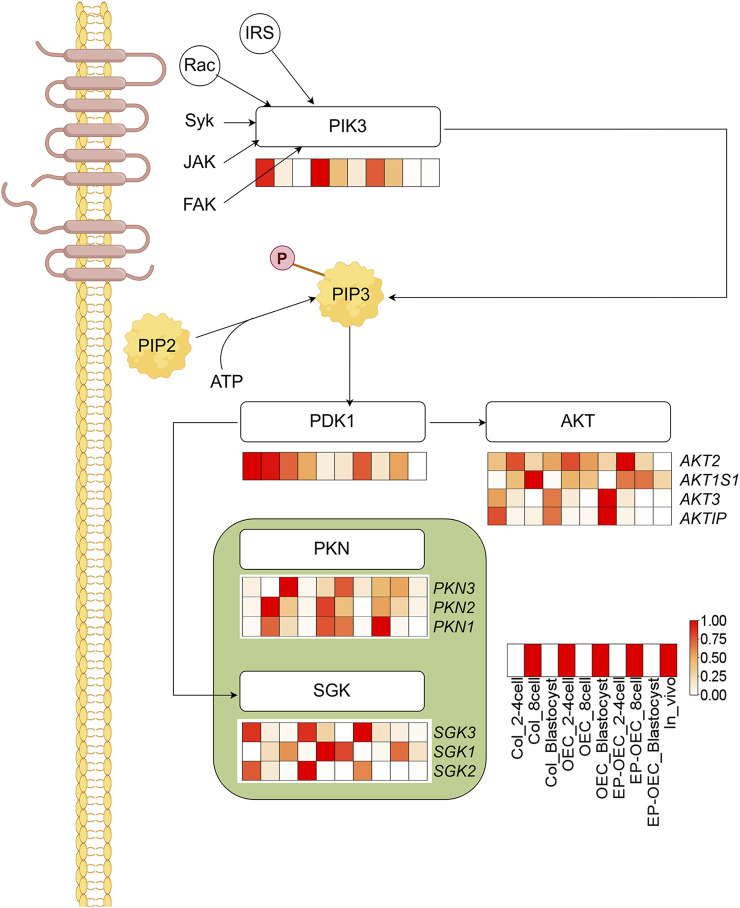 Figure 5
Peer Reviews
No public reviews on file for this paper yet. If you reviewed it on a platform where reviews are public (OpenReview, ICLR, NeurIPS, ICML), you can paste yours below so the community can read it here.
Videos
No videos yet. Explain this paper in a talk, walkthrough, or lecture? Add one.
Taxonomy
TopicsAnimal Genetics and Reproduction · Reproductive Biology and Fertility · Pluripotent Stem Cells Research