Affective prosody and cortical activation in dementia of the Alzheimer’s type: an exploratory acoustic and fNIRS study
Chorong Oh, In-Sop Kim, Ann Feltis

TL;DR
This study explores how people with Alzheimer's dementia use emotional speech and how their brain activates during this, using sound analysis and brain imaging.
Contribution
The study is the first to combine acoustic and fNIRS data to explore affective prosody in Alzheimer's dementia.
Findings
Initial fundamental frequency and speech rate significantly predicted emotional speech conditions.
Hemispheric differences in oxygenated and total hemoglobin levels were observed during affective speech.
DAT individuals showed reduced prosody modulation and altered hemispheric activation patterns.
Abstract
Affective prosody, the expression of emotion via speech, is critical for successful communication. In dementia of the Alzheimer’s type (DAT), impairments in expressive prosody may contribute to interpersonal difficulties, yet the underlying acoustic and neural mechanisms are not well understood. This exploratory study examined affective prosody production and cortical activation in individuals with DAT using a multimodal approach. Ten participants with DAT completed three speech tasks designed to elicit happy, sad, and neutral emotional tones. Acoustic features were extracted using Praat software, and cerebral hemodynamics were recorded using functional near-infrared spectroscopy (fNIRS), focusing on oxygenated (HbO) and total (HbT) hemoglobin levels across hemispheres. Multinomial logistic regression showed that initial fundamental frequency and speech rate significantly predicted…
Genes, proteins, chemicals, diseases, species, mutations and cell lines named across the full text — each resolved to its canonical identifier and authoritative record.
Click any figure to enlarge with its caption.
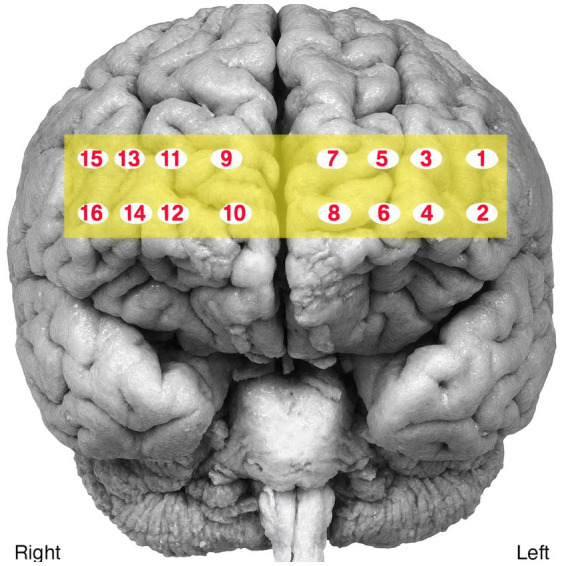 Figure 1
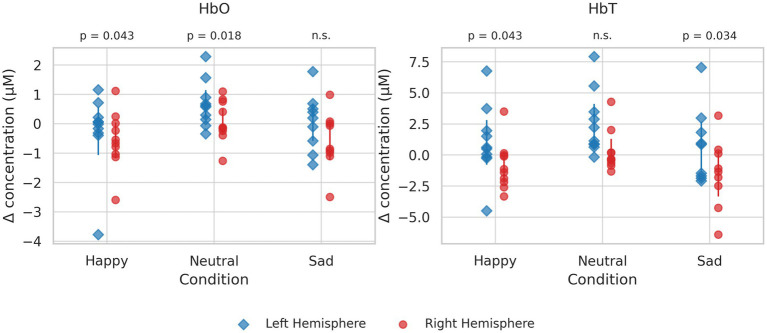 Figure 2
Peer Reviews
No public reviews on file for this paper yet. If you reviewed it on a platform where reviews are public (OpenReview, ICLR, NeurIPS, ICML), you can paste yours below so the community can read it here.
Videos
No videos yet. Explain this paper in a talk, walkthrough, or lecture? Add one.
Taxonomy
TopicsEmotion and Mood Recognition · EEG and Brain-Computer Interfaces · Infant Health and Development