Diagnosing autism spectrum disorder based on eye tracking technology using deep learning models
Mosleh Hmoud Al-Adhaileh, Saleh N. M. Alsubari, Abdullah H. Al-Nefaie, Sultan Ahmad, Asma Abdulmana Alhamadi

TL;DR
This paper explores using eye-tracking data and deep learning models to diagnose autism spectrum disorder with high accuracy.
Contribution
A novel CNN-LSTM model for ASD diagnosis using eye-tracking data, achieving 99.78% accuracy.
Findings
The CNN-LSTM model achieved 99.78% accuracy in diagnosing ASD using eye-tracking data.
The proposed method outperformed previous studies in ASD diagnosis.
Mutual information-based feature selection improved system performance.
Abstract
Children with Autism Spectrum Disorder (ASD) often find it difficult to maintain eye contact, which is vital for social communication. Eye tracking (ET) technology helps determine how long children with ASD focus on someone, how frequently they do so, and in which direction their gaze moves. ET provides insights into social attention by enabling precise, real-time tracking of gaze patterns as individuals process social information visually. It is a dependable method for identifying and developing social attentional biomarkers, particularly in challenging conditions like ASD. This study aims to implement deep learning (DL) algorithms using eye-tracking data from social attention tasks involving children with ASD. The approach was tested using standard datasets collected from individuals with and without ASD through eye-tracking technology. Convolutional neural networks (CNNs) and long…
Genes, proteins, chemicals, diseases, species, mutations and cell lines named across the full text — each resolved to its canonical identifier and authoritative record.
Click any figure to enlarge with its caption.
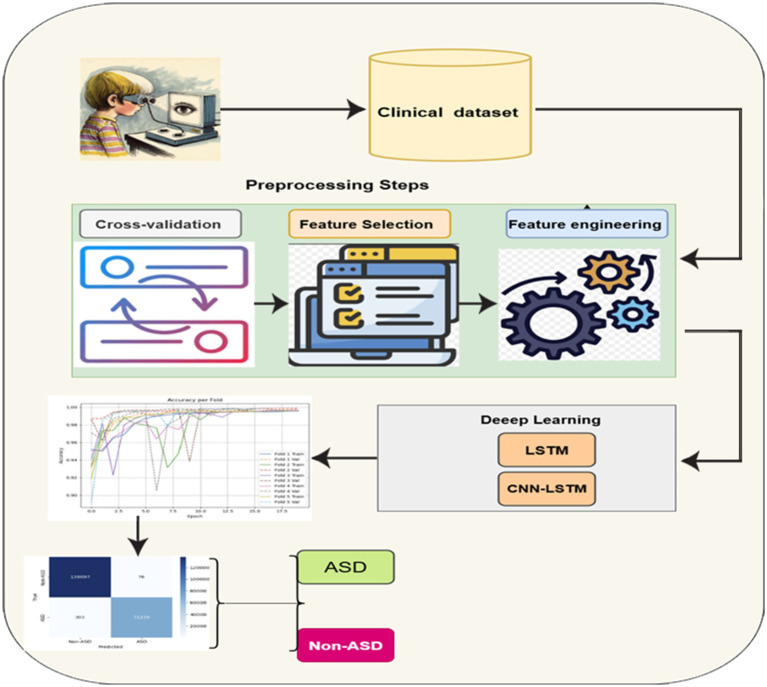 Figure 1
 Figure 2
 Figure 3
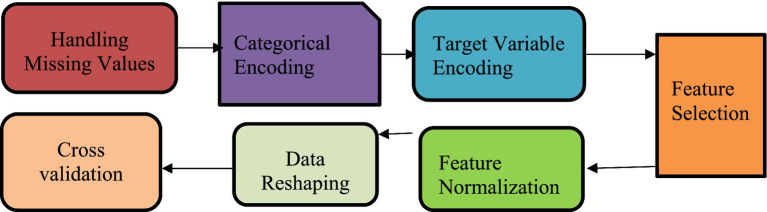 Figure 4
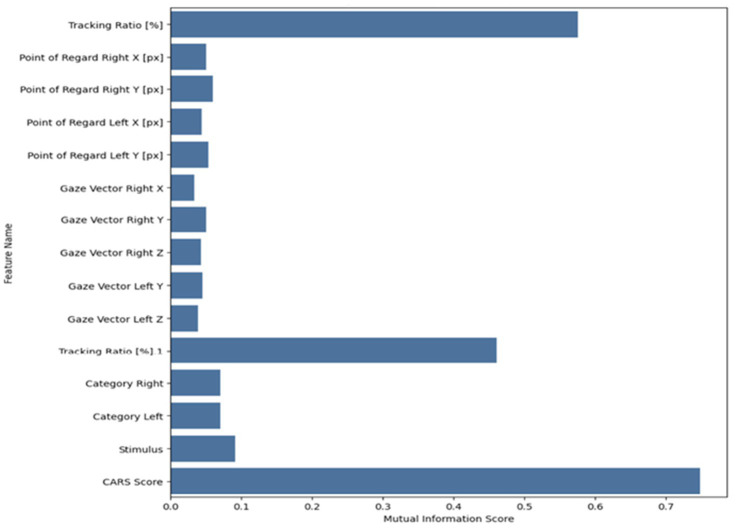 Figure 5
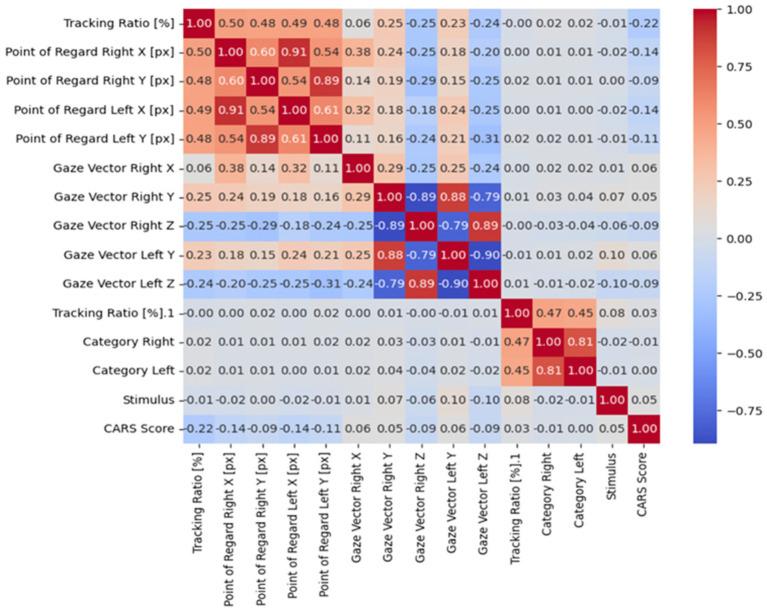 Figure 6
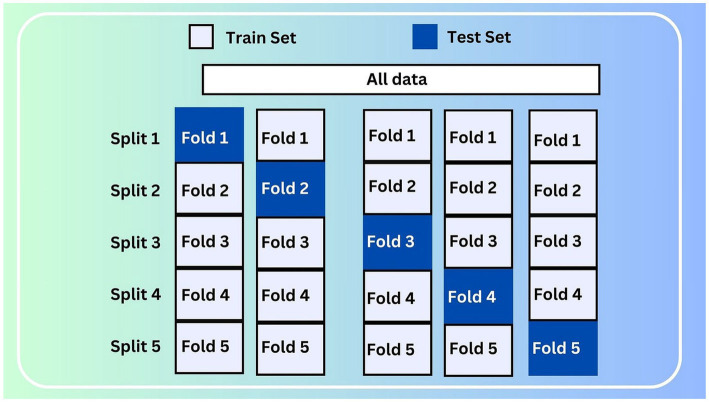 Figure 7
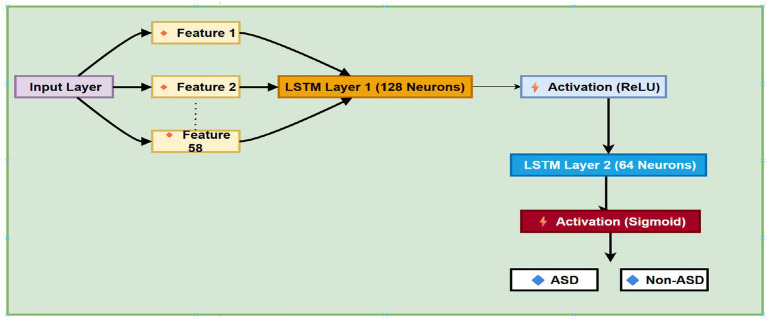 Figure 8
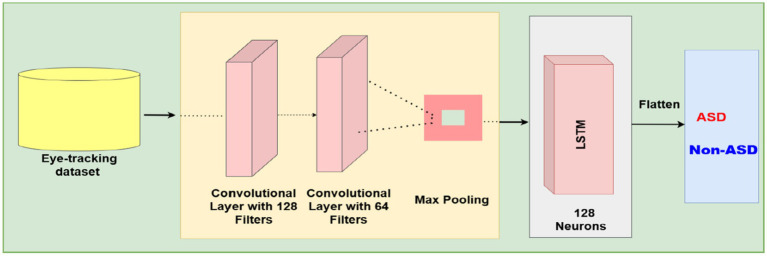 Figure 9
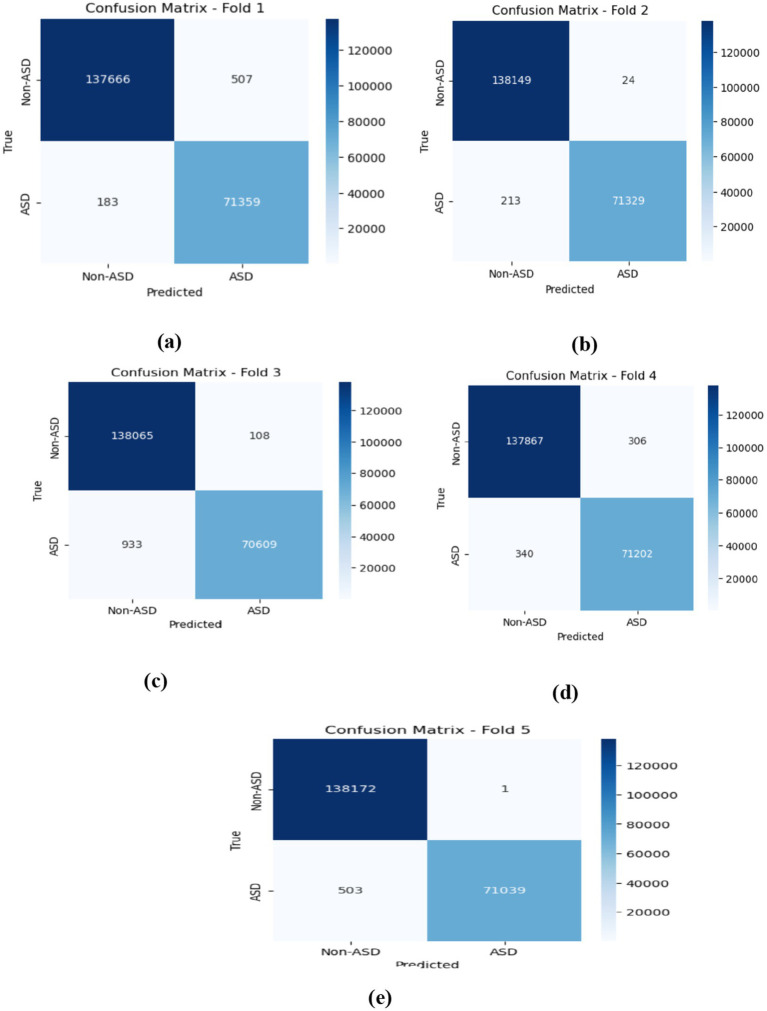 Figure 10
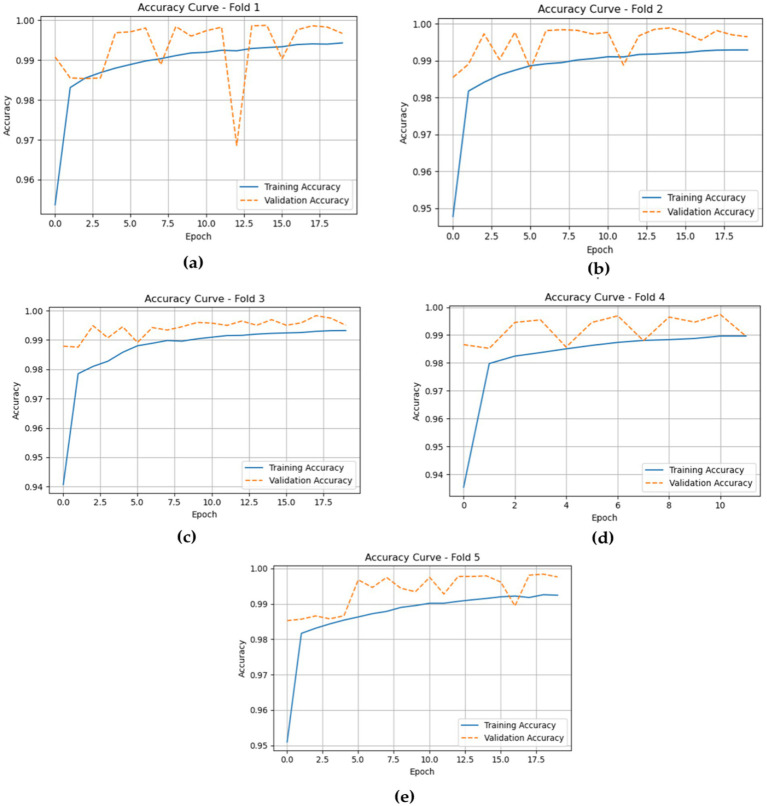 Figure 11
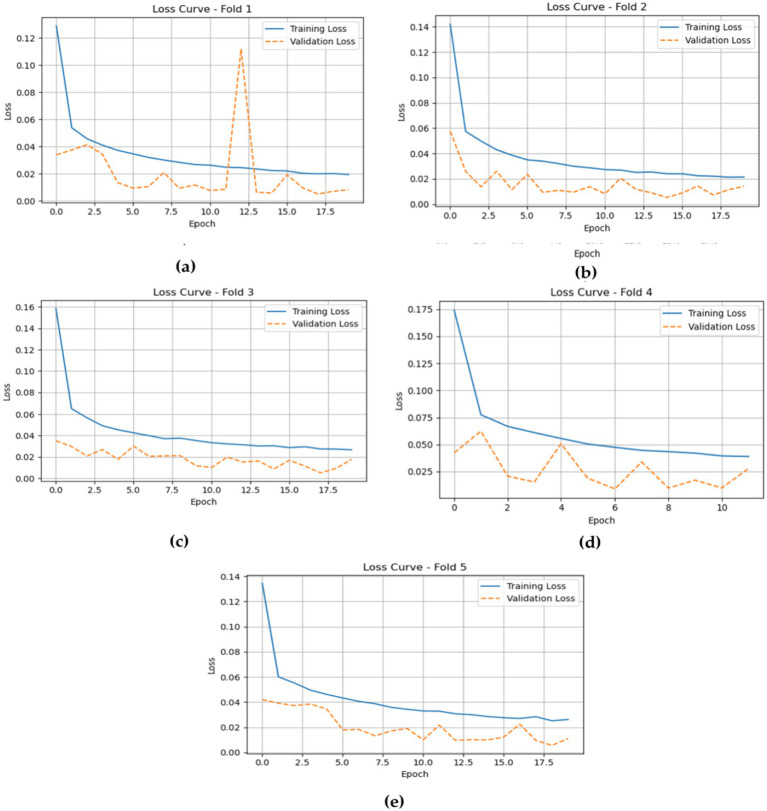 Figure 12
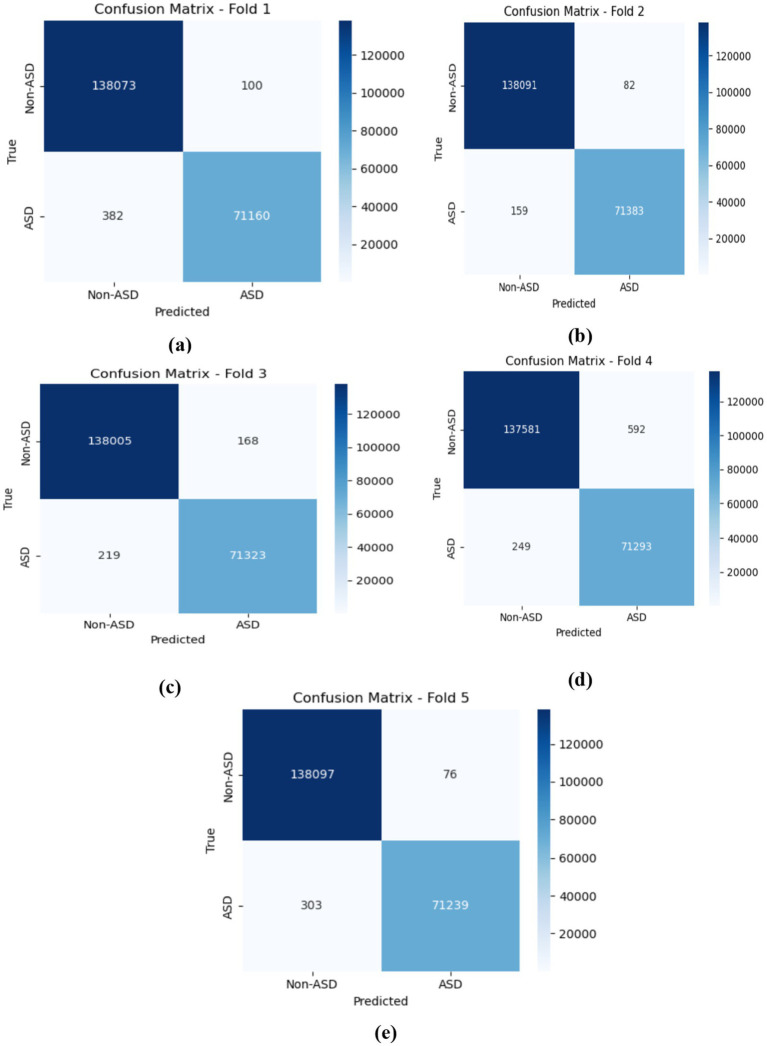 Figure 13
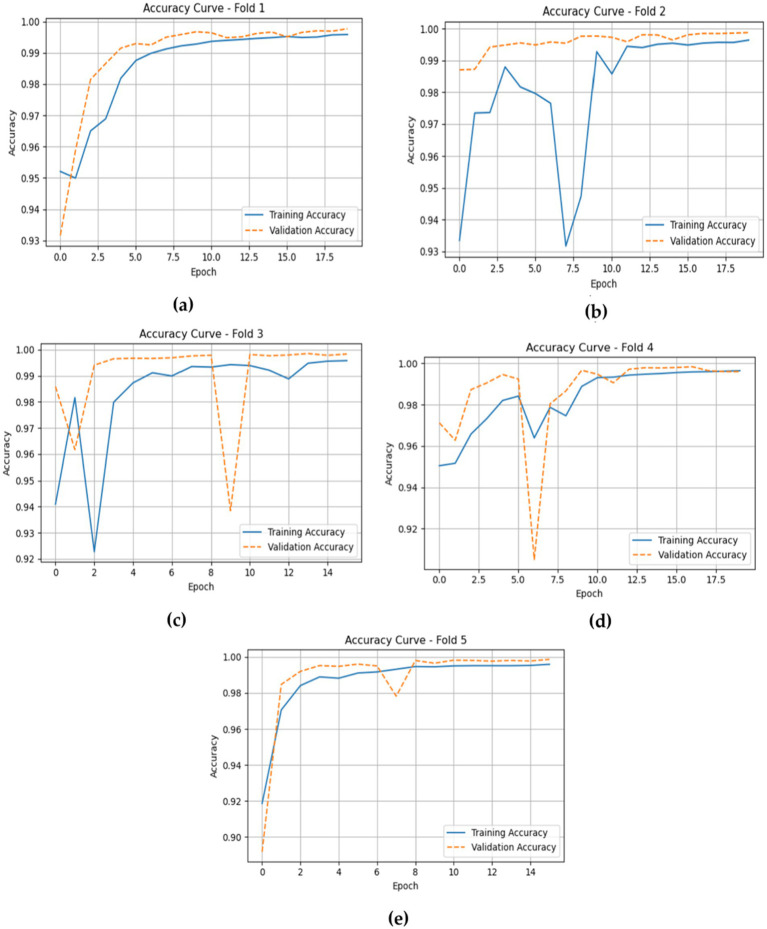 Figure 14
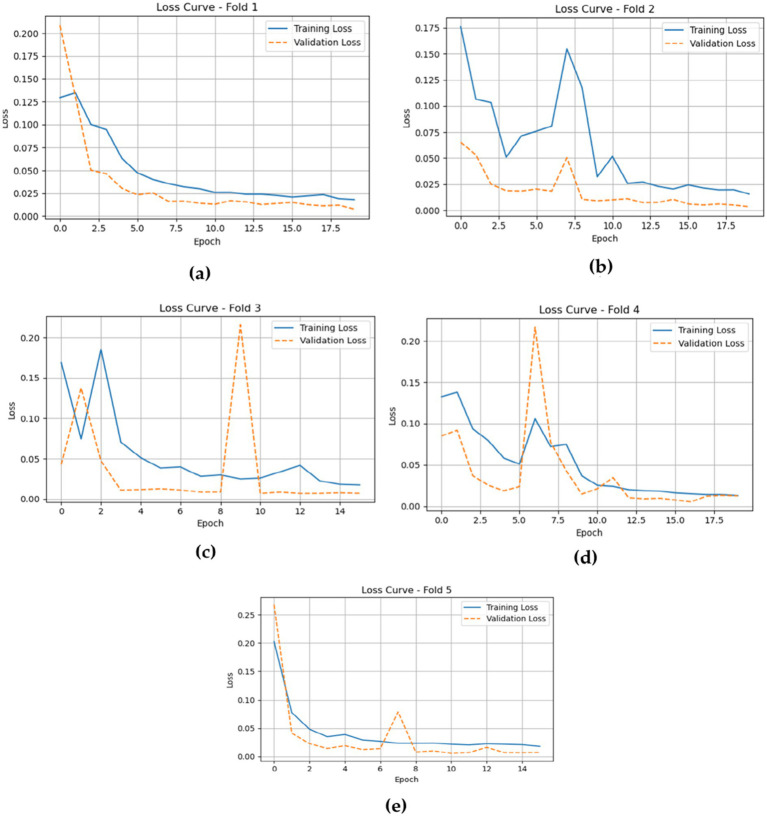 Figure 15
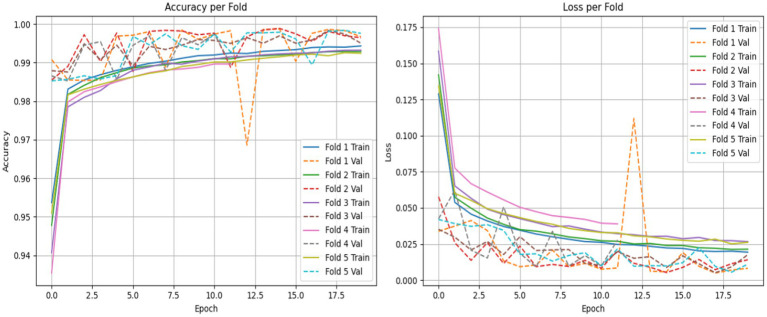 Figure 16
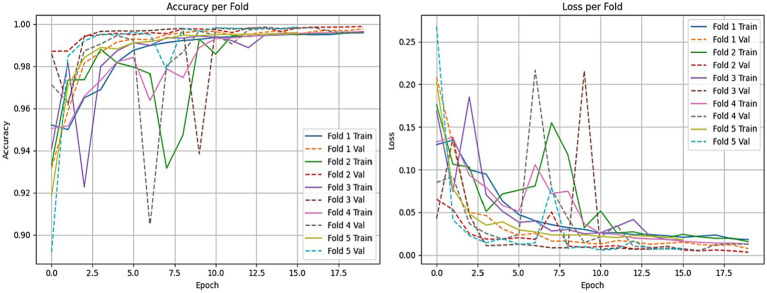 Figure 17
Peer Reviews
No public reviews on file for this paper yet. If you reviewed it on a platform where reviews are public (OpenReview, ICLR, NeurIPS, ICML), you can paste yours below so the community can read it here.
Videos
No videos yet. Explain this paper in a talk, walkthrough, or lecture? Add one.
Taxonomy
TopicsAutism Spectrum Disorder Research