Prognostic genes related to mitochondrial dynamics and mitophagy in diffuse large B-cell lymphoma are identified and validated using an integrated analysis of bulk and single-cell RNA sequencing
Qingjiao Chen, Mingui Chen, Jizhen Wang, Jinfeng Dong, Apeng Yang, Xiaolin Zhu, Qiaoxian Lin, Jinlong Huang, Guilan Lai, Meihong Zheng, Zhiyong Zeng, Junmin Chen, Junfang Lin, Xiaoqiang Zheng

TL;DR
This study identifies six genes linked to mitochondrial dynamics and mitophagy that predict outcomes in diffuse large B-cell lymphoma patients and validates their role using RNA sequencing and clinical tests.
Contribution
The study introduces six novel lysosomal-enriched genes as prognostic markers for DLBCL and validates a composite model with strong predictive accuracy.
Findings
Six genes (TCF7, CEBPA, BBC3, GALR3, BMP8B, BAALC) were identified as independent prognostic indicators in DLBCL.
A composite model integrating risk score and clinical parameters showed high predictive accuracy (AUC > 0.8).
High-risk DLBCL was associated with M0 macrophage infiltration, m6A dysregulation, and dihydrotestosterone sensitivity.
Abstract
While the link between mitochondrial homeostasis, specifically dynamics and mitophagy, and the progression of diffuse large B-cell lymphoma (DLBCL) has been suggested, their prognostic significance and functional networks remain unclear. This study aimed to investigate the role of mitochondrial dynamics-related genes (MDRGs) in DLBCL patient outcomes. Candidate MDGRs were identified via Weighted Gene Co-expression Network Analysis (WGCNA) and differential expression analysis using public RNA-seq data. A prognostic signature was established via LASSO-Cox regression, followed by proportional hazards assumption validation. Functional pathways, regulatory networks (including miR-1252-5p/NEAT1), and a risk-scoring model were analyzed. Model assessment included nomograms, immune cell infiltration, m6A regulator, and pharmacogenomics. Single-cell mapping was employed to characterize B-cell…
Genes, proteins, chemicals, diseases, species, mutations and cell lines named across the full text — each resolved to its canonical identifier and authoritative record.
Click any figure to enlarge with its caption.
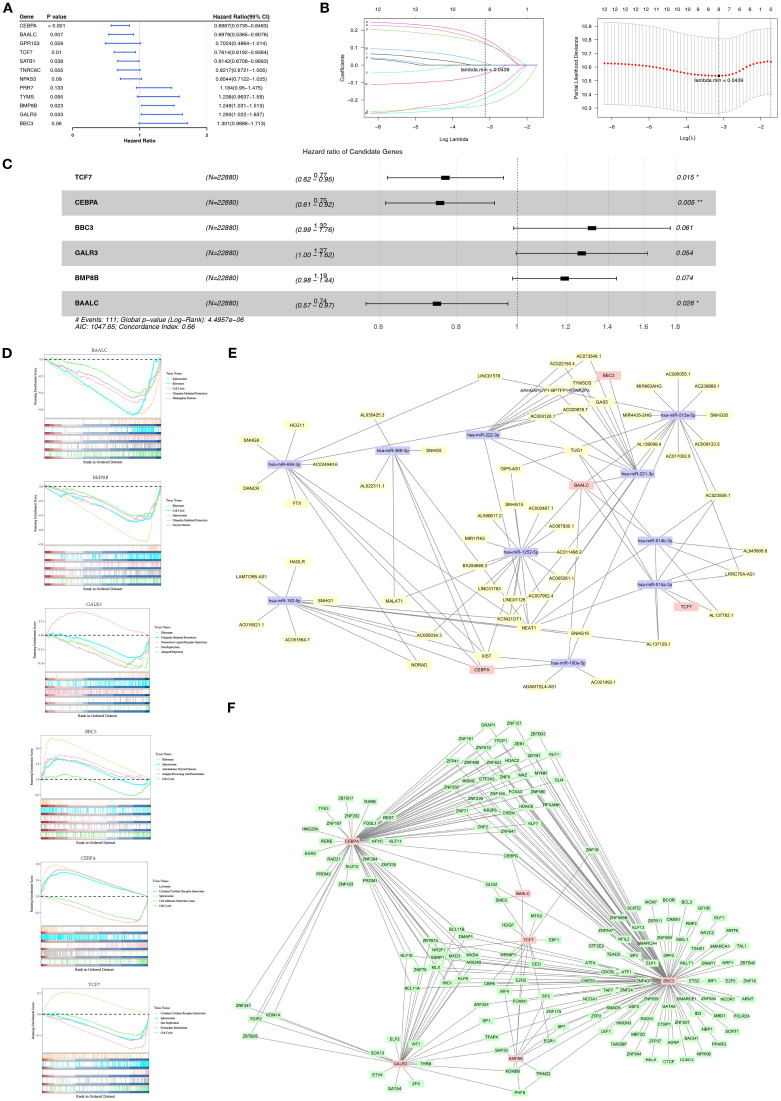 Figure 1
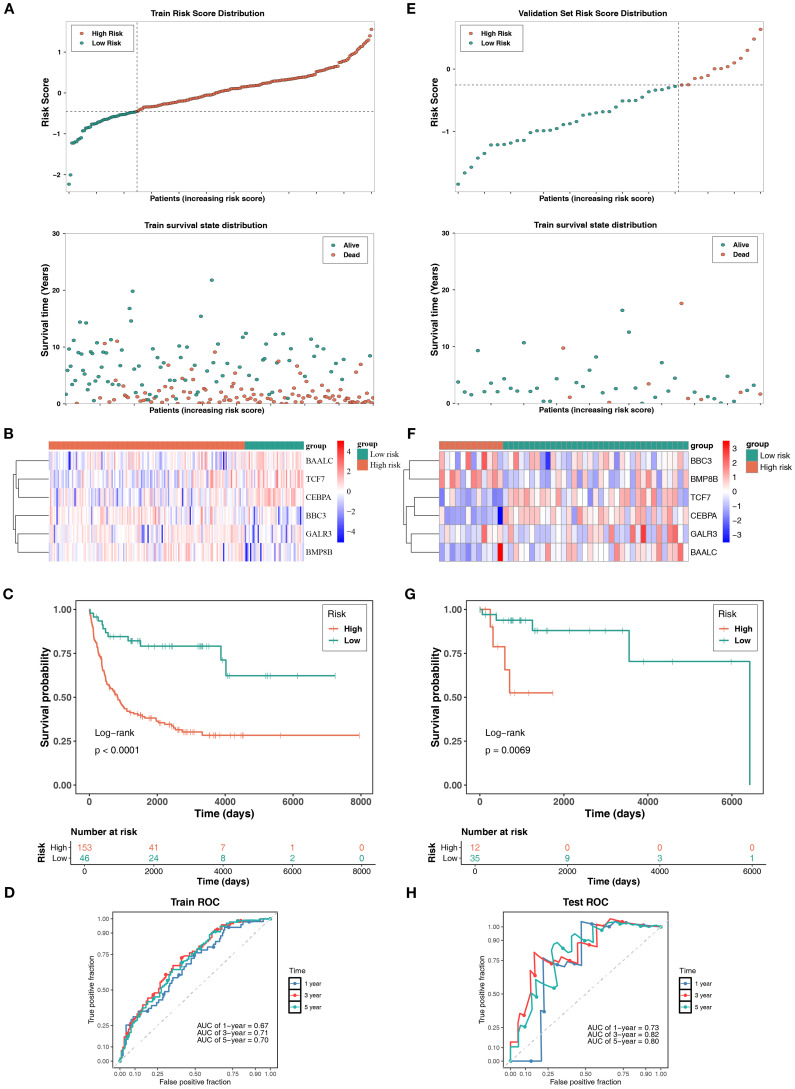 Figure 2
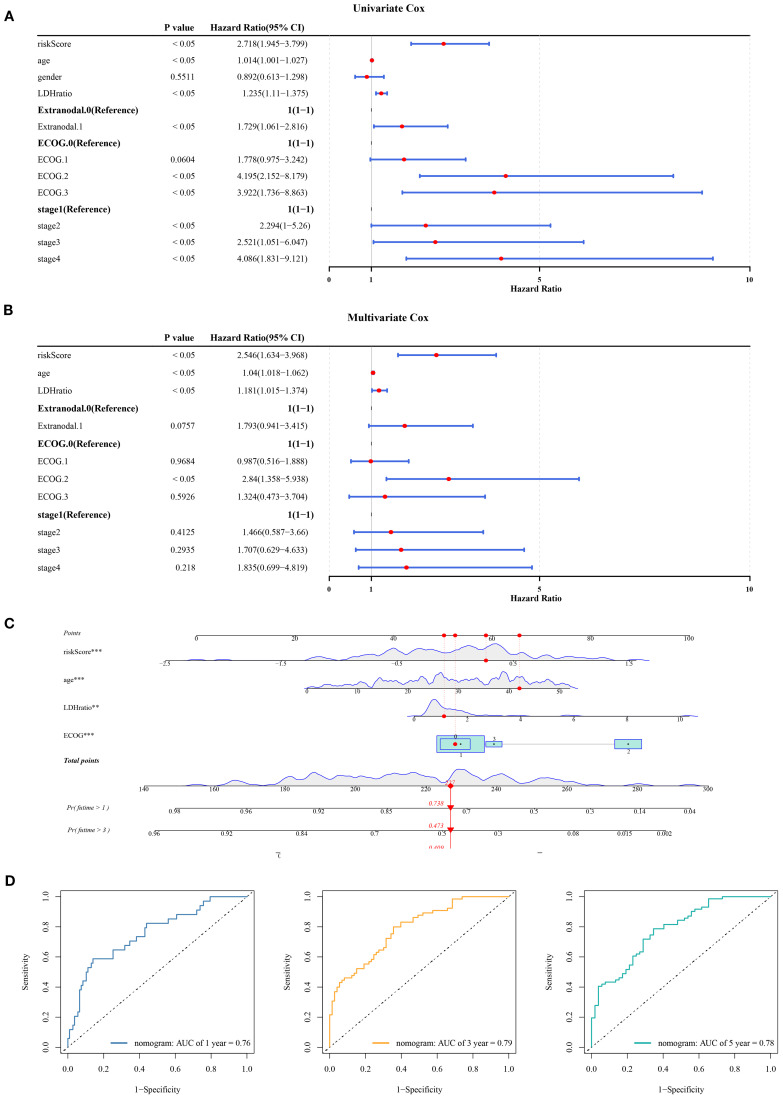 Figure 3
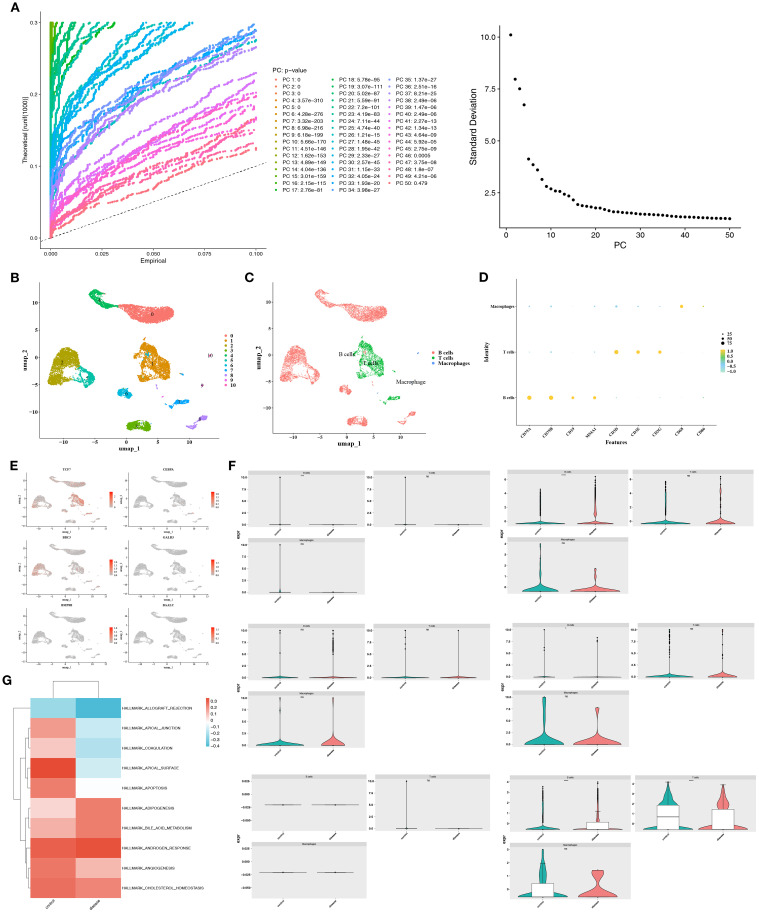 Figure 4
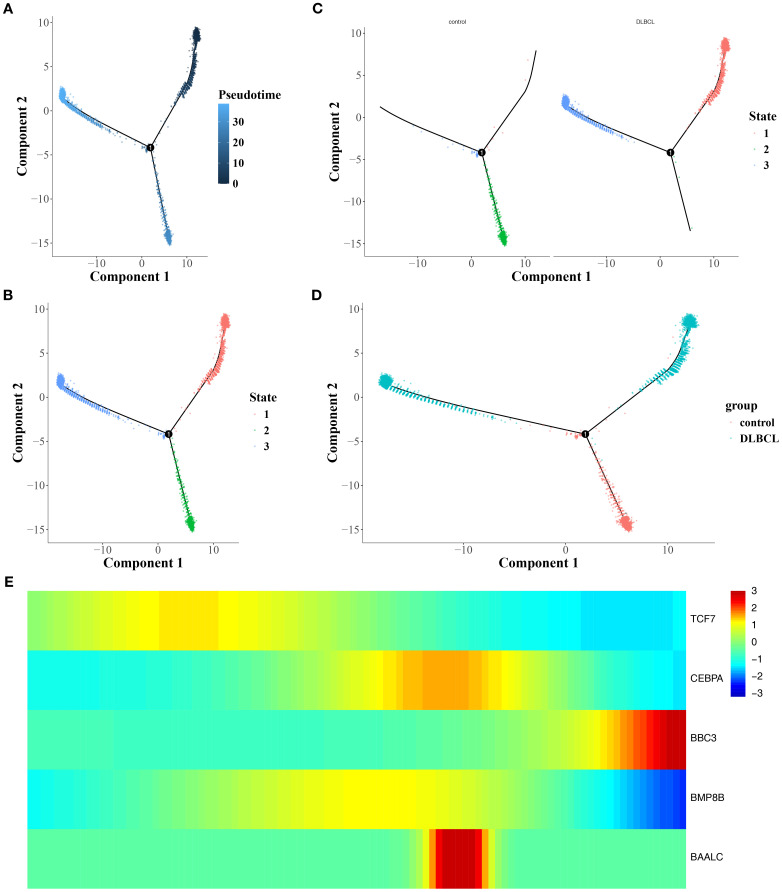 Figure 5
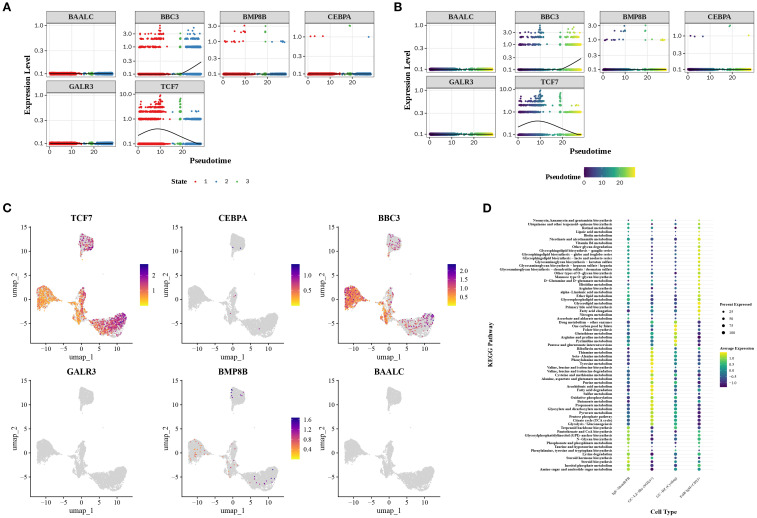 Figure 6
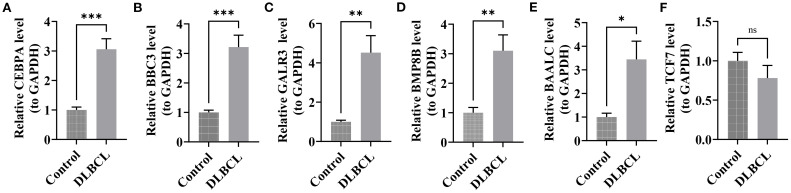 Figure 7
Peer Reviews
No public reviews on file for this paper yet. If you reviewed it on a platform where reviews are public (OpenReview, ICLR, NeurIPS, ICML), you can paste yours below so the community can read it here.
Videos
No videos yet. Explain this paper in a talk, walkthrough, or lecture? Add one.
Taxonomy
TopicsLymphoma Diagnosis and Treatment · Immune Cell Function and Interaction · Single-cell and spatial transcriptomics