Evaluation of enamel matrix derivative used alone or added to collagen membrane for tissue repair: in vivo animal study using a rat dorsal wound model
Julius Cezar Coelho Moraes, Filipe Rhuan Vieira de Sá Cruz, Lucas Novaes Teixeira, João Pedro Rangel-Coelho, Elizabeth Ferreira Martinez

TL;DR
This study tested how enamel matrix derivative and collagen membrane affect wound healing in rats, finding that their combination reduced inflammation and improved tissue repair.
Contribution
The study introduces a novel combination of EMD and collagen membrane for enhanced soft tissue regeneration in wound healing.
Findings
EMD-treated groups showed significantly lower inflammation at 7 days compared to control groups.
G3 (EMD alone) demonstrated greater epithelial thickness and keratin formation at 14 days.
Collagen fiber organization was more evident in groups treated with EMD, either alone or combined with collagen membrane.
Abstract
Gingival biotype is decisive for the outcome of rehabilitation treatments, and its impact on therapeutic prognosis is directly related to tissue fragility and marginal tissue recessions. This study aimed to evaluate the effect of enamel matrix derivative (EMD) and porcine collagen matrix, alone or combined, on wounds made on the rat dorsum. Wounds were created in the dorsum of 40 Wistar rats divided into 4 sample groups: G1 = clot, G2 = porcine collagen matrix (Straumann® Mucoderm®), G3 = enamel matrix derivative (EMD, Emdogain®), G4 = porcine collagen matrix (Straumann® Mucoderm®) and EMD (Emdogain®). The animals were euthanized on days 7 and 14, and their wound was evaluated histologically to assess wound closure and re-epithelialization, and to measure tissue inflammation. At 7 days, groups treated with EMD (G3 and G4) exhibited significantly lower inflammation scores compared to G1…
Genes, proteins, chemicals, diseases, species, mutations and cell lines named across the full text — each resolved to its canonical identifier and authoritative record.
Click any figure to enlarge with its caption.
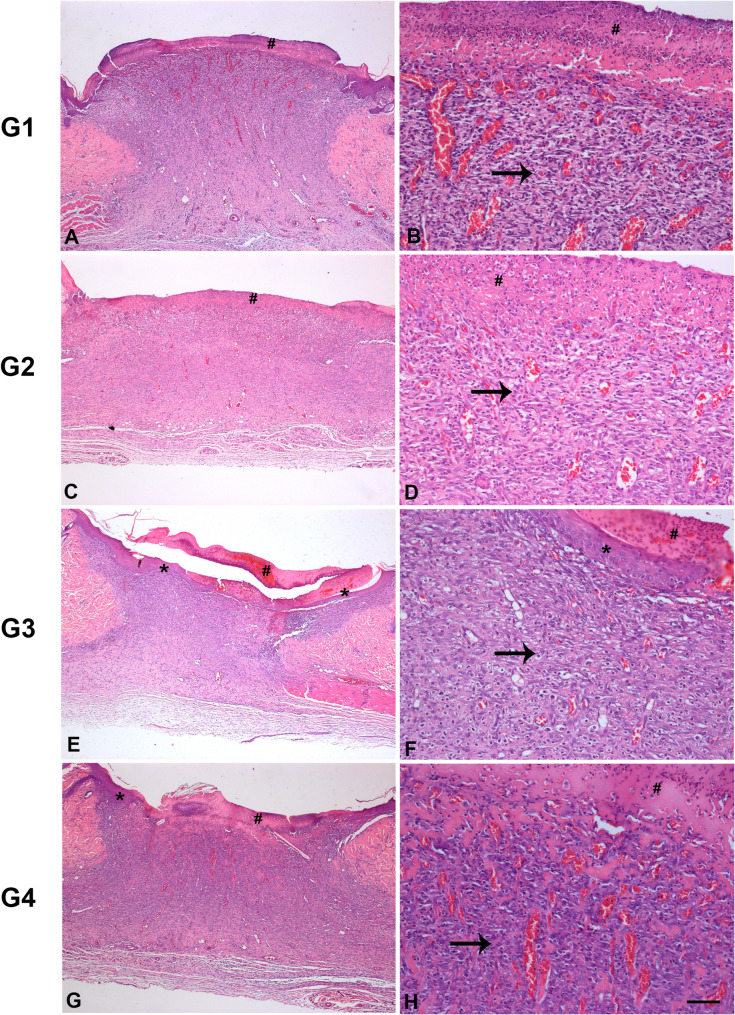 Figure 1
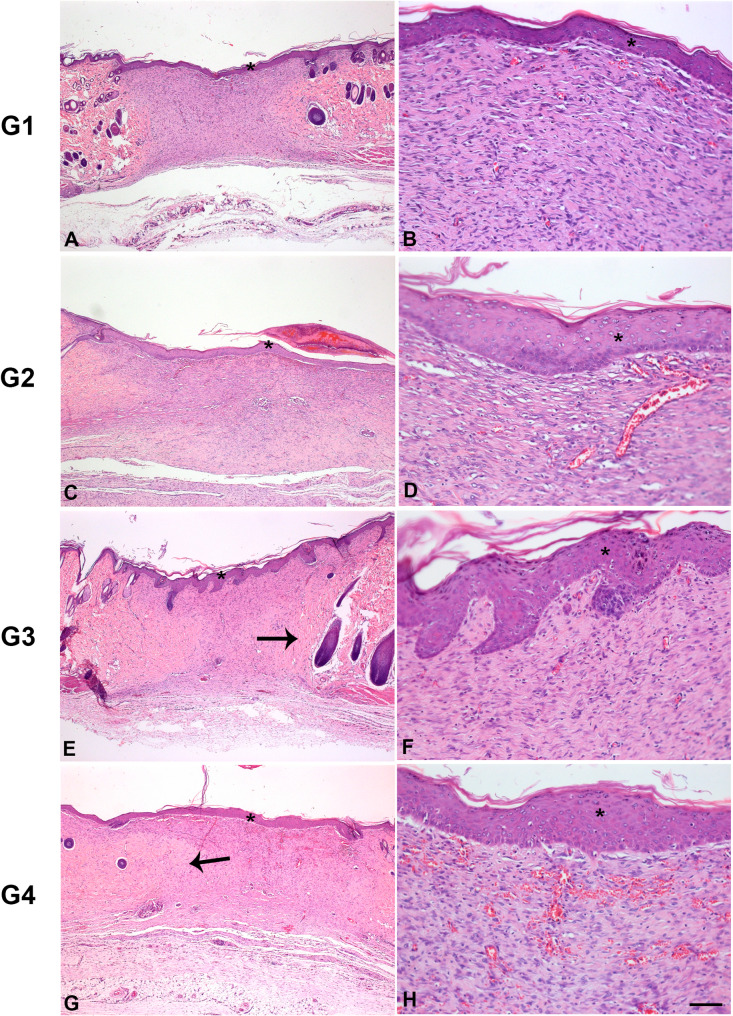 Figure 2
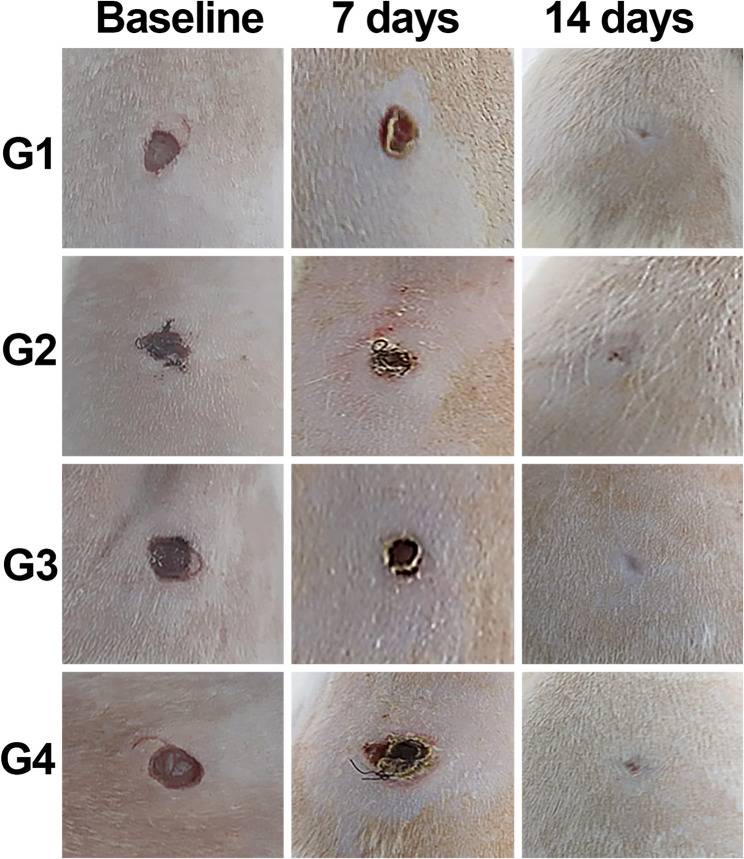 Figure 3
Peer Reviews
No public reviews on file for this paper yet. If you reviewed it on a platform where reviews are public (OpenReview, ICLR, NeurIPS, ICML), you can paste yours below so the community can read it here.
Videos
No videos yet. Explain this paper in a talk, walkthrough, or lecture? Add one.
Taxonomy
TopicsPeriodontal Regeneration and Treatments · Tissue Engineering and Regenerative Medicine · Reconstructive Surgery and Microvascular Techniques