Development of patient-centric conceptual frameworks for symptoms and impacts of ornithine transcarbamylase deficiency (OTCD)
Christina Theodore-Oklota, Ashley O’Mara, Jessica Butler, Shayna Egan, Elizabeth Hribal, Christopher Evans

TL;DR
This study creates patient-focused frameworks to understand the symptoms and impacts of ornithine transcarbamylase deficiency, a rare metabolic disorder, to improve treatment and assessments.
Contribution
The study introduces patient-centric conceptual frameworks for OTCD, capturing symptoms and impacts from patient and caregiver perspectives to guide clinical outcome assessments.
Findings
Common symptom domains include neurocognitive, gastrointestinal, energy-related, and physical symptoms.
Impact domains include diet-related, emotional, physical, sleep, and social problems reported by patients and caregivers.
The frameworks align with FDA guidance for rare disease assessments and highlight the humanistic burden of OTCD.
Abstract
Ornithine transcarbamylase deficiency (OTCD) is a rare hereditary metabolic disorder caused by mutations in the OTC gene. It is the most common urea cycle disorder (UCD), occurring in approximately one in 14,000 births worldwide. As an X-linked enzyme, OTC breaks down citrulline in mitochondria, and pathogenic variant can lead to dangerously high levels of ammonia (hyperammonemia) and glutamine (hyperglutaminemia) in the blood. Symptoms related to hyperammonemia include confusion, vomiting, coma, and cognitive impairments. Current treatments include ammonia scavengers and strict dietary management to limit protein intake. Given the rarity of OTCD and its varied clinical presentation, this study aimed to understand and characterize the burden of disease from the patient and caregiver perspective, develop preliminary symptoms and impacts conceptual frameworks based on the patient…
Genes, proteins, chemicals, diseases, species, mutations and cell lines named across the full text — each resolved to its canonical identifier and authoritative record.
Click any figure to enlarge with its caption.
 Figure 1
 Figure 2
 Figure 3
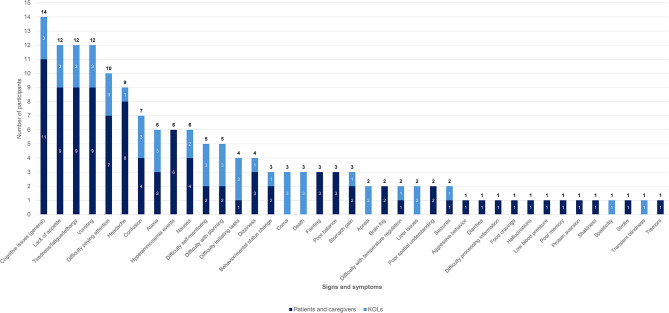 Figure 4
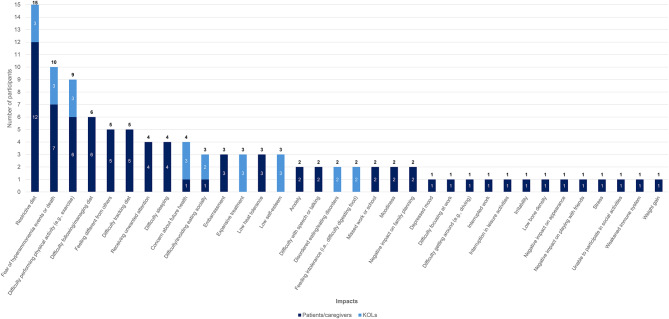 Figure 5
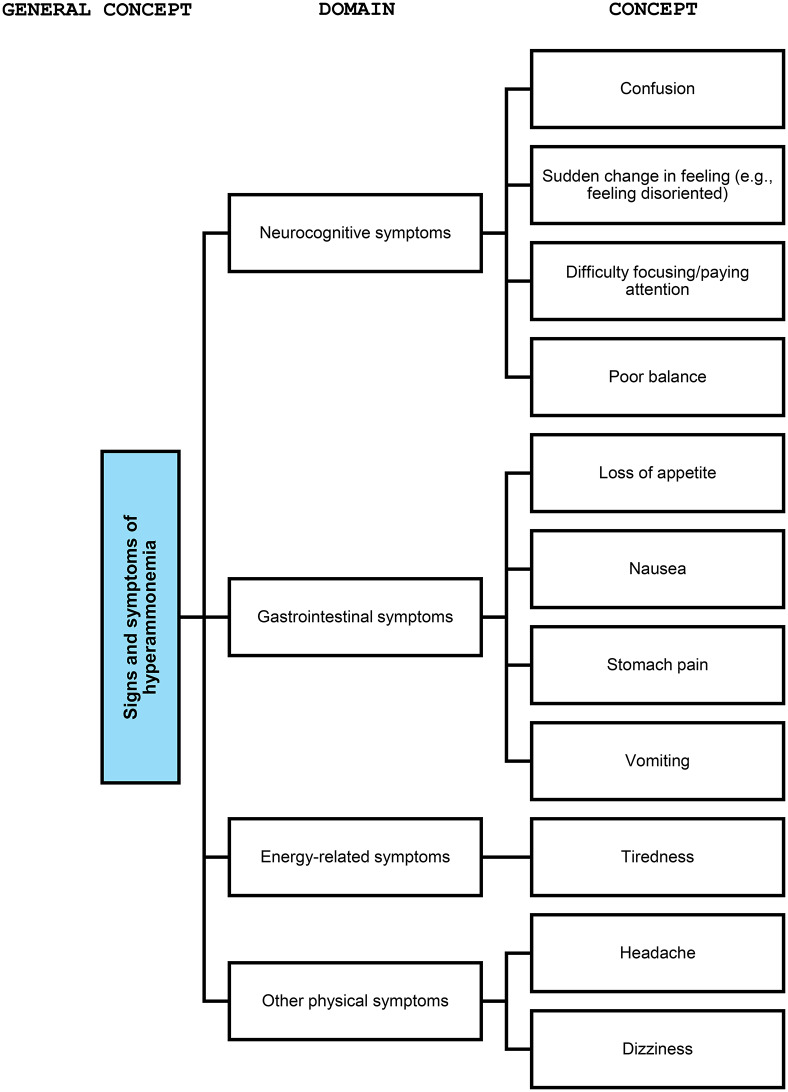 Figure 6
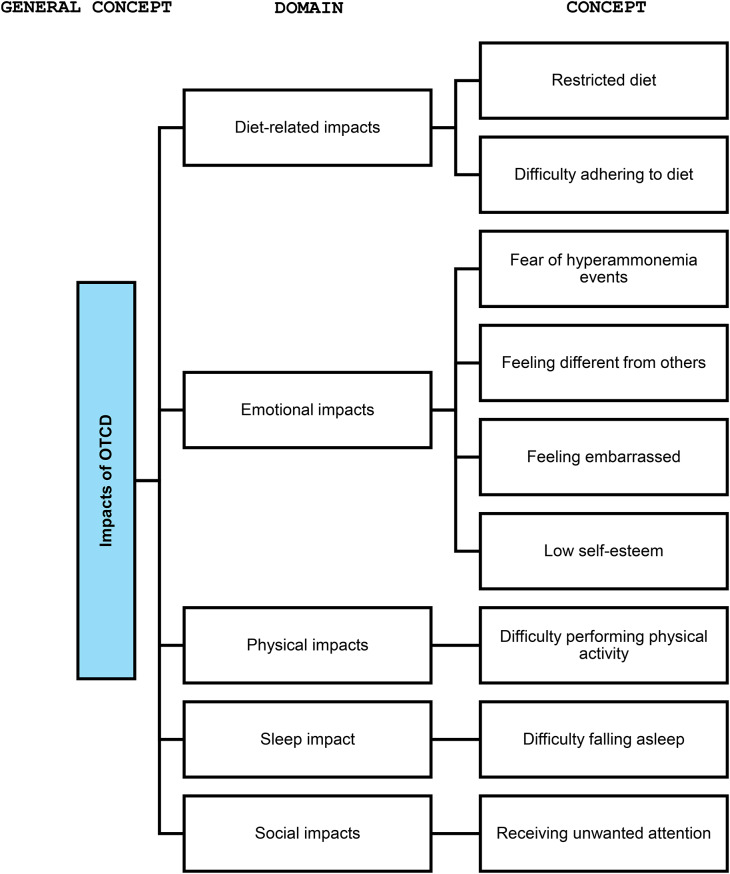 Figure 7
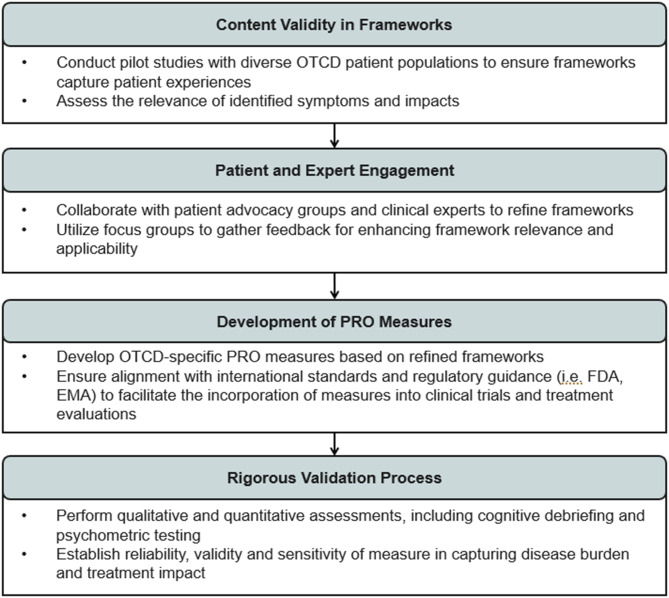 Figure 8
Peer Reviews
No public reviews on file for this paper yet. If you reviewed it on a platform where reviews are public (OpenReview, ICLR, NeurIPS, ICML), you can paste yours below so the community can read it here.
Videos
No videos yet. Explain this paper in a talk, walkthrough, or lecture? Add one.
Taxonomy
TopicsMetabolism and Genetic Disorders · Biochemical and Molecular Research · Neurological and metabolic disorders