The molecular characterization of seven novel GLI family zinc finger 3 (GLI3) variants in Chinese families with limb malformations
Siyuan Tao, Xuyu Gu, Xiaodong Wang, Xiaofang Shen, Xiuli Zhao

TL;DR
This study identifies ten GLI3 gene variants in Chinese families with limb malformations, seven of which are new, expanding the understanding of genetic causes and aiding in genetic counseling.
Contribution
The study reports seven novel GLI3 gene variants associated with limb malformations in Chinese families, expanding the known variant spectrum.
Findings
Ten GLI3 variants were identified in ten Chinese families with limb malformations.
Seven of the identified variants are novel and not previously recorded in the Human Gene Variant Database.
The findings highlight clinical and allelic heterogeneity in GLI3-related limb malformations.
Abstract
GLI family zinc finger 3 (GLI3) is a transcription factor involved in limb development. GLI3 gene variants have been shown to be associated with several human congenital limb malformations, including Greig cephalopolysyndactyly, Pallister–Hall syndrome, non-syndromic postaxial polydactyly (PAP-A/B), and preaxial polydactyly type IV (PPD-IV). The aim of this study was to identify GLI3 gene variants in ten Chinese families with limb malformations. Ten Chinese families with limb malformations were recruited. Variant screening in probands was then performed using NGS, with candidate pathogenic variants verified by polymerase chain reaction (PCR) combined with Sanger DNA sequencing. Variant pathogenicity was evaluated using bioinformatics, evolutionary conservation, and disease and mutant allele co-segregation approaches. The biological effects of missense variants were predicted by…
Genes, proteins, chemicals, diseases, species, mutations and cell lines named across the full text — each resolved to its canonical identifier and authoritative record.
Click any figure to enlarge with its caption.
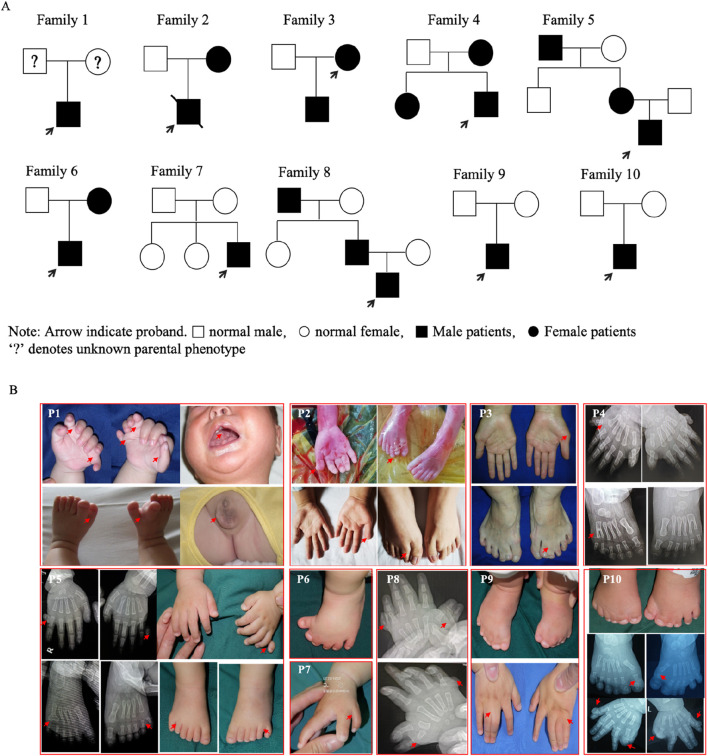 Figure 1
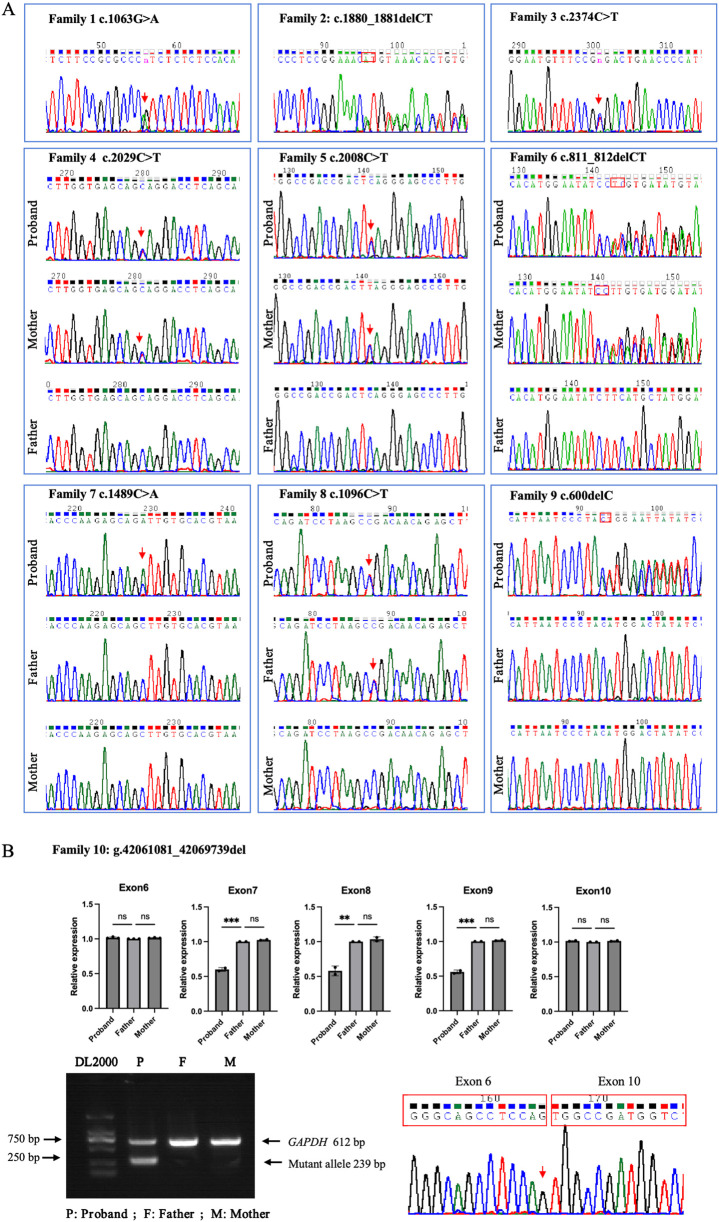 Figure 2
 Figure 3
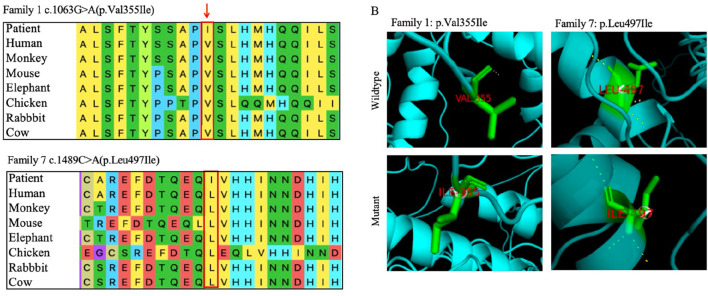 Figure 4
Peer Reviews
No public reviews on file for this paper yet. If you reviewed it on a platform where reviews are public (OpenReview, ICLR, NeurIPS, ICML), you can paste yours below so the community can read it here.
Videos
No videos yet. Explain this paper in a talk, walkthrough, or lecture? Add one.
Taxonomy
TopicsHedgehog Signaling Pathway Studies · Chromatin Remodeling and Cancer · Genomic variations and chromosomal abnormalities