Contribution of the bitter taste signaling pathway to lung inflammation during Staphylococcus aureus-induced pneumonia
Ling-Ling Liu, Feng Li, Meng-Min Zhu, Bo-Wen Niu, Yu Huang, Lixiang Chen, Hua Yang, Boyin Qin, Xiaohui Zhou

TL;DR
This study shows that bitter taste signaling in the lungs helps control inflammation and recovery during Staphylococcus aureus pneumonia.
Contribution
The study genetically establishes the role of bitter taste receptors in modulating immune responses during bacterial lung infection.
Findings
Bitter receptor-deficient mice showed worsened lung lesions and delayed recovery after S. aureus infection.
TAS2R signaling deficiency reduced cytokine and antimicrobial peptide expression in the lungs.
Disruption of bitter signaling impaired mTOR and eNOS pathways, worsening pneumonia outcomes.
Abstract
Bitter taste receptors (TAS2Rs), initially identified for chemosensory roles in the tongue, are expressed in extraoral tissues, including the airways. However, to date, it remains unclear whether bitter signaling is associated with susceptibility to bacterial infection in the lower airways and whether bitter signaling actually participates in the immune response in lung infection has yet to be genetically established. Here, we investigated the role of TAS2R signaling in Staphylococcus aureus-induced murine pneumonia via wild-type (WT) and several mutants (mTas2r104-/-/105-/-, mTas2r105-/-/114-/-, mTas2r104-/-/105-/-/114-/-, Gnat3-/- and Gnat3-/–mTas2r104-/-/105-/-) mice. Genetic disruption of TAS2Rs altered compensatory expression of other bitter receptors in the trachea and lungs, but did not affect immune cell composition in the lungs or thymus. Bitter receptor-deficient mice…
Genes, proteins, chemicals, diseases, species, mutations and cell lines named across the full text — each resolved to its canonical identifier and authoritative record.
Click any figure to enlarge with its caption.
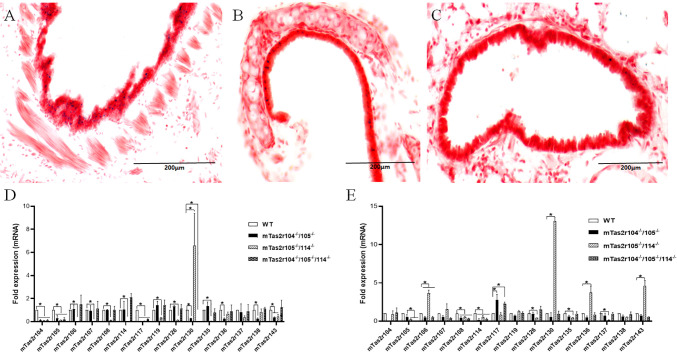 Figure 1
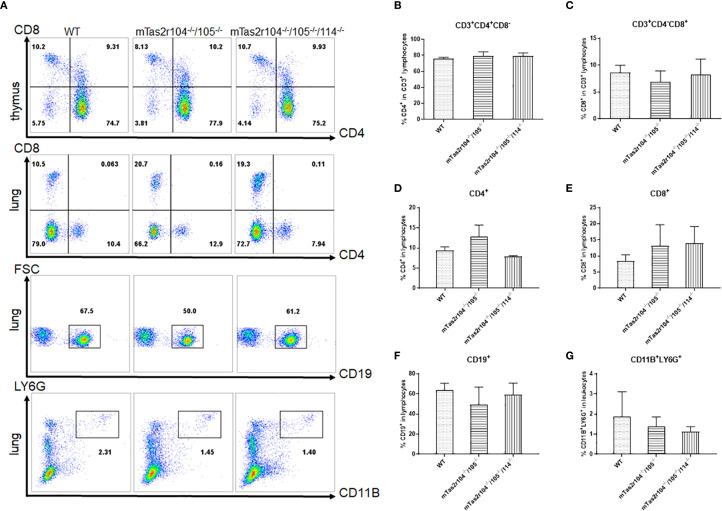 Figure 2
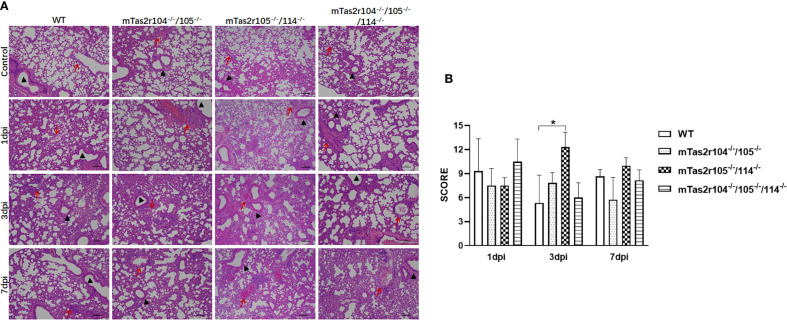 Figure 3
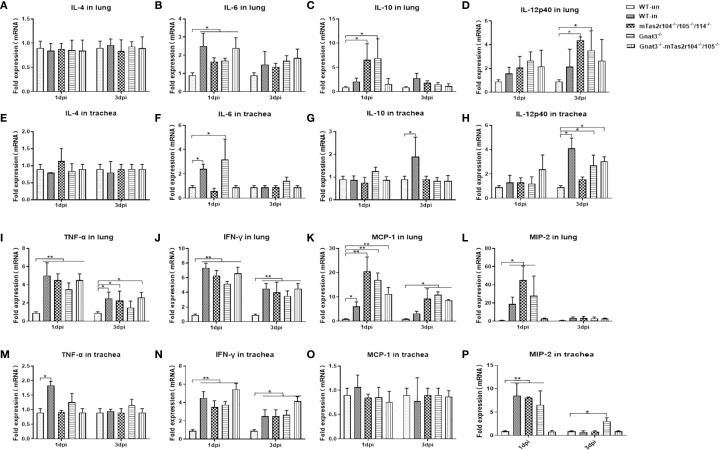 Figure 4
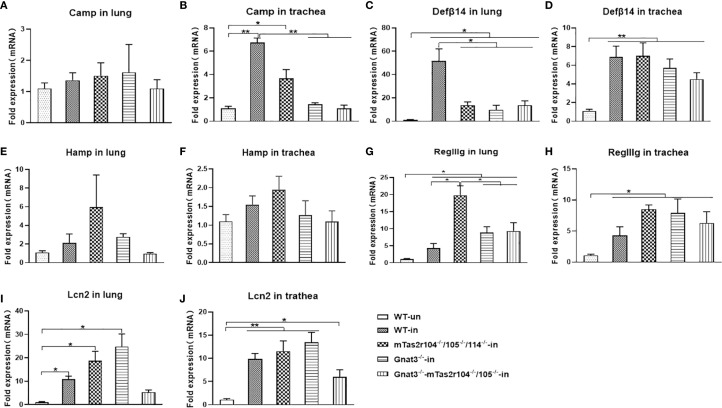 Figure 5
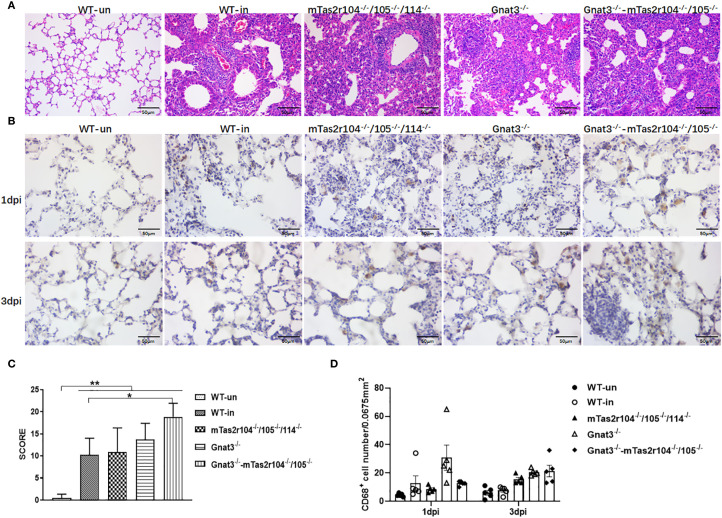 Figure 6
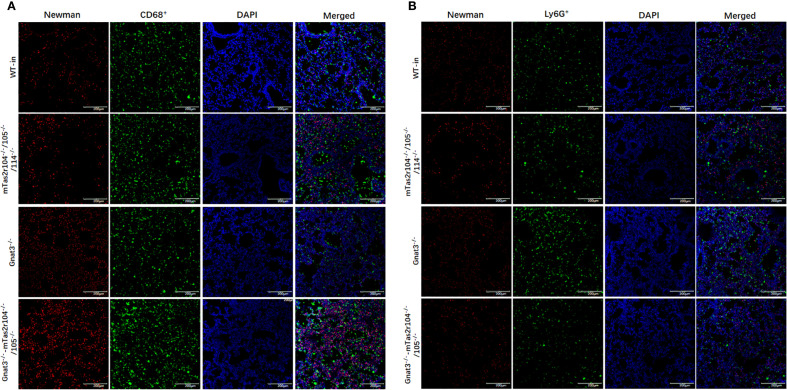 Figure 7
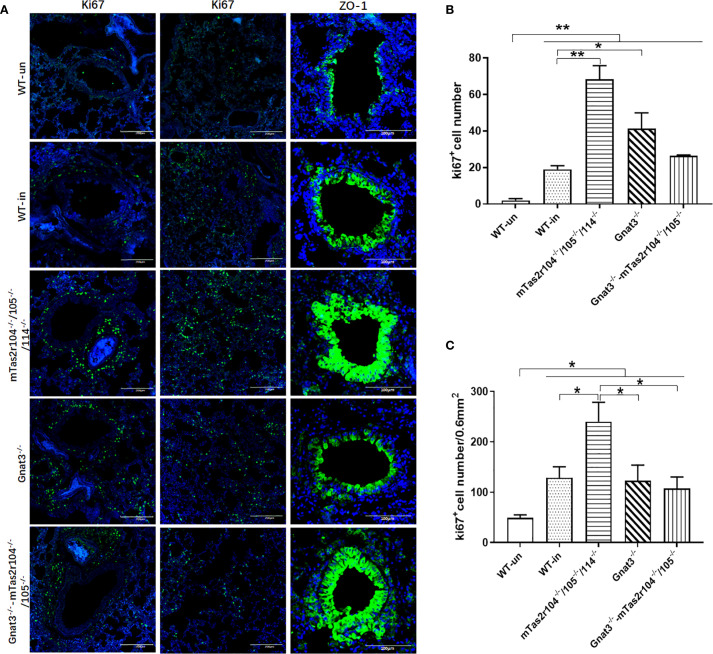 Figure 8
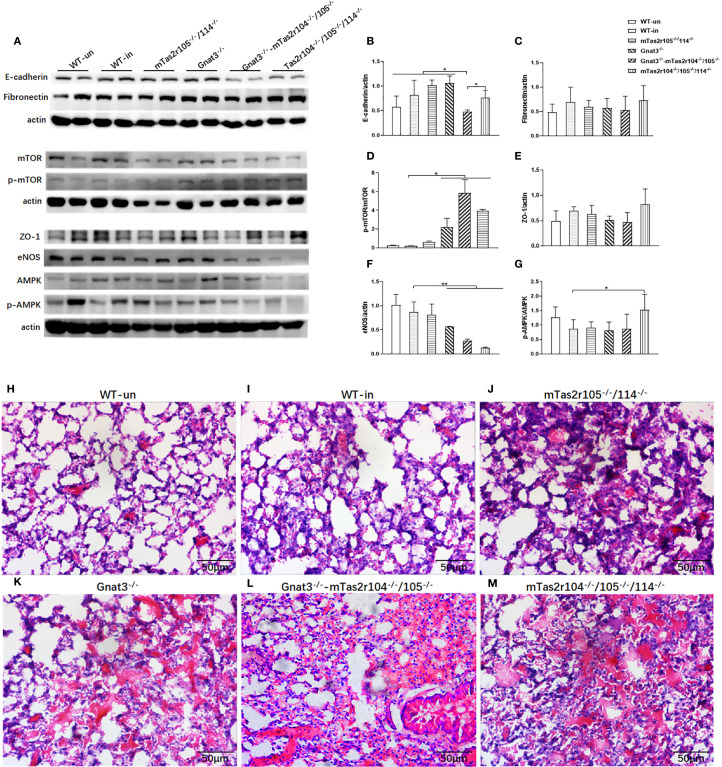 Figure 9
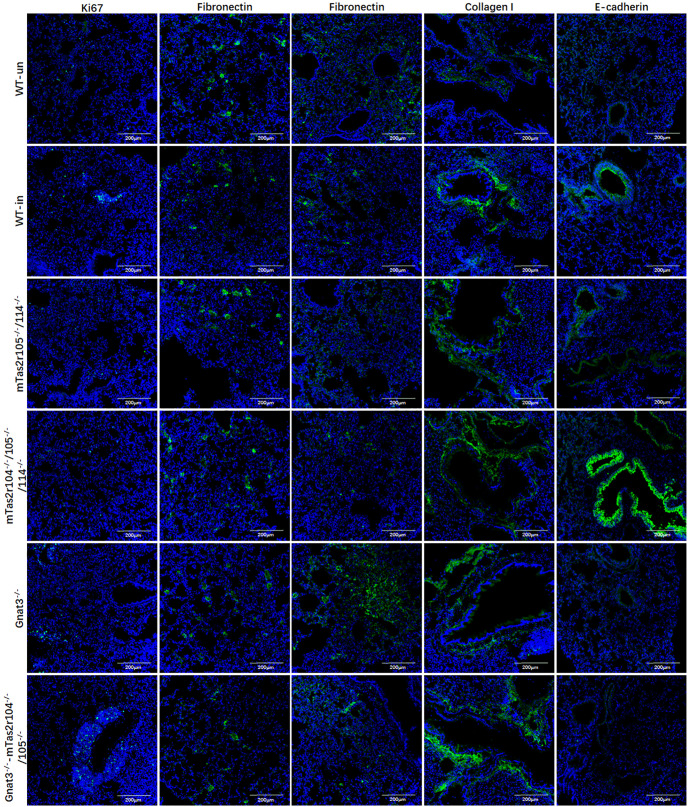 Figure 10
Peer Reviews
No public reviews on file for this paper yet. If you reviewed it on a platform where reviews are public (OpenReview, ICLR, NeurIPS, ICML), you can paste yours below so the community can read it here.
Videos
No videos yet. Explain this paper in a talk, walkthrough, or lecture? Add one.
Taxonomy
TopicsBiochemical Analysis and Sensing Techniques · Advanced Chemical Sensor Technologies · Probiotics and Fermented Foods