Palliative care perceptions and well-being in nurses across healthcare settings: a comparative study from Reggio Emilia, Northern Italy
Chiara Bevini, Riccardo Mazzoli, Vanessa E. Privitera, Mirta Rocchi, Lucia Palandri, Anna Laura Santunione, Tommaso Filippini

TL;DR
This study compares how nurses in different healthcare settings in Italy experience palliative care, highlighting emotional challenges and training needs.
Contribution
The study provides insights into the unique emotional and organizational challenges faced by nurses in home care, hospice, and hospital palliative care settings.
Findings
Most nurses believe new graduates need more training for independent work in hospital and home care.
Home care nurses reported emotional challenges like feeling alone during emergencies and managing sensitive communication.
Many nurses felt emotional support was insufficient, and two-thirds admitted to crying in front of patients.
Abstract
Nurses play a crucial role in palliative care. They are employed across all settings including home care and hospitals, with potential differences in the perception of care, emotional burden and coping strategies. This study aims to explore the experience of nurses within the palliative care network of an Italian province. From January to March 2024, we carried out a tailored survey on nurses from three palliative care settings in Reggio Emilia (Northern Italy), namely home care, hospice and hospital ward. We investigated emotional and occupational experience, knowledge of palliative care and organizational challenges. The study included 39 nurses, nearly 90% of whom female. Of these, 20 worked in hospices, 10 in hospital wards and 9 in home care. In relation to occupational issues, most participants believed that newly-graduated nurses need additional training before working…
Genes, proteins, chemicals, diseases, species, mutations and cell lines named across the full text — each resolved to its canonical identifier and authoritative record.
Click any figure to enlarge with its caption.
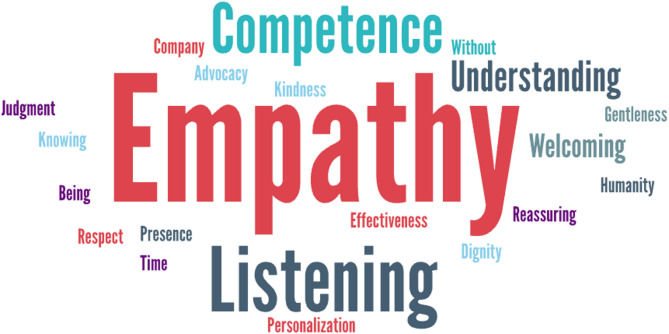 Figure 1
- —http://dx.doi.org/10.13039/100009104Università Degli Studi di Modena e Reggio Emila
Peer Reviews
No public reviews on file for this paper yet. If you reviewed it on a platform where reviews are public (OpenReview, ICLR, NeurIPS, ICML), you can paste yours below so the community can read it here.
Videos
No videos yet. Explain this paper in a talk, walkthrough, or lecture? Add one.
Taxonomy
TopicsPalliative Care and End-of-Life Issues · Family and Patient Care in Intensive Care Units · Patient Dignity and Privacy
Background
Palliative care originally dates back to the work of physician, nurse and several other health care professionals since the 1960 s [1, 2], and it has evolved significantly in concept, scope and timing of intervention [3]. Uncertainty in the definition of palliative care, however, has generated insecurity among healthcare workers and policymakers [4]. Initially defined by the World Health Organization (WHO) in 1990 as care for patients with incurable diseases [5], it has since expanded firstly to life-threatening conditions from a public health perspective [6] and later to all health-related suffering across ages. This shift is reflected by the International Association for Hospice and Palliative Care (IAHPC), which stresses the need for holistic care to improve quality of life for patients suffering from severe illness, especially of those near the end of life, their families and caregivers [7].
Italy introduced regulatory provisions to guarantee access to palliative care and pain therapy in all care settings with Law 38/2010, providing an individual care plan for the patient and the family. This aimed at guaranteeing dignity and autonomy, protection and promotion of quality of life and adequate health and social welfare support. Different models were defined and Networks of Palliative Care services have been implemented to ensure continuity of care [8].
Local Palliative Care Networks are an essential feature of effective palliative care in that these allow for collaboration among hospitals, homes and hospices [9]. Nurses play a pivotal role in these networks, where they liaise with other healthcare professionals, patients and families [10]. Their specialized competence, outlined in documents such as the Italian Palliative Nursing Core Competence [8] and European Palliative Care framework [11], includes ethical, clinical, communication, psychosocial and teamwork skills.
Many studies have investigated the role of nurses in palliative care. Almost all of them focus primarily on home care, followed by other settings such as hospitals [12]. Nurses working in palliative care are almost constantly exposed to difficult situations, death and feelings of emotional conflict, with studies indicating a high incidence of burnout, estimated between 24% and 30% [13]. Despite these challenges, the collaborative nature of palliative care, involving general practitioners (GPs), specialists and other nurses, fosters steady relationships that make it both exhausting and fulfilling [14].
Given the complexity of palliative care and the different care settings, this study aims to explore nurses’ diverse experiences across hospice, home care and hospital ward in Reggio Emilia (Northern Italy), in order to describe the specific challenges faced by palliative care nursing in different settings, to identify their coping strategies, and to address and prevent discomfort associated with the work environment.
Methods
Study objective, population and settings
We conducted our investigation between January and March 2024 in three settings from the Palliative Care Network of the Reggio Emilia province.
In order to assess emotional challenges, coping mechanisms, and perspectives from palliative care nurses, we implemented a tailored survey to identify potential differences among professionals working in hospices, home care and hospital ward. More specifically, we interviewed nurses from three settings: (i) two home nursing services, located in Scandiano and Reggio Emilia, both specialized in palliative care oncology; (ii) two hospital wards (Oncological Medicine and Hematology), both at the Oncological and Hematological Center (CORE) in Reggio Emilia; (iii) two hospices, namely ‘Casa Madonna dell’Uliveto’ and ‘Guastalla Hospice’, in Albinea and Guastalla.
All the participants were nurses working exclusively in one of the palliative care facilities/network in outpatient and inpatient care, with no concurrent or rotational duties across the different settings during the study period. No nursing students, auxiliary staff, or non-licensed personnel were included.
Data collection
The study team including nurses, physicians and researchers in palliative care, health education and public health designed a questionnaire comprising 20 multiple-choice questions. Of these, three were subdivided into additional sub-questions. Moreover, the questionnaire included two open-ended questions. Each question addressed a specific aspect through a five-point Likert scale: emotional experience of healthcare providers; occupational experience and day-to-day activities; knowledge of medical and palliative care, and their importance in different care settings; and challenges in organization and training. Furthermore, we collected some demographical variables including gender, age, work role and years of service. Full questionnaire is reported in Supplementary methods.
The questionnaire was implemented through the Google Forms platform (Google LLC), and was lawfully distributed via email to nursing coordinators from the selected study settings, who then forwarded it to staff members. Participants completed the form anonymously to ensure impartiality and seek honest feedback. In addition, in order to guarantee participants’ privacy and prevent identification of study subjects in light of the low number of professionals in some settings, we collected aggregated data about participants’ demographic variables. In more detail, we categorized age into five-year groups in order to avoid personal identification of participants. All participants provided the consent to participate before the completion of the questionnaire. Approval from the Ethics Committee was waived due to the use of entirely anonymous and aggregated data according to Italian law and guidelines from the Emilia Romagna Region (PG/2020/220858 of March 13, 2020) [15]. Out of 63 nurses working in hospice (N = 28), home care (N = 11), and hospital ward (N = 24) respectively, we gathered 39 questionnaires with an overall response rate of 61.9%, higher in home care (90.9%), followed by hospice (71.4%) and hospital ward (37.5%).
Data analysis
We carried out a descriptive evaluation of data collected using absolute and relative frequencies, calculated as percentages across the entire sample and stratified by workplace setting, to describe and compare healthcare professionals’ responses. Data analysis was conducted using the statistical package Stata-18.0 (Stata Corp., College Station, TX, USA, 2023). We conducted a content analysis of open-ended responses identifying recurrent words and expressions, and categorizing them into conceptual domains relevant to palliative care practice.
Results
Table 1 shows the socio-demographic characteristics of the study participants. The majority of respondents worked in hospices (n = 20). Female nurses amounted to nearly 90% of the sample, with male respondents working exclusively in hospice care. The predominant age groups were 25–35 and 45–55 years, while the years of service were equally distributed across settings.
Table 1. Socio-demographic and work-related characteristics of study participantsHospiceHome careHospital wardTotalN (%)N (%)N (%)N (%)All participants20 (51.3)10 (25.6)9 (23.1)30 (100)GenderFemales16 (41.0)10 (25.6)9 (23.1)35 (89.7)Males4 (10.3)0 (0.0)0 (0.0)4 (10.3)Age (years)25–355 (12.8)3 (7.7)5 (12.8)13 (33.3)35–455 (12.8)1 (2.6)3 (7.7)9 (23.1)45–559 (23.1)5 (12.8)1 (2.6)15 (38.5)> 551 (2.6)1 (2.6)0 (0.0)2 (5.1)Years of service< 55 (12.8)3 (7.7)2 (5.1)10 (25.6)5–104 (10.3)0 (0.0)6 (15.4)10 (25.6)10–205 (12.8)4 (10.3)1 (2.3)10 (25.6)> 206 (15.4)3 (7.7)0 (0.0)9 (23.1)
With regards to the nurses’ opinion about palliative care work (Table 2), an overwhelming majority (87.2%) believed that newly-graduated hospital nurses should not work independently in palliative care. This opinion was consistent across all settings, with hospice nurses being the most skeptical. Similarly, there was a clear consensus (94.9%) that additional experience or training is required before newly-graduated home care palliative nurses can work independently. The vast majority (94.9%) of nurses across all settings believed that their departments or sectors had sufficient resources to deliver effective levels of care. Moreover, most nurses (84.6%) stated that home care can met palliative care demands, although a minority of hospice nurses (12.8%) disagreed.
Table 2. Nurses’ opinions on the ability to work independently, resource adequacy, and capacity to meet demands in palliative careHospiceHome careHospital wardTotalN (%)N (%)N (%)N (%)Independent work in hospital for newly-graduated nursesNo19 (48.7)8 (20.5)7 (17.9)34 (87.2)Yes1 (2.6)2 (5.1)2 (5.13)5 (12.8)Independent work in home care for newly-graduated nursesNo20 (51.3)9 (23.1)8 (20.5)37 (94.9)Yes0 (0.0)1 (2.6)1 (2.6)2 (5.1)Availability of sufficient resourcesNo0 (0.0)1 (2.6)1 (2.6)2 (5.1)Yes20 (51.3)9 (23.1)8 (20.5)37 (94.9)Suitability of home care for palliative careNo5 (12.8)0 (0.0)1 (2.6)6 (15.4)Yes15 (38.5)10 (20.6)8 (20.5)33 (84.6)
Nurses’ answers with regard to professional opinions and self-assessment of training are presented in Table 3. In detail, half of them believed that home nursing care and joint access to palliative care physicians and GPs were not sufficient to assist patients at the end of life. Hospice nurses were the most skeptical, while hospital nurses were more optimistic. On the other hand, there was a strong consensus (84.6%) that palliative care should be proposed in the initial phase, alongside active treatment. Nearly all nurses (92.3%) thought that supporting patients’ families is very challenging, while the remaining nurses found it moderately challenging. Nonetheless, most nurses (86.8%) reported feeling adequately prepared to communicate with patients and their families about approaching death, although a small percentage (13.2%) felt they were not. Nurses had mixed opinions on adequate training in clinical practice, with nearly half of them feeling ‘sufficiently trained’, and the other half ‘somewhat trained’. The majority of participants (51.3%) felt moderately prepared to communication, while a smaller group (33.3%) felt fully prepared. When considering palliative care as a career path, the majority (79.5%) of respondents believed it to be a suitable career choice, while a minority (20.5%) feel a degree of uncertainty. It is worth noting that none of the participants thought that the career did not suit them.
Table 3. Nurses’ professional opinions and self-assessed training/preparationHospiceHome careHospital wardTotalN (%)N (%)N (%)N (%)Adequacy of home nursing care and joint access to palliative care physicians and general practitionersNo12 (30.8)5 (12.8)3 (7.7)20 (51.3)Yes8 (20.5)5 (12.8)6 (15.4)19 (48.7)Appropriate stage to propose palliative careEarly stage with active treatment18 (46.2)8 (20.5)7 (17.9)33 (84.6)When active treatments are no longer effective2 (5.1)2 (5.1)2 (5.1)6 (15.4)Terminal phaseof the disease0 (0.0)0 (0.0)0 (0.0)0 (0.0)Difficulty in assisting the patient’s familyNot at all0 (0.0)0 (0.0)0 (0.0)0 (0.0)A little0 (0.0)0 (0.0)0 (0.0)0 (0.0)Somewhat1 (2.6)0 (0.0)2 (5.1)3 (7.7)Much19 (48.7)9 (23.1)7 (17.9)35 (89.7)A great deal0 (0.0)1 (2.6)0 (0.0)1 (2.6)Preparedness to communicate approaching death to patient and familyNo1 (2.6)1 (2.6)3 (7.9)5 (13.2)Yes19 (50.0)8 (21.1)6 (15.8)33 (86.8)Adequate training in clinical practiceStrongly disagree0 (0.0)0 (0.0)0 (0.0)0 (0.0)Disagree0 (0.0)1 (2.6)0 (0.0)1 (2.6)Agree9 (23.1)6 (15.4)4 (10.3)19 (48.7)Strongly agree11 (28.2)3 (7.7)5 (12.8)19 (48.7)Adequate training in communicationStrongly disagree0 (0.0)0 (0.0)0 (0.0)0 (0.0)Disagree3 (7.7)2 (5.1)1 (2.6)6 (15.4)Agree8 (20.5)7 (17.9)5 (12.8)20 (51.3)Strongly agree9 (23.1)1 (2.6)3 (7.7)13 (33.3)Palliative care as the right career fitDisagree0 (0.0)0 (0.0)0 (0.0)0 (0.0)Unsure2 (5.1)3 (7.6)3 (7.7)8 (20.5)Agree18 (46.2)7 (17.9)6 (15.4)31 (79.5)
Table 4 shows the responses related to emotional demands of nurses working in palliative care services. Most nurses (56.4%) felt a significant amount of responsibility when starting palliative sedation, with hospice nurses reporting this feeling the most, while another substantial portion (30.8%) acknowledged a moderate level of responsibility. The majority of nurses (87.2%) reported that they managed to remain calm during their first palliative emergency. This is the case despite the fact that two-thirds (66.7%) of nurses stated they have felt alone in stressful situations, with home care nurses most likely to experience isolation. A large majority (87.2%) have experienced excessive involvement, with a high percentage of nurses (66.7%) confessing to having cried in front of patients. With regards to psychological support, a majority (61.5%) reported receiving adequate psychological help from their institution, while a sizeable minority (35.9%) did not. Most nurses (41.0%) reported feeling mentally tired at the end of their shifts. In particular, 35.9% felt both physically and mentally tired, while home care nurses were more likely to report mental fatigue.
Table 4. Nurses’ emotional involvement and emotional burdenHospiceHome careHospital wardTotalN (%)N (%)N (%)N (%)Level of responsibility when administering palliative sedationNot at all0 (0.0)0 (0.0)0 (0.0)0 (0.0)A little3 (7.7)2 (5.1)0 (0.0)5 (12.8)Some6 (15.4)4 (10.3)2 (5.1)12 (30.8)Much11 (28.2)4 (10.3)7 (17.9)22 (56.4)A great deal0 (0.0)0 (0.0)0 (0.0)0 (0.0)Composure during the first palliative emergencyNo2 (5.1)0 (0.0)1 (2.6)3 (7.7)Not yet experienced0 (0.0)1 (2.6)1 (2.6)2 (5.1)Yes18 (46.2)9 (23.1)7 (17.9)34 (87.2)Experience of excessive involvement (e.g., feeling that what happened to the patient could happen to you or your loved ones)No3 (7.7)1 (2.6)1 (2.6)5 (12.8)Yes17 (43.6)9 (23.1)8 (20.5)34 (87.2)Loneliness in dealing with a delicate situationNo9 (23.1)0 (0.0)4 (10.3)13 (33.3)Yes11 (28.2)10 (25.6)5 (12.8)26 (66.7)Instances of crying (for any reason) in front of a patientNo4 (10.3)5 (12.8)4 (10.3)13 (33.3)Yes16 (41.0)5 (12.8)5 (12.8)26 (66.7)Adequate and specific psychological support provided by institutionsNo4 (10.3)6 (15.4)4 (10.3)14 (35.9)Yes15 (38.5)4 (10.3)5 (12.8)24 (61.5)Not reported1 (2.6)0 (0.0)0 (0.0)1 (2.6)State of tiredness at the end of workdaysPhysically and mentally10 (25.6)1 (2.6)3 (7.7)14 (35.9)Physically only3 (7.7)1 (2.6)2 (5.1)6 (15.4)Mentally only5 (12.8)7 (17.9)4 (10.3)16 (41.0)Not particularly2 (5.1)1 (2.6)0 (0.0)3 (7.7)
Table 5 provides insights into nurses’ experiences of patients’ end-of-life. The vast majority of nurses (94.9%) across all settings witnessed patients’ deaths, with only one nurse in home care and one in a hospital ward reporting otherwise. Most nurses (41.0%) frequently handle imminent end-of-life scenarios alongside colleagues (‘always’ and ‘often’). This was especially evident among hospice nurses (28.2%), while it is less common among home care nurses. Every nurse reports having acknowledged the patient’s preference for their place of death. Nearly all (97.4%) encountered cases where caregivers opposed the patient’s preference, while a large portion (64.1%) observed instances of doctors overruling the patient’s decision. Many nurses (69.2%), especially those in hospice settings, reported instances where the patient’s dignity was not respected during end-of-life care. A substantial proportion of nurses (64.1%) noted occasions where optimal pain control was not consistently guaranteed. This trend can be seen for both hospice and home care nurses, while it is notable that five in nine hospital nurses stated that pain management was consistently provided.
Table 5. Nurses’ experience of patients’ death, challenges and ethical considerationsHospiceHome careHospital wardTotalN (%)N (%)N (%)N (%)Witnessing patients dyingNo0 (0.0)1 (2.6)1 (2.6)2 (5.1)Yes20 (51.3)9 (23.1)8 (20.5)37 (94.9)Managing a patient’s imminent end of life with colleagues (nurses, assistants, physicians) presentAlways11 (28.2)1 (2.6)4 (10.3)16 (41.0)Often6 (15.4)0 (0.0)3 (7.7)9 (23.1)Sometimes3 (7.7)7 (17.9)2 (5.1)12 (30.8)Rarely0 (0.0)2 (5.1)0 (0.0)2 (5.1)Respect of the patient’s preference for their place of death (e.g., home, hospice)No0 (0.0)0 (0.0)0 (0.0)0 (0.0)Yes20 (51.3)10 (25.6)9 (23.1)39 (100)Caregivers opposition to the patient’s choice of place of deathNo0 (0.0)1 (2.6)0 (0.0)1 (2.6)Yes20 (51.3)9 (23.1)9 (23.1)38 (97.4)Doctors overruling the patient’s choice of place of deathNo8 (20.5)2 (5.1)4 (10.3)14 (35.9)Yes12 (30.8)8 (20.5)5 (12.8)25 (64.1)Instances of compromised patient dignity during end-of-life careNo4 (10.3)4 (10.3)4 (10.3)12 (30.8)Yes16 (41.0)6 (15.4)5 (12.8)27 (69.2)Consistency in achieving maximum and adequate pain control across all care settingsNo14 (35.9)7 (17.9)4 (10.3)25 (64.1)Yes6 (15.4)3 (7.7)5 (12.8)14 (35.9)
When asked about essential attributes of palliative care nurses, common themes emerge: empathy and compassion, presence, communication and listening skills, and competence (Fig. 1 and Supplementary Table S1).
Fig. 1. Word cloud created from asking nurses to describe palliative care in one word
Discussion
The findings from our study provide an overview of hospice, home care and hospital ward palliative care nurses’ perceptions and opinions. There was consensus that newly-graduated nurses in both hospital and home care settings needed additional experience or training before working independently in palliative care. Consistently with our findings, a review [16] highlighted the importance of professional support for these nurses, especially when undergoing strong emotional experiences such as patient’s death. Other studies [17] found that newly-graduated nurses gained confidence when supervised and supported by experienced nurses.
Despite challenges, most participants believed their departments had enough resources for effective palliative care, and that home care could meet palliative care needs. This perception was consistent across various settings, despite most respondents not being home care workers. This result is in keeping with a study conducted in The Netherlands, which also reported high ratings for home palliative care [18]. However, other studies indicated insufficient personnel [19] and time constraints [20], suggesting variability in resource allocation and perception in different settings.
In terms of joint access to palliative care physicians and GPs, half of the nurses in our sample questioned its adequacy, with hospice nurses as the most skeptical and hospital nurses having a more optimistic outlook. The divided opinions on home nursing care and the joint access model reflect ongoing debates about optimal palliative care delivery, which varies widely in structure and effectiveness [21, 22]. Literature supports collaborative approaches involving palliative care specialists, GPs and nursing services for improved patient outcomes and satisfaction [23–26].
Despite differing opinions on joint access, most participants (84.6%) agreed on early integration of palliative care combined with active treatment. This is strongly supported by evidence, as it is shown to: improve patient quality of life and survival [27, 28], facilitate symptom control, increase patient’s and family’s satisfaction, and align with patient preferences [29].
While most nurses feel clinically trained to discuss death, a vast majority (92.3%) found supporting the patient’s family to be exceedingly challenging. This emphasizes the emotional demands of end-of-life care. Recent literature highlights the importance of effective communication and structured training programs, as these can improve healthcare professionals’ ability to conduct end-of-life conversations [30, 31]. Regular meetings, group debriefings, role-playing, simulations and experience sharing can help overcome perceived limitations. Integrating these practices into Italian palliative care nurse training can improve communication with patients and families and reduce healthcare providers’ mental strain.
A large portion of respondents had reservations about their career choice in palliative care, which may be an indicator of burnout. It is well documented that high burnout levels are associated with drop out of professionals from the field [32–35]. Most studies on this issue focus on institutional and non-home-based settings, while research in home care settings specifically found that supportive environments lead to lower burnout and better nurse retention [32]. Studies showed that home care nurses have frequent contact with colleagues, patients and caregivers, while hospital workers reported less colleague and psychosocial support. Nurses in both settings, however, face similar burnout risks [36, 37]. This chimes with our data, where a third of hospital ward nurses felt less committed to continuing their work in palliative care, however generally satisfied with their career choice.
The responsibility reported by all nurses during palliative sedation reflects the ethical and emotional weight of these decisions [38]. Emotional involvement is well-documented [39–42] and can lead to emotional exhaustion [40] and “compassion fatigue” [41, 42], a term specifically referring to the weariness experienced by caregivers constantly exposed to situations of suffering and terminality. While most participants received adequate emotional support, our study suggested that this support may not be universally provided or sufficient.
Our study found that hospice nurses reported higher physical and mental fatigue, possibly due to heavy workloads from personal hygiene assistance, patient mobilization, night shifts and frequent meetings. On the other hand, home care nurses primarily reported mental fatigue, mainly due to isolation, terminal symptoms and emergency management, and communication with patients and caregivers often unprepared for an unfavorable diagnosis [43]. Furthermore, unlike in hospice and hospital, there was no arrangement for a health and social care assistant to work with the home nursing care network. Our findings are consistent with Petean et al. (2016), who showed that home care nurses face more ethical dilemmas and carry more emotional burdens associated with patient deaths than hospital nurses, and they needed more support including bioethicists and psycho-oncologists within the multidisciplinary team [43]. Most nurses in our sample frequently manage end-of-life scenarios with colleagues, particularly in hospice settings, which is considered to be essential [44, 45]. When included in the interdisciplinary team, psycho-oncologists provide psychotherapeutic interventions to patients and healthcare workers to manage emotional distress, existential issues, and adjustment challenges [46, 47]. In particular, psycho-oncologists may help other interdisciplinary team members who are distressed about discussing death [48]. They may provide a guidance to assess patient readiness and preferences for conversations about end-of-life, and to allow for an open conversation about death within these boundaries [46]. Bioethicists are helpful navigate complex ethical dilemmas, such as end-of-life decision-making, patient rights, and informed consent, to ensure respectful, person-centered care that aligns with patient values. Several studies emphasized the relevance of specific approaches, like spiritual care interventions [49–51].
All nurses gave due consideration to patients’ preference for their place of death. Nearly all encountered caregiver opposition to patients’ choices and many observed doctors overruling patient decisions, especially in hospice settings. In light of the paramount and renowned importance of patient choice [52–54], this poses ethical questions about respecting patient autonomy and participation in decision-making. Reported lapses in pain control indicate gaps in achieving consistent, high-quality palliative care [55].
When asked for a key quality of palliative care nurses, the majority of our sample mentioned “empathy”, followed by an “ability to listen” and “competence”. Treglia et al. (2020) [56] argued that empathy is a skill that needs to be sharpened in that it leads to better outcomes and patient satisfaction. Training and emotional support for healthcare professionals should therefore be encouraged. Additionally, empathy between practitioners and patients reduces pain perception and increases pain control, as demonstrated in a study [57].
Strengths and limitations
The strengths in our research include comparing nurses’ perceptions from different settings, namely hospices, home care and hospital ward, with responses from almost all Palliative Care Network settings from the province of Reggio Emilia. However, this may limit the scope for broader generalization from our findings. To begin with, the relatively small sample size limited the identification of some differences across the investigated domains. In addition, a predominance of female participants restricted gender-based analysis. Moreover, self-report data collection suggests that caution should be used in interpreting results. Future research could extend similar questionnaires to palliative care physicians or evaluate interventions for preventing burnout and emotional stress in palliative care workers.
Conclusion
The collected data highlights the challenges faced by palliative care nursing in different settings. Management of emotions, effective communication strategies and optimal clinical training are the areas that require greater support, especially in home care setting. We also highlighted the need for additional staff including bioethicists and psycho-oncologists to assist multidisciplinary teams in managing emergencies and enhancing quality of care. Such support is essential to reducing the risk of emotional stress and facilitating discussion of the ethical dilemmas faced by healthcare providers when assisting individuals in the final stages of life.
Supplementary Information
Supplementary material 1.
The reference list from the paper itself. Each links out to its DOI / PubMed record.
- 1Core Palliative Care Research Competencies Framework. for Palliative Care Clinicians [https://eapcnet.eu/eapc-publications/]10.1089/jpm.2023.039938010819 · doi ↗ · pubmed ↗
- 2Gomez-Urquiza JL, Albendin-Garcia L, Velando-Soriano A, Ortega-Campos E, Ramirez-Baena L, Membrive-Jimenez MJ, Suleiman-Martos N. Burnout in palliative care Nurses, prevalence and risk factors: A systematic review with Meta-Analysis. Int J Environ Res Public Health. 2020;17(20):7672.10.3390/ijerph 17207672 PMC 758942633096682 · doi ↗ · pubmed ↗
- 3Hughes MC, Vernon E, Hainstock A. The effectiveness of community-based palliative care programme components: a systematic review. Age Ageing 2023;52(9):afad 175.10.1093/ageing/afad 175PMC 1051764737740895 · doi ↗ · pubmed ↗
- 4Bassi I, Pastorello S, Guerrieri A, Giancotti G, Cuomo AM, Rizzelli C, Coppola M, Valenti D, Nava S. Early palliative care program in idiopathic pulmonary fibrosis patients favors at-home and hospice deaths, reduces unplanned medical visits, and prolongs survival: A pilot study. Eur J Intern Med 2024;28:81–86.10.1016/j.ejim.2024.05.02438789287 · doi ↗ · pubmed ↗