A bibliometric analysis of the top 100 most cited articles on pineal parenchymal tumors worldwide
Alaa Samkari, Abdulaziz Hamzah, Badr Hafiz, Fayez Alshehri, Anfal Aman Felimban, Tarfah Bassam Albedaiwi, Obada Ahmad Banjar, Abdullah Bandar Alsharif, Hani Mahboob

TL;DR
This study analyzed the 100 most cited papers on rare pineal tumors to identify research trends and highlight gaps in clinical and surgical research.
Contribution
This is the first bibliometric analysis focused specifically on pineal parenchymal tumors, revealing research trends and gaps.
Findings
Histopathology was the most studied category in the top-cited articles.
Most articles were published between 2000 and 2010, primarily from the United States.
Significant gaps exist in clinical studies, surgical management, and patient outcomes research.
Abstract
Pineal parenchymal tumors are rare central nervous system neoplasms, accounting for less than 1 % of all CNS tumors. We conducted a bibliometric analysis of the 100 most cited articles on pineal parenchymal tumors to identify research trends and highlight influential contributions. Tumor types analyzed included pineocytoma, pineal parenchymal tumor of intermediate differentiation (PPTID), pineoblastoma, and papillary tumor of the pineal region (PTPR), along with the recently classified desmoplastic myxoid tumor, SMARCB1-mutant. To our knowledge, this is the first bibliometric analysis dedicated to pineal parenchymal tumors. Articles were identified through the Web of Science database without time restriction, screened by title, keyword, and abstract. Tumor categorization followed the WHO 5th edition for CNS tumors. Articles discussing non-parenchymal pineal region tumors were excluded.…
Genes, proteins, chemicals, diseases, species, mutations and cell lines named across the full text — each resolved to its canonical identifier and authoritative record.
Click any figure to enlarge with its caption.
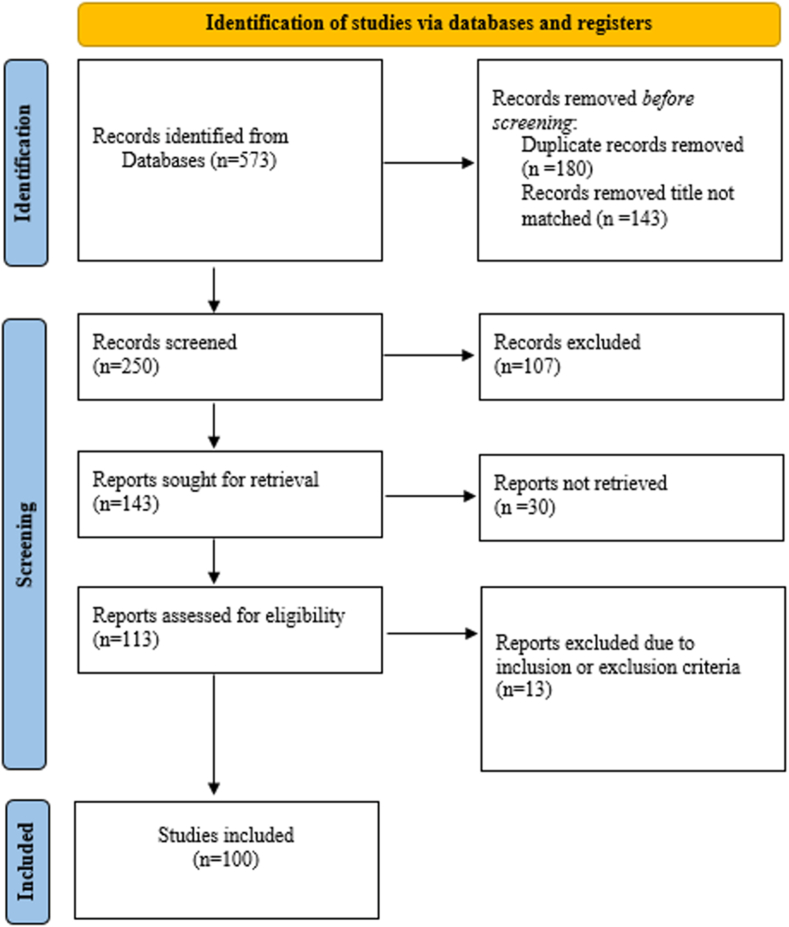 Figure 1
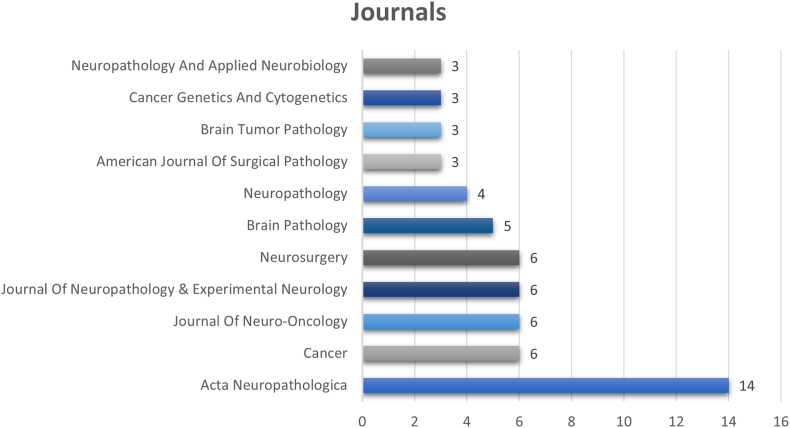 Figure 2
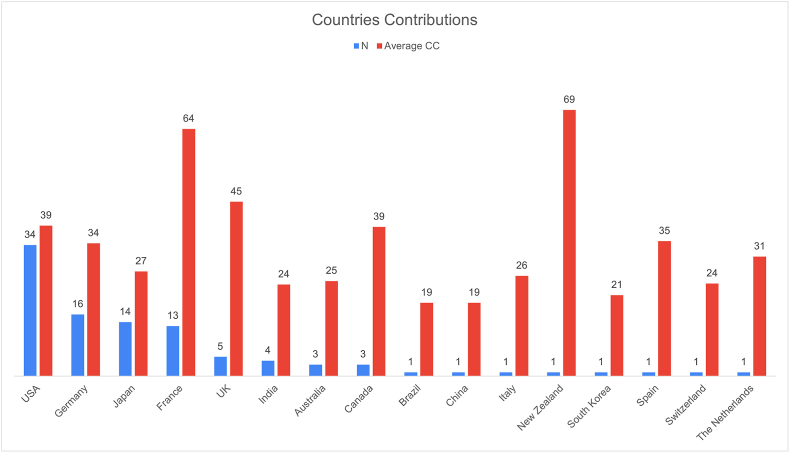 Figure 3
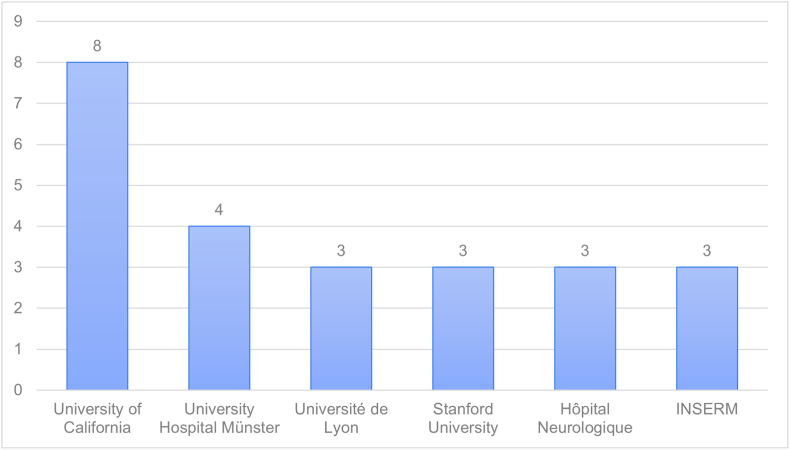 Figure 4
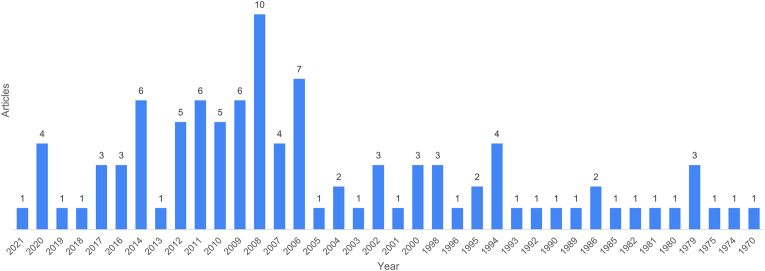 Figure 5
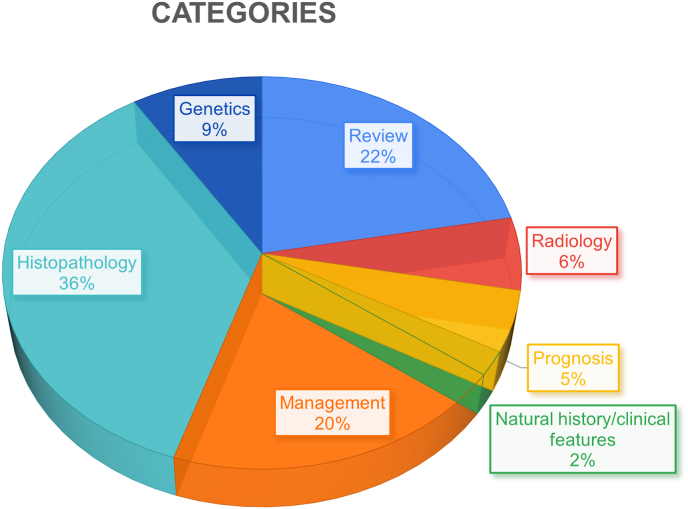 Figure 6
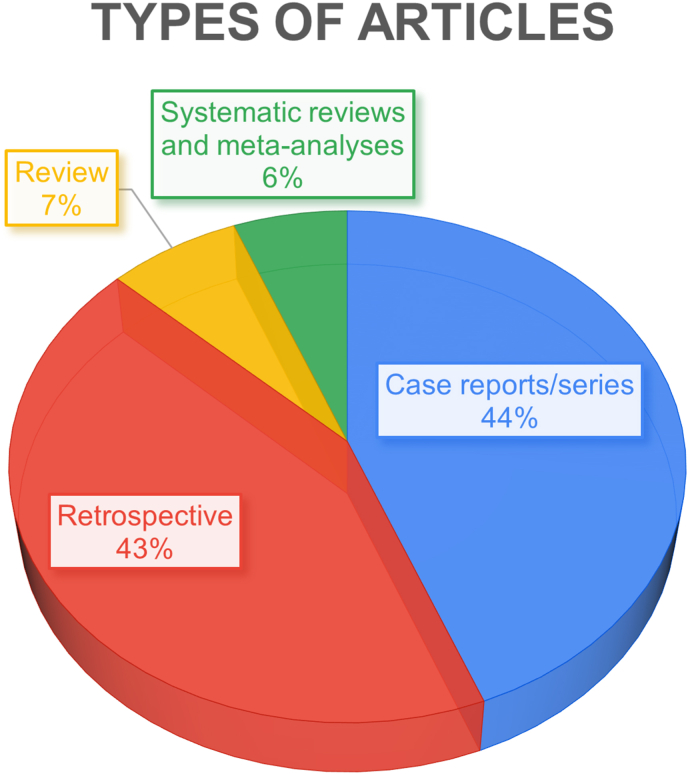 Figure 7
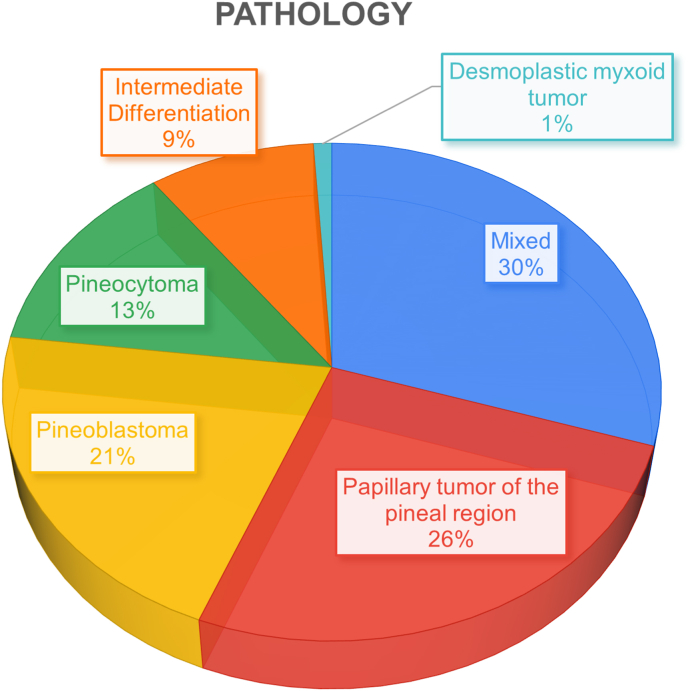 Figure 8
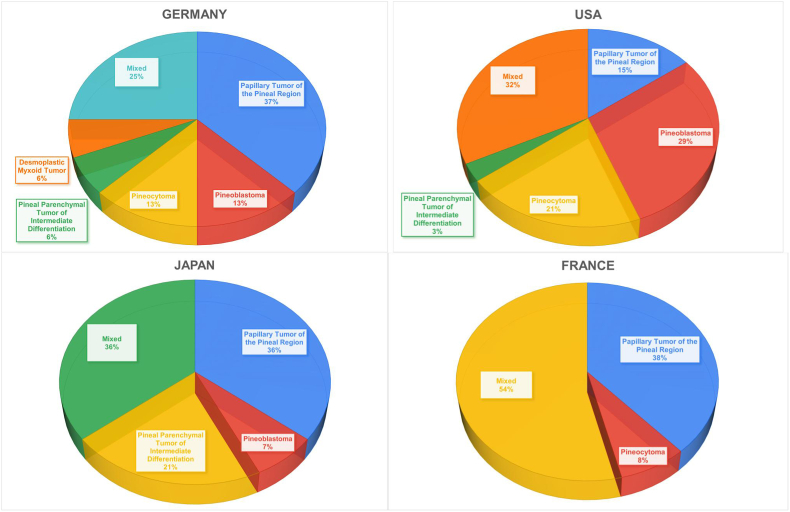 Figure 9
Peer Reviews
No public reviews on file for this paper yet. If you reviewed it on a platform where reviews are public (OpenReview, ICLR, NeurIPS, ICML), you can paste yours below so the community can read it here.
Videos
No videos yet. Explain this paper in a talk, walkthrough, or lecture? Add one.
Taxonomy
TopicsGlioma Diagnosis and Treatment · Pituitary Gland Disorders and Treatments · Meningioma and schwannoma management
Introduction
1
The primary role of the pineal gland is to perceive environmental stimuli related to the light-dark cycle, leading to the secretion of the melatonin hormone. Melatonin production reflects the internal circadian rhythm and is typically released during the dark phase of the daily cycle (Arendt et al., 2000).
Pineal parenchymal tumors are a rare category of central nervous system (CNS) neoplasms, characterized by diverse histologic features and clinical presentations. These tumors comprise less than 1 % of all CNS tumors and encompass a spectrum of entities, ranging from World Health Organization (WHO) Grade 1 Pineocytomas to WHO Grade 2–3 pineal parenchymal tumors of intermediate differentiation (PPTIDs), and Grade 4 Pineoblastomas, with a primary predilection for pediatric patients (Liu et al., 2021). Notably, the WHO CNS fifth edition classification has been extended to include desmoplastic myxoid tumor of the pineal region, SMARCB1-mutant**,** which represents a rare tumor lacking histopathological indications of malignancy and is characterized by SMARCB1 mutation (David N Louis and others, 2021).
Bibliometric analyses have gained increasing recognition as invaluable tools for assessing scholarly impact, identifying publication trends, and addressing knowledge gaps in specific fields, thereby guiding future research endeavors. While several bibliometric analyses have been conducted on various neurosurgery topics, including vascular, spinal, oncological, and trauma-related subjects, to the best of our knowledge, no bibliometric analysis focusing on pineal parenchymal tumors had been published before (Hamzah et al., 2023). Consequently, in this study, we present a bibliometric analysis of the top 100 cited articles on pineal parenchymal tumors.
Methodology
2
Search strategy
2.1
The study's analysis adhered to PRISMA guidelines, and papers about different kinds of pineal parenchymal tumors were screened using the Web of Science (WoS) search engine. The search strategy involved specific titles, keywords, and abstracts, employing terms such as Pineal Parenchymal Tumor, Pineocytoma, Pineoblastoma, Papillary tumor of the pineal region, Desmoplastic myxoid tumor of the pineal region, and SMARCB1-mutant, without time restriction.
Classification system
2.2
The classification of the articles into distinct pineal parenchymal tumor subtypes was based on the fifth edition of the WHO Classification of Central Nervous System Tumors published in 2021.
Screening and eligibility
2.3
There were 573 articles found in the search. Following duplicate removal and preliminary screening by abstract and title, full-text reviews of the articles were conducted to determine eligibility. Clinical studies that specifically addressed pineal parenchymal tumors, case reports/series, reviews, and original articles met the inclusion criteria. The following were among the exclusion criteria: articles that focus mostly on pineal tumors that are not parenchymal, veterinary research, Articles or abstracts from conferences are not accessible online.
Data extraction and analysis
2.4
The search results were sorted by citation count in descending order. The authors followed a thorough selection process, including title and abstract screening, followed by full-text review to identify the most cited articles that met the criteria. Two independent authors (Obada Banjar and Abdullah Alsharif) performed title screening to include relevant articles that fit the predefined inclusion criteria and exclude those that did not align with them. Another set of two independent authors (Anfal Felimban and Tarfah Albedaiwi) obtained the full-text of selected articles and collected data on publication year, authors, journal, category (histopathology, review, management, etc.), pathology studied, and article type (case report/series, randomized controlled trial, systematic review, review, retrospective, etc.).
Inclusion criteria included articles discussing any type of pineal parenchymal tumors, while exclusion criteria excluded articles predominantly discussing topics other than pineal parenchymal tumors, veterinary studies, articles not available online, and conference abstracts. When available, articles with only abstracts were reviewed to assess relevance; however, none were deemed sufficiently relevant for inclusion.
Data collection and analysis were conducted using Microsoft Excel and Google Sheets.
Results
3
Search results
3.1
The Web of Science (WoS) search yielded 573 articles, and the top one hundred most cited ones were extracted and analyzed (Fig. 1). The top 100 most cited articles in pineal parenchymal tumors totaled 3845 citations, averaging 38.45 citations, and ranging from 17 to 152 citations per article. The articles were published in 42 different journals, from 16 countries, and 74 institutions. The average citation per year (C.Y) was 2.7, ranging from 0.4 to 12. The oldest article was published in 1970, with the most recent one published in 2021 (Table 1).Fig. 1PRISMA flow diagram.Fig. 1. Table 1Top 100 cited articles of Pineal Parenchymal Tumors.Table 1. Publication YearAuthorsArticle TitleJournalCCC.Y1979Herrick, Mk; et al.Cytological Differentiating Potential Of Pineal Parenchymal Neoplasms (True Pinealomas) - Clinico-Pathological Study Of 28 TumorsBrain: A Journal Of Neurology1523.51993Schild, Se; et al.Pineal Parenchymal Tumors - Clinical, Pathological, And Therapeutic AspectsCancer1424.72003Jouvet, A; et al.Papillary Tumor Of The Pineal RegionAmerican Journal Of Surgical Pathology1376.92000Jouvet, A; et al.Pineal Parenchymal Tumors: A Correlation Of Histological Features With Prognosis In 66 CasesBrain Pathology1285.62000Fauchon, F; et al.Parenchymal Pineal Tumors: A Clinicopathological Study Of 76 CasesInternational Journal Of Radiation Oncology∗ Biology∗ Physics1255.42006Fevre-Montange, M; et al.Prognosis And Histopathologic Features In Papillary Tumors Of The Pineal Region: A Retrospective Multicenter Study Of 31 CasesJournal Of Neuropathology & Experimental Neurology1096.41980Borit, A; et al.The Separation Of Pineocytoma From PineoblastomaCancer992.32002Lutterbach, J; et al.Malignant Pineal Parenchymal Tumors In Adult Patients: Patterns Of Care And Prognostic FactorsNeurosurgery864.12006Fevre-Montange, M; et al.Microarray Analysis Reveals Differential Gene Expression Patterns In Tumors Of The Pineal RegionJournal Of Neuropathology & Experimental Neurology764.52006Hasselblatt, M; et al.Immunohistochemical Profile And Chromosomal Imbalances In Papillary Tumors Of The Pineal RegionNeuropathology And Applied Neurobiology734.31995Mena, H; et al.Tumors Of Pineal Parenchymal-Cells - A Correlation Of Histological Features, Including Nucleolar Organizer Regions, With Survival In 35 CasesHuman Pathology692.52002Hasegawa, T; et al.The Role Of Radiosurgery For The Treatment Of Pineal Parenchymal TumorsNeurosurgery663.11994Jouvet, A; et al.Structural And Ultrastructural Characteristics Of Human Pineal-Gland, And Pineal Parenchymal TumorsActa Neuropathologica642.22004Shibahara, J; et al.Papillary Neuroepithelial Tumor Of The Pineal Region. A Case ReportActa Neuropathologica613.21986Perentes, E; et al.S-Antigen Immunoreactivity In Human Pineal Glands And Pineal Parenchymal Tumors - A Monoclonal-Antibody StudyActa Neuropathologica581.62008Chang, Ah; et al.Mr Imaging Of Papillary Tumor Of The Pineal RegionAmerican Journal Of Neuroradiology553.72007Roncaroli, F; et al.Papillary Tumor Of The Pineal Region And Spindle Cell Oncocytoma Of The Pituitary: New Tumor Entities In The (2007) Who ClassificationBrain Pathology533.32012Tate, M; et al.The Long-Term Postsurgical Prognosis Of Patients With PineoblastomaCancer4442007Dagnew, E; et al.Papillary Tumors Of The Pineal Region: Case ReportNeurosurgery432.72001Rickert, Ch; et al.Comparative Genomic Hybridization In Pineal Parenchymal TumorsGenes Chromosomes & Cancer421.92014De Kock, L; et al.Germ-Line And Somatic Dicer1 Mutations In PineoblastomaActa Neuropathologica414.62008Boco, T; et al.Papillary Tumor Of The Pineal RegionNeuropathology412.72012Sabbaghian, N; et al.Germline Dicer1 Mutation And Associated Loss Of Heterozygosity In A PineoblastomaJournal Of Medical Genetics403.62008Fakhran, S; et al.Pineocytoma Mimicking A Pineal Cyst On Imaging: True Diagnostic Dilemma Or A Case Of Incomplete Imaging?American Journal Of Neuroradiology402.72006Reyns, N; et al.The Role Of Gamma Knife Radiosurgery In The Treatment Of Pineal Parenchymal TumorsActa Neurochirurgica402.42008Gilheeney, Sw; et al.Outcome Of Pediatric Pineoblastoma After Surgery, Radiation And ChemotherapyJournal Of Neuro-Oncology392.62006Kuchelmeister, K; et al.Papillary Tumour Of The Pineal Region: Histodiagnostic ConsiderationsNeuropathology And Applied Neurobiology392.32009Sato, Ts; et al.Papillary Tumor Of The Pineal Region: Report Of A Rapidly Progressive Tumor With Possible Multicentric OriginPediatric Radiology382.72004Deshmukh, Vr; et al.Diagnosis And Management Of PineocytomasNeurosurgery3821982Trojanowski, Jq; et al.Malignant Pineocytoma With Prominent Papillary FeaturesCancer380.91986Korf, Hw; et al.S-Antigen-Like Immunoreactivity In A Human PineocytomaActa Neuropathologica3711975Nielsen, Sl; et al.Ultrastructure Of A PineocytomaJournal Of Neuropathology & Experimental Neurology360.82020Li, Bk; et al.Pineoblastoma Segregates Into Molecular Sub-Groups With Distinct Clinico-Pathologic Features: A Rare Brain Tumor Consortium Registry StudyActa Neuropathologica35121990Vaquero, J; et al.Papillary PineocytomaJournal Of Neurosurgery351.12008Inoue, T; et al.Papillary Tumor Of The Pineal Region: A Case ReportBrain Tumor Pathology342.32008Buffenoir, K; et al.Papillary Tumor Of The Pineal Region In A Child: Case Report And Review Of The LiteratureChild'S Nervous System342.31979Kline, Kt; et al.Pineoblastoma - Electron-Microscopic StudyCancer340.82013Fauchon, F; et al.Role Of Surgery, Radiotherapy And Chemotherapy In Papillary Tumors Of The Pineal Region: A Multicenter StudyJournal Of Neuro-Oncology333.32010Dahiya, S; et al.Pineal TumorsAdvances In Anatomic Pathology332.52007Hinkes, Bg; et al.Childhood Pineoblastoma: Experiences From The Prospective Multicenter Trials Hit-Skk87, Hit-Skk92 And Hit91Journal Of Neuro-Oncology332.11995Chiechi, Mv; et al.Pineal Parenchymal Tumors - Ct And Mr FeaturesJournal Of Computer Assisted Tomography331.21970Rubinstein, Lj; et al.Gangliogliomatous Differentiation In A PineocytomaThe Journal Of Pathology330.62014Goschzik, T; et al.Pten Mutations And Activation Of The Pi3K/Akt/Mtor Signaling Pathway In Papillary Tumors Of The Pineal RegionJournal Of Neuropathology & Experimental Neurology313.42012Rodjan, F; et al.Trilateral Retinoblastoma: Neuroimaging Characteristics And Value Of Routine Brain Screening On AdmissionJournal Of Neuro-Oncology312.82007Kawahara, I; et al.Papillary Tumor Of The Pineal Region - Case ReportNeurologia Medico-Chirurgica301.92005Lee, Jyk; et al.Management And Survival Of Pineoblastoma: An Analysis Of 34 Adults From The Brain Tumor Registry Of JapanNeurologia Medico-Chirurgica301.71994Numoto, RtPineal Parenchymal Tumors - Cell-Differentiation And PrognosisJournal Of Cancer Research And Clinical Oncology3012018Snuderl, M; et al.Recurrent Homozygous Deletion Of Drosha And Microduplication Of Pde4Dip In PineoblastomaNature Communications295.82010Stoiber, Em; et al.Long Term Outcome Of Adolescent And Adult Patients With Pineal Parenchymal Tumors Treated With Fractionated Radiotherapy Between 1982 And 2003 - A Single Institution'S ExperienceRadiation Oncology292.22000Nakamura, M; et al.Neuroradiological Characteristics Of Pineocytoma And PineoblastomaNeuroradiology291.31996Amoaku, Wmk; et al.Trilateral Retinoblastoma - A Report Of Five PatientsCancer291.12016Mallick, S; et al.Patterns Of Care And Survival Outcomes In Patients With Pineal Parenchymal Tumor Of Intermediate Differentiation: An Individual Patient Data AnalysisRadiotherapy And Oncology2842011Poulgrain, K; et al.Papillary Tumour Of The Pineal RegionJournal Of Clinical Neuroscience282.32019Lee, Jc; et al.Recurrent Kbtbd4 Small In-Frame Insertions And Absence Of Drosha Deletion Or Dicer1 Mutation Differentiate Pineal Parenchymal Tumor Of Intermediate Differentiation (Pptid) From PineoblastomaActa Neuropathologica276.82017Raleigh, Dr; et al.Histopathologic Review Of Pineal Parenchymal Tumors Identifies Novel Morphologic Subtypes And Prognostic Factors For OutcomeNeuro-Oncology274.52009Sharma, Mc; et al.Papillary Tumor Of The Pineal Region - A Recently Described Entity: A Report Of Three Cases And Review Of The LiteratureClinical Neuropathology271.92011Komakula, S; et al.Pineal Parenchymal Tumor Of Intermediate Differentiation: Imaging Spectrum Of An Unusual Tumor In 11 CasesNeuroradiology262.22009Cerase, A; et al.Neuroradiological Follow-Up Of The Growth Of Papillary Tumor Of The Pineal Region: A Case ReportJournal Of Neuro-Oncology261.92020Pfaff, E; et al.Molecular Subgrouping Of Primary Pineal Parenchymal Tumors Reveals Distinct Subtypes Correlated With Clinical Parameters And Genetic AlterationsActa Neuropathologica258.32020Thomas, C; et al.Desmoplastic Myxoid Tumor, Smarcb1-Mutant: Clinical, Histopathological And Molecular Characterization Of A Pineal Region Tumor Encountered In Adolescents And AdultsActa Neuropathologica258.32016Heim, S; et al.Papillary Tumor Of The Pineal Region: A Distinct Molecular EntityBrain Pathology253.62012Fevre-Montange, M; et al.Utility Of Ki67 Immunostaining In The Grading Of Pineal Parenchymal Tumors: A Multicentre StudyNeuropathology And Applied Neurobiology252.32017Parikh, Ka; et al.Pineoblastoma-The Experience At St. Jude Children'S Research HospitalNeurosurgery2442017Mynarek, M; et al.Evaluation Of Age-Dependent Treatment Strategies For Children And Young Adults With Pineoblastoma: Analysis Of Pooled European Society For Paediatric Oncology (Siop-E) And Us Head Start DataNeuro-Oncology2442010Clark, Aj; et al.Tumor Control After Surgery And Radiotherapy For PineocytomaJournal Of Neurosurgery241.82008Fevre-Montange, M; et al.Pineocytoma And Pineal Parenchymal Tumors Of Intermediate Differentiation Presenting Cytologic Pleomorphism: A Multicenter StudyBrain Pathology241.62006Pusztaszeri, M; et al.Pineal Parenchymal Tumors Of Intermediate Differentiation In Adults: Case Report And Literature ReviewNeuropathology241.41989Sreekantaiah, C; et al.Interstitial Deletion Of Chromosome-11Q In A PineoblastomaCancer Genetics And Cytogenetics240.71985Whittle, Ir; et al.Concurrent Pineoblastoma And Unilateral Retinoblastoma - A Forme Fruste Of Trilateral RetinoblastomaNeurosurgery240.62008Santarius, T; et al.Papillary Tumour Of The Pineal RegionBritish Journal Of Neurosurgery231.52002Yamane, Y; et al.Immunohistochemical Characterization Of Pineal Parenchymal Tumors Using Novel Monoclonal Antibodies To The Pineal BodyNeuropathology231.11994Kuchelmeister, K; et al.Pleomorphic Pineocytoma With Extensive Neuronal Differentiation - Report Of 2 CasesActa Neuropathologica230.82020Liu, Apy; et al.Risk-Adapted Therapy And Biological Heterogeneity In Pineoblastoma: Integrated Clinico-Pathological Analysis From The Prospective, Multi-Center Sjmb03 And Sjyc07 TrialsActa Neuropathologica227.32010Clark, Aj; et al.Factors Influencing Overall Survival Rates For Patients With PineocytomaJournal Of Neuro-Oncology221.72009Yano, H; et al.Clinicopathological Features From Long-Term Observation Of A Papillary Tumor Of The Pineal Region (Ptpr): A Case ReportBrain Tumor Pathology221.61998Kees, Ur; et al.A New Pineoblastoma Cell Line, Per-480, With Der(10)T(10; 17), Der(16)T(1; 16), And Enhanced Myc Expression In The Absence Of Gene AmplificationCancer Genetics And Cytogenetics220.91994Min, Kw; et al.Pineal Parenchymal Tumors - An Ultrastructural-Study With Prognostic ImplicationsUltrastructural Pathology220.81981Sobel, Ra; et al.Pineoblastoma With Ganglionic And Glial Differentiation - Report Of 2 CasesActa Neuropathologica220.51979Borit, A; et al.Pineocytoma With Astrocytomatous DifferentiationJournal Of Neuropathology & Experimental Neurology220.52014Farnia, B; et al.Clinical Outcomes And Patterns Of Failure In Pineoblastoma: A 30-Year, Single-Institution Retrospective ReviewWorld Neurosurgery212.32014Ito, T; et al.Clinicopathologic Study Of Pineal Parenchymal Tumors Of Intermediate DifferentiationWorld Neurosurgery212.32014Heim, S; et al.Increased Mitotic And Proliferative Activity Are Associated With Worse Prognosis In Papillary Tumors Of The Pineal RegionAmerican Journal Of Surgical Pathology212.32009Kim, Bs; et al.Pineal Parenchymal Tumor Of Intermediate Differentiation Showing Malignant Progression At RelapseNeuropathology211.52009Nakamura, H; et al.Successful Treatment Of Neoadjuvant Therapy For Papillary Tumor Of The Pineal RegionBrain Tumor Pathology211.51998Kurisaka, M; et al.Combination Chemotherapy (Cisplatin, Vinblastin) And Low-Dose Irradiation In The Treatment Of Pineal Parenchymal Cell TumorsChild'S Nervous System210.81998Fevre-Montange, M; et al.Immunohistochemical, Ultrastructural, Biochemical And In Vitro Studies Of A PineocytomaActa Neuropathologica210.82021Liu, Apy; et al.Clinical And Molecular Heterogeneity Of Pineal Parenchymal Tumors: A Consensus StudyActa Neuropathologica20102014Watanabe, T; et al.Pineal Parenchymal Tumor Of Intermediate Differentiation: Treatment Outcomes Of Five CasesMolecular And Clinical Oncology202.22008Arivazhagan, A; et al.Pineal Parenchymal Tumors - Utility Of Immunohistochemical Markers In PrognosticationClinical Neuropathology201.31974Banerjee, Ak; et al.Pineoblastoma With Spontaneous Intra And Extracranial MetastasisJournal Of Pathology200.42016Yu, T; et al.Twenty-Seven Cases Of Pineal Parenchymal Tumors Of Intermediate Differentiation: Mitotic Count, Ki-67 Labelling Index And Extent Of Resection Predict PrognosisJournal Of Neurology Neurosurgery And Psychiatry192.72011Gutenberg, A; et al.Common Molecular Cytogenetic Pathway In Papillary Tumors Of The Pineal Region (Ptpr)Brain Pathology191.62011Rickard, Ka; et al.Papillary Tumor Of The Pineal Region: Two Case Studies And A Review Of The LiteratureAnnals Of Clinical & Laboratory Science191.62010Fukuda, T; et al.Expression Of Hydroxyindole-O-Methyltransferase Enzyme In The Human Central Nervous System And In Pineal Parenchymal Cell TumorsJournal Of Neuropathology & Experimental Neurology191.52008Senft, C; et al.Pineal Parenchymal Tumor Of Intermediate Differentiation: Diagnostic Pitfalls And Discussion Of Treatment Options Of A Rare Tumor EntityNeurosurgical Review191.32006Anan, M; et al.Postoperative Adjuvant Treatment For Pineal Parenchymal Tumour Of Intermediate DifferentiationJournal Of Clinical Neuroscience191.11992Rainho, Ca; et al.Cytogenetic Study Of A PineocytomaCancer Genetics And Cytogenetics190.62012Montange, Mf; et al.Histopathologic And Ultrastructural Features And Claudin Expression In Papillary Tumors Of The Pineal Region: A Multicenter AnalysisAmerican Journal Of Surgical Pathology171.52011Han, Sj; et al.Pathology Of Pineal Parenchymal TumorsNeurosurgery Clinics Of North America171.42011Tate, Mc; et al.Contemporary Management Of PineoblastomaNeurosurgery Clinics Of North America171.4CC: Citation Count, C.Y: Citation per Year.
Top 10 most cited articles
3.2
The top 10 most cited articles were published in 9 different journals, the oldest and most cited was published in 1979, with the most recent one published in 2006. Two authors each first-authored two of the top 10 most cited articles, Anne Jouvet from Hôpital Neurologique, France, and Michelle Fèvre-Montange from INSERM, France (Table 2).Table 2. Top 10 cited articles of Pineal Parenchymal Tumors.Table 2#.YearAuthorsArticle TitleJournalCCC.Y**1.1979Herrick, Mk; et al.Cytological Differentiating Potential Of Pineal Parenchymal Neoplasms (True Pinealomas) - Clinico-Pathological Study Of 28 TumorsBrain: A Journal Of Neurology1523.52.1993Schild, Se; et al.Pineal Parenchymal Tumors - Clinical, Pathological, And Therapeutic AspectsCancer1424.73.2003Jouvet, A; et al.Papillary Tumor Of The Pineal RegionAmerican Journal Of Surgical Pathology1376.94.2000Jouvet, A; et al.Pineal Parenchymal Tumors: A Correlation Of Histological Features With Prognosis In 66 CasesBrain Pathology1285.65.2000Fauchon, F; et al.Parenchymal Pineal Tumors: A Clinicopathological Study Of 76 CasesInternational Journal Of Radiation Oncology∗ Biology∗ Physics1255.46.2006Fevre-Montange, M; et al.Prognosis And Histopathologic Features In Papillary Tumors Of The Pineal Region: A Retrospective Multicenter Study Of 31 CasesJournal Of Neuropathology & Experimental Neurology1096.47.1980Borit, A; et al.The Separation Of Pineocytoma From PineoblastomaCancer992.38.2002Lutterbach, J; et al.Malignant Pineal Parenchymal Tumors In Adult Patients: Patterns Of Care And Prognostic FactorsNeurosurgery864.19.2006Fevre-Montange, M; et al.Microarray Analysis Reveals Differential Gene Expression Patterns In Tumors Of The Pineal RegionJournal Of Neuropathology & Experimental Neurology764.510.**2006Hasselblatt, M; et al.Immunohistochemical Profile And Chromosomal Imbalances In Papillary Tumors Of The Pineal RegionNeuropathology And Applied Neurobiology734.3
Highest 10 citation-per-year articles
3.3
The 10 highest citation per year (C.Y) articles were published in 5 journals, by 8 institutions, 8 unique first authors, and from range of years from 2000 to 2021. The highest contributing journal was Acta Neuropathologica with 6 articles. The article with the highest C.Y (12 citations/year) was published in 2020 by Li et al. from The Hospital for Sick Children, University of Toronto titled " Pineoblastoma Segregates into Molecular Sub-Groups with Distinct Clinico-Pathologic Features: A Rare Brain Tumor Consortium Registry Study” (Table 3).Table 3. The 10 highest articles in Citation per Year.Table 3. YearAuthorsTitleJournalInstitutionC.YCC2020Li, Bk; et al.Pineoblastoma Segregates into Molecular Sub-Groups with Distinct Clinico-Pathologic Features: A Rare Brain Tumor Consortium Registry StudyActa NeuropathologicaUniversity of Toronto12352021Liu, Apy; et al.Clinical And Molecular Heterogeneity of Pineal Parenchymal Tumors: A Consensus StudyActa NeuropathologicaSt. Jude Children's Research Hospital10202020Pfaff, E; et al.Molecular Subgrouping of Primary Pineal Parenchymal Tumors Reveals Distinct Subtypes Correlated With Clinical Parameters And Genetic AlterationsActa NeuropathologicaHeidelberg University Hospital8.3252020Thomas, C; et al.Desmoplastic Myxoid Tumor, Smarcb1-Mutant: Clinical, Histopathological and Molecular Characterization Of A Pineal Region Tumor Encountered In Adolescents And AdultsActa NeuropathologicaUniversity Hospital Münster8.3252020Liu, Apy; et al.Risk-Adapted Therapy and Biological Heterogeneity In Pineoblastoma: Integrated Clinico-Pathological Analysis From The Prospective, Multi-Center Sjmb03 And Sjyc07 TrialsActa NeuropathologicaSt. Jude Children's Research Hospital7.3222003Jouvet, A; et al.Papillary Tumor of The Pineal RegionAmerican Journal of Surgical PathologyHôpital Neurologique6.91372019Lee, Jc; et al.Recurrent Kbtbd4 Small In-Frame Insertions and Absence Of Drosha Deletion Or Dicer1 Mutation Differentiate Pineal Parenchymal Tumor Of Intermediate Differentiation (Pptid) From PineoblastomaActa NeuropathologicaUniversity of California6.8272006Fevre-Montange, M; et al.Prognosis And Histopathologic Features In Papillary Tumors Of The Pineal Region: A Retrospective Multicenter Study Of 31 CasesJournal Of Neuropathology & Experimental NeurologyINSERM6.41092018Snuderl, M; et al.Recurrent Homozygous Deletion of Drosha And Microduplication Of Pde4Dip In PineoblastomaNature CommunicationsNYU Langone Health5.8292000Jouvet, A; et al.Pineal Parenchymal Tumors: A Correlation of Histological Features With Prognosis In 66 CasesBrain PathologyHôpital Neurologique5.6128
Journals
3.4
The number of journals that contributed to the top 100 most cited articles is 42 unique journals. The journal with the highest number of publications was Acta Neuropathologica, with 14 articles, followed by Cancer, Journal of Neuro-Oncology, Journal of Neuropathology & Experimental Neurology, and Neurosurgery, each with 6 publications (Fig. 2).Fig. 2. Horizontal Bar Chart Depicting Journals with Three or more Publications.Fig. 2
Countries
3.5
Sixteen countries published the top 100 most cited articles, with eight countries contributing three or more articles. The country with the most published articles is the USA, with 34 articles, followed by Germany with 16 articles. In terms of citation count per country, the USA has the highest total number of citations and C.Y metric out of all articles, with 1326 citations and 96 C.Y, respectively. However, in average C.Y, Canada appears first, with 6.7 citations per year per published article (Table 4). In average citation count per article per country, New Zealand ranks first with 69 citations (1 article), followed by France, with 64 citations (13 articles) (Fig. 3).Table 4. Countries total citation count.Table 4. CountryCCC.YAverage C.YUSA1326962.8France833453.5Germany551523.2Japan380241.7UK2268.71.7Canada116206.7India957.61.9Australia7441.3New Zealand692.52.5Spain351.11.1The Netherlands312.82.8Italy261.91.9South Korea211.51.5Switzerland241.41.4Brazil190.60.6China192.72.7Fig. 3Bar chart illustrating citation metrics by country among the top 100 most cited articles.Fig. 3
Institutions
3.6
Seventy-four institutions were the first-author affiliated institutions in the top 100 most cited articles. University of California was the institution with the most contributions, 8 articles, followed by University Hospital Münster, with 4 articles (Fig. 4).Fig. 4– Bar chart depicting top contributing first-author affiliated institutions among the 100 most cited articles.Fig. 4
Years of publication
3.7
The included articles were published in the years 1970–2021. The most prolific year was 2008, which had 10 publications, followed by 2006, which had 7 publications. The 2000–2010 decade produced the greatest number of influential publications (Fig. 5).Fig. 5– Bar chart illustrating years of publication (1970–2021).Fig. 5
Categories
3.8
Categorical distribution of the included articles revealed a predominant focus of the literature on histopathology, accounting for 36 % of the articles. The least studied category was natural history/clinical features (Fig. 6). Regarding the influence of categories, mean, total citation count, and total C.Y received per article is highest in histopathology articles, with 45, 1618, and 109 citations, respectively. For mean C.Y, Genetics category ranks higher slightly above histopathology, with 3.1 mean C.Y (Table 5).Fig. 6. Pie chart depicting categorical distribution of articles.Fig. 6. Table 5Impact of category.Table 5. CategoryNMean CCTotal CCMean C.YTotal C.YGenetics9312753.128Histopathology364516183.0109Management20357062.550Natural history/clinical features234671.73Prognosis5341712.7614Radiology6352092.213Review22367992.4****53
Types of articles
3.9
Case reports/series were the dominant type of articles included in the bibliometric analysis. It is followed by retrospective studies with a difference of 1 % only (Fig. 7). In impact, the type of articles that received the highest average citation count is retrospective studies, with 45 CC per article. The least was systematic reviews and meta-analyses with 25 mean CC. However, given that all systematic reviews included in this study were published after 2007, they exceed all other types of articles in average C.Y metric, with 3.9 citations (Table 6).Fig. 7. Pie chart illustrating types of articles included.Fig. 7. Table 6Impact of article type.Table 6. TypeNMean CCTotal CCMean C.YTotal C.YCase Report/Series443515441.776Retrospective434519213.5151Review732.72293.032Systematic Review/Meta-Analyses6251513.9****24
Pathology
3.10
The most frequent single pathology predominantly discussed in the included articles was papillary tumor of the pineal region, whereas the greatest number of articles, 30 %, discussed a mix of 2 or more pathologies in the same paper. The least single pathology studied was desmoplastic myxoid tumors, with only 1 article (Fig. 8). For impact, the highest influence was in articles discussing mixed pineal pathologies without having a specific focus on one pathology. They received the highest mean, total citation count, and total C.Y, with 52, 1571, and 92 citations, respectively. There was only 1 article which discussed desmoplastic myxoid tumor which received the highest average C.Y, with 8.3 citations (Table 7).Fig. 8– Pie chart depicting pathology distribution of articles.Fig. 8. Table 7Impact of pathology.Table 7. PathologyNMean CCTotal CCMean C.YTotal C.YMixed305215713.192Papillary Tumor of the Pineal Region264110592.873Pineoblastoma21296053.063Pineocytoma13303881.215Pineal Parenchymal Tumors of Intermediate Differentiation9221972.119Desmoplastic myxoid tumor125258.3****8.3
Countries and interests
3.11
When analyzed, the countries that contributed more than 10 articles show patterns of interest or focus on specific pathologies. USA, Germany, Japan, and France contributed 34, 16, 14, 13 articles, respectively. Germany is the only country which had predominantly pathology-specific articles, focusing 37 % of its literature on papillary tumor of the pineal region, and is the only country which contributed to desmoplastic myxoid tumor, with the one the only article included in this bibliometric analysis (Fig. 9).Fig. 9– Pie chart showing countries interest.Fig. 9
Discussion
4
This article offers an analysis of the top 100 most cited articles on pineal parenchymal tumors, as indexed in the WOS database. It delineates research hotspots and identifies areas of deficiency. The insights derived from this analysis are instrumental in guiding targeted research efforts, thereby enabling future researchers to significantly enhance the body of literature in this field and achieve high-impact contributions.
The current body of literature in neurosurgery, as revealed through bibliometric analyses, demonstrates a marked scarcity of high-impact research specifically addressing pineal parenchymal tumors. Research output in this area is significantly lower compared to other neurosurgical topics. For example, a comparative analysis of articles indexed in databases such as WOS and Scopus shows a clear disparity: while search results for a variety of neurosurgical subjects range from 1733 to 49,799 articles, those on pineal parenchymal tumors yield only 573. Moreover, these articles exhibit a lower citation impact, with an average of 38.45 citations, compared to a broader citation range of 66.23 to 1485.94 (Table 8). Citation dynamics differ from more common neurosurgical entities such as hydrocephalus, where larger patient volumes and surgical studies naturally accrue higher citations. The predominance of case reports and series (44 %) (Fig. 6) within the existing literature further underscores the rarity of these tumors and highlights the lack of large-scale studies and clinical trials, limiting the development of evidence-based treatment guidelines and prognostic models. This significant gap in research underscores the urgent need for more rigorous investigations and resource allocation to better understand and improve outcomes for patients with pineal parenchymal tumors (Hamzah et al., 2023; Hirano et al., 2024; Alnefaie et al., 2022; Albrahim et al., 2022; Akmal et al., 2020; Abdullah et al., 2024).Table 8. Comparison of pineal parenchymal tumor articles with other neurosurgical bibliometric studies.Table 8. ArticleTopicSearch outcome (No. Articles)Average Citation CountThis articlePineal Parenchymal Tumors57338.45Yudai Hirano et al. 2023 (Hirano et al., 2024)Intracranial artery stenosis and intracranial atherosclerosis49,799213.84NadaAlnefaie et al., 2022 (Alnefaie et al., 2022)Neurofibromatosis12,718289.57MohammedAlbrahim et al., 2022 (Albrahim et al., 2022)Hydrocephalus12,044201.77ManahilAkmal et al., 2020 (Akmal et al., 2020)Glioblastome multiformeNot reported1485.94AbdulazizHamzah et al., 2023 (Hamzah et al., 2023)Hemangioblastoma of the central nervous system402387.81Abdullah Abdullah et al. 2024 (Abdullah et al., 2024)Carotid body tumors173366.23
The United States emerged as the leading contributor to pineal parenchymal tumor research, a trend mirrored in other neurosurgical bibliometric analyses. For instance, a bibliometric analysis of the top 100 most cited articles on hydrocephalus highlighted that the United States accounted for over half of the contributions, followed by Canada and European countries like Germany and the UK. (Albrahim et al., 2022) This dominance is consistent with other analyses, such as those on hemangioblastomas of the central nervous system, where the USA again had the highest publication output (Hamzah et al., 2023). While the contribution of the US is invaluable, it is important for other countries to focus on publishing high-quality articles that represent their specific data. This would enhance diversity in the research and help uncover potential disparities or heterogeneity in pineal parenchymal tumors. Such international efforts could drive significant advancements in the diagnostic and interventional aspects of these rare tumors.
Beyond geographical trends, the thematic focus of influential studies also offers valuable insights. In the bibliometric analyses reviewed, the most studied categories varied depending on the research area: surgical management was predominant in hydrocephalus studies (Albrahim et al., 2022), whereas histopathological research dominated both hemangioblastoma of the central nervous system (Hamzah et al., 2023) and pineal parenchymal tumors, as revealed in our analysis. The predominance of histopathology articles, accounting for 36 % of the research, alongside the lower number of articles and citation counts for studies on management and natural history/clinical features, reflects a focus on basic science and tumor classification rather than interventional research. This trend is likely driven by the inherent challenges in studying rare tumors, such as difficulties in patient recruitment and the need for standardized treatment protocols. Accordingly, there is a critical need for future high-quality research focused on clinical presentation, surgical challenges, and patient outcomes—areas that remain significantly underexplored despite their crucial relevance for improving diagnosis and treatment. Furthermore, the high citation rates for studies addressing mixed pathologies emphasize their importance, as these studies involve comprehensive morphological and immunohistochemical analyses, highlighting tumor heterogeneity. It is important to recognize that citation frequency does not inherently correlate with clinical utility. While histopathological studies dominate the most-cited list, clinical management studies, though less frequently cited, may exert a more immediate impact on patient care. This highlights the necessity for future high-quality clinical research to complement the existing histological research base.
Recent bibliometric studies in neurosurgery have analyzed publishing patterns in a variety of subspecialties, including journal/author, demographic, and geographic trends, in addition to more general trends. For example, Garg et al. examined articles published in six major neurosurgical journals between 2011 and 2020 and found notable variations in the types of articles, global contributions, and annual publication trends (Garg et al., 2022a, 2022b). Their analyses showed changing publication volumes over time, changing authorship collaborations, and notable international differences in research output. Our study, in contrast, shows comparable patterns of research concentration in a small number of journals and institutions, but it also emphasizes the glaring dearth of clinical and surgical research on pineal parenchymal tumors. These results collectively highlight the need for targeted bibliometric analyses of rare tumors to identify specific gaps and direct future targeted research, even though general neurosurgical publishing patterns are well-characterized. In addition to highlighting particular gaps in clinical management, surgical outcomes, and patient-centered research, our findings on pineal parenchymal tumors are consistent with these more general bibliometric observations. The significance of targeted bibliometric analyses in rare tumor groups is highlighted by this comparison. These analyses serve to supplement extensive neurosurgical evaluations by pinpointing particular shortcomings and directing targeted future research.
There has been a notable shift in focus away from critical areas such as clinical presentation, surgical management and complications—factors that are particularly crucial given the complexity of pineal tumors, which involve intricate anatomical structures and pose significant risks during surgery. The clinical presentation of pineal tumors, vital for accurate diagnosis and management, is underreported in the most-cited articles, highlighting a significant gap in the literature. Instead, most studies concentrate on histopathological classification and molecular analysis, with limited exploration of detailed anatomical relationships, surgical outcomes, and complications. Addressing these gaps is essential for refining surgical techniques and improving patient outcomes.
Limitations
5
This study has several limitations inherent to bibliometric analyses. Articles not available online were excluded, which may have led to omission of influential older studies. Additionally, citation counts favor older publications over recent ones, as they have had more time to accumulate citations; this bias was partially mitigated by using the Citations per Year (C.Y) metric. Moreover, citation frequency does not necessarily reflect scientific quality or clinical relevance. Only the Web of Science database was utilized, potentially missing relevant articles indexed elsewhere. Furthermore, obliteration by incorporation—a phenomenon where foundational knowledge becomes so integrated that original articles are no longer explicitly cited—may underestimate the true influence of seminal works. Bibliometric analyses may therefore fail to capture the full impact of foundational discoveries once they become standard components of scientific discourse (Meng et al., 2024)
Conclusion
6
This bibliometric analysis provides a comprehensive overview of influential research on pineal parenchymal tumors, highlighting the dominance of histopathological and molecular studies while identifying key contributors and journals. Despite these advances, significant gaps remain in the literature, particularly concerning clinical presentations, surgical treatments, and outcomes, which are under-explored compared to histopathological findings. The heavy reliance on case reports and series underscores the need for more robust and high-quality research to enhance our understanding of these rare tumors. By focusing on surgical challenges, clinical presentation, and patient outcomes, future studies can significantly improve the management and prognosis of pineal parenchymal tumors, ultimately advancing both clinical practice and academic impact in this specialized field.
Statement of ethics
Institutional Review Board (IRB) approval from King Abdullah International Medical Research Center, Jeddah, Saudi Arabia (KAIMRC-Jeddah) (ID: NRJ23J/191/07) has been obtained.
Availability of data and materials
All data generated or analyzed during this study are included in this article. Further enquiries can be directed to the corresponding author.
Funding
This study did not require any funding.
Declaration of interest
We are pleased to submit our manuscript titled "A Bibliometric Analysis of the Top 100 Most Cited Articles on Pineal Parenchymal Tumors Worldwide" for consideration in Clinical Neurology and Neurosurgery. This manuscript presents a detailed bibliometric analysis of the top 100 most-cited articles on pineal parenchymal tumors, highlighting citation trends, key research areas, and existing gaps in the literature.
Our analysis demonstrates that the majority of research in this field has focused on histopathological classification and molecular studies, while areas such as clinical presentation, surgical approaches, and outcomes remain underrepresented. We believe that this comprehensive review will provide valuable insights for researchers and clinicians alike, encouraging future studies that address these critical gaps to improve patient outcomes in the management of pineal parenchymal tumors.
The manuscript has not been previously published and is not under consideration for publication elsewhere. All authors have read and approved the final version of the manuscript, and there are no conflicts of interest to declare. We have adhered to the submission guidelines for Brain and Spine Journal*,* and we hope that our work will be of interest to the journal's readership.
The reference list from the paper itself. Each links out to its DOI / PubMed record.
- 1Abdullah A.Hamzah A.Alsudais A.S.Alzahrani R.S.Souror H.Alqarni G.S.Ashqar A.A.Hemeq Y.H.Dakkak O.A global bibliometric analysis of the top 100 Most cited articles on carotid body tumors Cureus 1622024 e 5475410.7759/cureus.54754 PMID: 38524015; PMCID: PMC 10961149 PMC 1096114938524015 · doi ↗ · pubmed ↗
- 2Akmal M.Hasnain N.Rehan A.Iqbal U.Hashmi S.Fatima K.Farooq M.Z.Khosa F.Siddiqi J.Khan M.K.Glioblastome multiforme: a bibliometric analysis World Neurosurg.136202027028210.1016/j.wneu.2020.01.027Epub 2020 Jan 14. PMID: 3195309531953095 · doi ↗ · pubmed ↗
- 3Albrahim M.Almutairi O.T.Alhussinan M.A.Alotaibi F.E.Bafaquh M.Bibliometric overview of the top 100 most cited articles on hydrocephalus Surg. Neurol. Int.13202217610.25259/SNI_115_2022 PMID: 35509567; PMCID: PMC 906295235509567 PMC 9062952 · doi ↗ · pubmed ↗
- 4Alnefaie N.Almutairi O.T.Alturki A.Y.Bafaquh M.Bibliometric analysis of the top 100 most-cited articles in neurofibromatosis Surg. Neurol. Int.13202228210.25259/SNI_114_2022 PMID: 35855179; PMCID: PMC 928278535855179 PMC 9282785 · doi ↗ · pubmed ↗
- 5Arendt J.Aulinas A.Physiology of the pineal gland and melatonin. [Updated 2022 Oct 30]Feingold K.R.Anawalt B.Blackman M.R.Endotext [Internet]2000 MD Text.com, Inc.South Dartmouth (MA)Available from:https://www.ncbi.nlm.nih.gov/sites/books/NBK 550972/
- 6David N Louis and others The 2021 WHO classification of tumors of the central nervous system: a summary Neuro Oncol.23820211231125110.1093/neuonc/noab 10634185076 PMC 8328013 · doi ↗ · pubmed ↗
- 7Garg K.Chaurasia B.Gienapp A.J.Splavski B.Arnautovic K.I.Bibliometric analysis of publications from 2011–2020 in 6 major neurosurgical journals (Part 1): Geographic, demographic, and article type trends World Neurosurg.157202212513410.1016/j.wneu.2021.10.09134753011 · doi ↗ · pubmed ↗
- 8Garg K.Chaurasia B.Gienapp A.Splavski B.Arnautovic K.Bibliometric analysis of major neurosurgical publications 2011–2020, part 2: journal, author, yearly publication trends, and citation related metrics Acta Inf. Med.30120221110.5455/aim.2022.30.11-17PMC 922676235800911 · doi ↗ · pubmed ↗