Mapping the Landscape of Mesenchymal Stem Cell-Derived Extracellular Vesicles: From Bench to Bedside
Nadiar M. Mussin, Kulyash R. Zhilisbayeva, Akmaral Baspakova, Madina A. Kurmanalina, Amin Tamadon

TL;DR
This study maps the global research on mesenchymal stem cell-derived extracellular vesicles, showing their growing therapeutic potential and research trends from 2014 to 2025.
Contribution
The paper provides a comprehensive bibliometric analysis of MSC-derived EV research, highlighting its clinical applications and collaborative trends.
Findings
The field showed a 27.11% annual publication growth rate from 2014 to 2025.
Publications surged from 2018, focusing on clinical trials for conditions like osteoarthritis and spinal cord injury.
The U.S. and China led international collaborations, with 22.68% of publications involving cross-border co-authorships.
Abstract
Mesenchymal stem cell (MSC)-derived extracellular vesicles (EVs), including exosomes, have garnered significant attention for their therapeutic potential in regenerative medicine and inflammatory disease management. This bibliometric analysis maps the global research landscape of MSC-derived EV studies from 2014 to 2025, utilizing data from Web of Science (WoS), Scopus, and PubMed. A total of 99 research articles were analyzed after screening 335 initial records, focusing on publication trends, citation metrics, collaboration networks, and thematic evolution. The field exhibited a 27.11% annual publication growth rate, with 841 authors contributing to 70 journals, reflecting its interdisciplinary and collaborative nature. Key findings include a surge in publications from 2018 onward, driven by clinical trials targeting conditions such as COVID-19, osteoarthritis, and spinal cord injury.…
Genes, proteins, chemicals, diseases, species, mutations and cell lines named across the full text — each resolved to its canonical identifier and authoritative record.
Click any figure to enlarge with its caption.
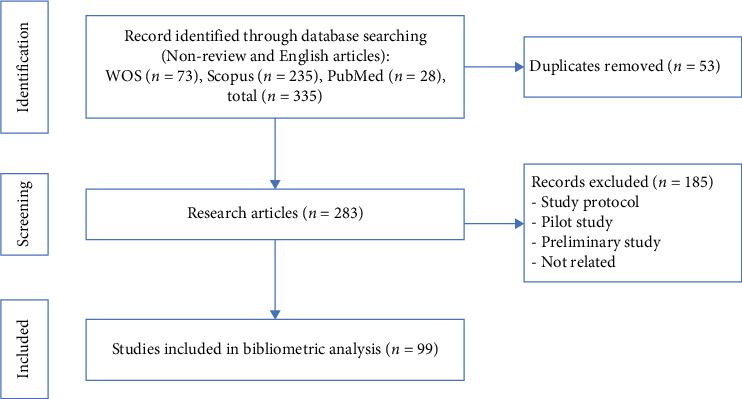 Figure 1
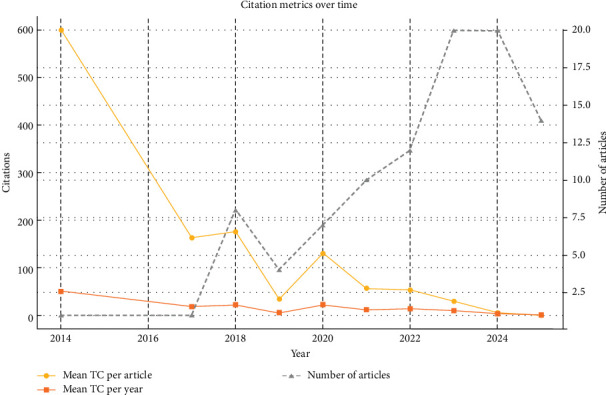 Figure 2
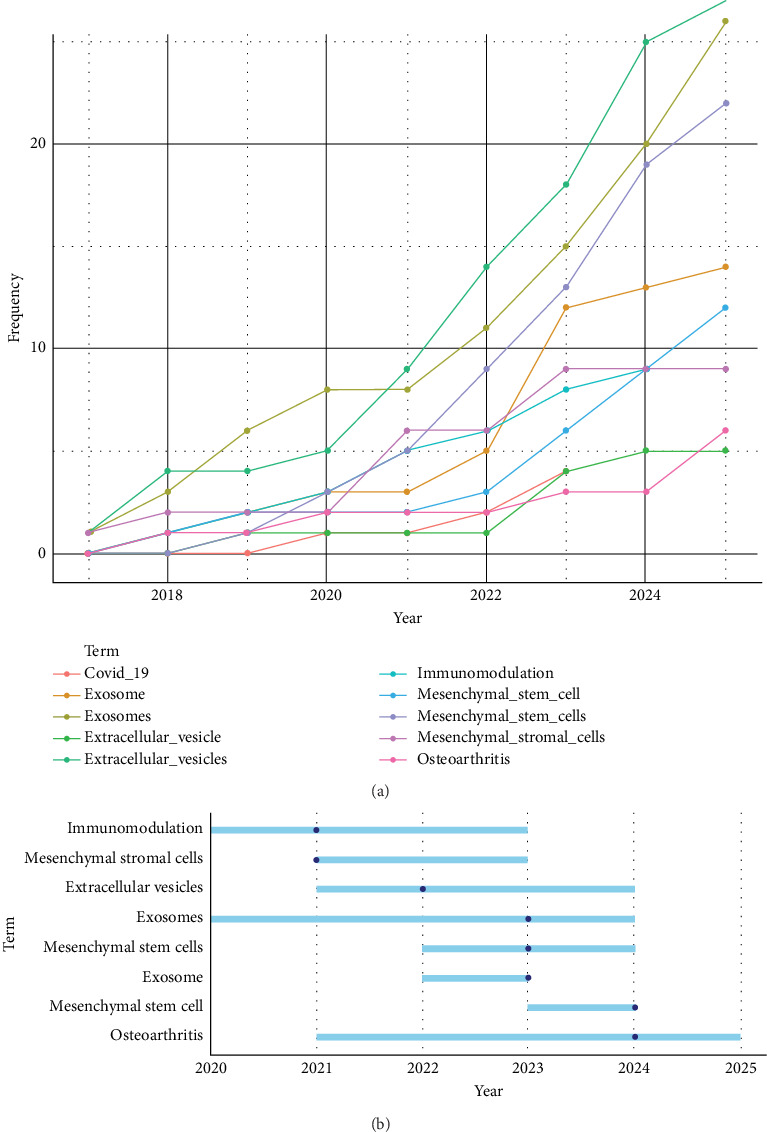 Figure 3
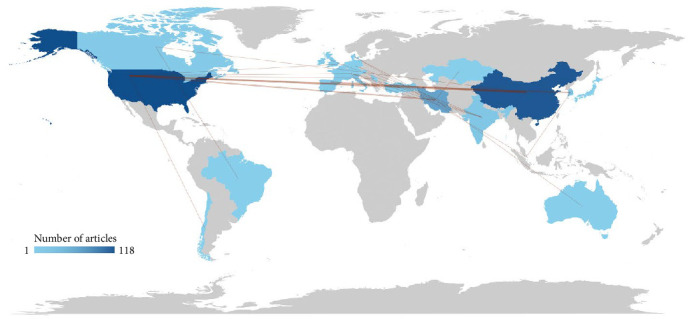 Figure 4
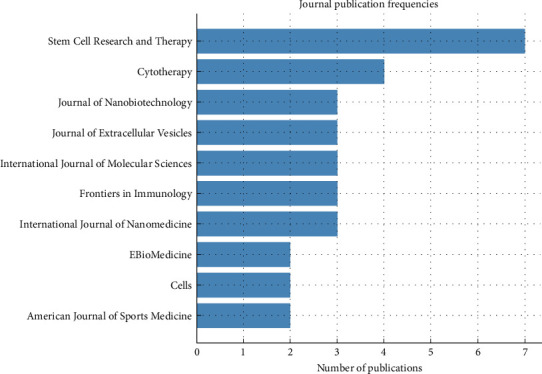 Figure 5
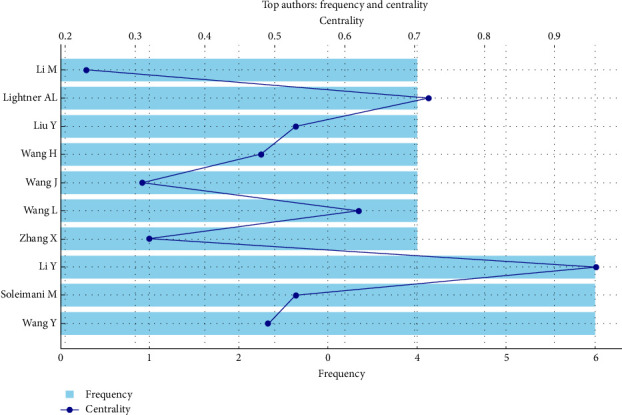 Figure 6
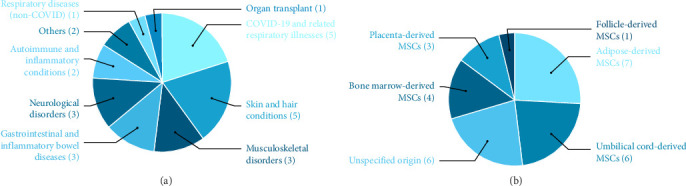 Figure 7
- —Ministry of Healthcare of the Republic of Kazakhstan
Peer Reviews
No public reviews on file for this paper yet. If you reviewed it on a platform where reviews are public (OpenReview, ICLR, NeurIPS, ICML), you can paste yours below so the community can read it here.
Videos
No videos yet. Explain this paper in a talk, walkthrough, or lecture? Add one.
Taxonomy
TopicsExtracellular vesicles in disease · MicroRNA in disease regulation · Circular RNAs in diseases
1. Introduction
Extracellular vesicles (EVs), particularly exosomes, derived from mesenchymal stem cells (MSCs) have garnered significant attention as a novel therapeutic platform due to their ability to mediate intercellular communication, modulate immune responses, and promote tissue repair [1]. MSCs, sourced from bone marrow, adipose tissue, umbilical cord, and other tissues, release EVs containing bioactive molecules such as microRNAs, proteins, and lipids, which exert therapeutic effects in various diseases, including cancer, neurological disorders, and inflammatory conditions [2]. Unlike cell-based therapies, EVs offer advantages such as lower immunogenicity, ease of storage, and potential for targeted delivery [3].
The field of MSC-derived EV research has expanded rapidly, with studies spanning in vitro models, in vivo animal models, and human clinical trials. In vitro studies have elucidated mechanisms of EV action, while in vivo studies have demonstrated efficacy in disease models such as myocardial infarction, osteoarthritis, and acute kidney injury [4]. Human clinical trials, though limited, have explored EV safety and efficacy in conditions like COVID-19, Crohn's disease, and Alzheimer's disease [5]. Despite these advancements, a comprehensive understanding of the research landscape, including key contributors, thematic trends, and translational gaps, remains limited.
Bibliometric analysis provides a quantitative approach to evaluate research trends, collaboration patterns, and impact within a field. This study conducts a bibliometric analysis of MSC-derived EV research, focusing on in vivo, in vitro, and human studies, to map its intellectual structure, identify research hotspots, and assess its translational potential. The findings aim to inform researchers, clinicians, and policymakers on advancing EV-based therapies.
2. Methods
2.1. Data Collection and Processing
A bibliometric analysis was performed using Web of Science (WoS), Scopus, and PubMed databases, with searches conducted in March 2025. The search strategy (Table 1) targeted MSC-derived EV research in in vivo, in vitro, and human studies, using Boolean and wildcard operators to capture relevant terms. The initial search retrieved 335 documents (WoS: 73; Scopus: 235; PubMed: 28).
Filters were applied to retain English-language research articles, excluding reviews, study protocols, pilot studies, preliminary studies, and nonrelevant publications. After screening, 283 research articles were identified, and 53 duplicates were removed. The final dataset comprised 99 articles, which were screened for relevance based on titles and abstracts. Metadata (titles, authors, affiliations, keywords, citations, and publication years) were exported in BibTeX and text formats and processed in RStudio (version 2024.12.1) using the bibliometrix package. The literature search and screening process is depicted in Figure 1.
2.2. Bibliometric Analysis Methods
The bibliometrix R package (version 4.5.0) and Biblioshiny were used to analyze publication trends, citation metrics, co-authorship networks, and keyword co-occurrence. Performance metrics included annual publication growth, leading authors, institutions, and journals. Science mapping visualized collaboration networks, keyword clusters, and thematic evolution. RAWGraphs was used for enhanced network visualizations. No ethical approval was required as the study used publicly available data.
3. Results
3.1. Characteristics of Publication Outputs
The bibliometric analysis encompassed 99 documents published between 2014 and 2025, sourced from 70 distinct journals, reflecting the multidisciplinary nature of MSC-derived EV research. The dataset primarily consisted of research articles, with no single-authored documents, indicating a highly collaborative research environment. The annual growth rate of publications was 27.11%, demonstrating a rapid expansion in the field over the 11-year period, likely driven by increasing interest in EV-based therapeutics. The average document age was 2.78 years, suggesting that the majority of publications are recent, aligning with the field's emerging status. Each document received an average of 52.76 citations, indicating significant scholarly impact and visibility within the scientific community.
A total of 841 authors contributed to the dataset, with an average of 9.92 co-authors per document, underscoring the collaborative nature of MSC-derived EV research. Notably, 22.68% of publications involved international co-authorships, highlighting robust global collaboration networks, particularly among researchers in North America, Asia, and Europe. The absence of single-authored documents further emphasizes the reliance on multiauthor teams, likely due to the complexity of EV research, which integrates expertise from stem cell biology, molecular biology, and clinical translation.
The dataset included 285 author-provided keywords and 1905 Keywords Plus (automatically generated by databases), providing a rich source for thematic analysis. These keywords reflect the diverse focus areas within the field, ranging from EV biogenesis to therapeutic applications in cancer, regenerative medicine, and inflammatory diseases. The high number of Keywords Plus suggests a broad interdisciplinary scope, as databases assign terms to capture related concepts, enhancing discoverability across related fields such as nanotechnology and immunotherapy.
3.2. Annual Scientific Production and Citation Trends
The publication output in MSC-derived EV research exhibited significant growth from 2014 to 2025, reflecting the field's rapid development. The dataset began with a single article in 2014, increasing steadily to a peak of 20 articles in both 2023 and 2024, and slightly decreasing to 14 articles in 2025, likely due to the partial year data (upto March 2025). This trajectory corresponds to the annual growth rate of 27.11% reported in Section 3.1, underscoring the burgeoning interest in EV-based therapeutics.
Citation analysis revealed varied impact across the years. The year 2014, with only one publication, had the highest mean total citations per article (599.00), likely due to its early contribution to a nascent field, allowing ample time for citation accumulation over 12 citable years. The year 2020, with seven articles, also demonstrated substantial impact, averaging 130.14 citations per article and 21.69 citations per year, reflecting the high relevance of publications during this period, possibly driven by research on EVs for inflammatory conditions like COVID-19. In contrast, more recent years, such as 2024 (5.50 citations per article) and 2025 (0.57 citations per article), showed lower citation metrics, attributable to their shorter citable periods (2 and 1 year, respectively).
The number of publications grew notably from 2018 onward, with eight articles in 2018, rising to 10 in 2021, 12 in 2022, and peaking at 20 in 2023 and 2024. This surge aligns with advancements in EV isolation techniques and clinical trial initiations. The mean total citations per year peaked in 2014 (49.92), followed by 2018 (21.98) and 2020 (21.69), indicating periods of high scholarly influence. The decline in mean citations per year in later years (e.g., 2.75 in 2024, 0.57 in 2025) reflects the time lag required for citations to accumulate.
Figure 2 illustrates these trends, with the gray line representing the annual number of published articles, the orange line depicting the mean total citations per article, and the red line showing the mean total citations per year. The figure highlights the exponential growth in publication output and the fluctuating citation impact, with early years (2014–2018) showing higher per-article citations due to longer citable periods, while recent years (2023–2025) reflect increased productivity but lower citation metrics due to recency.
3.3. Document Content and Keyword Analysis
The dataset comprised 285 author-provided keywords, offering a comprehensive view of research trends and thematic priorities in MSC-derived EV research. Temporal analysis of author keyword frequency showed a marked evolution in research focus from 2017 to 2025. In 2017, “extracellular vesicles” and “exosomes” each appeared once, alongside “mesenchymal stromal cells,” marking the field's early stages. By 2018, frequencies increased, with “extracellular vesicles” (n = 4), “exosomes” (n = 3), and “immunomodulation” (n = 2) gaining traction. The year 2020 saw increased activity, with “exosomes” reaching eight occurrences and “immunomodulation” at 3, likely driven by research on EVs for COVID-19-related inflammation. From 2021 onward, keyword usage surged, with “extracellular vesicles” growing from nine occurrences in 2021–27 in 2025, “exosomes” from 8 to 26, and “mesenchymal stem cells” from 5 to 22. “Osteoarthritis” became prominent later, reaching six occurrences in 2025, signaling a shift toward regenerative applications. The median years of keyword usage (2022 for “extracellular vesicles,” 2023 for “exosomes” and “mesenchymal stem cells,” 2024 for “osteoarthritis”) indicate these terms became central in recent years, with sustained relevance through 2024–2025.
Figure 3A illustrates the word frequency over time for key author keywords, showing the rise of terms like “extracellular vesicles,” “exosomes,” and “mesenchymal stem cells” from 2017 to 2025, with notable increases in “osteoarthritis” and “COVID-19” in later years. Figure 3B depicts trend topics based on author keywords, highlighting the temporal evolution of research themes, from early focus on foundational terms like “exosomes” to recent emphasis on clinical applications such as “osteoarthritis” and “immunomodulation.” These figures underscore the dynamic shift toward translational research, aligning with the increasing number of clinical trials noted in Section 3.8.
3.4. Collaboration Patterns
International collaboration was a key driver of MSC-derived EV research, with 22.68% of publications involving cross-border co-authorships, as noted in Section 3.1. The collaboration network, based on co-authorship data, revealed diverse and interconnected partnerships among 17 countries. The United States and China emerged as central nodes, with the strongest bilateral collaboration (frequency = 3), reflecting their leadership in publication output (Section 3.7). The USA also collaborated frequently with Iran (frequency = 2) and Korea (frequency = 2), while China partnered with France (frequency = 2). Other notable collaborations included Iran with Australia, Denmark, Kazakhstan, and the United Kingdom (frequency = 1 each), and India with Germany, Switzerland, Italy, and Turkey (frequency = 1 each). Additional partnerships, such as Brazil–Canada, Korea–Singapore, and Switzerland–Serbia (frequency = 1 each), underscored the global reach of the field.
The collaboration network highlights the United States' pivotal role, with connections to six countries (Chile, Iran, Korea, Netherlands, Serbia, and Switzerland), followed by China and Iran, each with multiple partnerships. These networks facilitate knowledge exchange, resource sharing, and the integration of diverse expertise, particularly in clinical translation and EV characterization. For instance, collaborations between high-income countries (e.g., USA and China) and emerging research hubs (e.g., Iran and India) likely support capacity-building in low- and middle-income countries, addressing global health challenges like inflammatory diseases. The presence of collaborations involving smaller research communities, such as Serbia and Kazakhstan, indicates an inclusive global effort to advance EV therapeutics.
Figure 4 visualizes the global collaboration network map, with nodes representing countries and edges indicating co-authorship frequency. Thicker edges, such as between the USA and China, denote stronger collaborations, while the network's density reflects the field's interconnectedness, supporting the rapid growth observed in publication output (Section 3.2).
3.5. Journal Analysis
The bibliometric analysis of MSC-derived EV research identified 70 source journals, as noted in Section 3.1, reflecting the field's interdisciplinary scope. The top 10 journals accounted for a substantial share of the 99 analyzed documents, with Stem Cell Research and Therapy leading with seven publications, followed by Cytotherapy (n = 4), and a tie among Frontiers in Immunology, International Journal of Molecular Sciences, Journal of Extracellular Vesicles, and Journal of Nanobiotechnology, each contributing three publications. American Journal of Sports Medicine, Cells, EBioMedicine, and International Journal of Nanomedicine each published two articles, further enriching the publication landscape.
These leading journals, predominantly ranked in the first quartile (Q1) of their respective categories, highlight the high impact and visibility of MSC-derived EV research. Stem Cell Research and Therapy (Q1, Impact Factor ~6.8) serves as a key platform for regenerative medicine, featuring studies on EV applications in tissue repair and immunomodulation. Cytotherapy (Q1, Impact Factor ~5.4) focuses on cellular therapies, publishing research on EV-based clinical advancements. Journal of Extracellular Vesicles (Q1, Impact Factor ~14.0), a specialized high-impact journal, covers EV biogenesis, characterization, and therapeutic potential. Frontiers in Immunology (Q1, Impact Factor ~7.5) and International Journal of Molecular Sciences (Q1, Impact Factor ~5.9) emphasize immunological and molecular aspects, respectively, with publications on EV-mediated immune modulation and molecular mechanisms. Journal of Nanobiotechnology (Q1, Impact Factor ~10.4) underscores the intersection of nanotechnology and EV research, particularly in drug delivery.
The remaining journals, including American Journal of Sports Medicine (Q1, Impact Factor ~6.3), Cells (Q2, Impact Factor ~6.0), EBioMedicine (Q1, Impact Factor ~8.1), and International Journal of Nanomedicine (Q1, Impact Factor ~6.4), address specialized domains such as sports medicine, cellular biology, translational medicine, and nanomedicine. These journals support the field's diverse applications, from osteoarthritis to inflammatory diseases, as identified in Section 3.4. The prevalence of Q1 journals among the top contributors enhances the field's credibility and reach, positioning MSC-derived EV research within high-impact scientific discourse.
The diversity of publishers, including Springer Nature (Stem Cell Research and Therapy), Elsevier (Cytotherapy, EBioMedicine), Wiley (Journal of Extracellular Vesicles), and MDPI (International Journal of Molecular Sciences, Cells), reflects the field's broad appeal across leading academic platforms. These journals collectively bridge basic science, clinical applications, and technological innovations, aligning with the thematic clusters of cancer therapy, regenerative medicine, and immunotherapy. Figure 5 illustrates the distribution of publications across the top 10 journals, highlighting Stem Cell Research and Therapy's dominance and the balanced contributions of other high-impact venues, which collectively support the field's growth and clinical translation.
3.6. Author Analysis
The bibliometric analysis identified 841 authors contributing to the 99 documents in MSC-derived EV research, as noted in Section 3.1, with an average of 9.92 co-authors per document, reflecting extensive collaborative networks. The top 10 authors, based on publication count, demonstrated significant productivity, with Li Y, Soleimani M, and Wang Y each leading with six articles. Lightner AL, Li M, Liu Y, Wang H, Wang J, Wang L, and Zhang X each contributed four articles, further shaping the field's research landscape.
Fractionalized article counts, which account for co-authorship contributions, provide insight into individual impact. Li Y had the highest fractionalized contribution (0.96), indicating substantial involvement in their six articles, likely as a primary or senior author. Lightner AL followed with 0.72 for four articles, suggesting a significant role in their publications. Soleimani M (0.53 for six articles), Liu Y (0.53 for four articles), and Wang Y (0.49 for six articles) also demonstrated notable contributions, though their lower fractionalized scores reflect broader co-authorship teams. Wang L (0.62 for four articles), Wang H (0.48 for four articles), Zhang X (0.32 for four articles), Wang J (0.31 for four articles), and Li M (0.23 for four articles) had varying levels of fractionalized impact, indicating diverse roles within collaborative efforts.
Figure 6 illustrates the distribution of publications among the top 10 authors, highlighting Li Y, Soleimani M, and Wang Y's dominance with six articles each, alongside the balanced contributions of authors with four articles. The figure also visualizes fractionalized contributions, emphasizing Li Y's and Lightner AL's significant individual impact within collaborative frameworks, reinforcing the field's reliance on both teamwork and key individual contributions.
3.7. Characteristics of Included Studies
This section summarizes the characteristics of studies included in a bibliometric analysis of MSC-EVs and exosomes as therapeutic agents across human, animal, and in vitro settings. The analysis categorized into human clinical trials (n = 29, Table 2), case reports (n = 6, Table 3), and animal models (n = 50, Table 4) published between 2014 and 2025. Human studies primarily focus on phase I/II clinical trials, case series, and observational studies, evaluating the safety and efficacy of MSC-derived EVs for conditions such as spinal cord injury, osteoarthritis, COVID-19, Alzheimer's disease, and skin disorders. These studies typically employ randomized controlled, open-label, or blinded designs, with interventions including intrathecal, intra-articular, topical, or nebulized administration of EVs from sources like human umbilical cord, adipose, or bone marrow MSCs. Outcomes often highlight safety, reduced inflammation, and improved clinical parameters, though some studies report no significant improvement over placebo.
3.8. EV Isolation and Characterization Compliance With International Society for EVs (ISEV) Guidelines
To evaluate methodological rigor and standardization in EV research, all included clinical studies were assessed for their EV isolation techniques, protein marker characterization, and alignment with the ISEV guidelines, namely the 2018 Minimal Information for Studies of EVs (MISEV2018) [41] and the updated 2023 nomenclature guidance [42] (Table 3).
The assessment criteria included: (i) the isolation method employed (e.g., ultracentrifugation, tangential flow filtration, and precipitation), (ii) reporting of at least three positive protein markers from two categories (e.g., tetraspanins such as CD9, CD63, and CD81; cytosolic proteins such as TSG101 and Alix), (iii) inclusion of at least one negative protein marker to confirm purity, and (iv) adherence to the recommended nomenclature and transparent methodological reporting.
Table 3 summarizes these parameters for each study. Of the 27 clinical studies analyzed, only a minority achieved full compliance with MISEV2018 standards, reporting ≥3 positive markers and at least one negative marker alongside particle characterization. The majority demonstrated partial compliance, typically due to omission of negative markers despite reporting multiple positive markers. A subset of studies provided insufficient methodological detail to confirm alignment with ISEV recommendations, particularly regarding marker profiles and particle heterogeneity assessment.
The analysis of clinical studies revealed distinct trends in the application of MSC-EVs across different disease categories (Figure 7A). Respiratory diseases, particularly COVID-19 and related illnesses (n = 5), were the most frequently studied, followed by skin and hair conditions (n = 5) and autoimmune/inflammatory disorders (n = 2). Among MSC sources, adipose tissue (n = 7) and bone marrow (n = 4) were the most commonly utilized, while placenta (n = 3) and umbilical cord (n = 6) also demonstrated significant use (Figure 7B). This distribution highlights the broad therapeutic potential of exosomes, with a strong emphasis on inflammatory and regenerative applications.
The outcomes of six case reports investigating the therapeutic potential of MSC-EVs or secretome in diverse clinical conditions are listed in Table 4. The studies demonstrate promising results across multiple pathologies, including interstitial lung disease (ILD), peripheral nerve injury, dental pulp regeneration, ischemic stroke, chronic ulcers, and traumatic brain injury (TBI).
Animal studies utilize models such as ischemic stroke, myocardial infarction, liver fibrosis, and osteoarthritis, predominantly in mice, rats, or pigs, to assess EV-mediated effects on tissue repair, inflammation, and functional recovery (Table 5). These studies frequently demonstrate enhanced regeneration, immunomodulation, and targeted delivery, with mechanisms involving specific miRNAs, proteins, or signaling pathways like NAMPT/SIRT1/FOXO1 or TLR2/IRAK1/NFκB.
4. Discussion
The bibliometric analysis of MSC-EVs research reveals a dynamic and rapidly evolving field with significant potential for clinical translation. The findings highlight the increasing interest in MSC-derived EVs as therapeutic agents, driven by their regenerative, immunomodulatory, and targeted delivery capabilities. The analysis demonstrates a robust pipeline of MSC-derived EV research, with 29 clinical trials, six case reports, and 50 animal studies spanning diverse conditions such as COVID-19, osteoarthritis, spinal cord injury, and skin disorders. The prominence of respiratory diseases, particularly COVID-19, in clinical trials underscores the urgency of addressing inflammatory conditions, where EVs have shown promise in reducing mortality and improving oxygenation [25, 32]. Similarly, the focus on regenerative applications, such as osteoarthritis and cartilage repair [12, 29], highlights EVs' potential to address unmet needs in musculoskeletal disorders. The variety of administration routes—intrathecal, intra-articular, topical, and nebulized—demonstrates the versatility of EVs, enabling tailored therapeutic strategies.
The predominance of adipose tissue and bone marrow as MSC sources reflects their established use due to accessibility and well-characterized EV profiles. However, the increasing utilization of umbilical cord and placental MSCs suggests a shift toward scalable, allogeneic sources, which could enhance clinical feasibility by reducing variability and production costs. Animal studies further elucidate mechanisms, such as miRNA-mediated immunomodulation and signaling pathways, providing a foundation for optimizing EV-based therapies. These insights are critical for translating preclinical findings into clinical practice, particularly in designing trials that target specific molecular pathways.
Comparative analyses of MSC-derived EVs from different tissue sources have demonstrated that source origin influences their molecular cargo, immunomodulatory potency, and regenerative capacity. Bone marrow MSC-EVs are often enriched in growth factors and anti-inflammatory cytokines, showing efficacy in musculoskeletal and cardiovascular models [88]. Adipose MSC-EVs tend to yield higher particle concentrations and are rich in angiogenic and matrix-remodeling proteins, supporting wound healing and skin regeneration [89]. Umbilical cord MSC-EVs have shown strong anti-inflammatory and neuroprotective effects, likely due to abundant miRNAs targeting inflammatory pathways, and are widely used for pulmonary and neurological indications [90]. Placenta-derived MSC-EVs exhibit potent immunosuppressive and antifibrotic activities, making them promising for autoimmune and fibrotic disorders [91]. These differences underscore the need to consider MSC tissue origin when designing EV-based therapies, as the choice of source can influence both the mechanistic pathways engaged and the range of clinical applications.
The high degree of international collaboration (22.68% of publications) and the central roles of the United States and China in co-authorship networks indicate a global effort to advance MSC-derived EV research. These collaborations facilitate knowledge exchange, resource sharing, and capacity-building, particularly in emerging research hubs like Iran and India. For instance, partnerships between high-income countries and low- to middle-income countries (e.g., USA–Iran or China–France) support the development of EV therapeutics for global health challenges, such as inflammatory and regenerative diseases. The inclusion of smaller research communities (e.g., Serbia and Kazakhstan) further enhances the field's inclusivity, ensuring diverse perspectives in clinical translation.
These networks are vital for standardizing EV isolation, characterization, and therapeutic protocols, which remain challenges in the field. Collaborative efforts can also address regulatory hurdles, such as harmonizing guidelines for EV-based therapies across jurisdictions. The high-impact journals identified (e.g., Stem Cell Research and Therapy and Journal of Extracellular Vesicles) serve as platforms for disseminating these collaborative outcomes, amplifying the field's visibility and credibility.
The temporal evolution of keywords from foundational terms like “exosomes” to clinical applications like “osteoarthritis” and “immunomodulation” reflects a shift toward translational research. This trend aligns with the surge in publications from 2018 onward, driven by advancements in EV isolation techniques and clinical trial initiations. The high citation impact of early publications (e.g., 2014, 599 citations per article) suggests a strong foundation, while recent studies (2023–2025) indicate ongoing productivity despite lower citations due to recency.
Future research should prioritize addressing gaps identified in the analysis, such as the need for larger, phase III/IV clinical trials to establish efficacy and long-term safety. The current focus on phase I/II trials highlights safety but lacks robust comparative effectiveness data. Additionally, standardizing EV nomenclature (e.g., exosomes vs. EVs) and characterization methods will enhance reproducibility and regulatory approval. The interdisciplinary nature of the field, as evidenced by the diversity of journals, supports integrating nanotechnology, immunotherapy, and regenerative medicine to develop next-generation EV therapies, such as engineered EVs with enhanced targeting or payload delivery.
Our evaluation of included clinical studies against the MISEV2018 guidelines [41] and the 2023 ISEV nomenclature update [42] revealed that only a small proportion of trials achieved full compliance, reporting ≥3 positive protein markers from at least two categories and at least one negative marker, alongside detailed particle characterization. Most studies were partially compliant, typically omitting negative markers or providing limited methodological transparency, while some offered insufficient information to assess adherence. This inconsistency complicates cross-study comparison, bibliometric mapping, and meta-analytic synthesis, and may limit reproducibility and regulatory acceptance of MSC-EV therapies. Greater alignment with ISEV standards—particularly in the accurate use of nomenclature, transparent reporting of isolation and characterization methods, and adoption of negative controls—is essential to improve data comparability and facilitate clinical translation. Future studies should incorporate full MISEV2018-compliant workflows and updated 2023 terminology to enhance scientific rigor and regulatory readiness in EV research.
Analysis of the included studies revealed that MSC-derived EV research has focused on several key disease categories, each supported by distinct mechanistic and translational evidence. Respiratory diseases—particularly COVID-19-related acute respiratory distress syndrome (ARDS)—represent the most frequent clinical application, driven by the urgent need for anti-inflammatory and immunomodulatory interventions. EVs from bone marrow, adipose, and placental MSCs have been shown to reduce pro-inflammatory cytokines and improve oxygenation, findings that are consistent between preclinical ARDS models and early-phase clinical trials [92].
Musculoskeletal disorders, including osteoarthritis and cartilage defects, are the second most frequently targeted category. Preclinical models demonstrate that MSC-EVs promote chondrocyte proliferation, suppress matrix degradation, and enhance cartilage matrix synthesis, mechanisms that are now being validated in phase I/II trials showing improvements in pain and MRI cartilage scores.
Neurological conditions—spinal cord injury, Alzheimer's disease, and ischemic stroke—are emerging as important therapeutic targets. Preclinical studies indicate neuroprotective effects through miRNA-mediated suppression of apoptosis, promotion of axonal regeneration, and modulation of neuroinflammation, though human trials remain in early stages and require long-term safety follow-up.
Dermatological and wound-healing applications leverage the angiogenic and matrix-remodeling cargo of MSC-EVs, with promising results in preclinical skin injury models and small clinical case series. Similarly, autoimmune and inflammatory disorders such as Crohn's-related perianal fistula and Sjögren's syndrome-related dry eye have demonstrated clinical improvements consistent with EV-driven immune modulation.
These patterns highlight both the breadth of MSC-EV research and the areas of greatest translational maturity. COVID-19 and osteoarthritis have advanced furthest along the clinical pathway, while neurological and autoimmune indications remain promising but require larger, controlled trials. Future research should prioritize indications with strong preclinical efficacy and preliminary human safety data, adopt standardized outcome measures to facilitate meta-analysis, and explore engineered EVs with enhanced targeting for disease-specific delivery.
4.1. Limitations
The study's reliance on WoS, Scopus, and PubMed may have excluded relevant publications from other databases or gray literature, potentially underrepresenting the field's scope. The exclusion of non-English articles and specific study types (e.g., reviews and pilot studies) may have limited the analysis's comprehensiveness, particularly for emerging research in non-English-speaking regions. The partial year data for 2025 (upto March) likely underestimates recent publication trends, affecting citation metrics and annual growth estimates. Additionally, the bibliometric approach, while effective for mapping trends, does not assess study quality or clinical outcomes, necessitating complementary systematic reviews for deeper insights.
5. Conclusion
MSC-derived EV research is a rapidly growing field with significant potential for clinical impact, particularly in inflammatory and regenerative therapies. The global collaboration networks, high-impact publications, and diverse clinical applications underscore the field's maturity and promise. However, challenges such as standardization, larger-scale trials, and comprehensive literature inclusion must be addressed to fully realize EV-based therapeutics' potential. These findings provide a roadmap for researchers, clinicians, and policymakers to advance MSC-derived EV therapies, fostering innovation and global health solutions.
The reference list from the paper itself. Each links out to its DOI / PubMed record.
- 1Liu M. W. Li H. Xiong G. F. Mesenchymal Stem Cell Exosomes Therapy for the Treatment of Traumatic Brain Injury: Mechanism, Progress, Challenges and Prospects Journal of Translational Medicine 202523110.1186/s 12967-025-06445-y 427PMC 1198721440217480 · doi ↗ · pubmed ↗
- 2Rezaie J. Nejati V. Mahmoodi M. Ahmadi M. Mesenchymal Stem Cells Derived Extracellular Vesicles: A Promising Nanomedicine for Drug Delivery System Biochemical Pharmacology 202220310.1016/j.bcp.2022.11516711516735820499 · doi ↗ · pubmed ↗
- 3Du X. Chen S. Meng T. Extracellular Vesicles as Precision Therapeutic Vectors: Charting the Future of Cell-Targeted Therapies Precision Medicine and Engineering 20252210.1016/j.preme.2025.100031100031 · doi ↗
- 4Fu S. Wang Z. Huang P. Programmable Production of Bioactive Extracellular Vesicles In Vivo to Treat Myocardial Infarction Nature Communications 202516110.1038/s 41467-025-58260-02924 PMC 1193750740133312 · doi ↗ · pubmed ↗
- 5Fusco C. De Rosa G. Spatocco I. Extracellular Vesicles as Human Therapeutics: A Scoping Review of the Literature Journal of Extracellular Vesicles 202413510.1002/jev 2.12433 e 12433 PMC 1108959338738585 · doi ↗ · pubmed ↗
- 6Akhlaghpasand M. Tavanaei R. Hosseinpoor M. Safety and Potential Effects of Intrathecal Injection of Allogeneic Human Umbilical Cord Mesenchymal Stem Cell-Derived Exosomes in Complete Subacute Spinal Cord Injury: A First-in-Human, Single-Arm, Open-Label, Phase I Clinical Trial Stem Cell Research & Therapy 202415110.1186/s 13287-024-03868-0264 PMC 1134605939183334 · doi ↗ · pubmed ↗
- 7Bolandnazar N. S. Raeissadat S. A. Haghighatkhah H. Safety and Efficacy of Placental Mesenchymal Stromal Cells-Derived Extracellular Vesicles in Knee Osteoarthritis: A Randomized, Triple-Blind, Placebo-Controlled Clinical Trial BMC Musculoskeletal Disorders 202425110.1186/s 12891-024-07979-w 856PMC 1151494139465400 · doi ↗ · pubmed ↗
- 8Chandran N. S. Bhupendrabhai M. N. Tan T. T. A Phase 1, Open-Label Study to Determine Safety and Tolerability of the Topical Application of Mesenchymal Stem/Stromal Cell (MSC) Exosome Ointment to Treat Psoriasis in Healthy Volunteers Cytotherapy 202527563364110.1016/j.jcyt.2025.01.00739918488 · doi ↗ · pubmed ↗