The Implementation of Social Media in Neurosurgery: A Systematic Review of the Literature
Elisa Colombo, Lara Maria Höbner, Valerie Blom, Inka Berglar, Aron Alakmeh, Daniel de Wilde, Victor Gabriel El-Hajj, Luca Regli, Carlo Serra, Victor E. Staartjes, Gustav Burström

TL;DR
This paper reviews how social media is used in neurosurgery, focusing on education, collaboration, and patient engagement.
Contribution
A systematic review of social media's role in neurosurgery, highlighting trends and impacts.
Findings
X (Twitter) is the most studied platform in neurosurgery social media research.
Social media is primarily used for patient education and healthcare provider training.
Most studies show a positive sentiment towards social media in neurosurgery.
Abstract
The advent of social media has significantly transformed various medical specialties, including neurosurgery. A systematic review of the literature was conducted to characterize the utilization of social media in neurosurgery and to evaluate the impact of social media usage in neurosurgery. Furthermore, the study aimed to determine the demographics of social media users in neurosurgery and delineate their purposes for engaging with social media platforms. A comprehensive literature search was conducted across the PubMed, EMBASE, Scopus, and Cochrane databases to identify studies investigating the role of social media in neurosurgery. Articles were screened for relevance, and selected studies were systematically reviewed and analyzed to assess the integration of social media within neurosurgical practices. 105 studies were included. 2023 represented the year with the most published…
Genes, proteins, chemicals, diseases, species, mutations and cell lines named across the full text — each resolved to its canonical identifier and authoritative record.
Click any figure to enlarge with its caption.
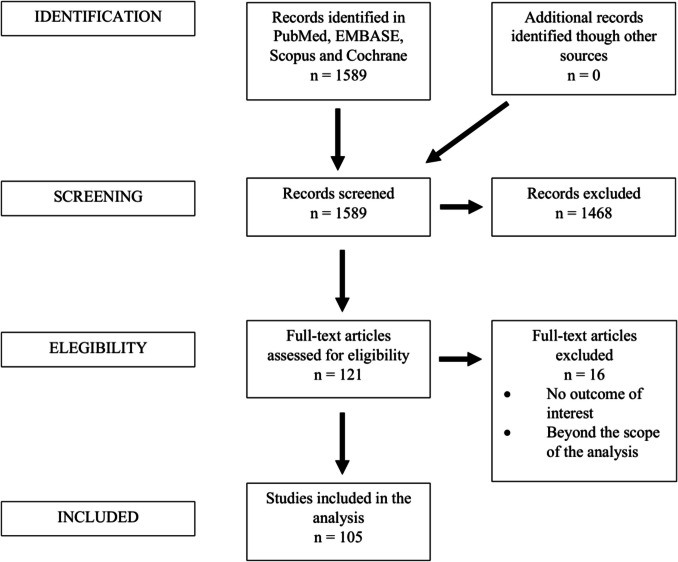 Figure 1
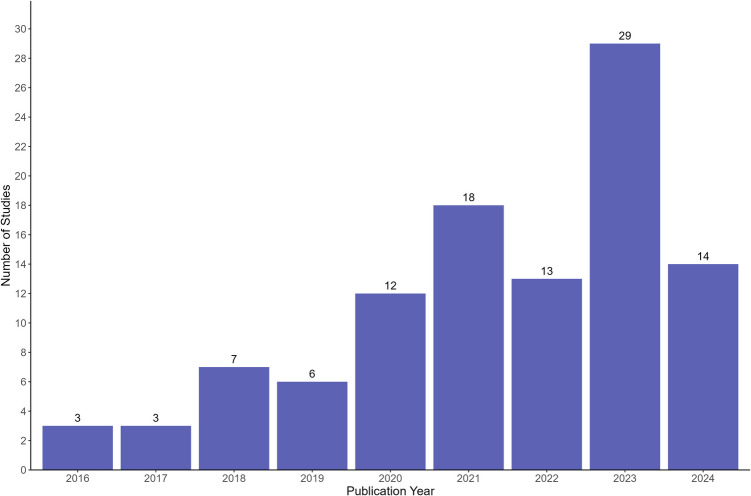 Figure 2
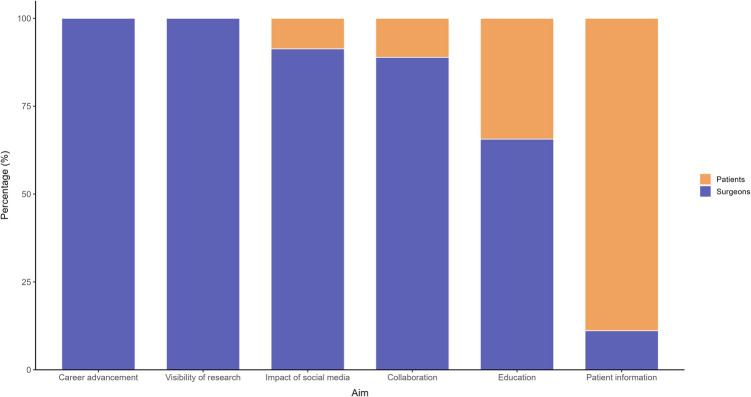 Figure 3
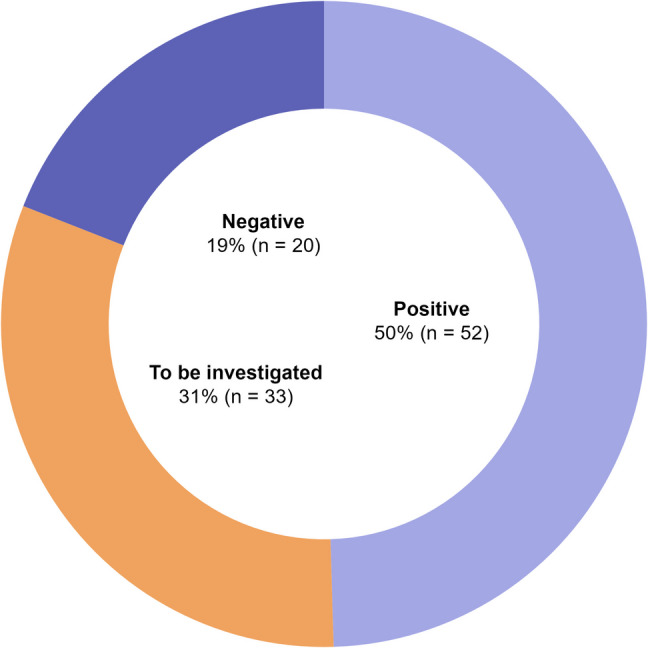 Figure 4
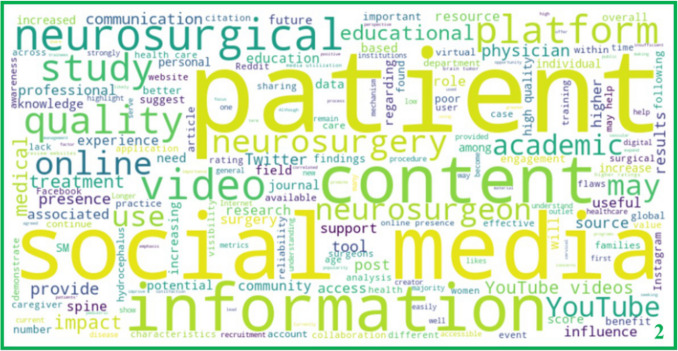 Figure 5
- —University of Zurich
Peer Reviews
No public reviews on file for this paper yet. If you reviewed it on a platform where reviews are public (OpenReview, ICLR, NeurIPS, ICML), you can paste yours below so the community can read it here.
Videos
No videos yet. Explain this paper in a talk, walkthrough, or lecture? Add one.
Taxonomy
TopicsSocial Media in Health Education · Patient-Provider Communication in Healthcare · Health Literacy and Information Accessibility
Introduction
The digital revolution has fundamentally changed communication across all professional fields, including the field of medicine[82], thanks to the introduction of new tools and platforms. Social media platforms, defined by the Cambridge English Dictionary as websites and computer programs that allow people to communicate and share information on the internet using a computer or mobile phone, particularly stand out for their widespread adoption and impact[24, 31, 55]. They can be used for various purposes, including communication, networking, marketing, and information dissemination[15].
In the medical field, the use of social media platforms is equally diverse. Individual practitioners, medical institutions, and scientific journals use these platforms to share the latest advances in clinical research, facilitate real-time discussions, and promote interdisciplinary exchange. Simultaneously, important medical knowledge is made easily accessible to the broad public. Key aspects of social media platforms, such as user-friendly interfaces, effortless navigation, and widespread accessibility, have led them to become an important aspect of modern healthcare[68].
In neurosurgery, a highly specialized and continuously evolving field, social media may serve as a valuable vehicle for information exchange, professional networking, and patient outreach. In 2019, approximately 70% of neurosurgical attendings, residents, and fellows used social media for professional purposes[91, 119]. Of note, platform usage varies considerably depending on the user group.
Patients tend to prefer platforms such as Facebook or X (formerly Twitter), while neurosurgeons are more likely to use Doximity or Linkedin[103]. Furthermore, social media engagement is more prevalent in private practice caregivers compared to neurosurgeons practicing in academic institutions[103], and usage is mostly limited to younger individuals[8, 103]. Despite its considerable potential, the increasing use of social media in neurosurgery also presents several challenges. These include risks of patient privacy violation, the propagation of unrealistic expectations, an overemphasis on imaging at the expense of clinical context, and concerns regarding the reliability and accuracy[5].
All things taken into consideration, the benefits of social media may be increasingly significant in the field of neurosurgery. However, despite its growing influence, the role of social media in the neurosurgical field has not been thoroughly analyzed. Considering both the promising potential and its affiliated challenges and risks, it is crucial to critically assess the role of social media in neurosurgery. Therefore, this systematic review aims to explore its function within the discipline and provide guidance for patients, students, caregivers, faculty, and journals in evaluating the advantages and disadvantages of integrating social media into neurosurgery. Furthermore, it aims to facilitate the development and understanding of influential content and enhance the interaction between patients and neurosurgeons.
Methods
Overview
A systematic review was conducted to identify studies investigating the implementation of social media within the neurosurgical field. The review was performed in accordance with the Preferred Reporting Items for Systematic Review and Meta-Analyses (PRISMA) guidelines[88]. A completed PRISMA checklist is available in Supplementary File 1.
Search Strategy
The PubMed MEDLINE, Embase (Elsevier), Scopus (Elsevier), and Cochrane Library databases were queried using the following search query:
("neurosurg*" OR “neurological surger*”) AND ("social media" OR "media exposure" OR “youtube” OR "twitter" OR "facebook" OR "tiktok" OR "linkedin" OR "instagram" OR "snapchat").
All references were retrieved on October 21 st, 2024, and imported into a web-based systematic review platform (Rayyan.ai) for deduplication and subsequent screening[87]. Title and abstract screening, full-text review, and final study inclusion were independently conducted by two reviewers (V.B. and E.C.). Any disagreements were resolved through discussion and consensus, and if consensus could not be reached, a third independent reviewer (V.E.S.) was consulted.
Selection Criteria
Studies were eligible for inclusion if they explicitly addressed the role, impact, or use of social media in any neurosurgical subspecialty, with a focus on professional or academic applications. All age groups, sexes, and ethnicities were considered. Articles were required to be published in English, German, Italian, or Dutch. Exclusion criteria included: (1) studies not directly related to neurosurgical practice, (2) studies focused exclusively on other medical specialties, and (3) article types such as case reports, commentaries, and letters to the editor.
Data Extraction
Data extraction was independently performed by two reviewers (V.B. and E.C.) using a standardized form. Extracted variables included year of publication, journal, neurosurgical subspecialty, social media platforms assessed, purpose of use, target audience, and sentiment. Sentiment was evaluated based on the narrative tone of the conclusions of the included studies.
Data Analysis
A narrative synthesis following the Synthesis Without Meta-analysis (SWiM) guidelines was performed[21]. Data were presented as counts and percentages. All descriptive statistical analyses were conducted using Excel (Version 2408, Microsoft, Redmond, Washington, USA) and R statistical software (version 4.2.3., R Foundation for Statistical Computing, Vienna, Austria).
Results
Search Results
A total of 1,589 unique records were identified across databases. Following title and abstract screening, 121 studies underwent full-text review, of which 105 met the inclusion criteria[1, 2, 4, 6–14, 17–20, 22, 23, 25–30, 32–38, 40–54, 56, 57, 59–67, 69, 71–81, 83–86, 89–95, 97–101, 104–106, 108–124]. The study selection process is illustrated in the PRISMA flowchart (Fig. 1), and an overview of study characteristics is summarized in Table 1.Fig. 1PRISMA flow diagram illustrating the study selection processTable 1Overview of General Characteristics of Included StudiesAuthorsYear of publicationSubspecialtyTopic of articleAudiencePrimary AimSocial Media Platforms Used/InvestigatedAbdullah M et al2024General NCHNeurosurgery and Social Media: A Bibliometric AnalysisNeurosurgeonsCollaborationWeb of Science databaseAgarwal N et al2021SpineScoliosis correction surgeryPatientsPatient informationInstagramAlamri A et al2018General NCHBrainbookPatientsCollaborationTwitter, YouTube and InstagramAlotaibi NM et al2017BrainBrain Aneurysms and Subarachnoid HemorrhagePatientsPatient informationFacebook, Twitter, YouTubeAlotaibi NM et al2016General NCHPossible factors for engagement and reach among SM users in neurosurgeryNeurosurgeonsImpact of social mediaFacebook, TwitterAlotaibi NM et al2016General NCHRelationship betw. Social media metrics and academic indicesNeurosurgeonsImpact of social mediaFacebook, TwitterAlotaibi NM et al2016General NCHSocial media in NCHNeurosurgeonsImpact of social mediaFacebook, Twitter, YouTubeArfaie S2022General NCHCanadian Medical Student Interest Group in Neurosurgery (CaMSIGN)NeurosurgeonsCollaborationYoutubeArpa A et al2023SpineSpina BifidaPatientsEducation—PatientYouTubeAydin SO et al2023SpineSpinal cord stimulationNeurosurgeonsEducation—DoctorsInstagramBaker JD et al2021SpineCervical FusionPatientsEducation—PatientYoutubeBandyopadhyay S et al2022General NCHWomen in NCHNeurosurgeonsCareer advancementSoMeBernsteinDN et al2021SpineSpine surgeons SM useNeurosurgeonsImpact of social mediaFacebook, Twitter, Instagram, LinkedIn, YoutubeBird C et al2020BrainTumorPatientsImpact of social mediaFacebook pages and groups, YouTube videos, and Twitter or Instagram accountsBoudreau HS et al2023General NCHNeurosurgery residency websites (NRWs)NeurosurgeonsEducation—DoctorsNeurosurgery residency websites (NRWs)Bozkurt I et al2021General NCHSocial media in NCHNeurosurgeonsImpact of social mediaSoMeCanty MJ et al2019General NCHSelective dorsal rhizotomy for childrenPatientsPatient informationFacebook, Twitter, YouTubeChaurasia B et al2022General NCHNeurosurgery CocktailNeurosurgeonsEducation—DoctorsFacebookKumar et al2019General NCHNCH operating videosNeurosurgeonsCollaborationYouTubeChisolm P et al2021General NCHResidency program applications and Social MediaNeurosurgeonsEducation—DoctorsTwitter, Facebook, Instagram, residency websites, and the Visiting Student Application Service (VSAS)Cloney MB et al2023General NCHSocial media in NCHNeurosurgeonsImpact of social mediaTwitter, Instagram, Facebook, Doximity Residency rankings, US News & World Report rankingsConti A et al2023General NCHNeurosurgery CocktailNeurosurgeonsImpact of social mediaFacebook, Twitter, YouTube, Instagram, blogs, RedditDaggubati LC et al2021General NCHNCH and TwitterNeurosurgeonsImpact of social mediaTwitterD'Amico RS et al2021General NCHBRAINternsNeurosurgeonsEducation—DoctorsOpen-access webinar series ("BRAINterns")Davies B et al2018SpineDegenerative Cervical MyelopathyPatientsPatient informationFacebook, Twitter, Google AdWordsDoenges JE et al2020General NCHCarotid endarterectomy (CEA)NeurosurgeonsEducation—DoctorsYoutubeDonnally CJ et al2018SpinePhysician ratingNeurosurgeonsCareer advancementFacebook, Twitter, Instagram, Healthgrades, Vitals, GoogleDonnally CJ et al2020SpinePhysician ratingNeurosurgeonsCareer advancementFacebook, Twitter, Instagram, Healthgrades, Vitals, GoogleEfe IE et al2024BrainAwake craniotomyPatientsEducation—PatientYoutubeEl Naamani K et al2023General NCHNeurosurgery Influencers on TwitterNeurosurgeonsCollaborationTwitterElarjani T et al2022General NCHUS NCH training programs and Social MediaNeurosurgeonsImpact of social mediaTwitterElkaim LM et al2020BrainDeep brain stimulationPatientsPatient informationTwitterEncarnacion Ramirez MJ et al2024General NCHNCH among Low-Middle income countriesNeurosurgeonsEducation—DoctorsTwitter, Facebook, Instagram and LinkedInFaisal UH et al2023BrainCerebrovascular Q&A webinar seriesNeurosurgeonsEducation—DoctorsZoom, YouTubeGajjar A et al2023BrainMoyaMoyaPatientsPatient informationTwitter, TikTok, InstagramGajjar AA et al2023BrainCerebral aneurysmsPatientsPatient informationTwitter, TikTok, InstagramGajjar AA et al2024BrainCerebral cavernous malformationsPatientsPatient informationTwitter and InstagramGarcia G et al2024General NCHSocial events, NetworkingNeurosurgeonsCareer advancementXGill AS et al2021BrainPituitary and Endoscopic Skull Base SurgeryPatientsEducation—PatientYoutube, GoogleGiordano M et al2024BrainVestibular schwannomaPatientsEducation—PatientYoutubeGodolias P et al2022SpineLateral Spine SurgeryNeurosurgeonsEducation—DoctorsYouTubeHaider AS et al2023BrainTumorNeurosurgeonsPatient informationFacebook, Twitter, Instagram, LinkedInHamidi N et al2021BrainTumorPatientsPatient informationFacebook, Twitter, YouTubeHeisinger S et al2023SpineTLIFPatientsPatient informationYoutubeHolderread B et al2022SpineAnterior Cervical DiscectomyPatientsPatient informationInstagramHussein A et al2024SpineThe Virtual Global Spine Conference (VGSC)NeurosurgeonsEducation—DoctorsFacebook, Twitter, YoutubeJenkin Sy J et al2023BrainHydrocephalusPatientsEducation—PatientYoutubeJoshi SS et al2018General NCHWhats app as referral serviceNeurosurgeonsImpact of social mediaWhatsappKearns K et al2023General NCHJ of Neurooncology and their social media activityNeurosurgeonsVisibility of researchJournal of Neurooncology, Facebook, TwitterKim C et al2018General NCHNeurosurgeons digital profilesNeurosurgeonsCareer advancementTwitter.com, Doximity.com, Linkedin.com, YouTube.com, Facebook.com,Knopf JD et al2020General NCHSurgery videosNeurosurgeonsEducation—DoctorsYoutube, other websitesKorkmaz M et al2024SpineUnilateral biportal endoscopic spine surgeryNeurosurgeonsEducation—DoctorsYoutubeKozyrev DA et al2023General NCHWhats appNeurosurgeonsImpact of social mediaWhats appKrakowiak M et al2021BrainArteriovenous malformationsNeurosurgeonsEducation—DoctorsYoutubeLamano JB et al2021General NCHPhysician ratingNeurosurgeonsPatient informationTwitter, Facebook, YouTube, InstagramLavadi RS et al2022General NCHProductivity of neurosurgeons using SMNeurosurgeonsCollaborationSoMeLE CH et al2024General NCHNeurosurgery CocktailNeurosurgeonsCollaborationFacebook, Twitter, Instagram, LinkedInLevett JJ et al2023SpinePediatric spine surgeryPatientsPatient informationTwitterLinzey JR, et al2020General NCHThe Journal of Neurosurgery Publishing Group (JNSPG) social media team (SMT)NeurosurgeonsImpact of social mediaFacebook, TwitterLynch CP et al2022SpineCervical spine literature and Social MediaNeurosurgeonsVisibility of researchTwitter, Facebook, NewsMadhugiri VS et al2024General NCHGeneral NCHNeurosurgeonsImpact of social mediaMedline indexed neurosurgical journalsMalhotra K et al2023General NCHNeurosurgery Awareness MonthNeurosurgeonsCollaboration4 social media (Twitter) assessment tools (Sprout Social, SocioViz, Sentiment Viz, and Symplur) and Google TrendsMata-Gomez J et al2018General NCHNCH and Social Media in SpainNeurosurgeonsImpact of social mediaFacebook, Twitter, YoutubeMayo I et al2019BrainExternal Ventricular Drain (EVD)NeurosurgeonsEducation—DoctorsYoutubeMcAlpine H et al2021BrainPrimary brain tumorsPatientsPatient informationSoMeMcBriar JD et al2022General NCHNCH and TikTokPatientsPatient informationTikTokMoens M et al2024SpineSpinal Cord StimulationPatientsEducation—PatientFacebook, Twitter, YouTube, Instagram, blogs, Reddit, Vimeo, GoogleMohile NV et al2023SpineLumbar Disc HerniationsPatientsEducation—PatientYouTubeMota Telles JP et al2020General NCHNCH and HashtagsNeurosurgeonsCollaborationTwitter, InstagramNewall N et al2021General NCHCase-based discussions (CbDs)NeurosurgeonsEducation—DoctorsTwitterNiazi F et al2023BrainMicrovascular decompressionPatientsPatient informationTwitterNouri A et al2022General NCHNCH and Social MediaNeurosurgeonsImpact of social mediaSoMeOchuba P et al2021General NCHMicrosurgical techniquesNeurosurgeonsEducation—DoctorsYoutubePando A et al2023General NCHNeurosurgeons SM printNeurosurgeonsImpact of social mediaInstagramPatel MR et al2022SpineMedia presence and dissemination of spine literatureNeurosurgeonsVisibility of researchTwitter, InstagramPhillips HW et al2019General NCHUse of social media amongst neurosurgeonsNeurosurgeonsImpact of social mediaSoMePowell K et al2023General NCHFinancial conflict of interestNeurosurgeonsImpact of social mediaTwitterRaturi V et al2024General NCHMost influential women in NCHNeurosurgeonsImpact of social mediaTwitterRiccio I et al2023General NCHConcerns about SM by neurosurgeonsNeurosurgeonsImpact of social mediaTwitterRichardson MA et al2021SpineOnline attention and AAS in seven spine journals.#NeurosurgeonsVisibility of researchTwitter, FacebookSader N et al2020BrainEndoscopic third ventriculostomy and endoscopic third ventriculostomy with choroid plexus cauterization for pediatric hydrocephalusPatientsImpact of social mediaYouTubeSafa A et al2023SpineRobotic Spine SurgeryPatientsEducation—PatientYouTubeSama A et al2020SpinePhysician ratingNeurosurgeonsCareer advancementFacebook, Twitter, Instagram, Healthgrades, Vitals, GoogleSamuel N et al2017General NCHNCH and YoutubeNeurosurgeonsPatient informationYoutubeSciscent BY et al2023General NCHAdoption of Twitter by matched neurosurgery applicants before and during the COVID-19 pandemicNeurosurgeonsEducation—DoctorsTwitterSledzinska et al2021BrainMeningioma TreatmentNeurosurgeonsEducation—DoctorsYoutubeSorba EL et al2023General NCHSocial media on altmetricsNeurosurgeonsVisibility of researchTwitter and European Journal of NeurosurgerySotudeh H et al2018General NCHGender differenceNeurosurgeonsVisibility of researchFacebook, Linkedin,Stogowski P et al2022SpineALIFPatientsEducation—PatientYoutubeSubramanian T et al2023SpineNCH Spine and TikTokPatientsPatient informationTikTokSwiatek PR et al2023SpineAnterior Cervical Discectomy and Fusion (ACDF) SurgeryPatientsPatient informationSocial media outletSzmuda T et al2021BrainAneurysmsPatientsPatient informationYouTubeSzmuda T et al2020BrainHydrocephalusPatientsEducation—PatientYoutubeTemel MH et al2024BrainTraumatic Brain InjuryNeurosurgeonsEducation—DoctorsYoutubeTeton ZE et al2020General NCHThe Neurosurgical AtlasNeurosurgeonsEducation—DoctorsFacebook,Twitter, Instagram, Neurosurgical atlas website and appTo J et al2023SpineSpinal cord conditions and RedditPatientsPatient informationRedditTo J et al2023BrainCranial neurosurgical diseasePatientsPatient informationRedditTo J et al2024General NCHNCH and RedditPatientsPatient informationRedditTripathi SD et al2022BrainBrain tumorsPatientsPatient informationRedditUdawatta M et al2019General NCHUse of social media amongst neurosurgeonsNeurosurgeonsImpact of social mediaSoMeWang J et al2017General NCHAltmetricNeurosurgeonsVisibility of researchFacebook, Twitter, blogs, and mainstream media sourcesWaqas M et al2021General NCHNCH residents and Social MediaNeurosurgeonsVisibility of researchSoMeWard M et al2019General NCHEducational quality of NCH Resources on YoutubeNeurosurgeonsEducation—DoctorsYoutubeWard MS et al2023BrainBrain tumorPatientsPatient informationYoutubeYakar F et al2020General NCHNCH and InstagramPatientsPatient informationInstagram
Publication Characteristics
The included studies were published between 2016 and 2023, with a marked increase in publications over the past eight years (Fig. 2). The year 2023 accounted for the highest number of studies, with 29 studies (28%) being published in that year. World Neurosurgery and its companion journal, World Neurosurgery X, were the most common publication venues, collectively accounting for 39% (n = 41) of all included studies.Fig. 2. Bar chart of included studies by publication year
Neurosurgical Subspecialties
Of the 105 studies, 55 (52%) addressed general neurosurgical topics without focusing on a neurosurgical subspecialty. 25 studies (24%) focused on the use of social media in the context of intracranial surgery, and 25 studies (24%) examined its implementation in spine surgery.
Social Media Platforms Investigated
X (formerly known as Twitter) was the most frequently investigated platform (n = 49, 47%), followed by YouTube (n = 42, 40%), other platforms (n = 34, 32%), Facebook (n = 32, 30%), Instagram (n = 26, 25%), LinkedIn (n = 7, 7%), Reddit (n = 6, 6%), and TikTok (n = 4, 4%) (Table 2). Among all included studies, more than half (n = 56, 53%) assessed multiple social media platforms. Table 2. Social Media Platforms Investigated Across Included StudiesPlatformNumber of StudiesYear of Highest ProminenceX (formerly Twitter)49 (25%)2023YouTube42 (21%)2021Facebook32 (16%)2020Instagram26 (13%)2023LinkedIn7 (4%)2024Reddit6 (3%)2023TikTok4 (2%)2023Other34 (17%)2023Total****200
Primary Aims of Social Media Use
Patient Information and Education
The most frequently reported purpose (n = 38, 36%) of social media use in neurosurgery was patient education and information dissemination. These studies highlighted the role of social media in providing clear, accessible content aimed at countering misinformation, improving health literacy, and supporting informed decision-making. An overview of the study categorizations is presented in Table 3 and Fig. 3. Table 3. Distribution of Included Studies by Primary Aim and Platform EvaluatedPrimary AimNumber of StudiesX (formerly Twitter)YouTubeFacebookInstagramLinkedInRedditTikTokOtherPatient information27129681443Impact of social media2314710621011Education—Doctors21611541007Education—Patient11111110102Collaboration953131003Career advancement651431003Visibility of research8605110051054942322676434The total number of studies is lower than the sum of platform-specific counts, as several studies evaluated multiple social media platforms simultaneouslyFig. 3Stacked bar chart illustrating the primary aims of included studies, categorized by target group
Evaluation of Social Media Impact
23 studies (22%) evaluated the broader impact of social media within the field of neurosurgery. These studies noted benefits such as enhanced education, professional networking, and outreach, while also reporting risks such as the spread of misinformation and ethical concerns. Quantitative measures, including follower counts, impressions, and interaction metrics, were commonly used to characterize social media reach and usage patterns.
Education of Healthcare Providers
21 studies (20%) addressed the use of social media as an educational tool for neurosurgeons and trainees. These studies reported the use of social media platforms to deliver educational content via formats such as video lectures, webinars, and live-streamed procedures. They also described peer-to-peer interactions facilitating the exchange of clinical insights, procedural techniques, and treatment strategies. Furthermore, the use of social media platforms as a means to share curated resources such as clinical guidelines and recent publications was noted.
Collaboration
Nine studies (9%) investigated the role of social media in fostering collaboration among neurosurgeons and other healthcare professionals. Reported uses included consultations on complex cases across institutional and geographic boundaries, interdisciplinary engagement for joint research or clinical care, and the organization of virtual events such as conferences, workshops, and webinars. These initiatives were noted to enhance accessibility and participation, particularly in resource-limited settings.
Research Visibility
Eight studies (8%) explored the use of social media in enhancing the visibility of neurosurgical research. These studies described how platforms were used to disseminate findings beyond traditional academic audiences, promote open-access materials, and encourage academic discourse.
Career Advancement
Six studies (6%) examined the role of social media in professional growth and career advancement for neurosurgeons. These studies emphasized the value of platforms in building professional identity and reputation by showcasing expertise, sharing achievements, and increasing visibility within the neurosurgical community and broader medical landscape.
Target Audiences
67 studies (64%) focused on neurosurgeons as a primary target audience, with topics such as continuing education, peer networking, and professional development. The remaining 38 studies (36%) targeted patients, primarily focusing on the delivery of health-related information and support for informed decision-making.
Sentiment Analysis
Sentiment toward social media use in neurosurgery was described as predominantly positive in 52 studies (50%). 20 studies (19%) conveyed predominantly negative sentiment, most often related to concerns about misinformation, data privacy, and ethical considerations. 33 studies (31%) indicated that further investigation was needed to better characterize the effectiveness and risks associated with social media use in neurosurgery (Fig. 4).Fig. 4. Donut chart depicting the distribution of sentiment across included studies
Discussion
The integration of social media into the field of neurosurgery represents a significant shift in how neurosurgeons, patients, and the broader medical community interact, communicate, and share knowledge[27]. This systematic review highlights the implementation and integration of social media platforms into the field of neurosurgery from 2016 to the present time, underscoring both its potential benefits and the inherent challenges that accompany this integration.
The reviewed literature demonstrates a significant rise in the use of social media by neurosurgeons and neurosurgical organizations, underscoring its potential in patient and healthcare provider education and research dissemination (Fig. 5). Among the social media platforms, X (formerly Twitter) and Instagram have emerged as the predominant channels for sharing academic insights and building professional networks in the neurosurgical field. As a result, the majority of professionally produced neurosurgical content is concentrated on those two platforms, reflecting a broader trend seen in most medical and scientific fields[24, 55]. In contrast, video content on YouTube, while abundant, is generally of low to moderate quality[51, 54, 108]. Authors have thus suggested some form of quality-control/peer-review, especially for patient education, which may translate into a curated video bank for neurosurgical pathologies[48, 64]. Similarly, platforms such as TikTok, though potentially useful for patient education, often contain biased or suboptimal content, limiting their reliability as standalone resources[78, 109].Fig. 5. Word cloud of the most frequently occurring terms in the included studies
Social Media in Neurosurgery: Advantages
The adoption of social media in neurosurgery has been accelerating, driven by its capacity to enhance communication, education, and collaboration on a global scale. Platforms such as X (formerly Twitter), Instagram, YouTube, and specialized medical forums have become valuable tools for the distribution of research, surgical techniques, and clinical cases[125]. These platforms offer borderless real-time exchanges of knowledge that were previously constrained by geographical and institutional barriers [107]. Neurosurgeons are now able to follow and contribute to the latest developments in the field, fostering a dynamic and collaborative environment [6, 85]. Furthermore, social media has been integrated into neurosurgical education and training [40, 76, 86]. Neurosurgical conferences nowadays often include live social media coverage, making discussions, presentations, and debates accessible to a broader audience, including those who may not be able to attend in person. For trainees, social media provides a platform for case-based learning, peer interaction, and the review of surgical videos and techniques that might not otherwise be readily available[8, 121]. This open sharing of knowledge has made neurosurgical education more accessible and created a more connected global neurosurgical community.
Additionally, content shared by neurosurgeons on social media platforms is often visible to the public, including patients, which adds another dimension to knowledge distribution. Patients may benefit from exposure to expert perspectives, improving their understanding of medical conditions and treatment options. Moreover, patient-generated content, such as personal experiences and health information shared on platforms like X (formerly Twitter) and Reddit, may provide additional valuable insights into patient health and perceptions, offering data that were previously difficult to access.
The observed rise in usage of social media platforms suggests that maintaining a social media presence can offer neurosurgeons various substantial benefits, including improved patient reviews, enhanced departmental reputation, and, in some cases, bolstered academic success. Moreover, social media may foster interdisciplinary collaboration, facilitate knowledge sharing, and improve access to educational content.
Social Media in Neurosurgery: Challenges and Concerns
Despite the numerous benefits of social media diffusion in neurosurgery, its introduction also brings potential drawbacks that must be considered and addressed. One of the most significant challenges is the potential spread of misinformation. While social media allows for the rapid circulation of information, it also facilitates the unregulated sharing of non-evidence-based or incorrect medical advice[96]. Neurosurgeons must be cautious about the quality of content they engage with and share, ensuring that it aligns with evidence-based practices. Furthermore, patient confidentiality and privacy concerns are paramount, and any sharing of clinical cases must comply with ethical standards, including obtaining patient consent where appropriate[9, 39].
The legal implications of sharing medical content on social media, particularly in terms of intellectual property and patient confidentiality, can be complex[58]. Neurosurgeons must navigate these issues carefully, ensuring they are compliant with institutional and national regulations, as well as with the guidelines of professional societies. Furthermore, there is an ongoing debate about the role of social media in maintaining professional credibility[66, 91]. While one can successfully utilize social media platforms to enhance their reputations, there exists a risk of potentially blurring the lines between professionalism and self-promotion. Neurosurgeons must strike a balance between engaging in educational and collaborative exchanges and maintaining a professional demeanor that upholds the integrity of the field.
While challenges remain in content quality and bias, the strategic use of social media platforms holds immense potential for advancing neurosurgical practice, education, and research.
Patient Information and Education
Patient education is a key strategy to mitigate low health literacy, which is strongly associated with adverse health outcomes[16, 102]. In neurosurgery, effective education is particularly important given the complexity of surgical procedures and the severity of the conditions treated. Social media platforms offer a unique opportunity to reach patients due to their widespread use. Among these, YouTube has emerged as a leading source of educational content. However, because such videos are not subject to peer review, studies included in this review have consistently reported limitations in their quality and reliability[13, 35, 47, 54, 80]. This is where the afore-mentioned suggestion for a peer-review process or curated repositories tailored to neurosurgery might prove valuable.
A further concern is that some videos may serve as disguised advertisements rather than objective educational material. Ward et al. highlighted this issue, noting that unlike traditional advertisements, such content often lacks clear labeling and may mislead viewers[122]. Similar challenges have been reported on platforms such as X (formerly Twitter) and Instagram, where paid promotional content is frequently posted without disclosure[122]. Addressing these issues is crucial to enhance the reliability of patient education materials in neurosurgery.
Education of Healthcare Providers
Surgical education has undergone a profound transformation in recent decades with the introduction of virtual and augmented reality, high-fidelity simulators, and video-based platforms. More recently, social media has emerged as an additional avenue for surgical training[70]. Among these platforms, YouTube, Instagram, and X (formerly Twitter) have become the most widely used for disseminating educational content.
Evidence suggests that especially video-based learning can support technical skill acquisition among surgical trainees[3]. A study included in our review by Mayo et al. assessed the available YouTube training videos on external ventricular drain placement, one of the most common neurosurgical procedures. The authors found a large volume of videos available, but only few which were effective in regards to educational value and accessibility[76]. Similarly, Faisal et al. investigated the use of webinars for teaching cerebrovascular and endovascular procedures to physicians and trainees. Their findings indicate that webinar-based education was not only perceived as effective but also stimulated new research ideas, facilitating interaction across geographical boundaries and levels of training [41]. In this context, social media–based education holds particular promise for low- and middle-income countries, where it may enhance access to training resources, foster real-time collaboration, and enable case-based discussions[27, 40, 83]. Beyond education, these platforms may therefore play a broader role in advancing global neurosurgery.
Collaboration
One of the most significant advantages of social media in neurosurgery is its ability to facilitate collaboration across diverse stakeholders, including academic institutions, journals, industry partners, clinics, and individual practitioners. These platforms provide opportunities for interactions that would otherwise be difficult to establish. An example of this is the “Neurosurgery Cocktail” group, which is currently the largest neurosurgical community on social media. With more than 30′000 followers worldwide, it serves as a community for sharing clinical experiences, announcing activities, and promoting collaboration among neurosurgeons across different regions[23, 67]. Such initiatives show how social media can generate meaningful impact for neurosurgeons worldwide.
Research Dissemination and Academic Visibility
Another important advantage of social media lies in its ability to disseminate research, both from the perspective of individual authors and academic journals. For researchers, these platforms provide an opportunity to extend the reach of their work beyond traditional academic circles. Patel et al. demonstrated that authors’ social media activity was variably associated with altmetric metrics of visibility[90]. In contrast, studies evaluating systematic dissemination by journals revealed stronger effects, showing increases in article views, downloads, citations, and even positive influences on journal impact factors [57, 105, 120]. These findings support the establishment of an active social media presence by journals to maximize outreach and engagement.
Enhanced visibility on social media may also contribute to career advancement. Bandyopadhyay emphasized its potential to promote the inclusion of women in neurosurgery, highlighting how social media can be used to disseminate information, provide inspiration, mitigate biases, and facilitate mentorship[14]. Overall, these platforms enable networking and increase visibility and thus may potentially develop the path to new academic and professional opportunities.
Limitations of the Study
The key limitation of this systematic review lies in its reliance on available publications, which may lead to underrepresentation of social media activity that is informal or unpublished. Additionally, the dynamic and rapidly evolving nature of social media implies that certain findings may lose relevance over time, particularly as new platforms emerge, and usage patterns shift. Furthermore, the reliance on language-specific sources may have introduced bias, potentially leading to an underrepresentation of platforms more commonly used in low- and middle-income countries.
Future Perspectives
Neurosurgical institutions could significantly enhance the value of social media content by actively contributing and engaging with these platforms. Future efforts should focus on establishing clear guidelines for social media usage in neurosurgery, including standards for professionalism and patient confidentiality. Research should also explore the impact of emerging platforms and technologies, such as artificial intelligence-driven social media analytics, to enhance professional networking and knowledge sharing. Furthermore, studies on the impact of social media on patient outcomes, particularly in terms of understanding and satisfaction, are necessary to understand its broader implications in neurosurgical practice.
Conclusion
Social media is an increasingly valuable tool in neurosurgery for education, patient engagement, collaboration, and research dissemination. Physicians should use it to share evidence-based information, while researchers and journals can enhance the visibility and impact of their work through active engagement. A deliberate, evidence-informed approach is necessary to harness the benefits of social media platforms for the field of neurosurgery.
Supplementary Information
Below is the link to the electronic supplementary material.ESM 1(PDF 66.8 KB)
The reference list from the paper itself. Each links out to its DOI / PubMed record.
- 1Social media [Internet] (2025) [cited 2025 Oct 11]. Available from: https://dictionary.cambridge.org/dictionary/english/social-media
- 2Newall N, Smith BG, Burton O, Chari A, Kolias AG, Hutchinson PJ, Alamri A, Uff C, Brainbook (2021) Improving neurosurgery education using social media case-based discussions: a pilot study. World Neurosurg X 11:100103. 10.1016/j.wnsx.2021.10010310.1016/j.wnsx.2021.100103 PMC 809517233997763 · doi ↗ · pubmed ↗