Data Reduction Methodology for Dynamic Characteristic Extraction in Photoplethysmogram
Nina Sviridova, Sora Okazaki

TL;DR
This paper explores how to reduce PPG data while maintaining accuracy in health monitoring, finding optimal sampling rates and time lengths for reliable results.
Contribution
The study identifies optimal downsampling frequencies and time series lengths for reliable nonlinear analysis of PPG signals.
Findings
A sampling frequency of 200 Hz balances accuracy and computational efficiency for PPG signals.
Dynamical properties stabilize with a time series length of around 170 seconds, with less than 5% error.
gPPG and rPPG show similar effectiveness in estimating dynamical properties under controlled conditions.
Abstract
Photoplethysmogram (PPG) signals are increasingly utilized in wearable and mobile healthcare applications due to their non-invasive nature and ease of use in measuring physiological parameters, such as heart rate, blood pressure, and oxygen saturation. Recent advancements have highlighted green-light photoplethysmogram (gPPG) as offering superior signal quality and accuracy compared to traditional red-light photoplethysmogram (rPPG). Given the deterministic chaotic nature of PPG signals’ dynamics, nonlinear time series analysis has emerged as a powerful method for extracting health-related information not captured by conventional linear techniques. However, optimal data conditions, including appropriate sampling frequency and minimum required time series length for effective nonlinear analysis, remain insufficiently investigated. This study examines the impact of downsampling…
Genes, proteins, chemicals, diseases, species, mutations and cell lines named across the full text — each resolved to its canonical identifier and authoritative record.
Click any figure to enlarge with its caption.
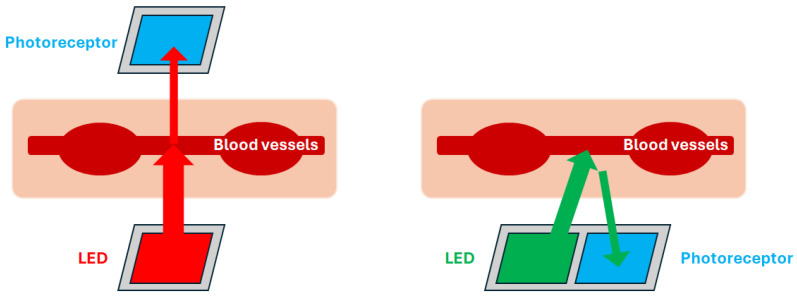 Figure 1
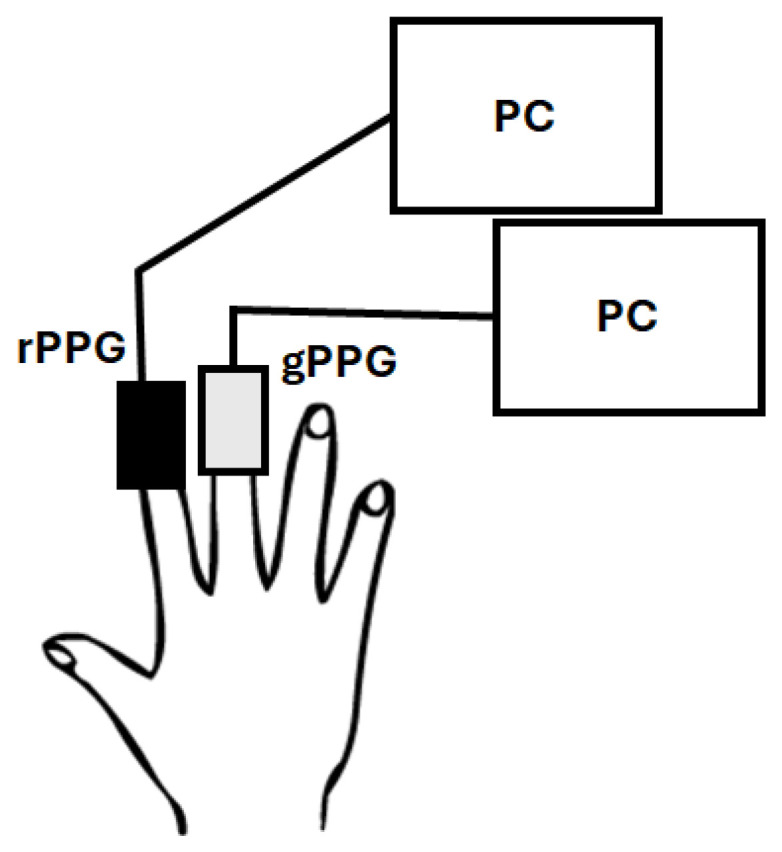 Figure 2
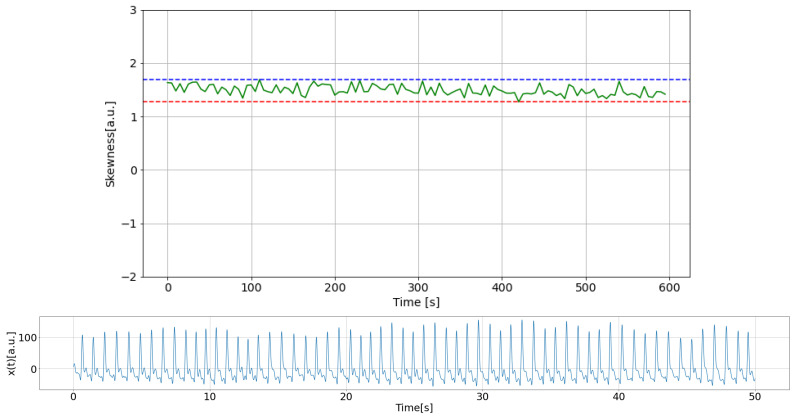 Figure 3
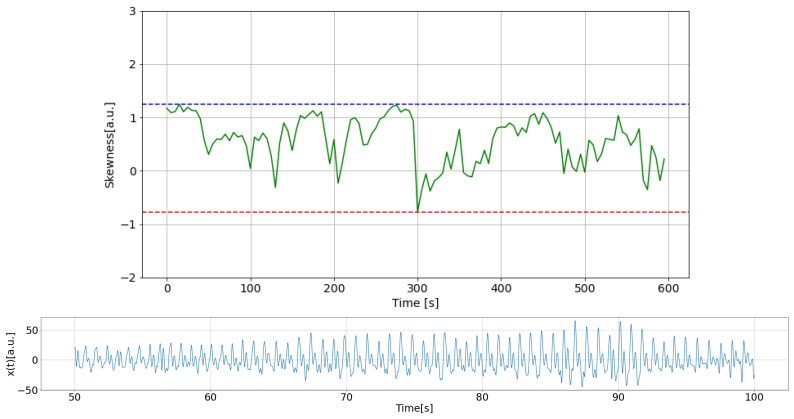 Figure 4
 Figure 5
 Figure 6
 Figure 7
 Figure 8
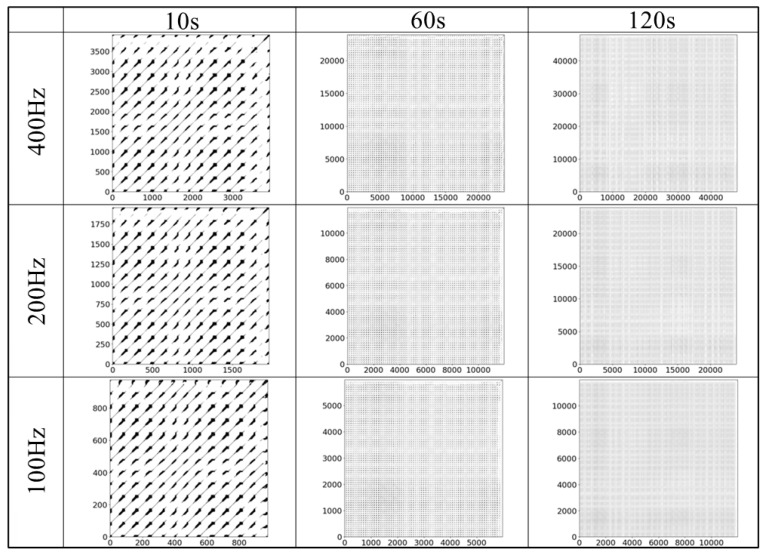 Figure 9
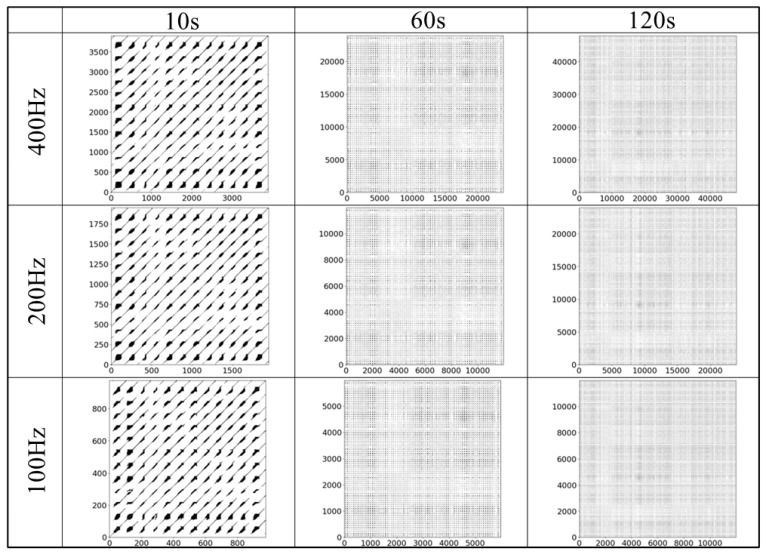 Figure 10
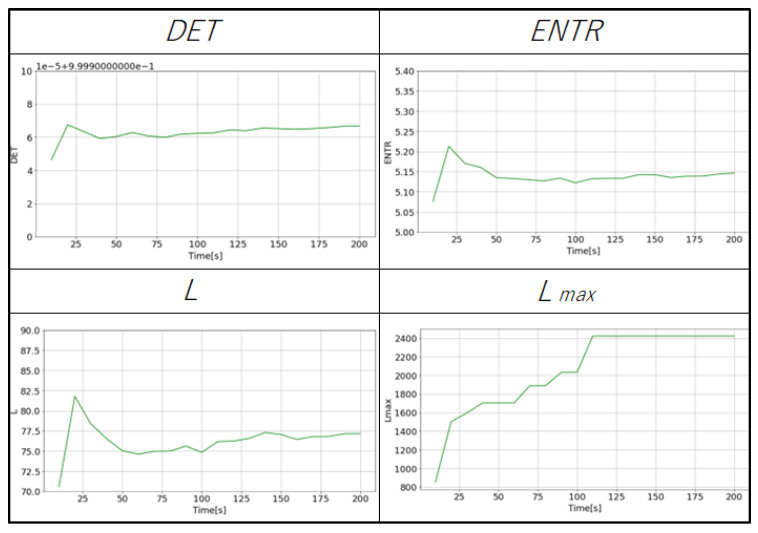 Figure 11
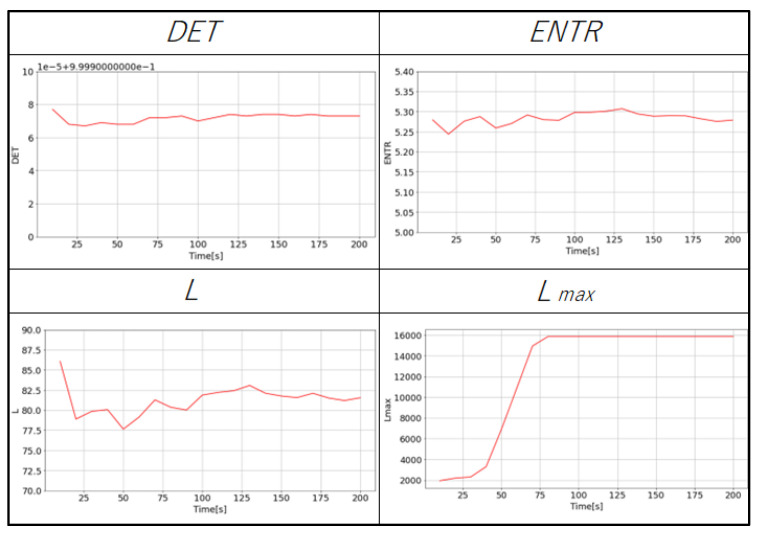 Figure 12
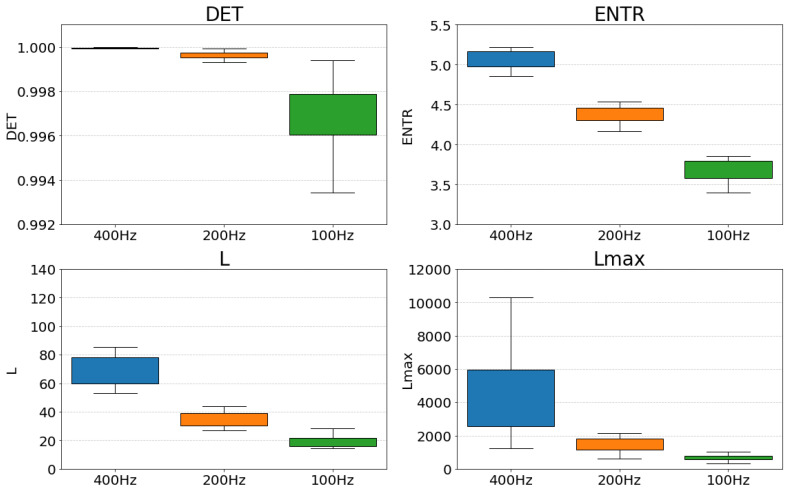 Figure 13
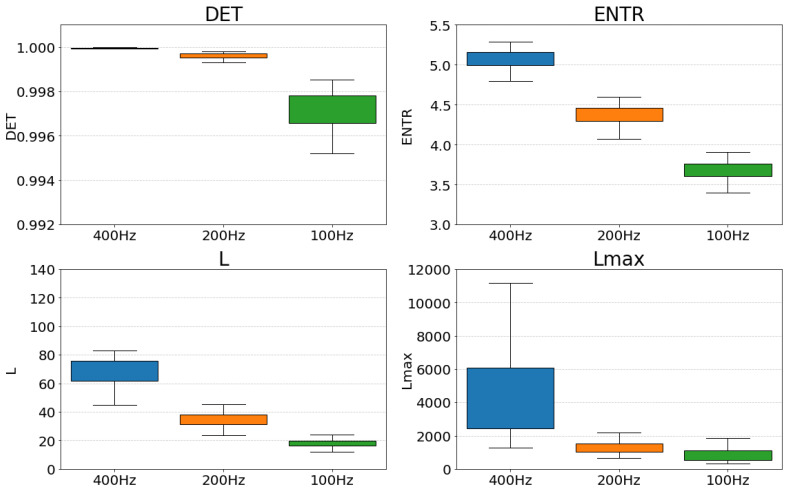 Figure 14
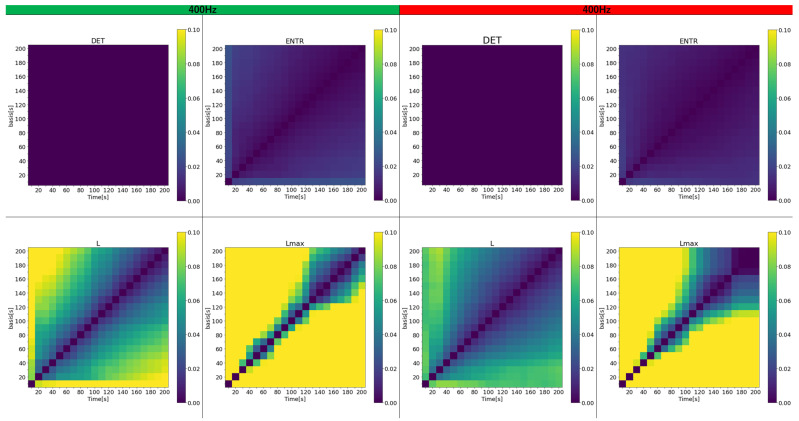 Figure 15
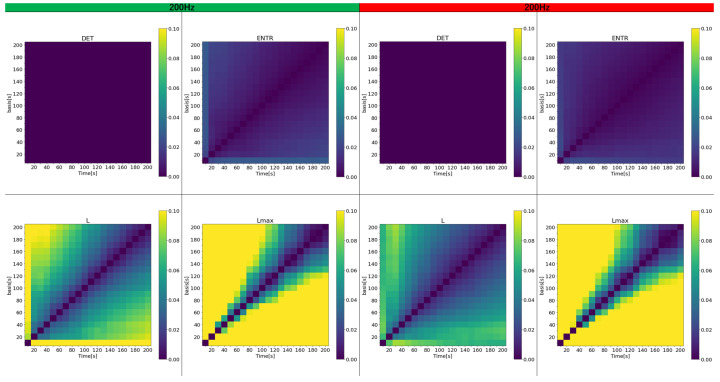 Figure 16
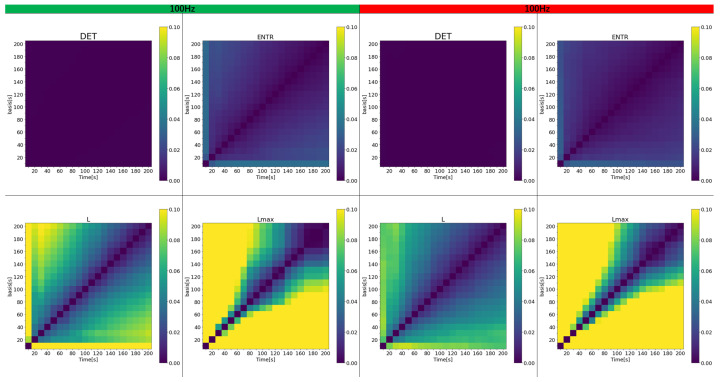 Figure 17
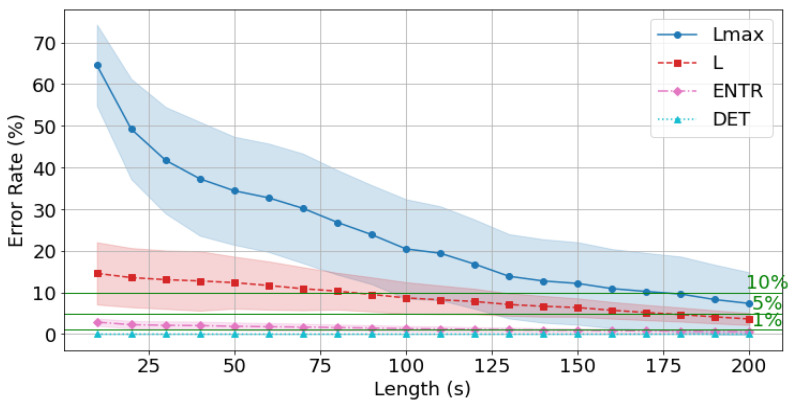 Figure 18
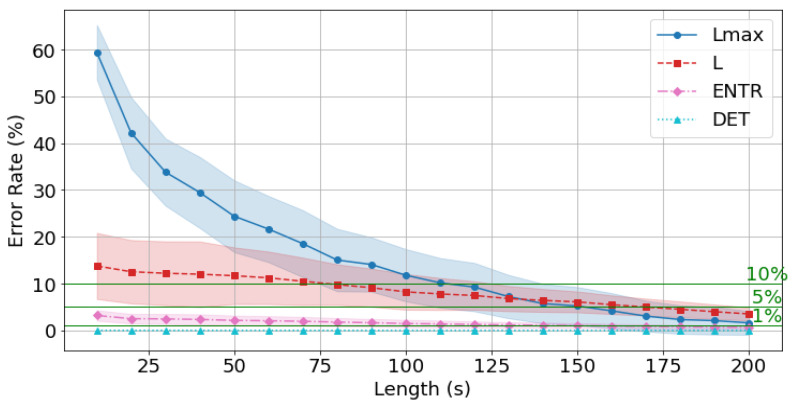 Figure 19
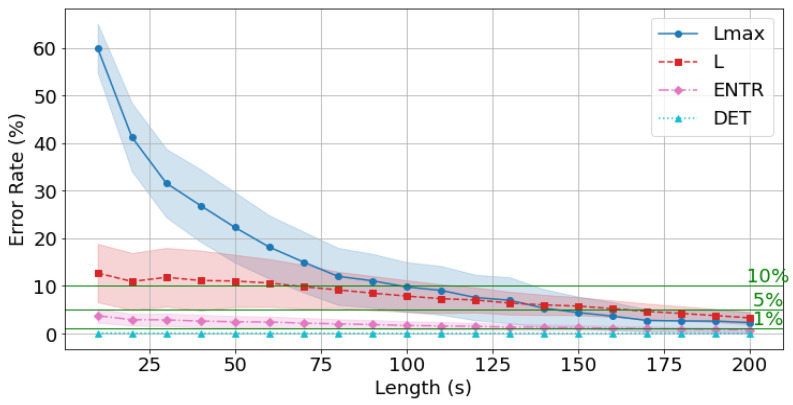 Figure 20
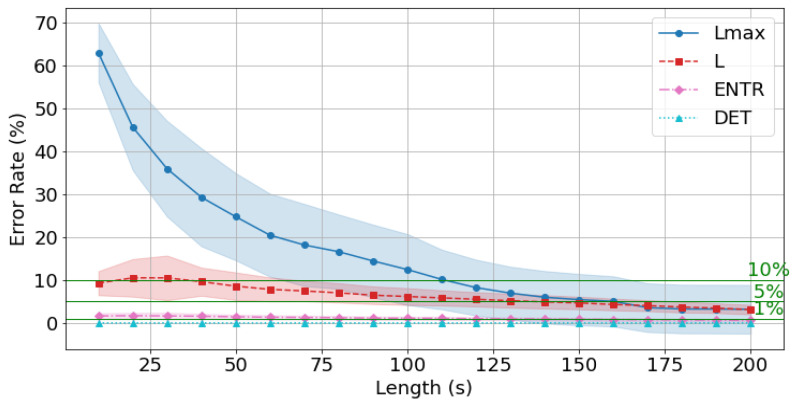 Figure 21
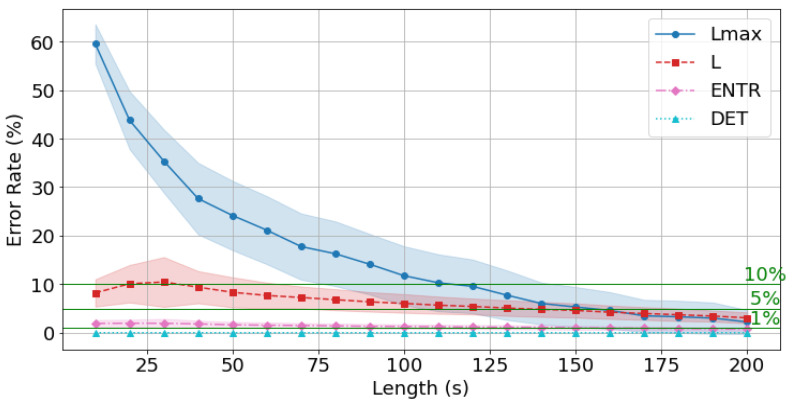 Figure 22
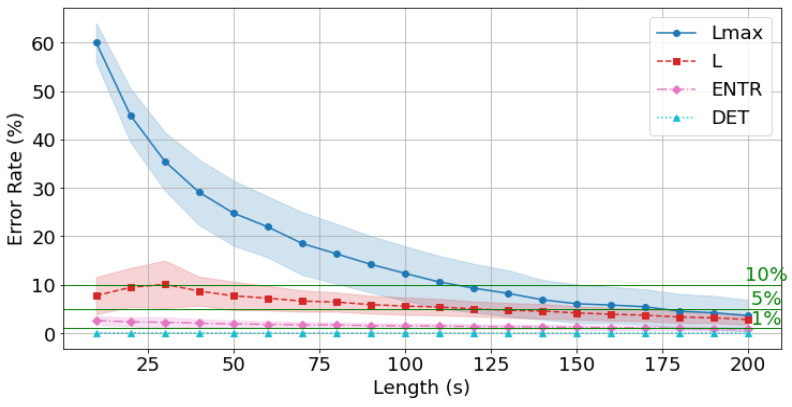 Figure 23
Peer Reviews
No public reviews on file for this paper yet. If you reviewed it on a platform where reviews are public (OpenReview, ICLR, NeurIPS, ICML), you can paste yours below so the community can read it here.
Videos
No videos yet. Explain this paper in a talk, walkthrough, or lecture? Add one.
Taxonomy
TopicsNon-Invasive Vital Sign Monitoring · Heart Rate Variability and Autonomic Control · EEG and Brain-Computer Interfaces