Virtual Environment for Rehabilitation of Upper Distal Limb Using a Haptic Device with Adaptive Impedance Control and Neural Compensation: A Preliminary Proposal
Yahel Cortés-García, Yukio Rosales-Luengas, Saul J. Rangel-Popoca, Sergio Salazar, Xiaoou Li, Rogelio Lozano

TL;DR
This paper proposes a virtual rehabilitation game using a haptic device to help patients with weak hand muscles regain strength through adaptive force assistance.
Contribution
A novel haptic-based virtual environment with adaptive impedance control and neural compensation for distal upper limb rehabilitation is introduced.
Findings
The system provides assistive force to guide patients along a desired trajectory regardless of their initial strength.
Initial experimental results show the feasibility of the proposed virtual-haptic rehabilitation approach.
Further studies are needed to confirm the system's clinical effectiveness.
Abstract
This research presents a preliminary proposal for a rehabilitation exercise aimed at patients with muscle weakness in the distal upper limb. A virtual environment was developed, where the user engages in a rehabilitation activity focused on rehabilitating the pinch grip. The goal is to strengthen the patient’s grasp and reduce muscle weakness. The virtual environment was designed as a video game in order to generate greater interest and encourage patients to adhere to their rehabilitation activities. This virtual game utilizes the haptic device Novint Falcon for the interaction with the environment. This preliminary work implements an impedance control with neural compensation; the control strategy produces signals to adapt the force exerted by the patient, with the goal that the device can give a force of the same magnitude but in the opposite direction. Consequently, regardless of the…
Genes, proteins, chemicals, diseases, species, mutations and cell lines named across the full text — each resolved to its canonical identifier and authoritative record.
Click any figure to enlarge with its caption.
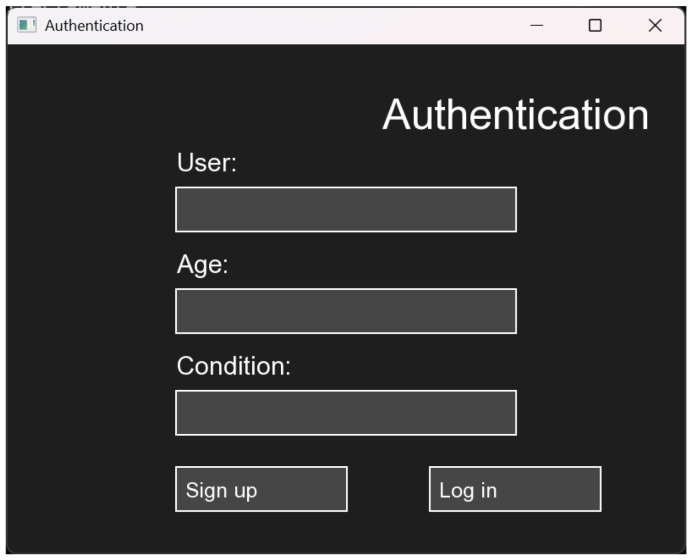 Figure 1
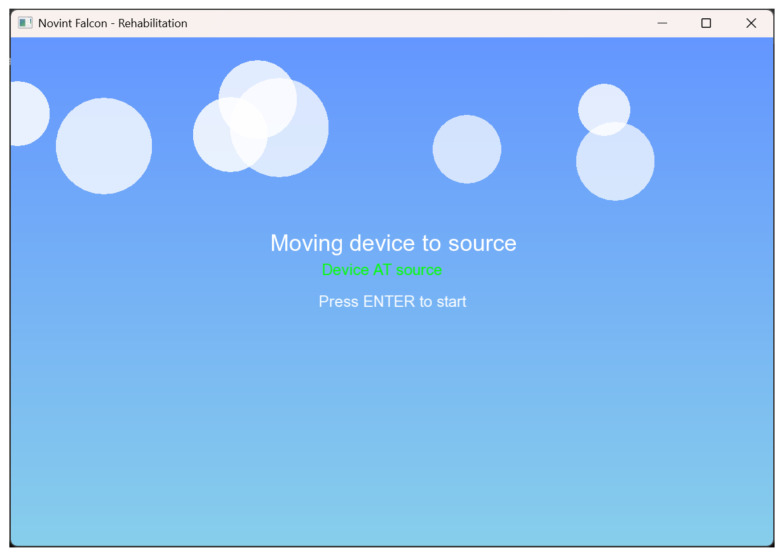 Figure 2
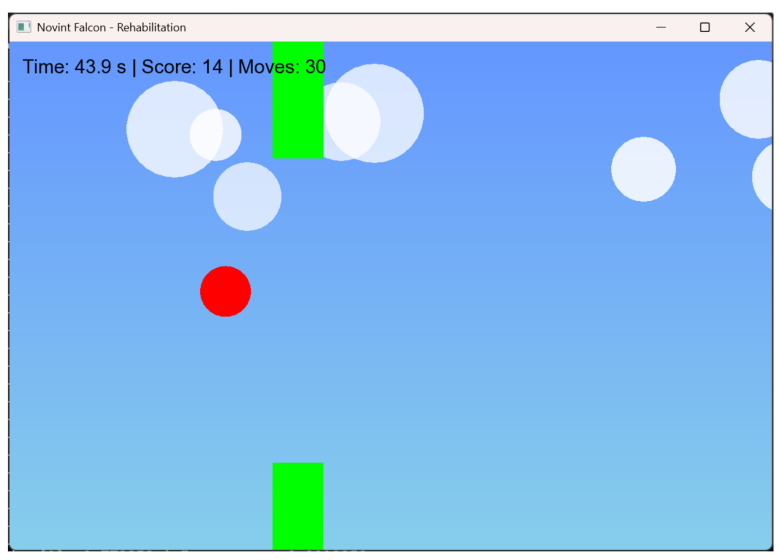 Figure 3
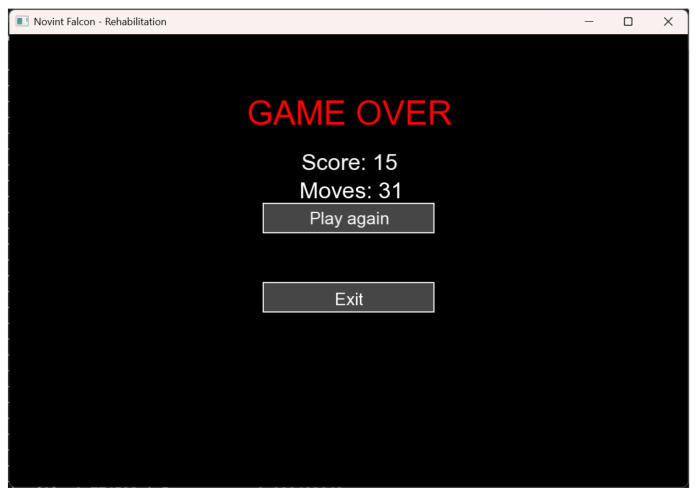 Figure 4
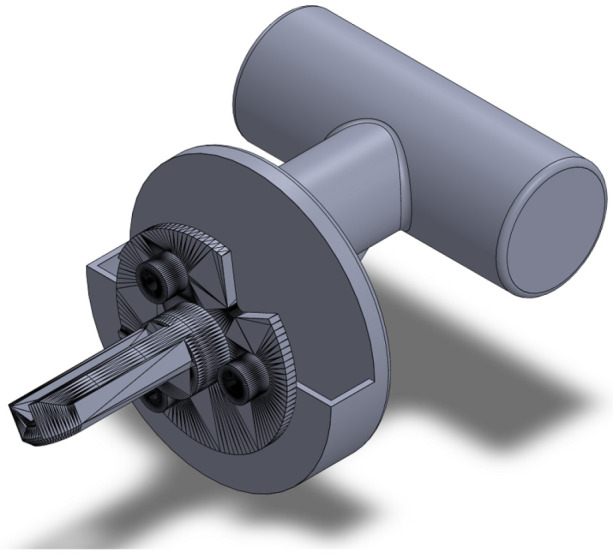 Figure 5
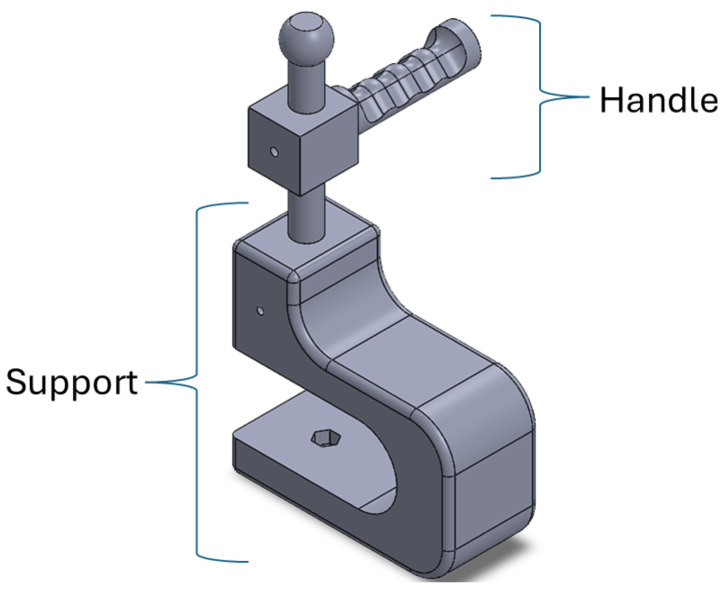 Figure 6
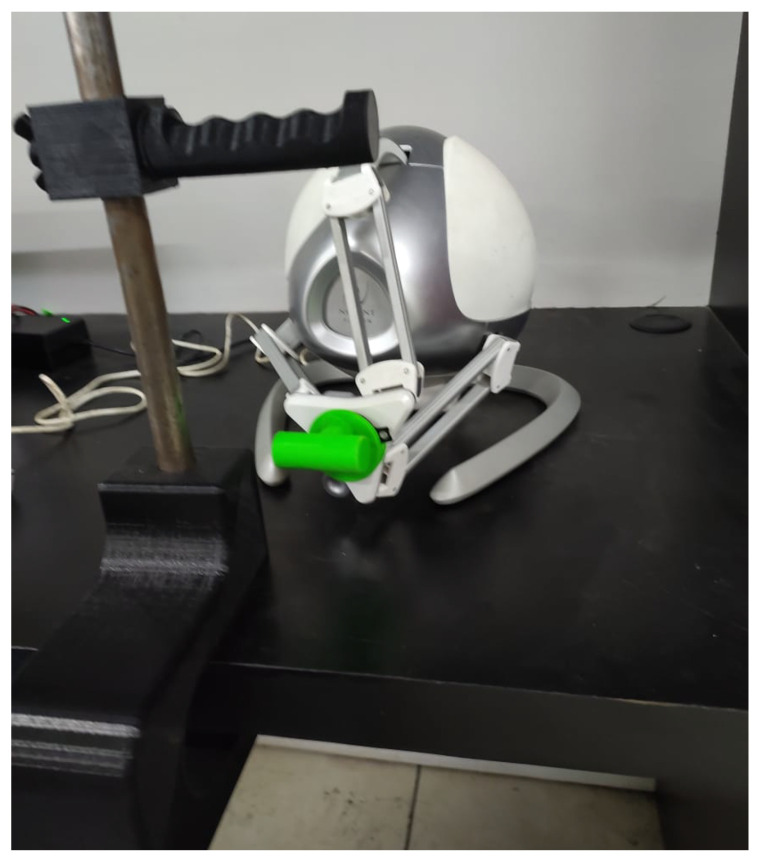 Figure 7
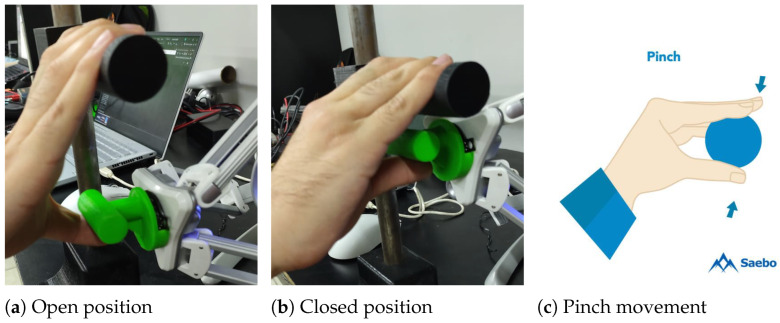 Figure 8
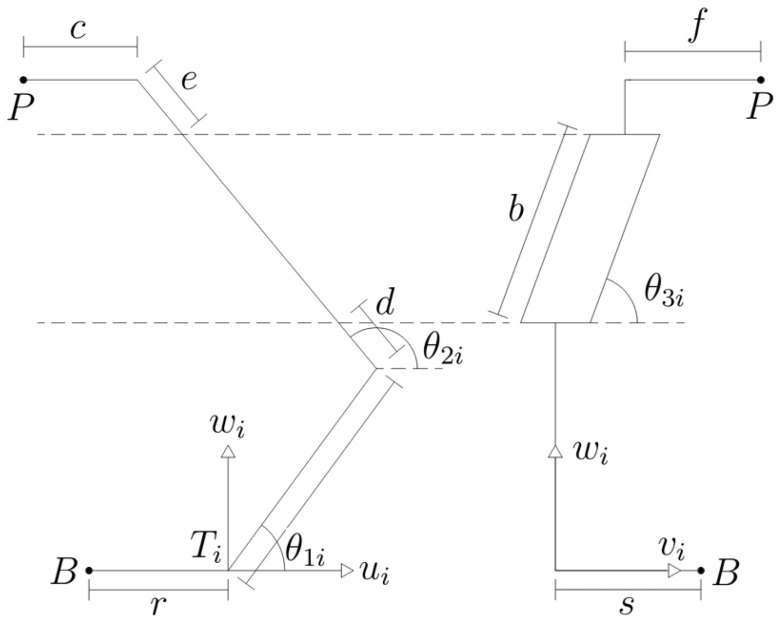 Figure 9
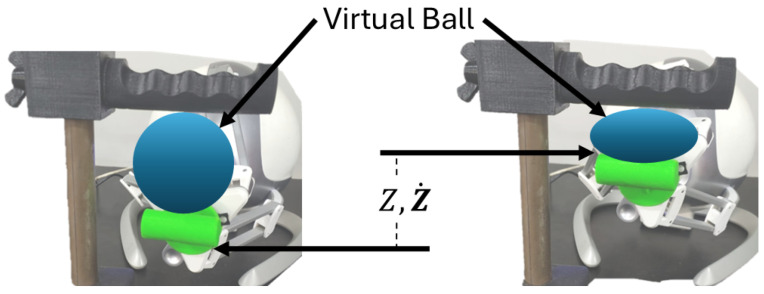 Figure 10
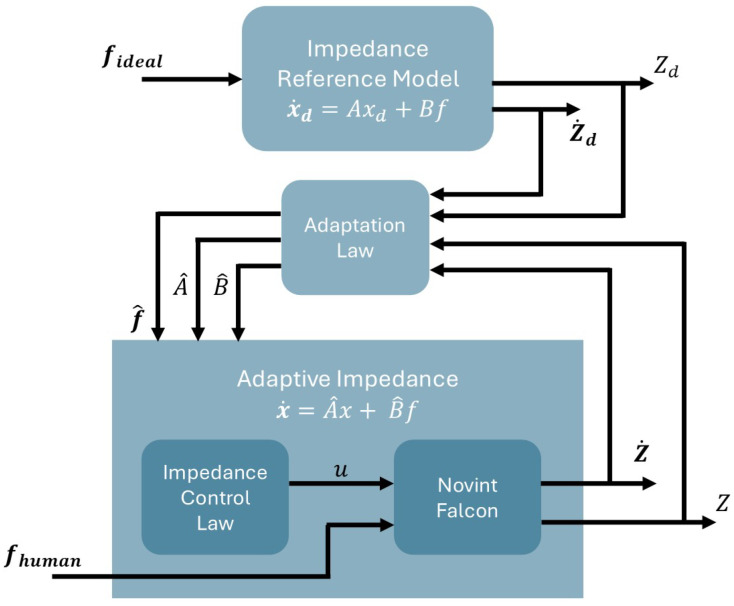 Figure 11
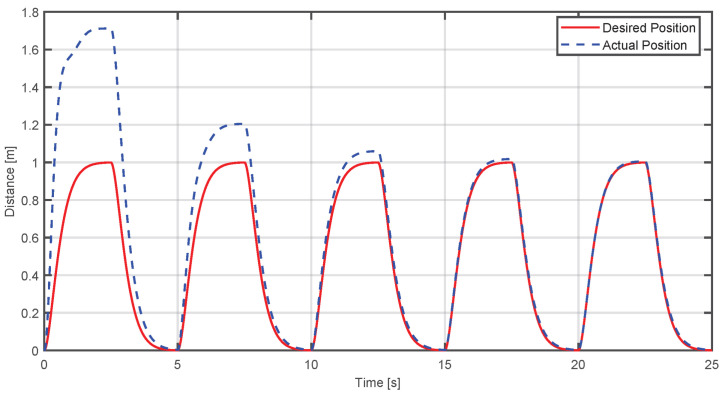 Figure 12
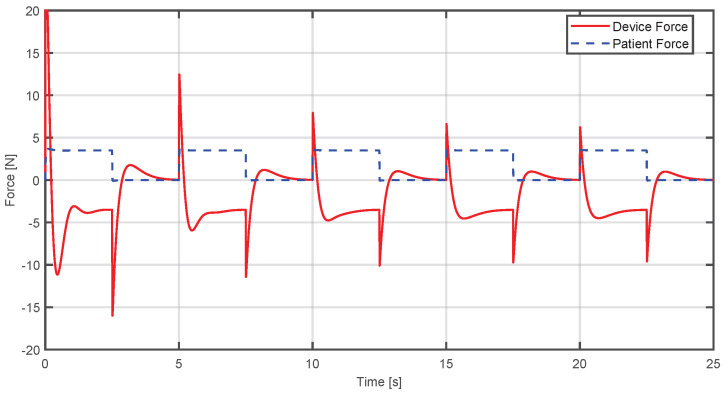 Figure 13
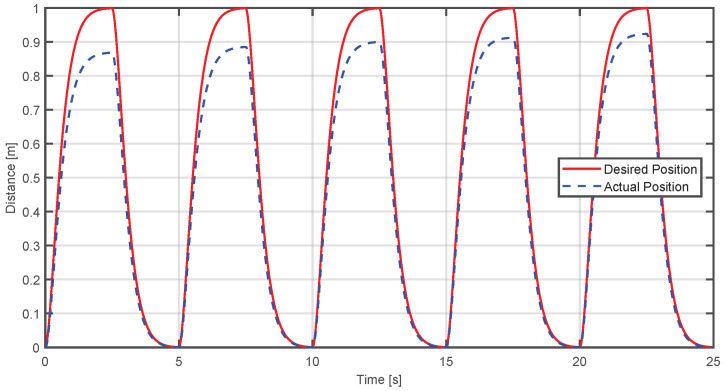 Figure 14
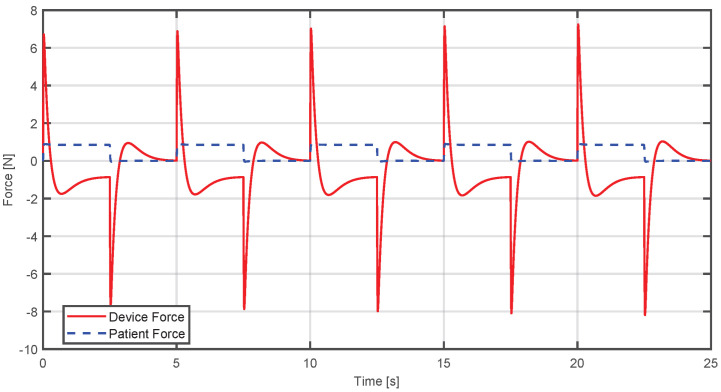 Figure 15
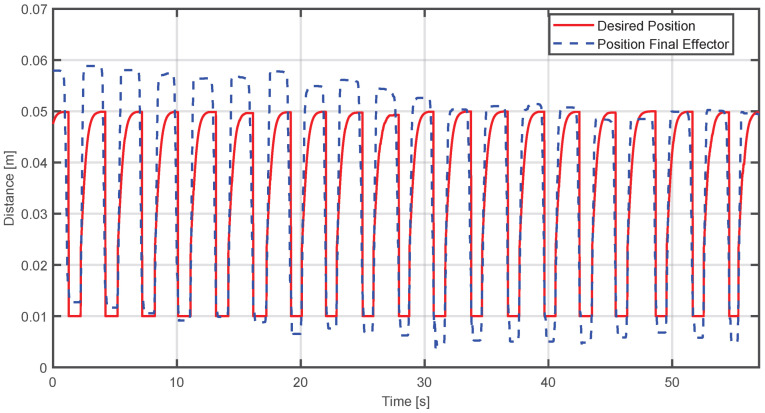 Figure 16
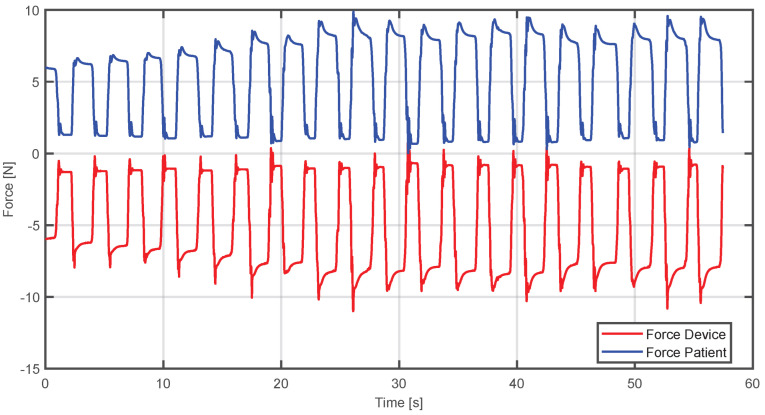 Figure 17
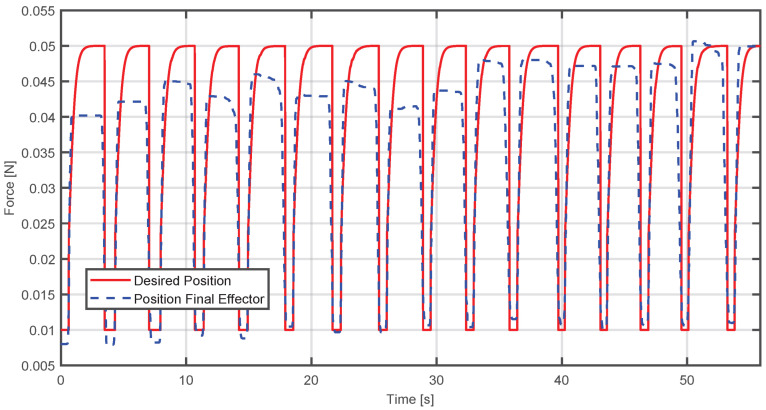 Figure 18
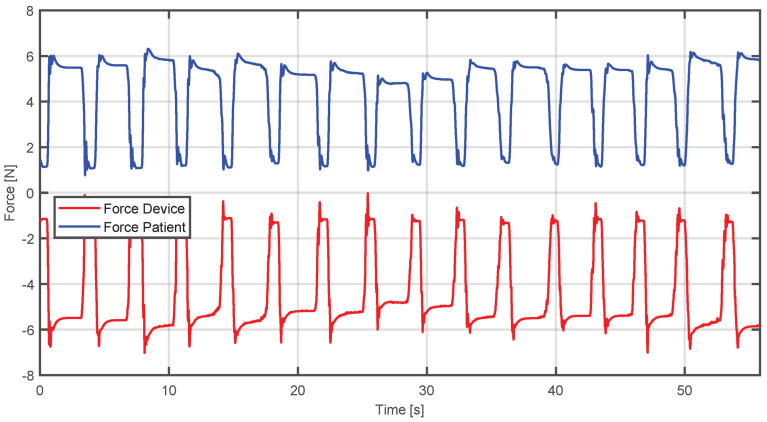 Figure 19
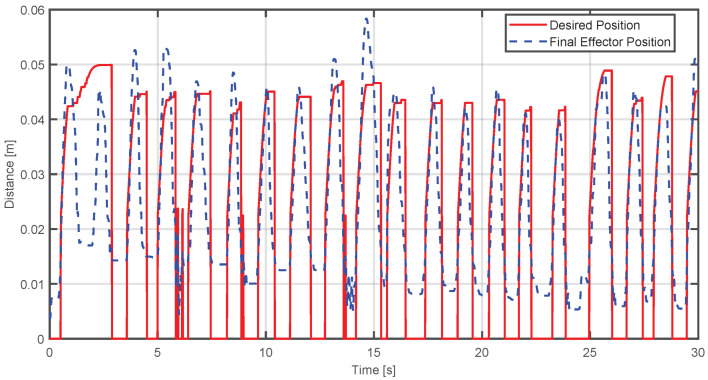 Figure 20
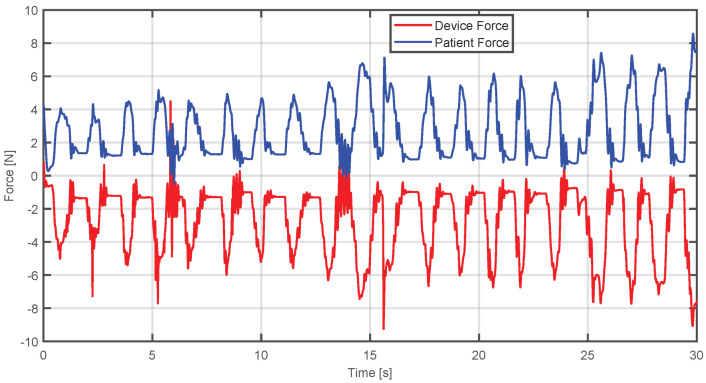 Figure 21
Peer Reviews
No public reviews on file for this paper yet. If you reviewed it on a platform where reviews are public (OpenReview, ICLR, NeurIPS, ICML), you can paste yours below so the community can read it here.
Videos
No videos yet. Explain this paper in a talk, walkthrough, or lecture? Add one.
Taxonomy
TopicsStroke Rehabilitation and Recovery · Botulinum Toxin and Related Neurological Disorders · Musculoskeletal pain and rehabilitation