Recognition of Wood-Boring Insect Creeping Signals Based on Residual Denoising Vision Network
Henglong Lin, Huajie Xue, Jingru Gong, Cong Huang, Xi Qiao, Liping Yin, Yiqi Huang

TL;DR
This paper introduces a new system for detecting wood-boring insects using a deep learning model, which improves detection efficiency and reduces labor costs in customs inspections.
Contribution
The paper introduces RDVNet, a novel deep learning model with a residual denoising vision network for identifying wood-boring insect signals.
Findings
PNCC feature extraction method outperformed others in capturing comprehensive features.
de-RDVNet achieved the highest PSNR and SSIM in denoising experiments.
RDVNet demonstrated the best classification performance with an F1 score of 0.878 and 92.8% accuracy.
Abstract
Currently, the customs inspection of wood-boring pests in timber still primarily relies on manual visual inspection, which involves observing insect holes on the timber surface and splitting the timber for confirmation. However, this method has significant drawbacks such as long detection time, high labor cost, and accuracy relying on human experience, making it difficult to meet the practical needs of efficient and intelligent customs quarantine. To address this issue, this paper develops a rapid identification system based on the peristaltic signals of wood-boring pests through the PyQt framework. The system employs a deep learning model with multi-attention mechanisms, namely the Residual Denoising Vision Network (RDVNet). Firstly, a LabVIEW-based hardware–software system is used to collect pest peristaltic signals in an environment free of vibration interference. Subsequently, the…
Genes, proteins, chemicals, diseases, species, mutations and cell lines named across the full text — each resolved to its canonical identifier and authoritative record.
Click any figure to enlarge with its caption.
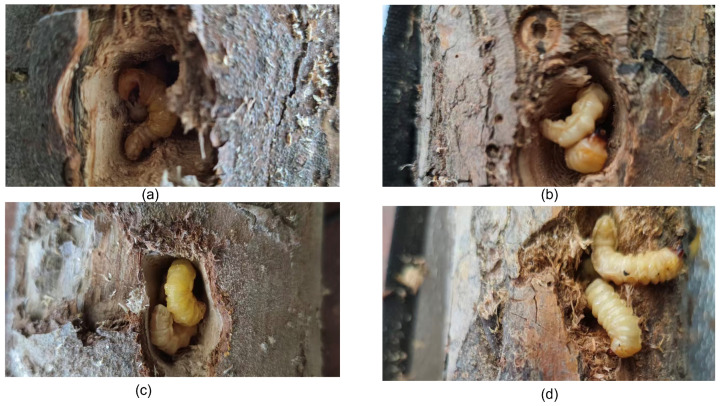 Figure 1
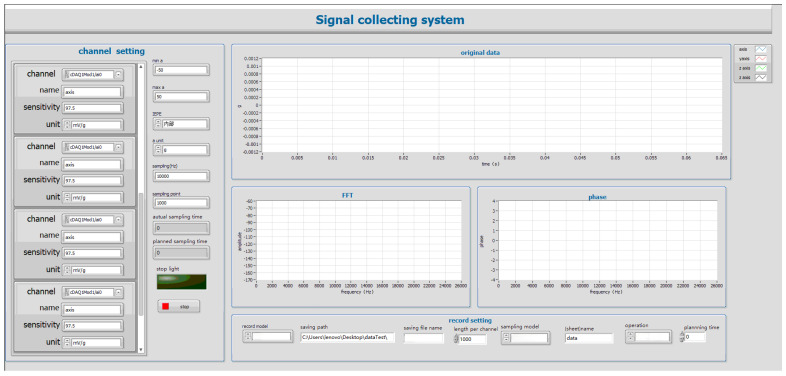 Figure 2
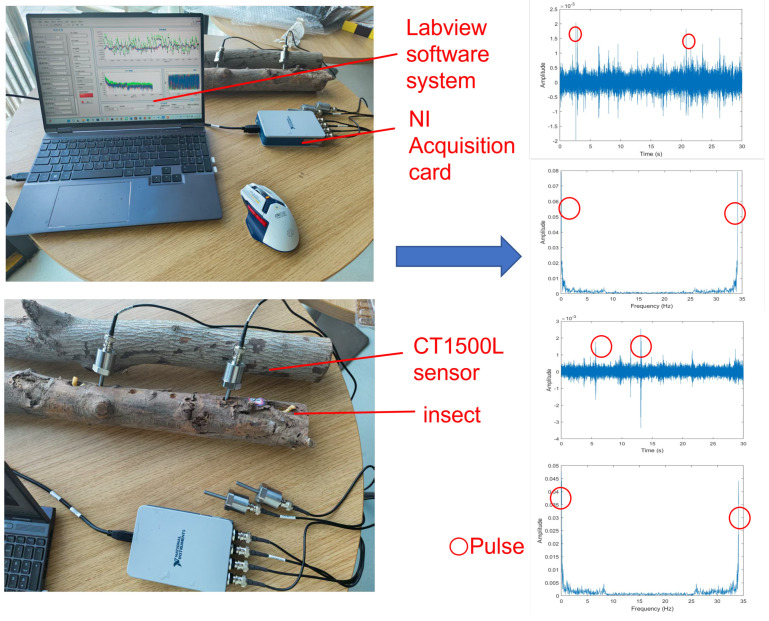 Figure 3
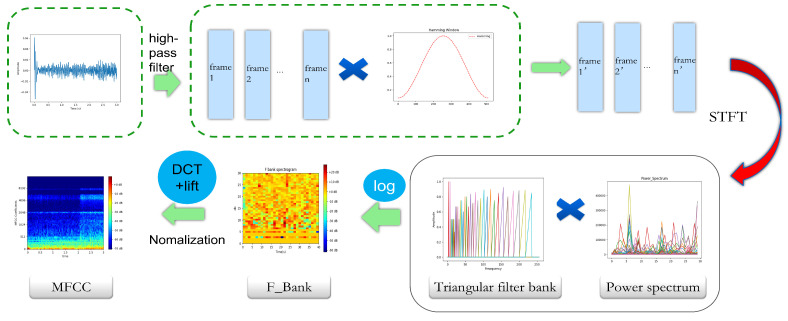 Figure 4
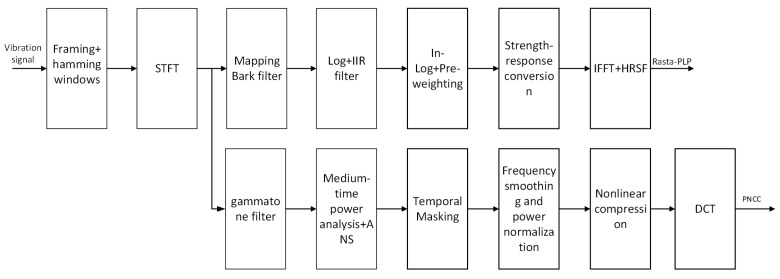 Figure 5
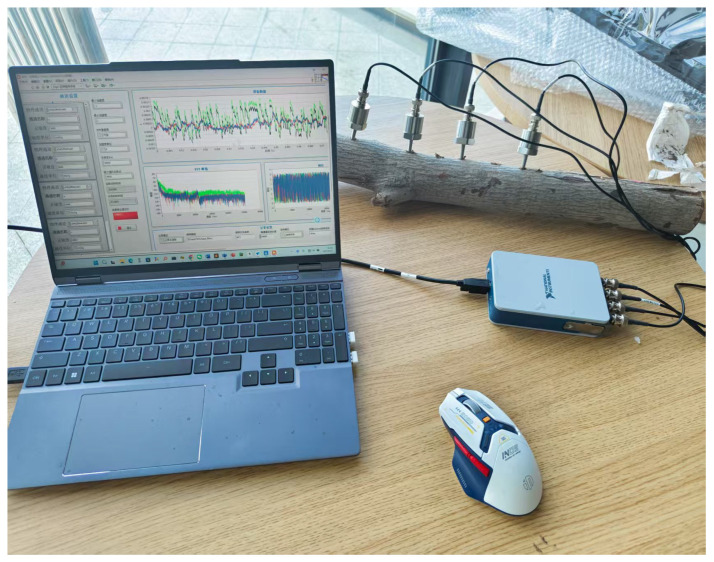 Figure 6
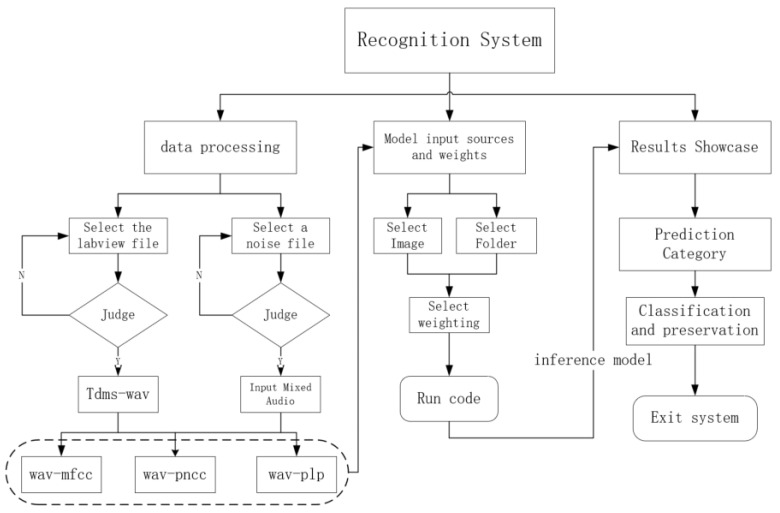 Figure 7
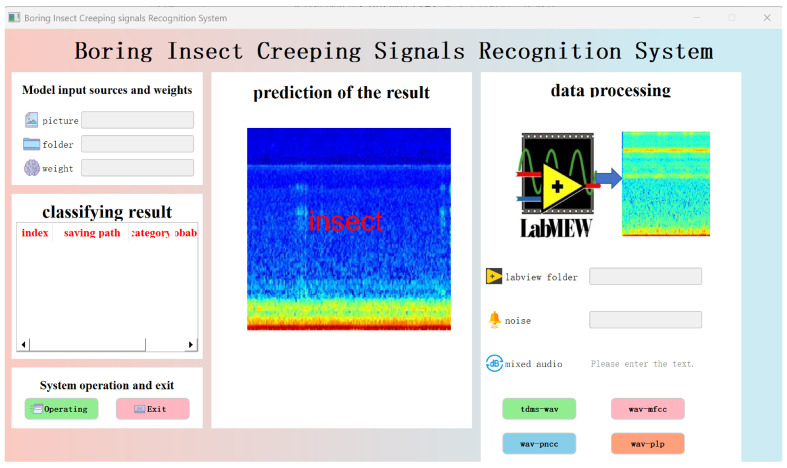 Figure 8
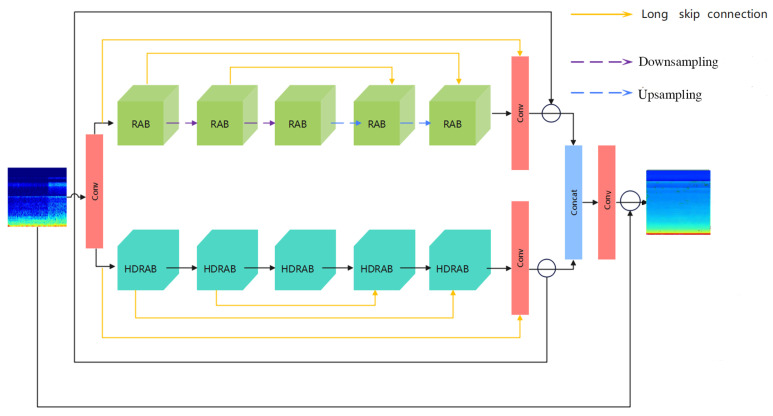 Figure 9
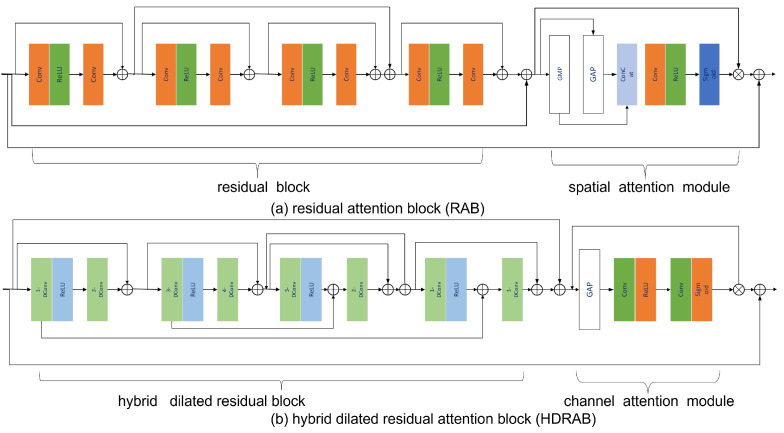 Figure 10
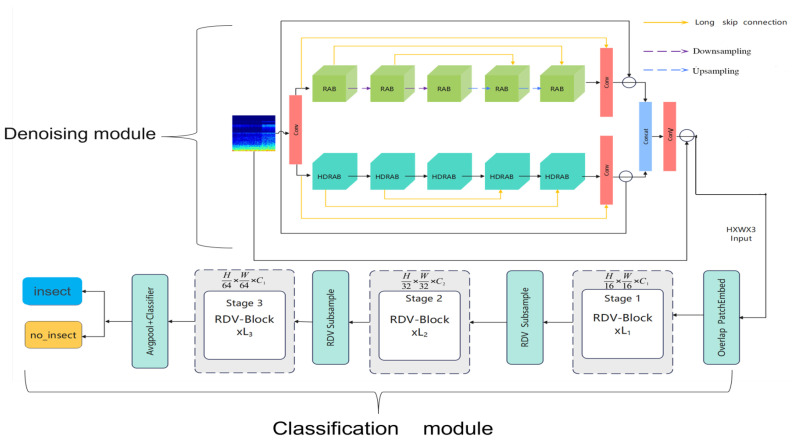 Figure 11
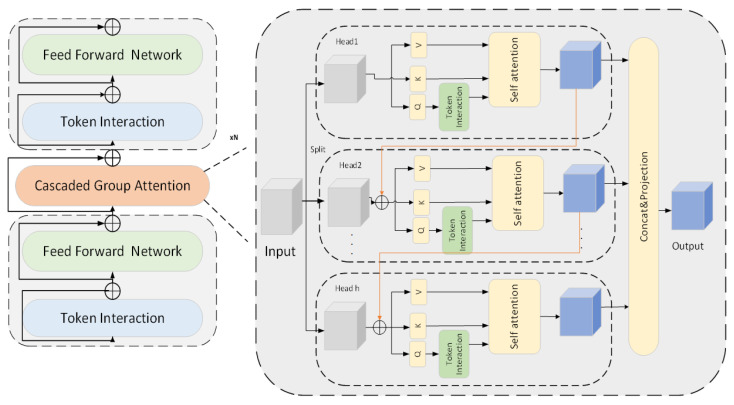 Figure 12
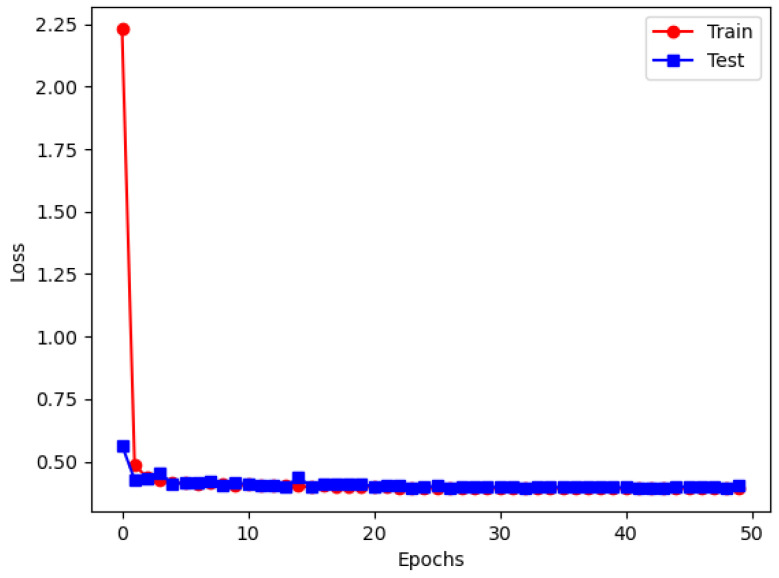 Figure 13
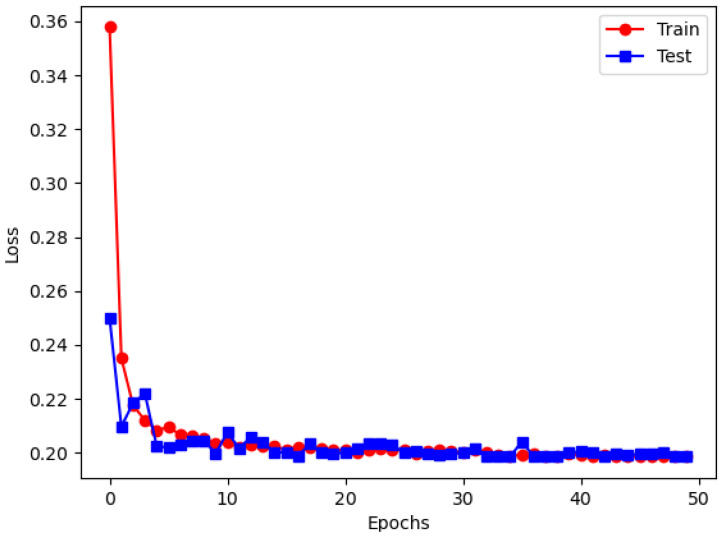 Figure 14
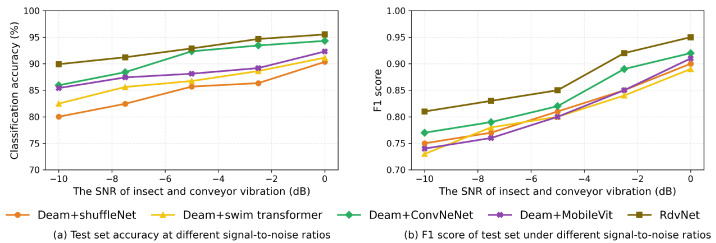 Figure 15
Peer Reviews
No public reviews on file for this paper yet. If you reviewed it on a platform where reviews are public (OpenReview, ICLR, NeurIPS, ICML), you can paste yours below so the community can read it here.
Videos
No videos yet. Explain this paper in a talk, walkthrough, or lecture? Add one.
Taxonomy
TopicsDate Palm Research Studies · Wood and Agarwood Research · Industrial Vision Systems and Defect Detection