Hydralazine inhibits cysteamine dioxygenase to treat preeclampsia and senesce glioblastoma
Kyosuke Shishikura, Jiasong Li, Yiming Chen, Nate R. McKnight, Thomas P. Keeley, Katelyn A. Bustin, Eric W. Barr, Snehil R. Chilkamari, Mahaa Ayub, Sun Woo Kim, Zongtao Lin, Ren-Ming Hu, Kelly Hicks, Xie Wang, Donald M. O’Rourke, J. Martin Bollinger, Zev A. Binder

TL;DR
Hydralazine, a long-used drug for preeclampsia, works by inhibiting an enzyme called ADO, which also makes it effective at targeting glioblastoma cells.
Contribution
The paper identifies ADO as the molecular target of hydralazine, revealing its mechanism for treating preeclampsia and its potential for treating glioblastoma.
Findings
Hydralazine inhibits ADO by chelating its metallocofactor and alkylating a ligand.
Inhibiting ADO stabilizes RGS4 and RGS5, explaining the drug’s vasodilatory effects.
A single dose of hydralazine robustly induces senescence in glioblastoma cells.
Abstract
Hydralazine (HYZ), a treatment for preeclampsia and hypertensive crisis, is listed by the World Health Organization as an essential medicine. Its mode of action has remained unknown through its seven decades of clinical use. Here, we identify 2-aminoethanethiol dioxygenase (ADO), a key mediator of targeted protein degradation, as a selective HYZ target. The drug chelates ADO’s metallocofactor and can alkylate one of its ligands. The resultant inactivation stabilizes regulators of G protein signaling (RGS4 and RGS5) that ADO normally marks for proteolysis, explaining the drug’s vasodilatory activity and comporting with observations of diminished RGS levels in both clinical preeclampsia and a mouse model thereof. Its inhibition of ADO suggested use of HYZ against glioblastoma (GBM); indeed, a single dose robustly senesces cultured GBM cells. By establishing ADO as a nexus for GBM and…
Genes, proteins, chemicals, diseases, species, mutations and cell lines named across the full text — each resolved to its canonical identifier and authoritative record.
Click any figure to enlarge with its caption.
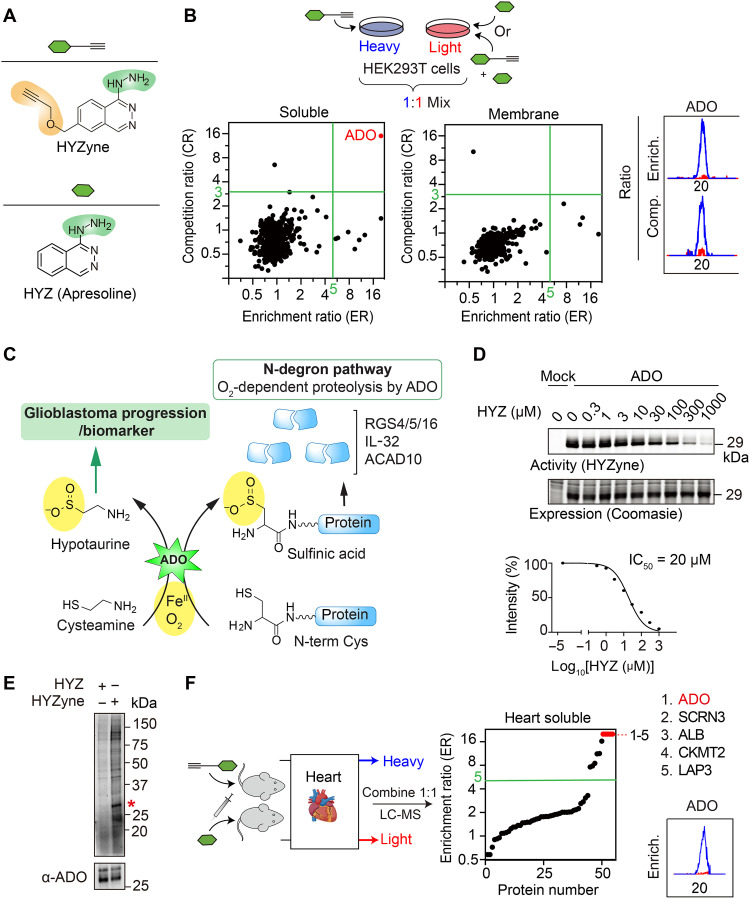 Figure 1
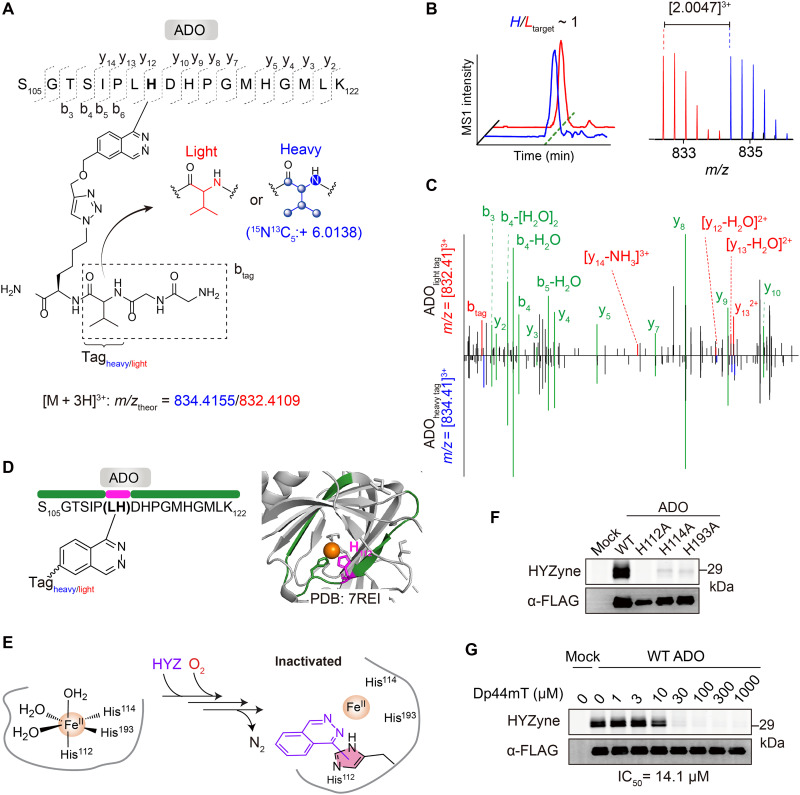 Figure 2
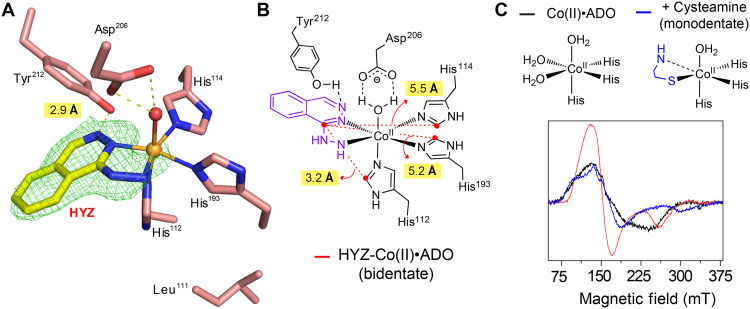 Figure 3
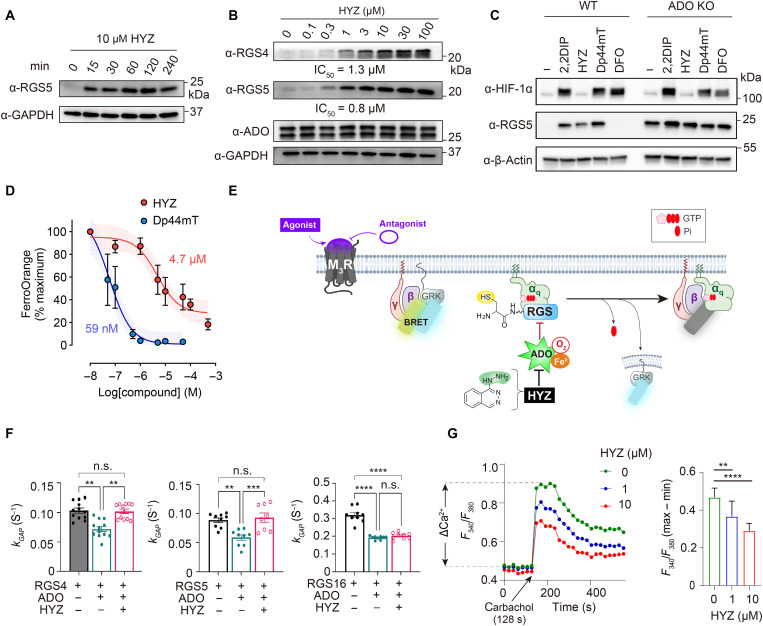 Figure 4
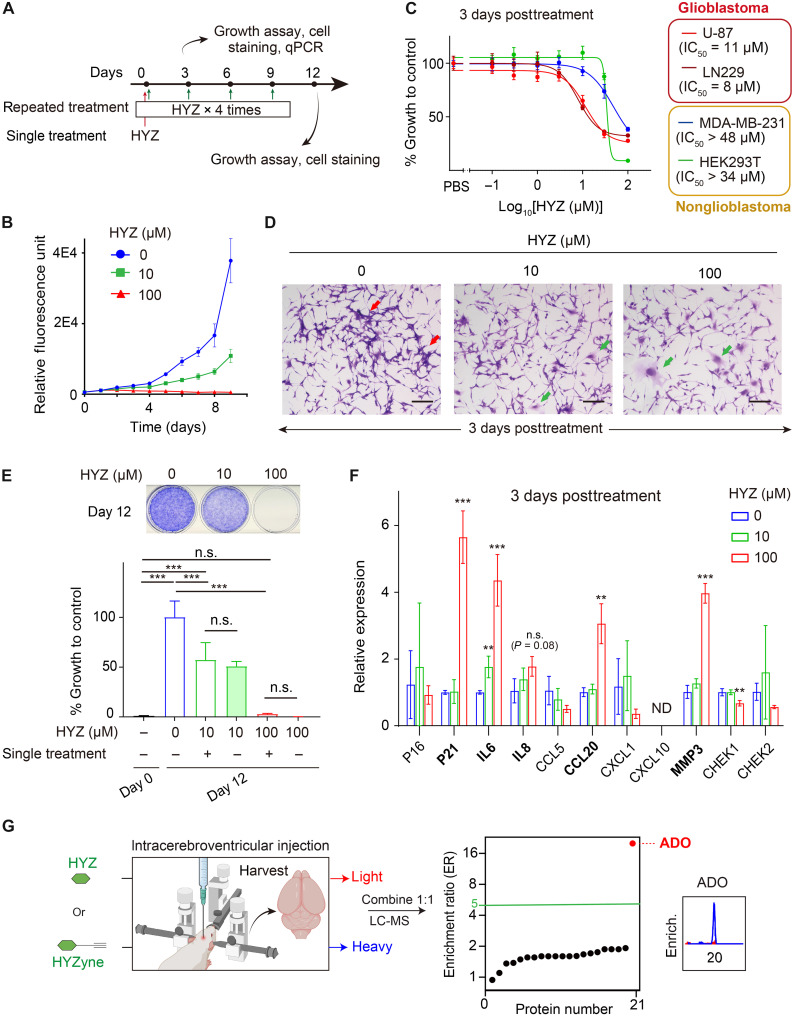 Figure 5
Peer Reviews
No public reviews on file for this paper yet. If you reviewed it on a platform where reviews are public (OpenReview, ICLR, NeurIPS, ICML), you can paste yours below so the community can read it here.
Videos
No videos yet. Explain this paper in a talk, walkthrough, or lecture? Add one.
Taxonomy
TopicsBiomedical Research and Pathophysiology · Nitric Oxide and Endothelin Effects · Neutrophil, Myeloperoxidase and Oxidative Mechanisms