Optimization of Mechanical Properties Using Fused Deposition Manufacturing Technique: A Systematic Investigation of Polycarbonate and Polylactic Acid Specimens
Faisal Khaled Aldawood, Hussain F. Abualkhair, Muhammed Anaz Khan, Mohammed Alquraish

TL;DR
This study explores how printing orientation and layer thickness affect the strength and flexibility of 3D-printed polycarbonate and polylactic acid materials.
Contribution
The study introduces a systematic investigation of FDM parameters for optimizing mechanical properties in PC and PLA materials.
Findings
Vertically oriented specimens showed up to 64.7% higher tensile strength compared to horizontal builds.
Thicker layers (0.4 mm) improved ultimate strength by up to 36.2% and reduced production time by 50%.
PC specimens demonstrated superior strength (maximum 67.5 MPa) and fracture energy compared to PLA.
Abstract
This exploratory study investigates preliminary trends in the optimization of mechanical properties in 3D-printed components produced via Fused Deposition Modeling (FDM) using polycarbonate (PC) and polylactic acid (PLA). Through a systematic full factorial experimental design, three critical parameters were examined: material types (PC and PLA), layer thickness (0.2 mm and 0.4 mm), and build orientation (horizontal and vertical). Preliminary trends suggest that vertically oriented specimens showed up to 64.7% higher tensile strength compared to horizontal builds, though with significantly reduced ductility. Contributing to growing evidence regarding layer thickness effects, thicker layers (0.4 mm) showed improved ultimate strength by up to 36.2% while simultaneously reducing production time by 50%. However, statistical power analysis revealed insufficient sample size (n = 1 per…
Genes, proteins, chemicals, diseases, species, mutations and cell lines named across the full text — each resolved to its canonical identifier and authoritative record.
Click any figure to enlarge with its caption.
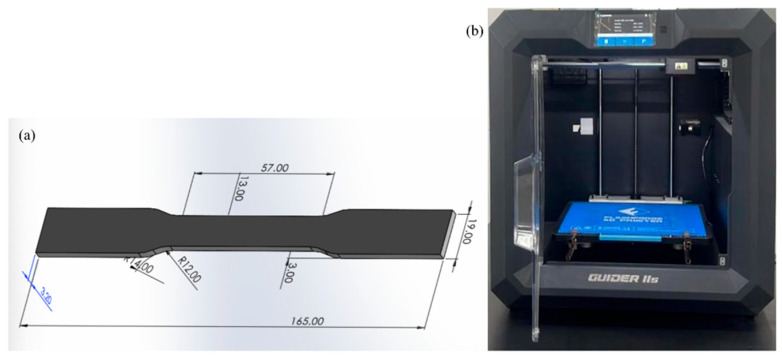 Figure 1
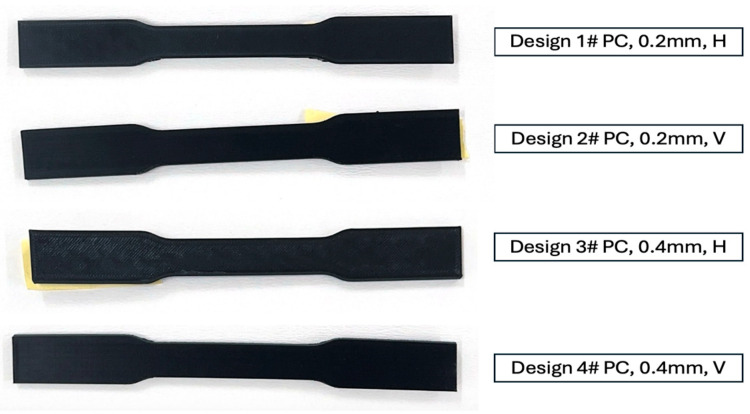 Figure 2
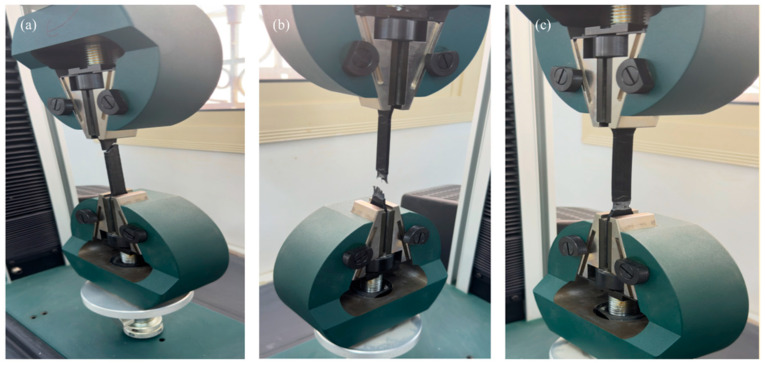 Figure 3
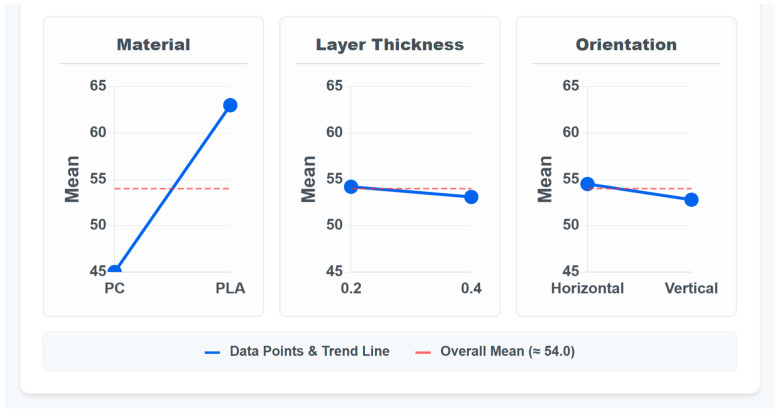 Figure 4
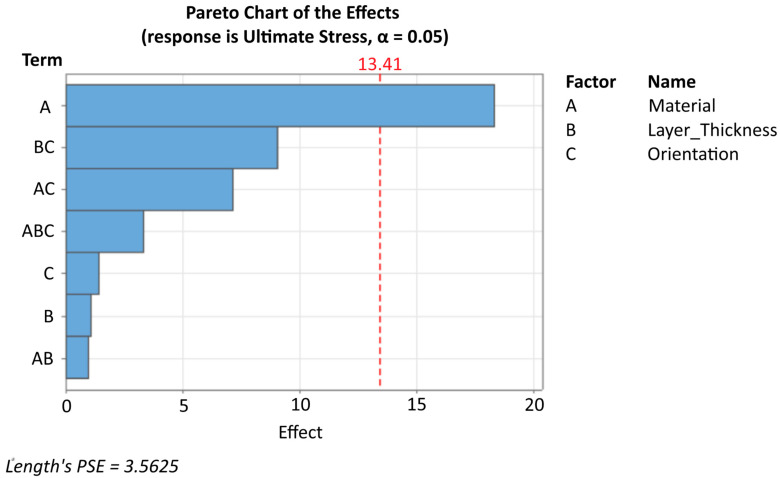 Figure 5
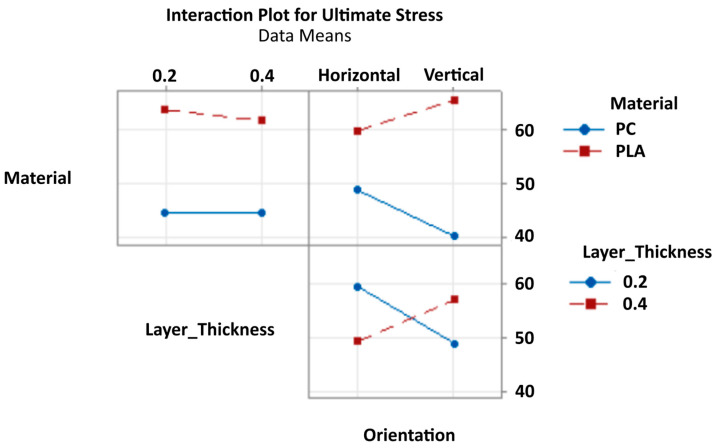 Figure 6
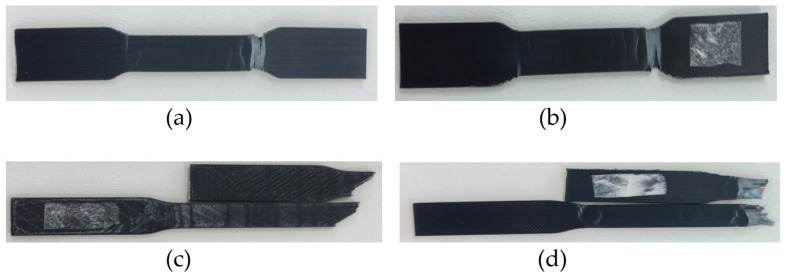 Figure 7
Peer Reviews
No public reviews on file for this paper yet. If you reviewed it on a platform where reviews are public (OpenReview, ICLR, NeurIPS, ICML), you can paste yours below so the community can read it here.
Videos
No videos yet. Explain this paper in a talk, walkthrough, or lecture? Add one.
Taxonomy
TopicsAdditive Manufacturing and 3D Printing Technologies · 3D Printing in Biomedical Research · Bone Tissue Engineering Materials