Study on the Effect of the Nucleophilicity of Amine Accelerators on the Process and Dielectric Properties of Epoxy Materials for Dry Bushing
Huize Cui, Shuo Chen, Ruilu Guo, Chumeng Luo, Chong Zhang, Wenpeng Li, Yushun Zhao, Taisen Lu, Yanning Zhao

TL;DR
This study examines how the nucleophilicity of amine accelerators affects the processing and dielectric properties of epoxy materials used in dry bushings.
Contribution
The paper reveals the trade-off between processing performance and dielectric properties caused by varying nucleophilicity of amine accelerators in epoxy materials.
Findings
Stronger nucleophilicity reduces gel time and increases exothermic temperature rise, worsening processing performance.
Strong nucleophilicity improves dielectric properties, reducing dielectric loss by 39.5% and increasing breakdown strength by 11.4%.
TEA shows 50% shorter gel time and 55.3% higher exothermic temperature rise compared to DET.
Abstract
The impregnation and curing process of dry bushing requires the epoxy material for bushing to have a good process performance. In addition, the actual operating conditions of dry bushing put forward high requirements on the dielectric properties of the epoxy material. Amine accelerators can not only improve the technological properties of epoxy materials such as gel time and curing exothermic temperature rise by regulating the reaction rate of epoxy resin and anhydride curing agent, but also optimize the dielectric properties of epoxy materials by regulating the crosslinking density of epoxy materials. However, there are many types of amine accelerators, and the effects of amine accelerators with different nucleophilicity on epoxy materials vary greatly. In this paper, four kinds of amine accelerators with different nucleophilic ability were selected to study the influence of the…
Genes, proteins, chemicals, diseases, species, mutations and cell lines named across the full text — each resolved to its canonical identifier and authoritative record.
Click any figure to enlarge with its caption.
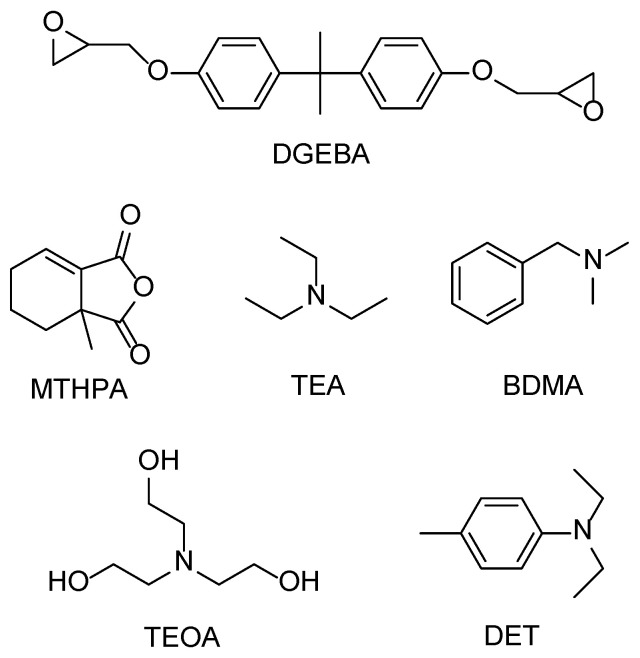 Figure 1
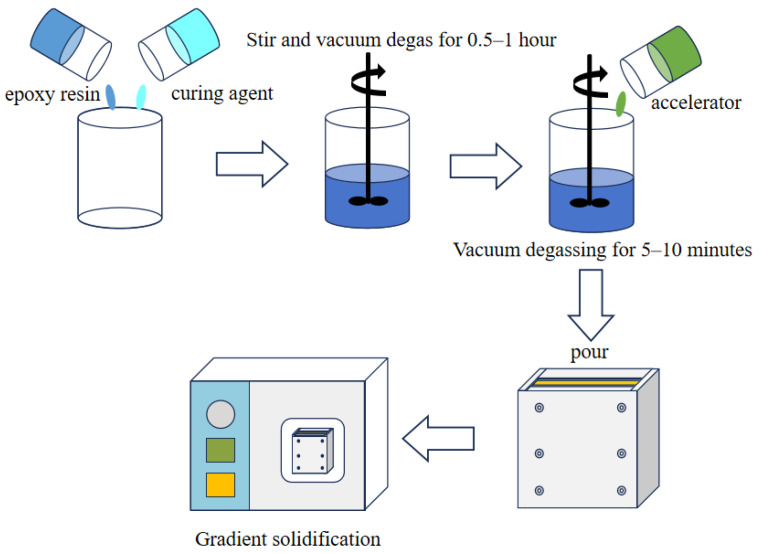 Figure 2
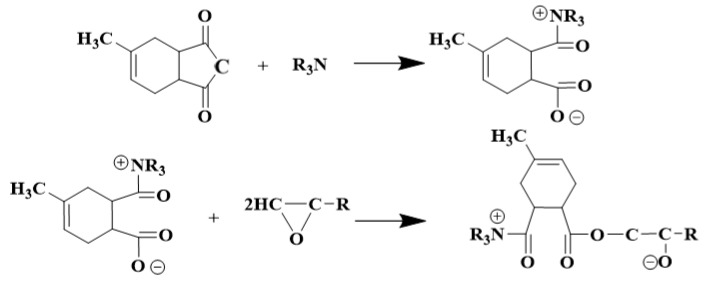 Figure 3
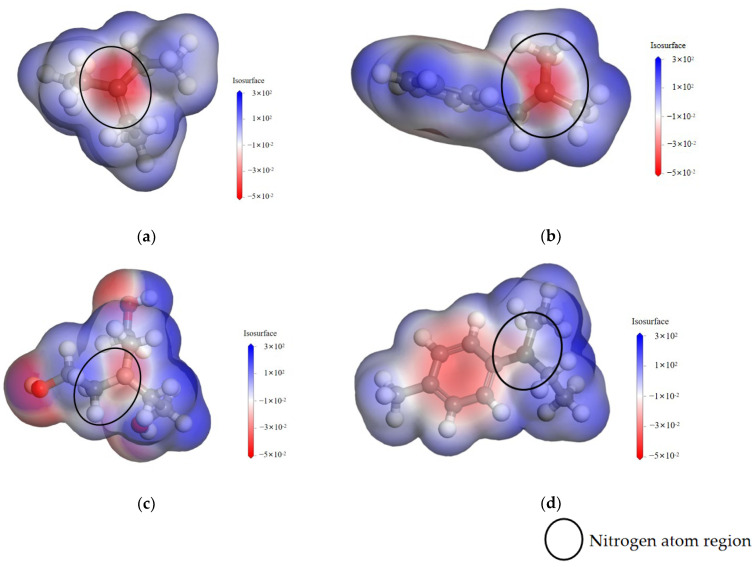 Figure 4
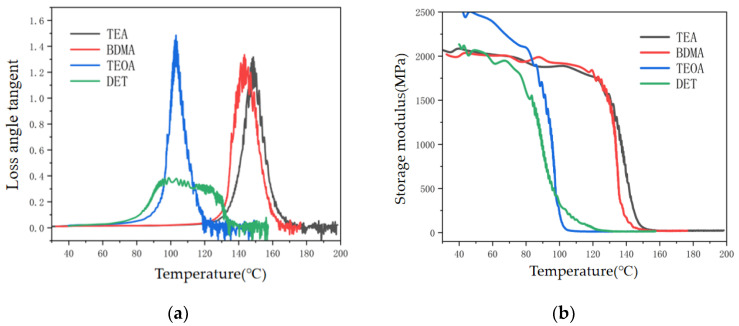 Figure 5
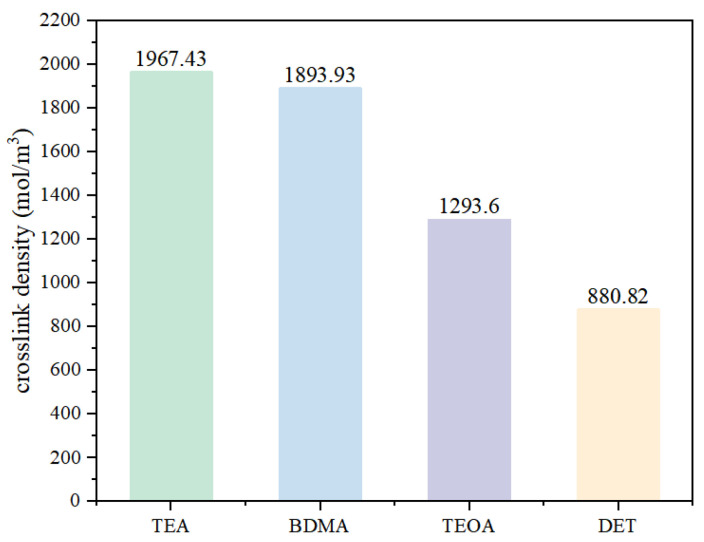 Figure 6
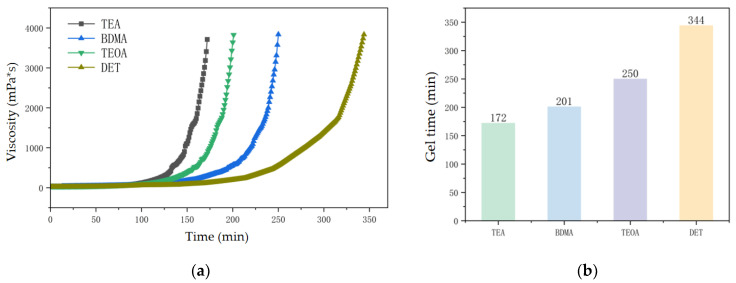 Figure 7
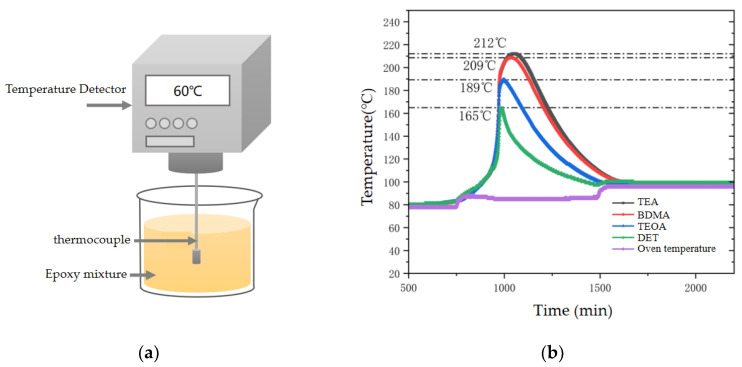 Figure 8
 Figure 9
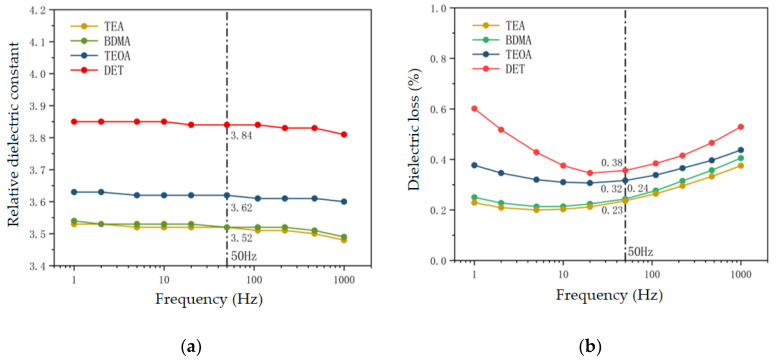 Figure 10
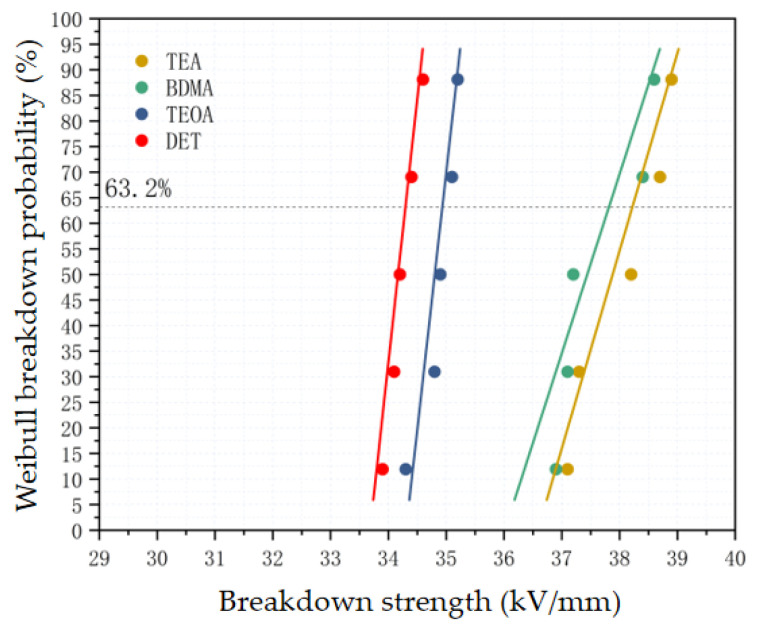 Figure 11
Peer Reviews
No public reviews on file for this paper yet. If you reviewed it on a platform where reviews are public (OpenReview, ICLR, NeurIPS, ICML), you can paste yours below so the community can read it here.
Videos
No videos yet. Explain this paper in a talk, walkthrough, or lecture? Add one.
Taxonomy
TopicsEpoxy Resin Curing Processes · Synthesis and properties of polymers · Photopolymerization techniques and applications