Characterization and Comparison of Polymer Melt Fluidity Across Three Ultrasonic Plasticization Molding Technologies
Shiyun Wu, Jianjun Du, Junfeng Liang, Likuan Zhu, Jianguo Lei

TL;DR
This paper compares three ultrasonic plasticization molding technologies to understand how they affect polymer melt flow and microstructure formation.
Contribution
A classification and comparative analysis of three ultrasonic plasticization molding technologies based on melt fluidity and microstructure interaction.
Findings
Ultrasonic vibration improves polymer melt flow within microcavities under the sonotrode action surface.
Continuous vibration sustains melt fluidity during micropore filling.
UP technology causes the most intense mechanical interactions with microstructures.
Abstract
The influence of axial ultrasonic vibration (the dominant vibration mode) on the filling behavior of polymer melt in microcavities and its effect on microstructure formation remains inadequately understood. Based on the plasticization location and the extent to which the microcavity is covered by the ultrasonic sonotrode action surface, existing ultrasonic plasticization molding technologies were classified into three types—ultrasonic pressing (UP), ultrasonic plasticizing and pressing (UPP), and ultrasonic plasticization injection molding (UPIM). The effects of these configurations on melt fluidity and filling performance were evaluated and compared through slit flow tests. The interaction mechanisms between polymer melts and templates were elucidated based on melt pressure measurements and morphological changes in nickel micropillar arrays and silicon templates after molding. The…
Genes, proteins, chemicals, diseases, species, mutations and cell lines named across the full text — each resolved to its canonical identifier and authoritative record.
Click any figure to enlarge with its caption.
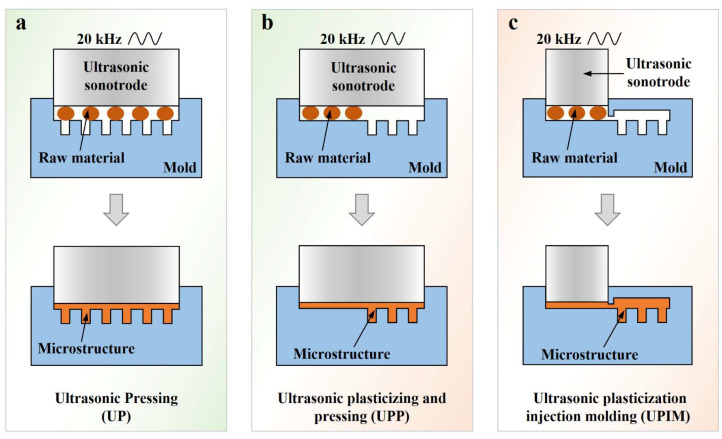 Figure 1
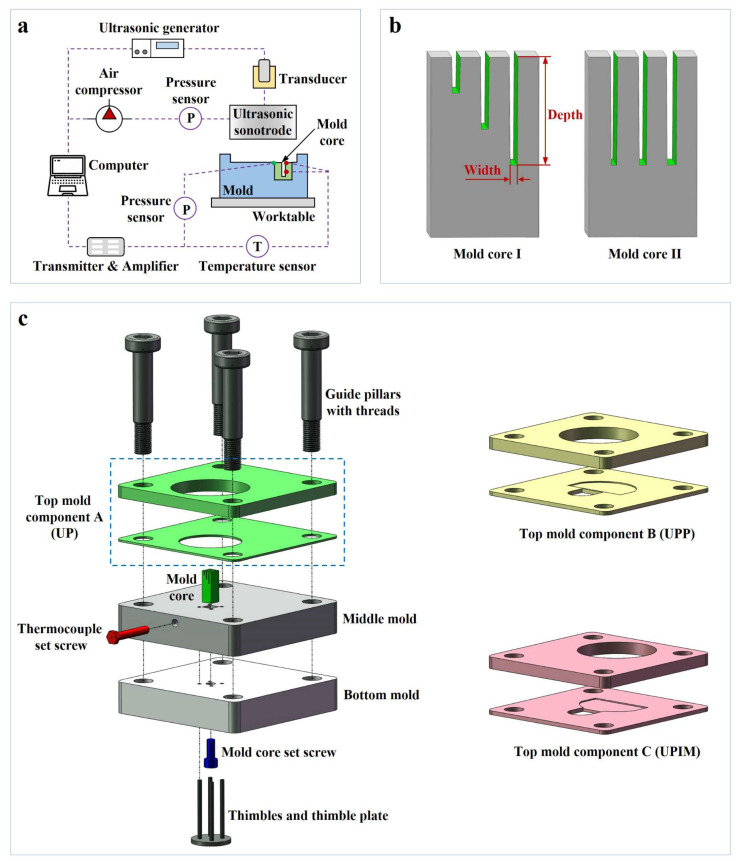 Figure 2
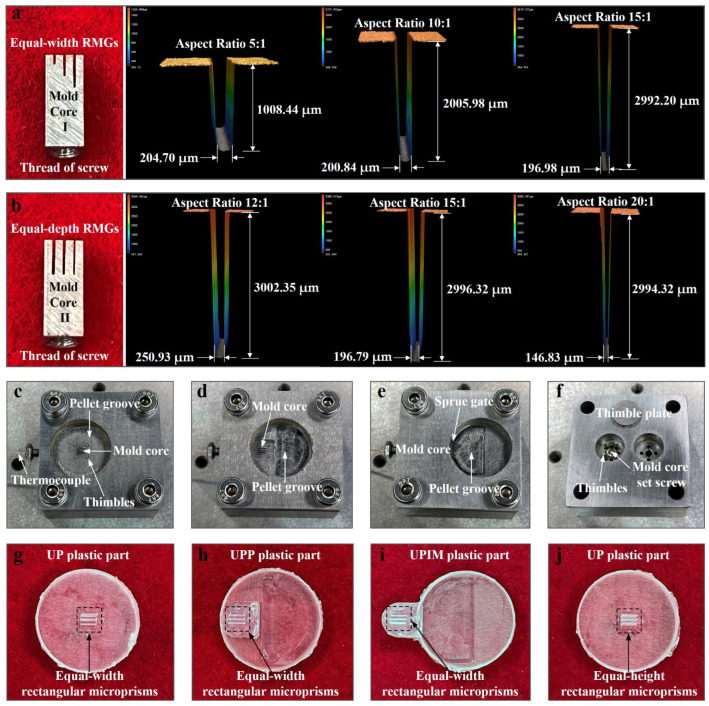 Figure 3
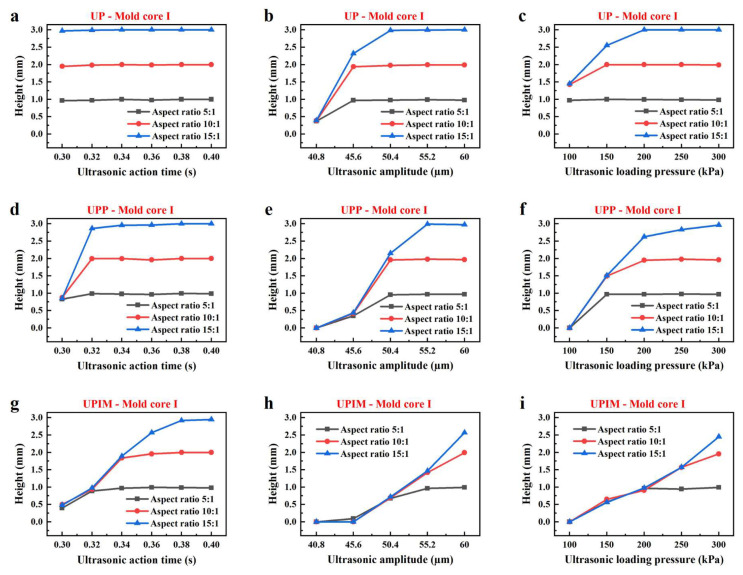 Figure 4
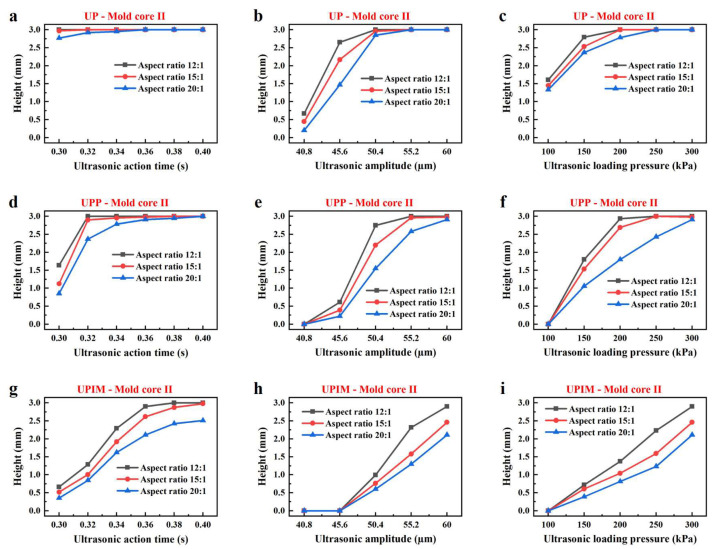 Figure 5
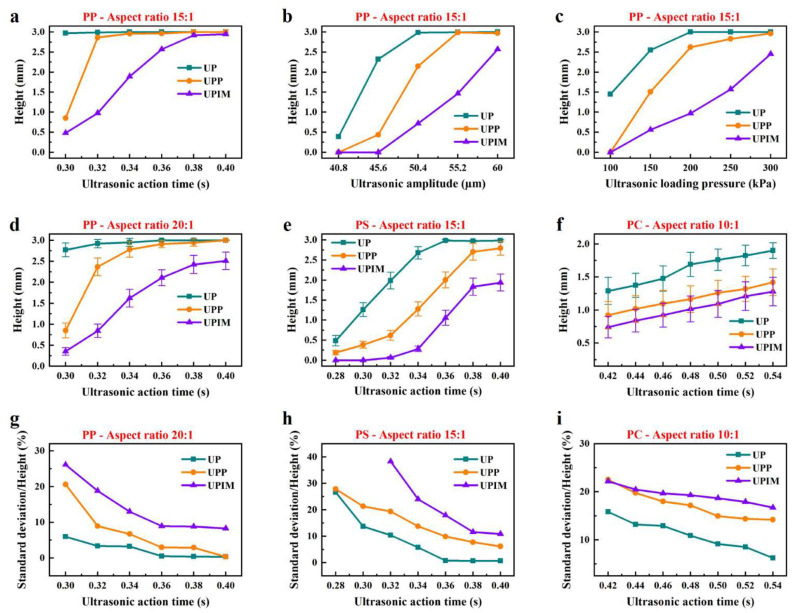 Figure 6
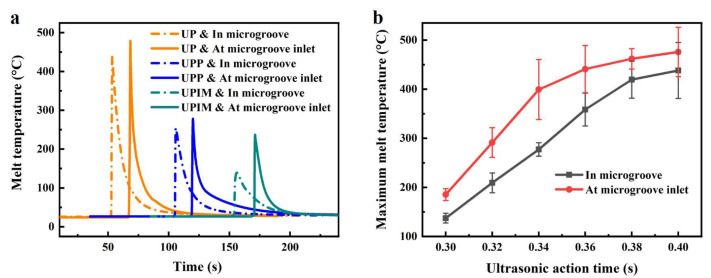 Figure 7
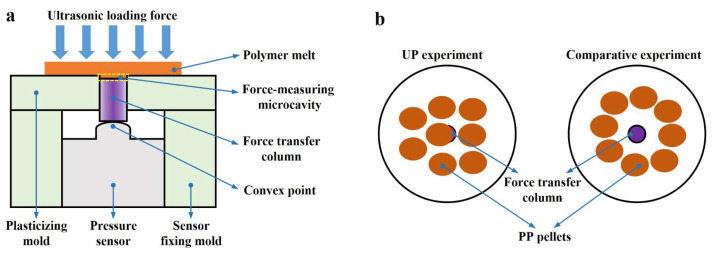 Figure 8
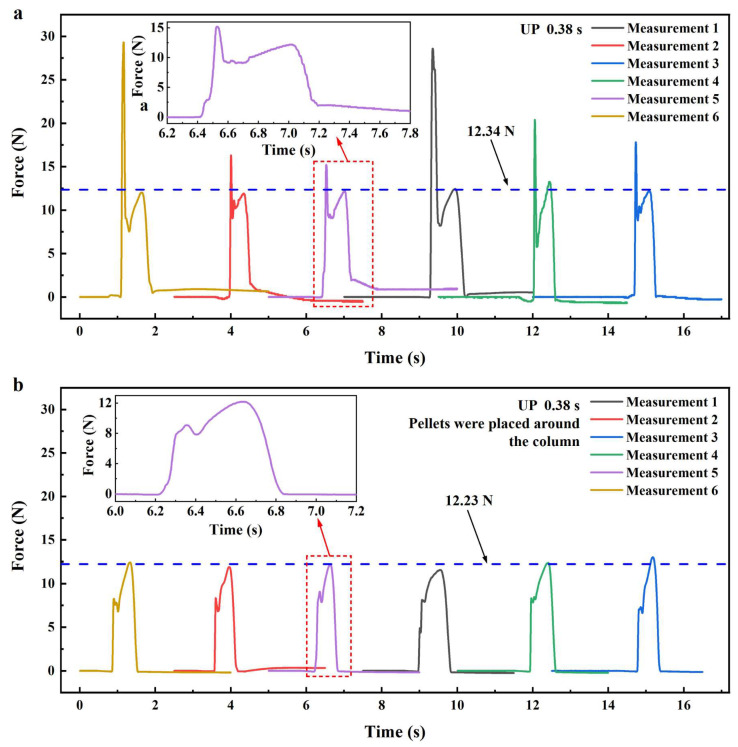 Figure 9
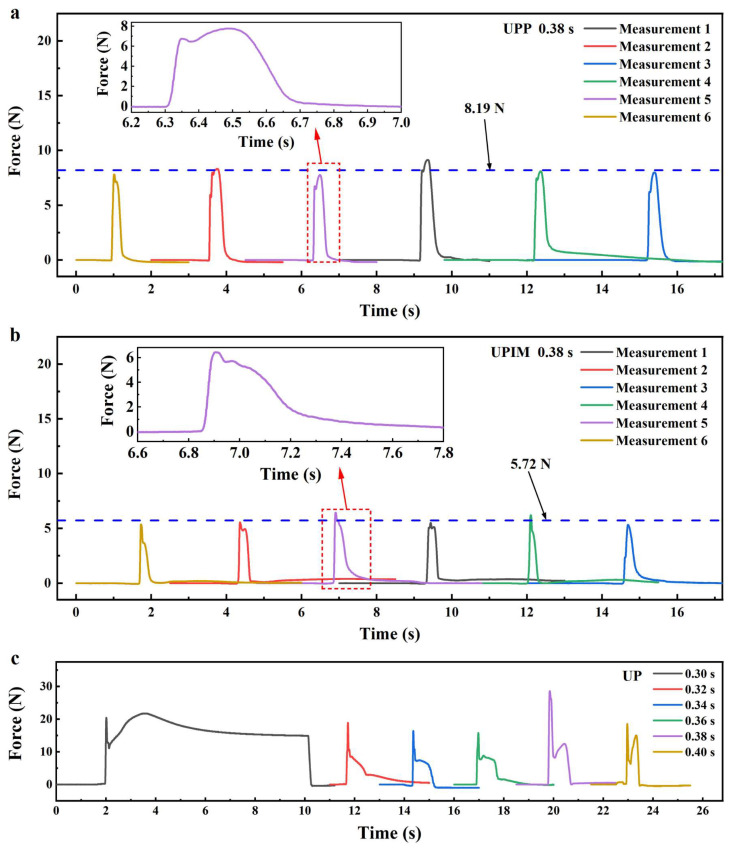 Figure 10
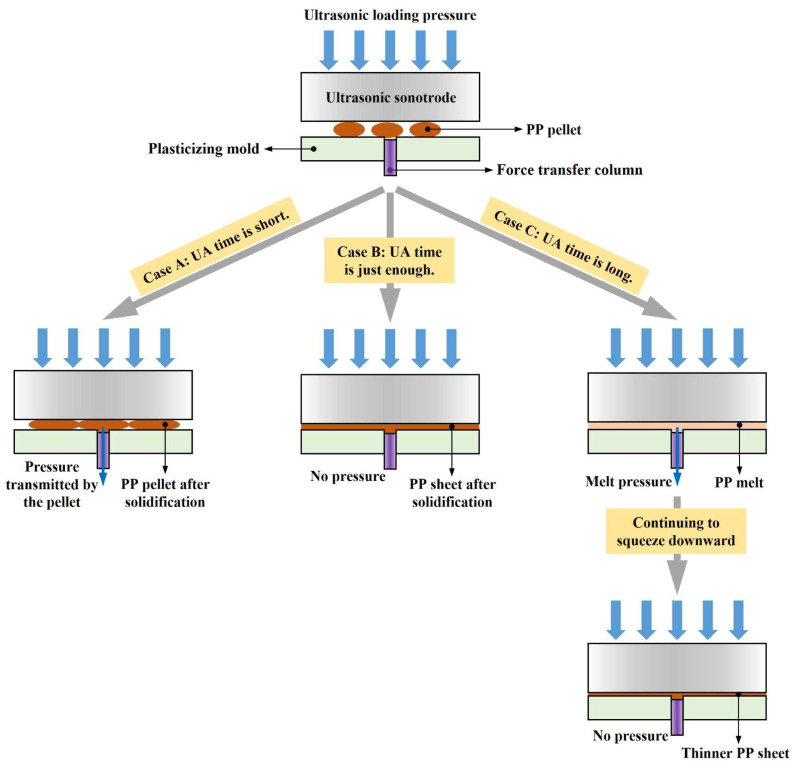 Figure 11
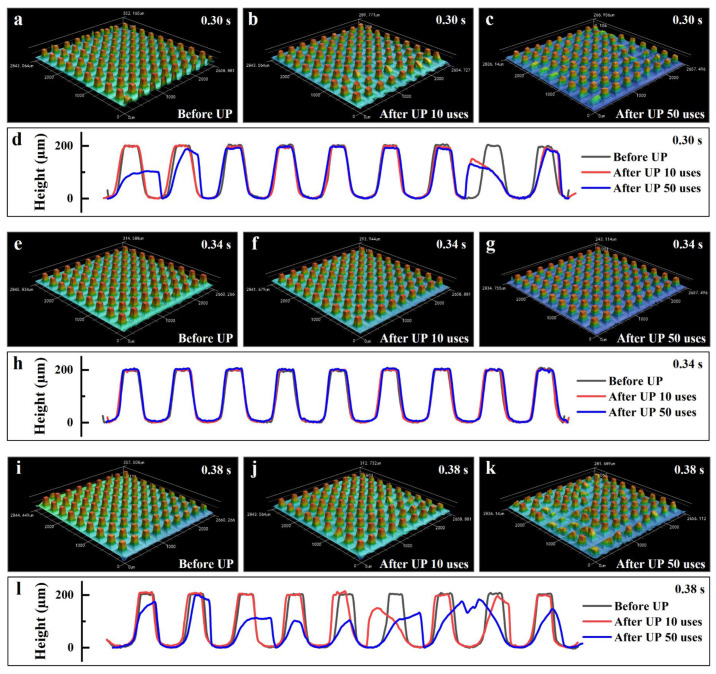 Figure 12
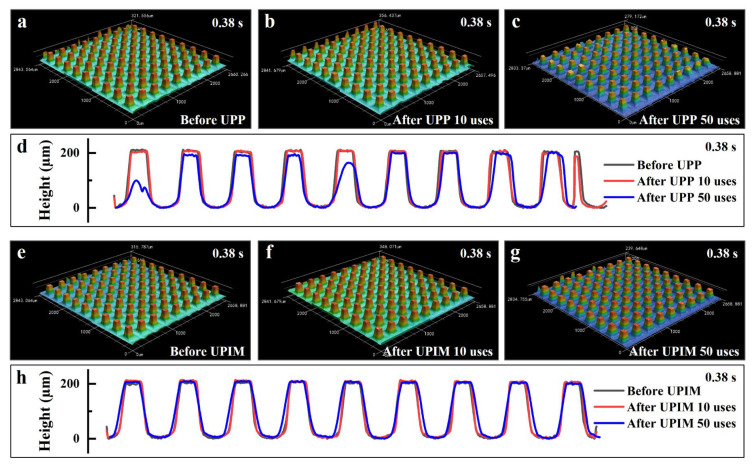 Figure 13
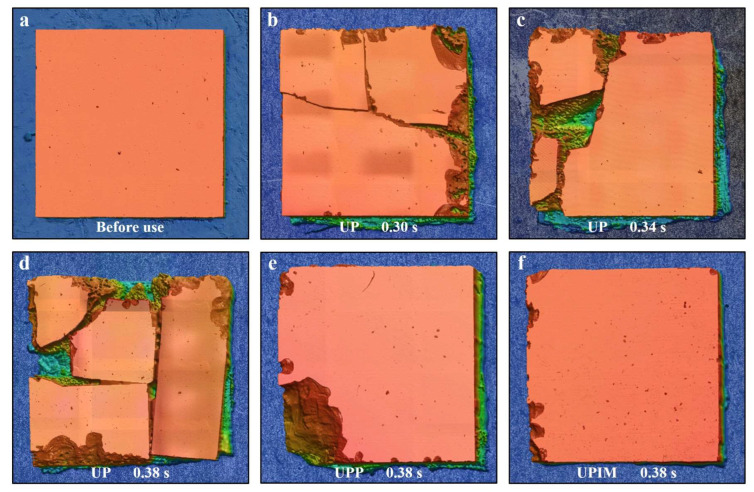 Figure 14
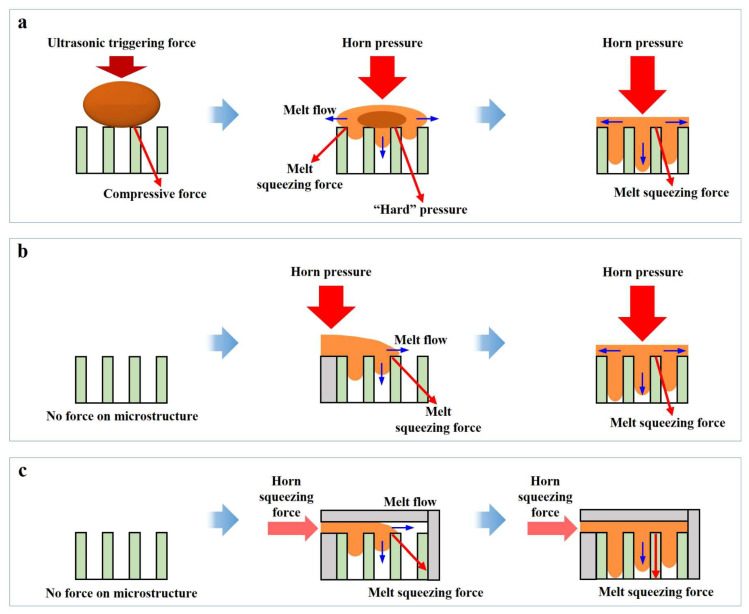 Figure 15
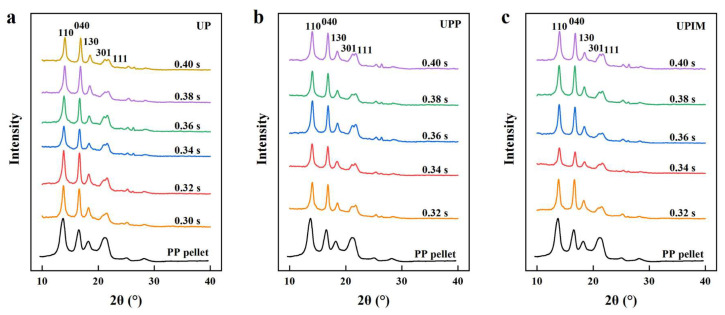 Figure 16
 Figure 17
 Figure 18
 Figure 19
Peer Reviews
No public reviews on file for this paper yet. If you reviewed it on a platform where reviews are public (OpenReview, ICLR, NeurIPS, ICML), you can paste yours below so the community can read it here.
Videos
No videos yet. Explain this paper in a talk, walkthrough, or lecture? Add one.
Taxonomy
TopicsInjection Molding Process and Properties · Epoxy Resin Curing Processes · Nanofabrication and Lithography Techniques