A Preliminary Data-Driven Approach for Classifying Knee Instability During Subject-Specific Exercise-Based Game with Squat Motions
Priyanka Ramasamy, Poongavanam Palani, Gunarajulu Renganathan, Koji Shimatani, Asokan Thondiyath, Yuichi Kurita

TL;DR
This paper presents a game-based system that tracks squat movements to detect knee instability in real time with high accuracy.
Contribution
A novel multimodal sensor approach using LSTM and SVM models for real-time knee instability classification during exercise.
Findings
Knee instability events were classified with 96% accuracy using LSTM and SVM models.
Multimodal sensor features improved classifier performance over single-modality inputs.
Spearman correlation-based feature selection identified optimal input combinations.
Abstract
Lower limb functional degeneration has become prevalent, notably reducing the core strength that drives motor control. Squats are frequently used in lower limb training, improving overall muscle strength. However, performing continuously with improper techniques can lead to dynamic knee instability. It worsens with little to no motivation to perform these power training motions. Hence, it is crucial to have a gaming-based exercise tracking system to adaptively enhance the user experience without causing injury or falls. In this work, 28 healthy subjects performed exergame-based squat training, and dynamic kinematic features were recorded. The five features acquired from a depth camera-based inertial measurement unit (IMU) (1—Knee shakiness, 2—Knee distance, and 3—Squat depth) and an Anima forceplate sensor (4—Sway velocity and 5—Sway area) were assessed using a Spearman correlation…
Genes, proteins, chemicals, diseases, species, mutations and cell lines named across the full text — each resolved to its canonical identifier and authoritative record.
Click any figure to enlarge with its caption.
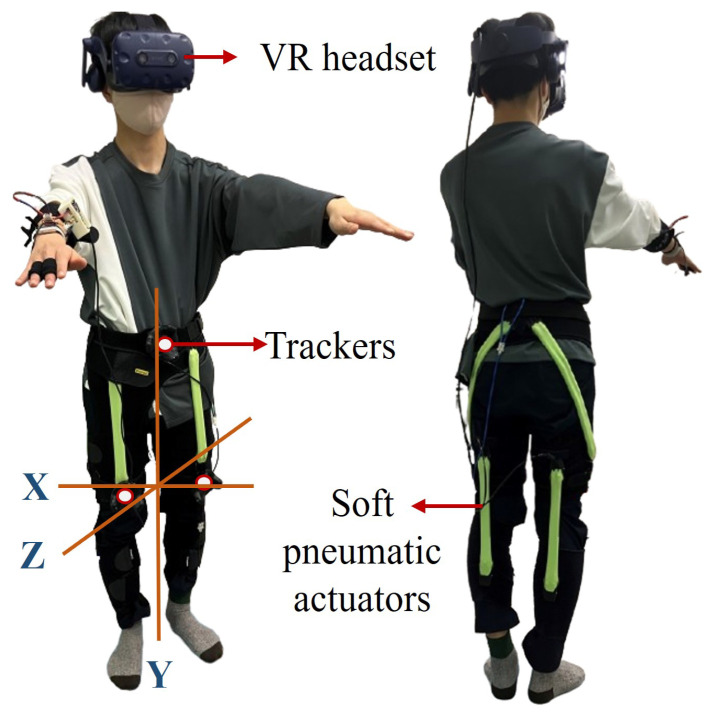 Figure 1
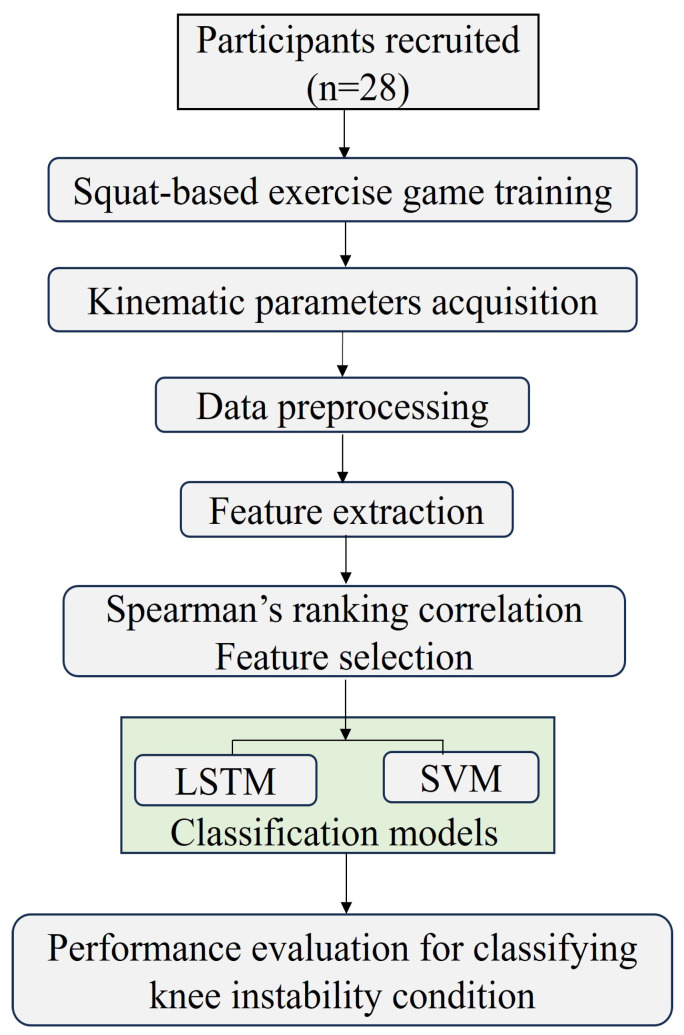 Figure 2
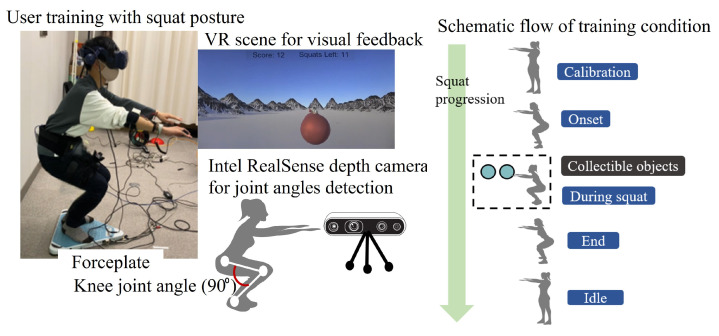 Figure 3
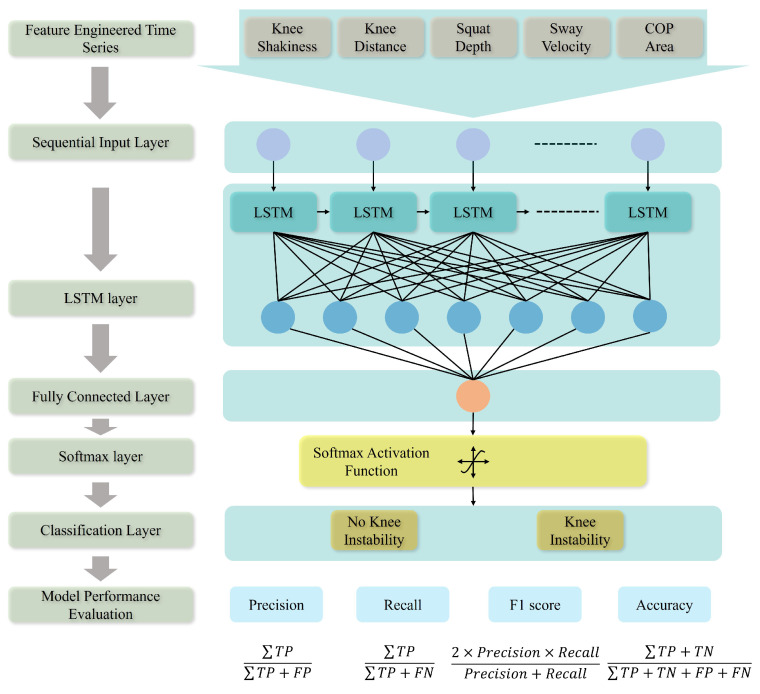 Figure 4
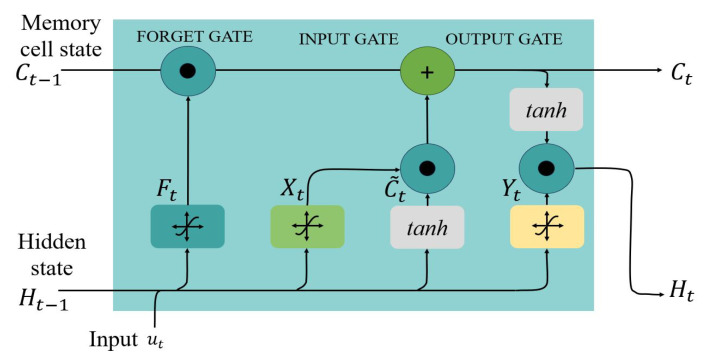 Figure 5
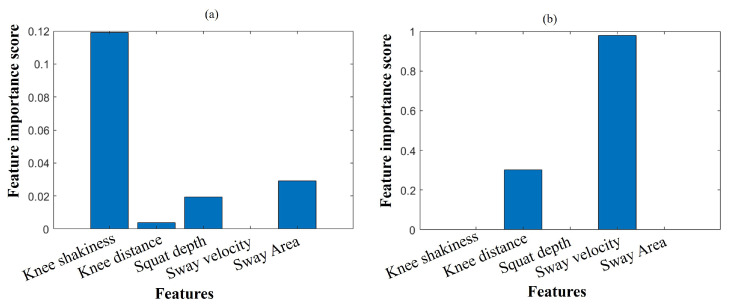 Figure 6
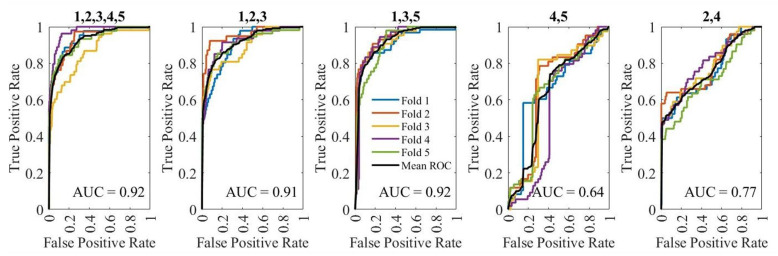 Figure 7
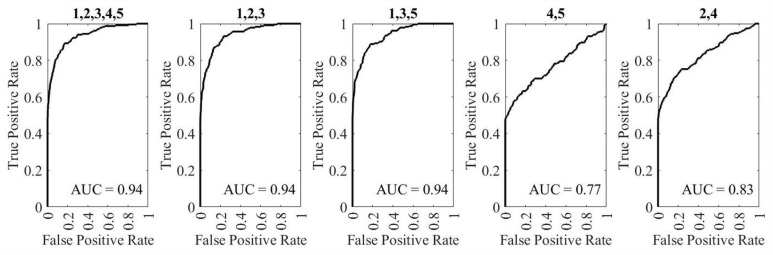 Figure 8
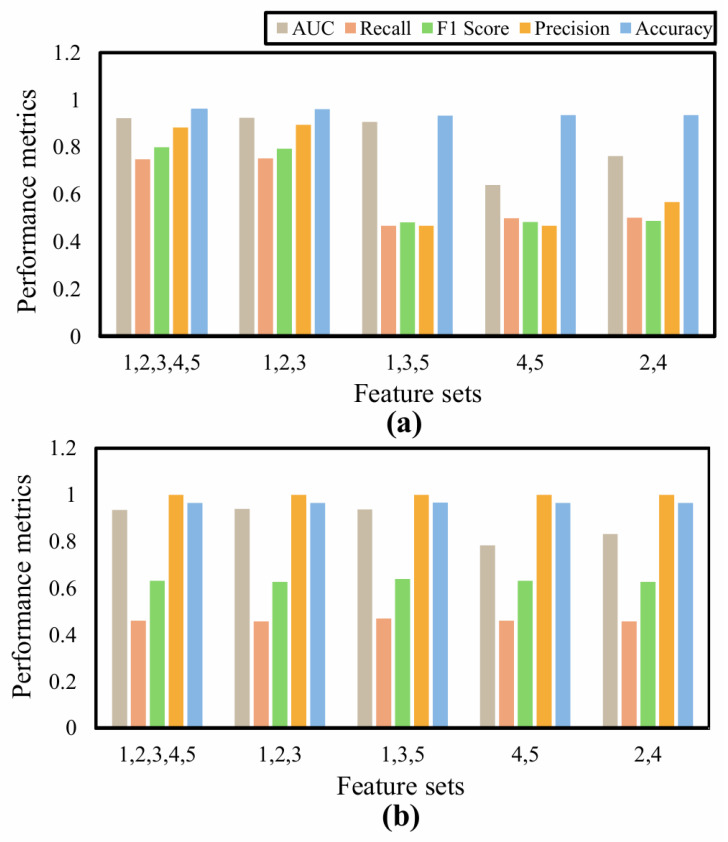 Figure 9
Peer Reviews
No public reviews on file for this paper yet. If you reviewed it on a platform where reviews are public (OpenReview, ICLR, NeurIPS, ICML), you can paste yours below so the community can read it here.
Videos
No videos yet. Explain this paper in a talk, walkthrough, or lecture? Add one.
Taxonomy
TopicsSports Performance and Training · Lower Extremity Biomechanics and Pathologies · Sports injuries and prevention