Forehead and In-Ear EEG Acquisition and Processing: Biomarker Analysis and Memory-Efficient Deep Learning Algorithm for Sleep Staging with Optimized Feature Dimensionality
Roberto De Fazio, Şule Esma Yalçınkaya, Ilaria Cascella, Carolina Del-Valle-Soto, Massimo De Vittorio, Paolo Visconti

TL;DR
This paper develops a wearable EEG system for sleep staging using forehead and in-ear sensors, achieving high accuracy with a compact feature set and deep learning.
Contribution
A novel memory-efficient deep learning model for sleep staging using optimized EEG features from a single derivation.
Findings
A single EEG derivation achieved 97.9% accuracy with the complete feature set.
Reduced feature sets achieved 93.5% and 94.7% accuracy with high explained variance.
The system is suitable for unobtrusive, home-based sleep monitoring.
Abstract
Advancements in electroencephalography (EEG) technology and feature extraction methods have paved the way for wearable, non-invasive systems that enable continuous sleep monitoring outside clinical environments. This study presents the development and evaluation of an EEG-based acquisition system for sleep staging, which can be adapted for wearable applications. The system utilizes a custom experimental setup with the ADS1299EEG-FE-PDK evaluation board to acquire EEG signals from the forehead and in-ear regions under various conditions, including visual and auditory stimuli. Afterward, the acquired signals were processed to extract a wide range of features in time, frequency, and non-linear domains, selected based on their physiological relevance to sleep stages and disorders. The feature set was reduced using the Minimum Redundancy Maximum Relevance (mRMR) algorithm and Principal…
Genes, proteins, chemicals, diseases, species, mutations and cell lines named across the full text — each resolved to its canonical identifier and authoritative record.
Click any figure to enlarge with its caption.
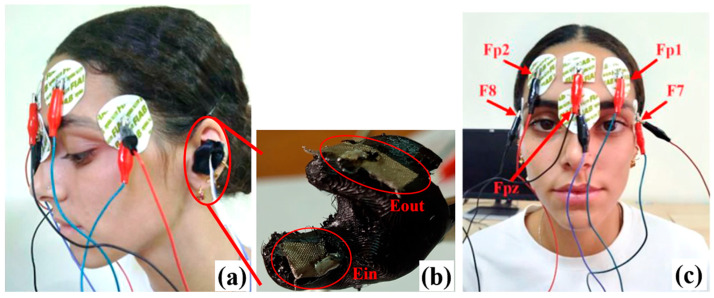 Figure 1
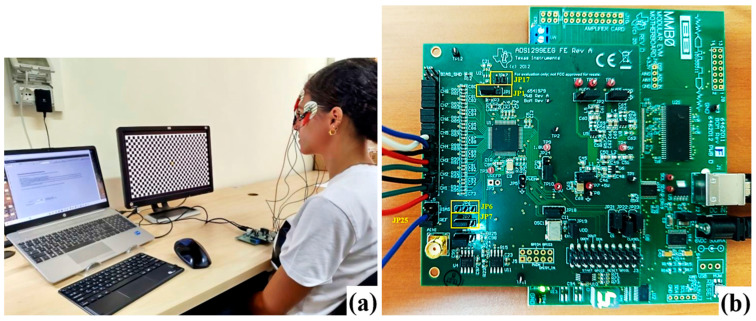 Figure 2
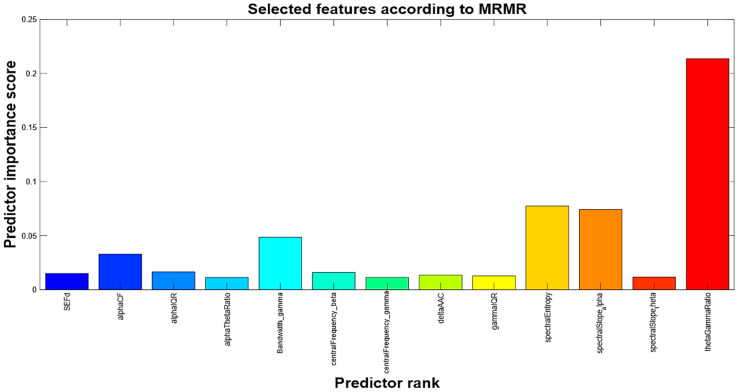 Figure 3
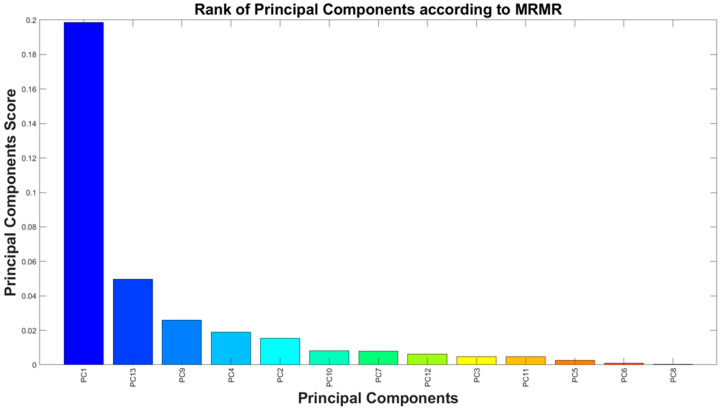 Figure 4
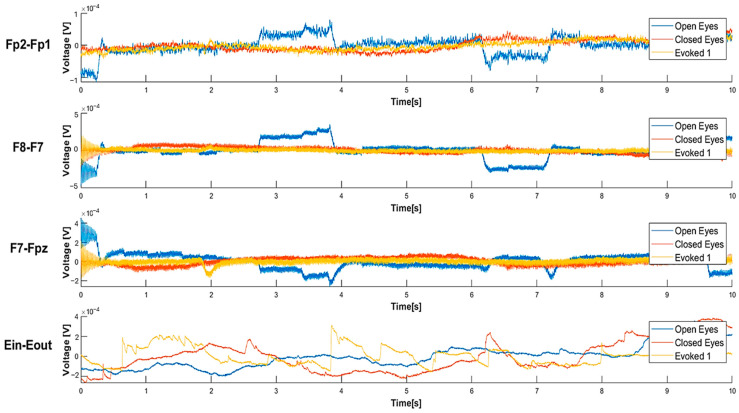 Figure 5
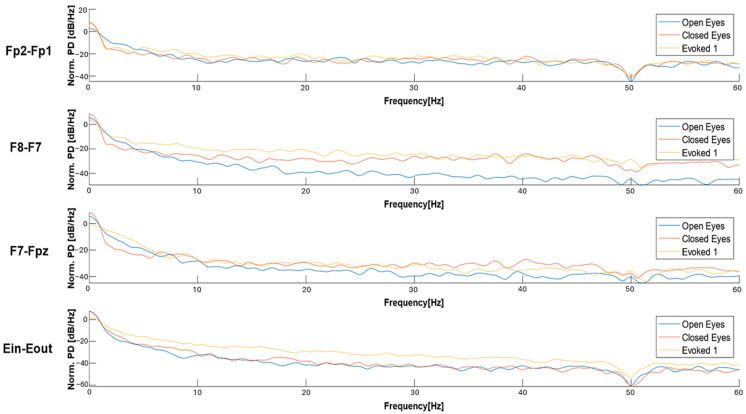 Figure 6
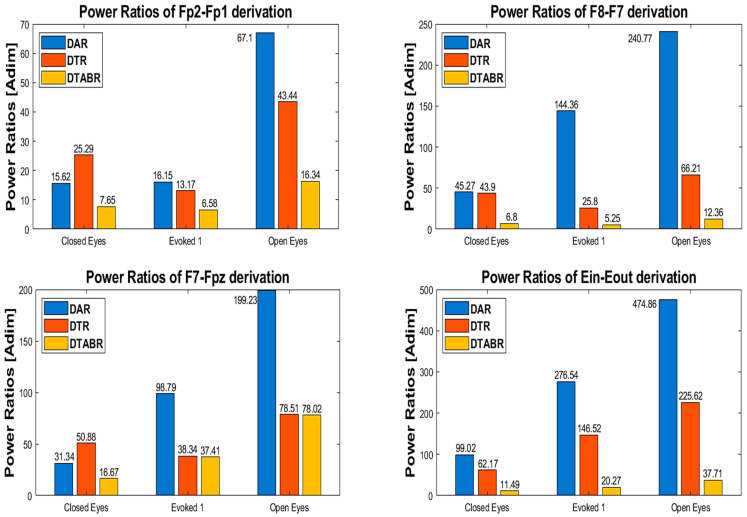 Figure 7
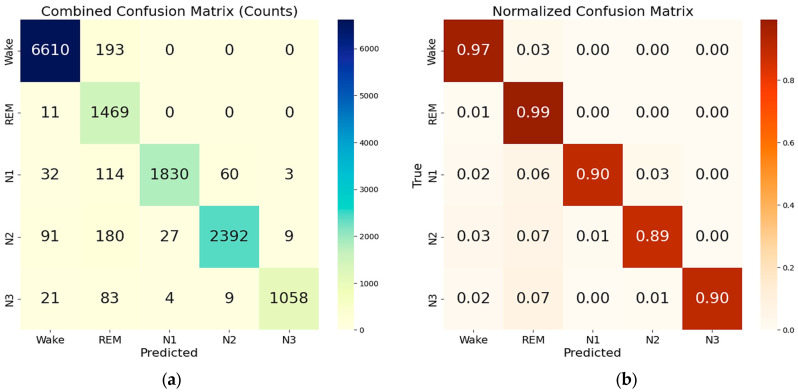 Figure 8
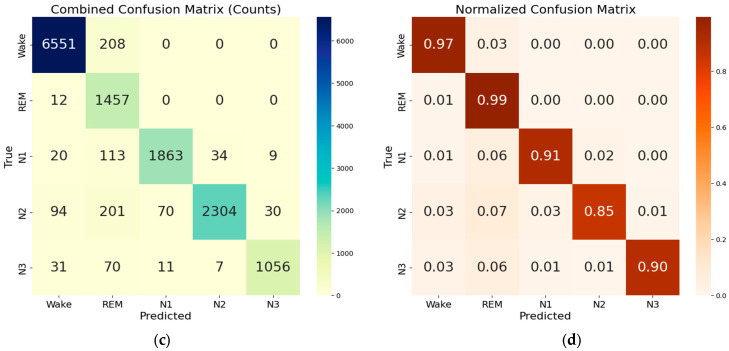 Figure 9
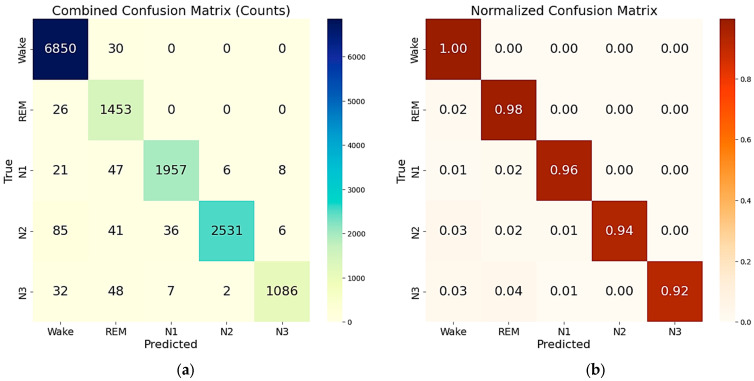 Figure 10
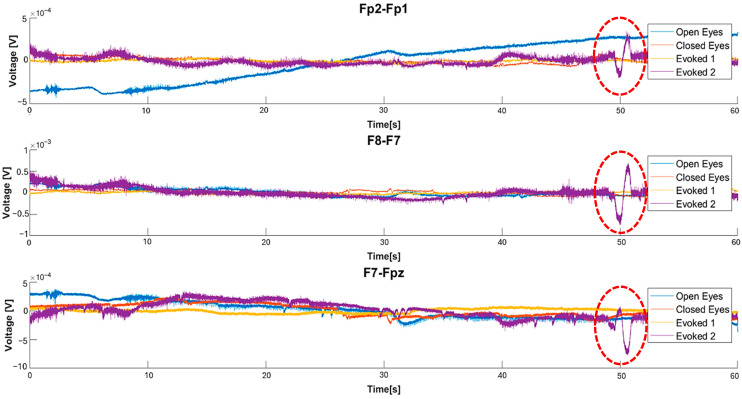 Figure 11
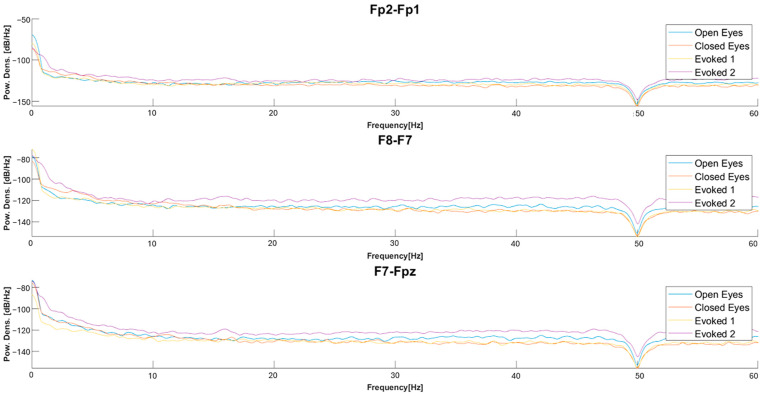 Figure 12
Peer Reviews
No public reviews on file for this paper yet. If you reviewed it on a platform where reviews are public (OpenReview, ICLR, NeurIPS, ICML), you can paste yours below so the community can read it here.
Videos
No videos yet. Explain this paper in a talk, walkthrough, or lecture? Add one.
Taxonomy
TopicsEEG and Brain-Computer Interfaces · Sleep and Wakefulness Research · Obstructive Sleep Apnea Research