Subspace Complexity Reduction in Direction-of-Arrival Estimation via the RASA Algorithm
Belan Bapir-Bakr, Haitham Kareem-Ali, Sandra Gutiérrez-Serrano, Nerea del-Rey-Maestre, Carlos Hernández-Fernández

TL;DR
This paper introduces a new algorithm called RASA to improve direction-of-arrival estimation by reducing computational complexity while maintaining accuracy.
Contribution
A novel selective subspace refinement technique is proposed to enhance DoA estimation under challenging signal conditions.
Findings
The RASA algorithm reduces computational complexity by up to 75% while maintaining high angular resolution.
The method outperforms traditional approaches in accuracy and execution time for high-resolution DoA estimation.
The correlation-aware subspace design improves robustness and numerical stability of the pseudo-spectrum.
Abstract
The complexity and scale of contemporary datasets are increasing, making the need for reliable and effective subspace processing more pressing. In array signal processing, the quality of the projection matrix and the structure of the noise subspace have a significant impact on the Direction of Arrival (DoA) estimation accuracy. In this study, the limits of typical subspace sampling approaches are emphasized, especially when source coherence, restricted snapshots, or low Signal-to-Noise Ratio (SNR) are present. Traditional DoA estimate strategies are revisited. To overcome these problems, a selective subspace refinement-based enhanced dimensionality reduction technique is proposed. Using a correlation measure based on the ℓ2-norm, the suggested strategy minimizes the projection subspace by finding and keeping just the noise subspace’s least correlated columns. Adaptively choosing the…
Genes, proteins, chemicals, diseases, species, mutations and cell lines named across the full text — each resolved to its canonical identifier and authoritative record.
Click any figure to enlarge with its caption.
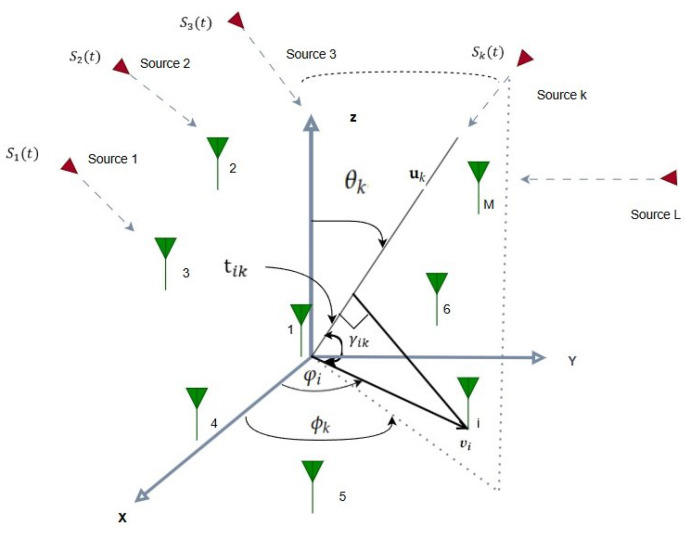 Figure 1
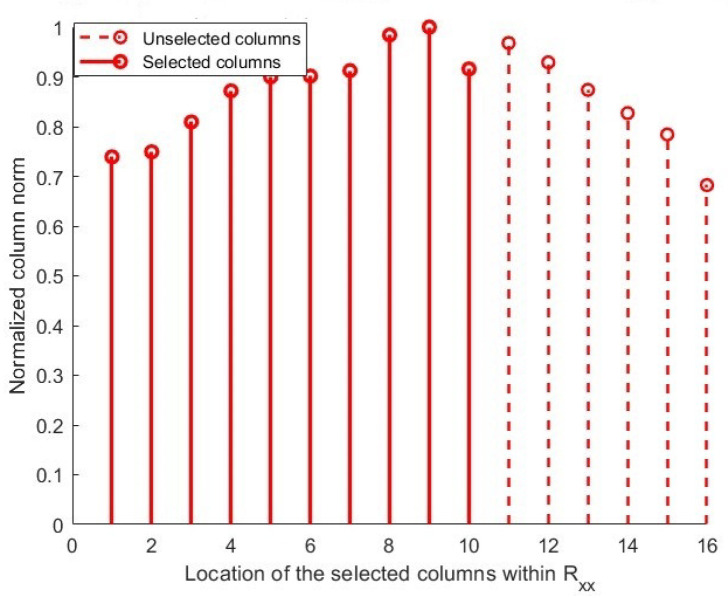 Figure 2
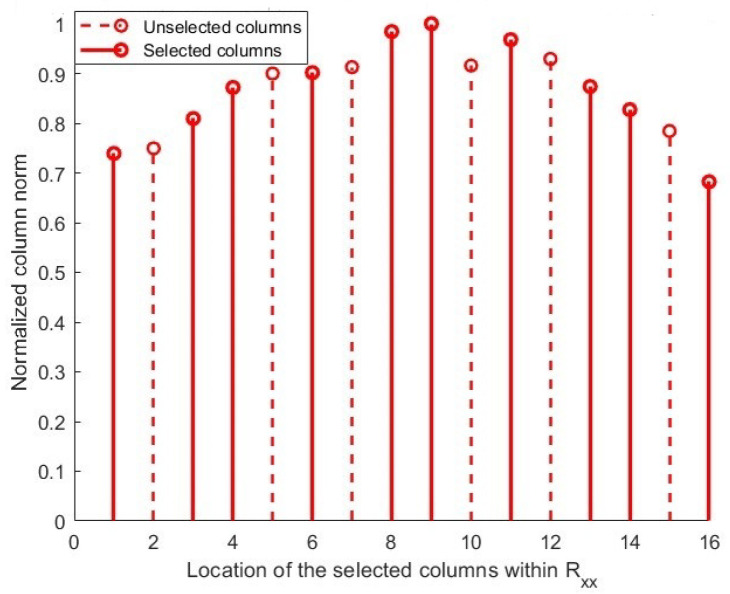 Figure 3
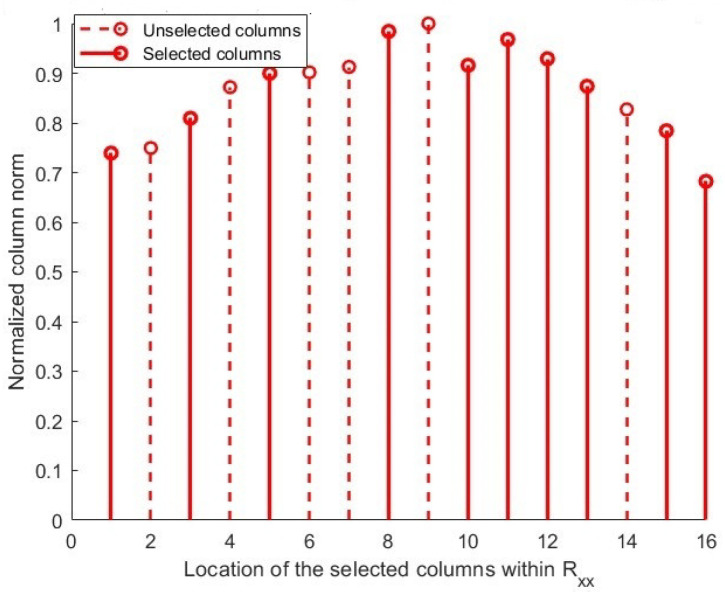 Figure 4
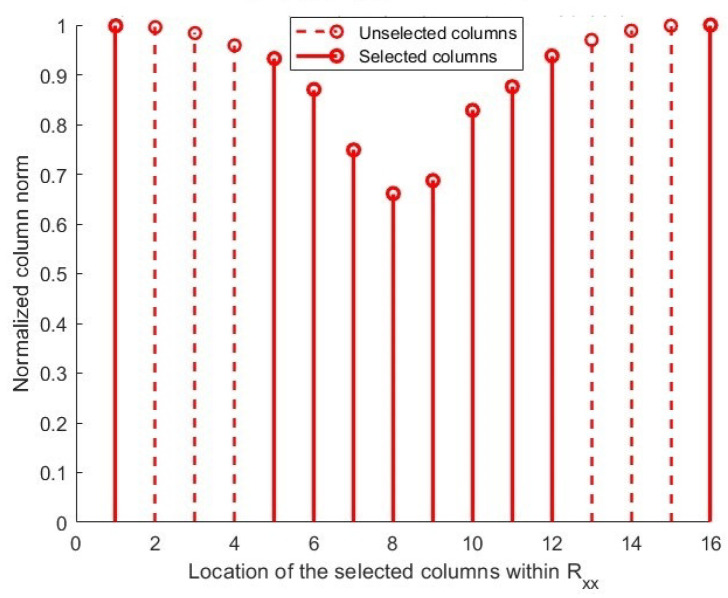 Figure 5
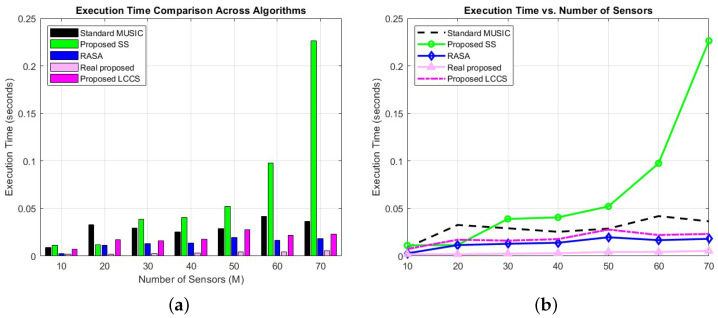 Figure 6
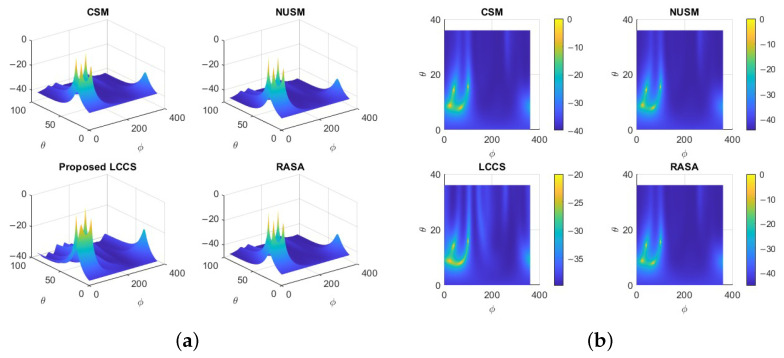 Figure 7
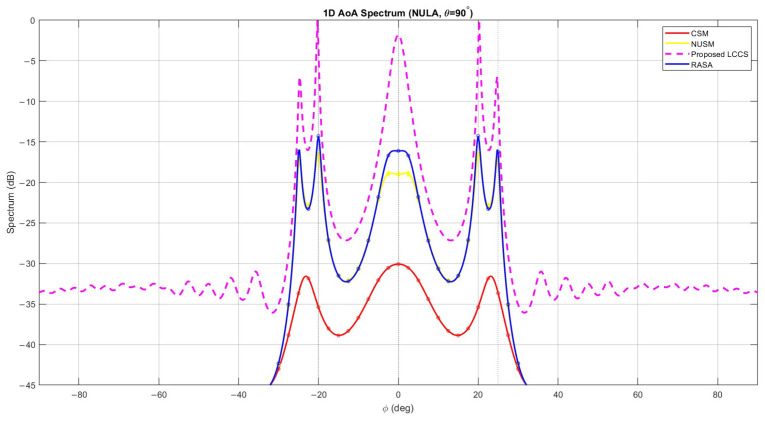 Figure 8
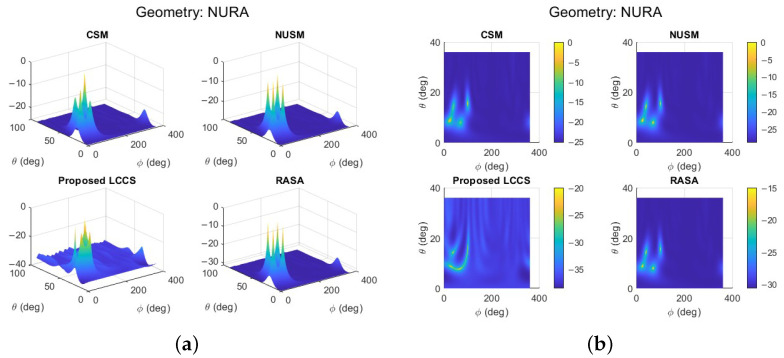 Figure 9
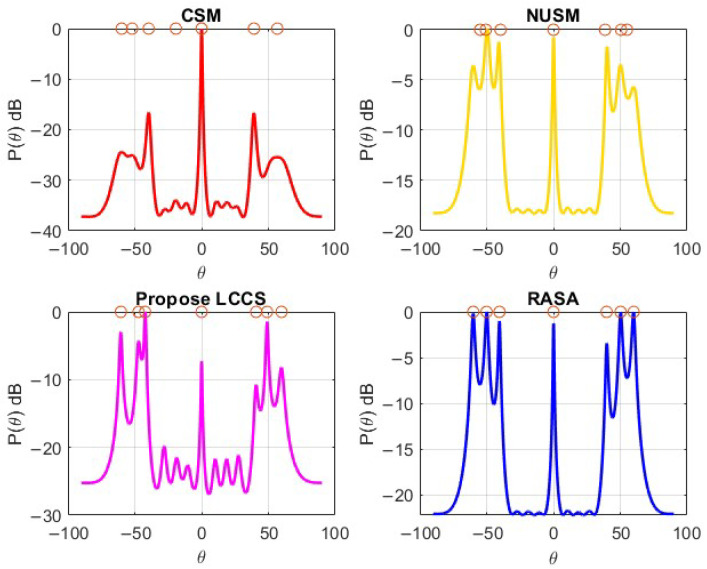 Figure 10
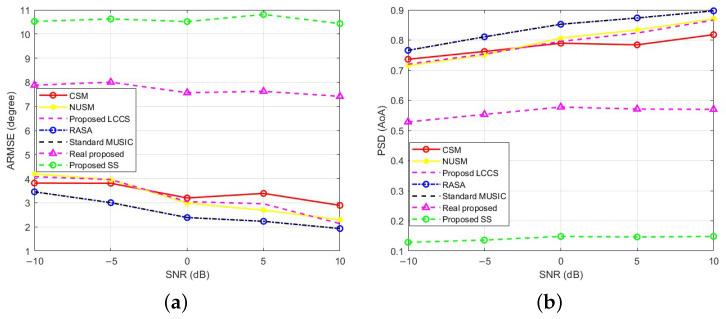 Figure 11
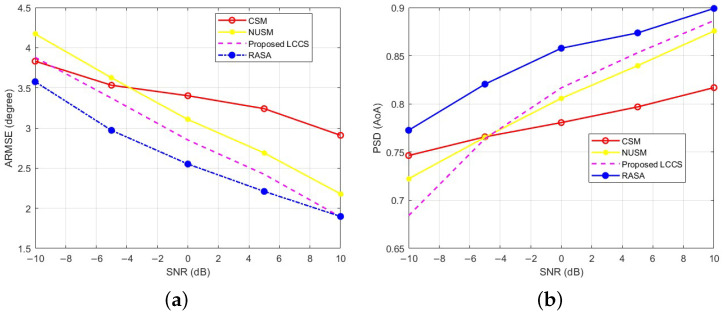 Figure 12
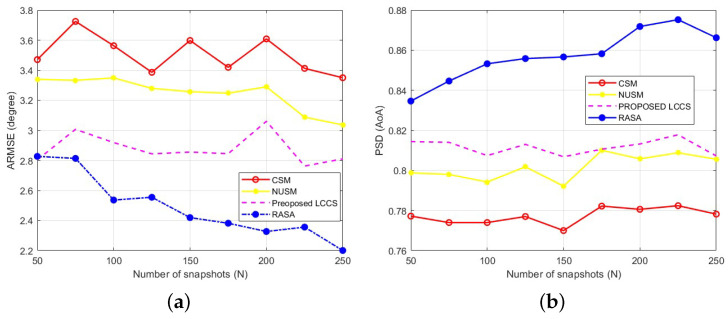 Figure 13
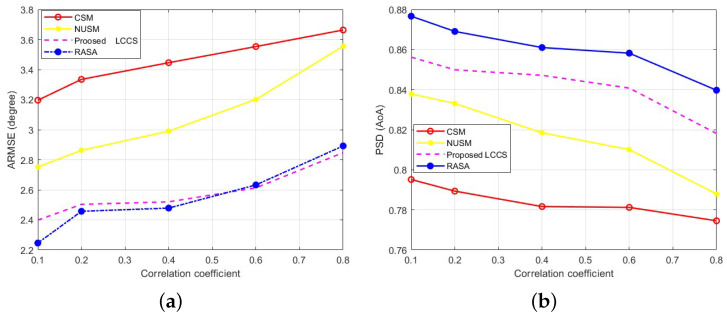 Figure 14
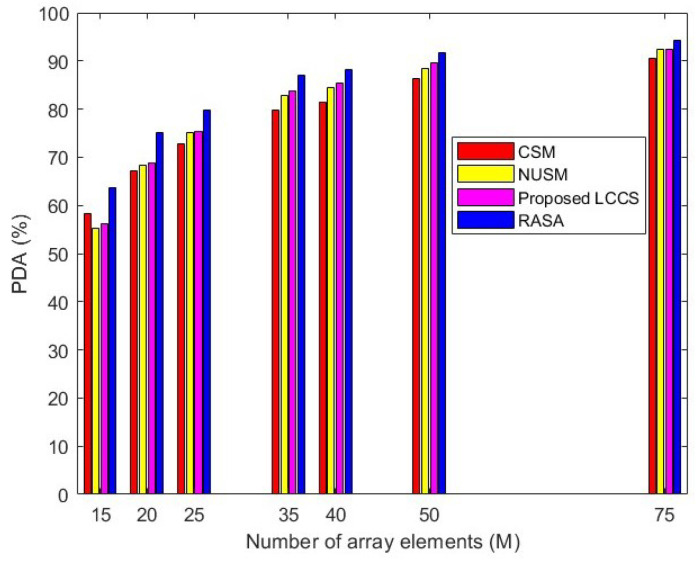 Figure 15
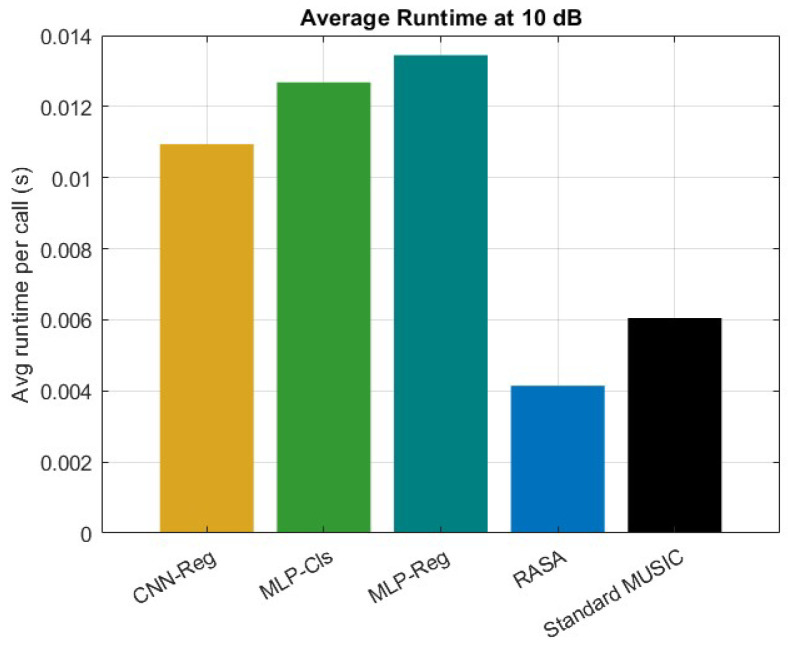 Figure 16
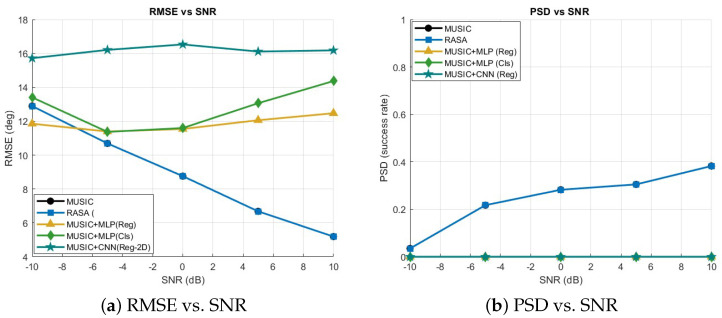 Figure 17
Peer Reviews
No public reviews on file for this paper yet. If you reviewed it on a platform where reviews are public (OpenReview, ICLR, NeurIPS, ICML), you can paste yours below so the community can read it here.
Videos
No videos yet. Explain this paper in a talk, walkthrough, or lecture? Add one.
Taxonomy
TopicsDirection-of-Arrival Estimation Techniques · Structural Health Monitoring Techniques · Antenna Design and Optimization