Transparent Polyurethane Elastomers with Excellent Foamability and Self-Healing Property via Molecular Design and Dynamic Covalent Bond Regulation
Rongli Zhu, Mingxi Linghu, Xueliang Liu, Liang Lei, Qi Yang, Pengjian Gong, Guangxian Li

TL;DR
Scientists created self-healing, lightweight foam materials using special chemical bonds and carbon dioxide, suitable for biomedical and wearable applications.
Contribution
A new self-healing polyurethane foam with multiple dynamic covalent bonds and controlled cellular structure is developed using scCO2 foaming.
Findings
PU-S5 shows hydrophobicity with a 97.5° water contact angle and high light transmission of 70.6%.
The material achieves a high expansion ratio of ~10 folds and damage recovery at 60 °C.
It has low temperature flexibility (Tg = −30.1 °C) and a low density of 0.12 g/cm³.
Abstract
Microcellular thermoplastic polyurethane (TPU) foams with dynamic covalent bonds demonstrating exceptional self-healing capabilities, coupled with precisely controlled micron-scale cellular architectures, present a promising solution for developing advanced materials that simultaneously achieve damage recovery and low density. In this study, a series of self-healable materials (named as PU-S) with high light transmittance possessing two dynamic covalent bonds (oxime bond and disulfide bond) in different ratios were fabricated by the one-pot method, and then the prepared PU-S were foamed utilizing the green and efficient supercritical carbon dioxide (scCO2) foaming technology. The PU-S foams possess multiple dynamic covalent bonds as well as porous structures, and the effect of the dynamic covalent bonds endows the materials with excellent self-healing properties and recyclability. Owing…
Genes, proteins, chemicals, diseases, species, mutations and cell lines named across the full text — each resolved to its canonical identifier and authoritative record.
Click any figure to enlarge with its caption.
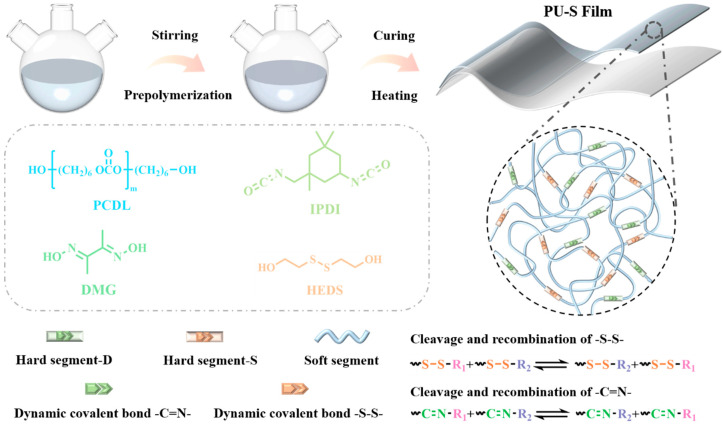 Figure 1
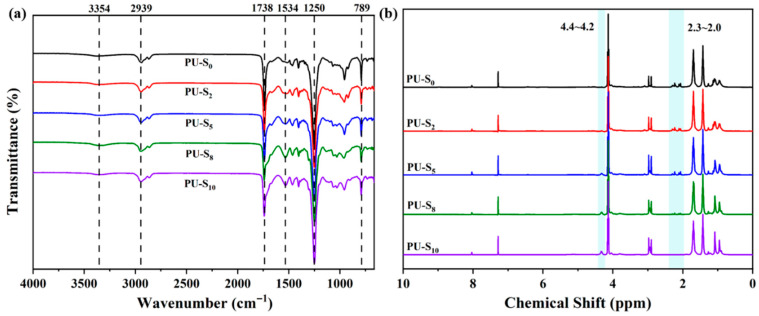 Figure 2
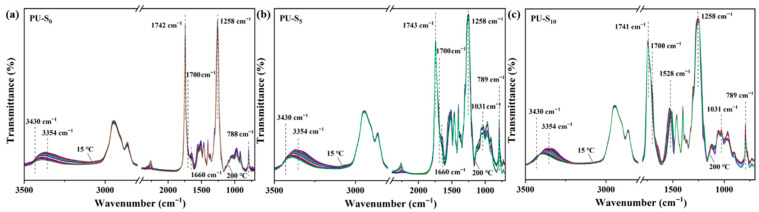 Figure 3
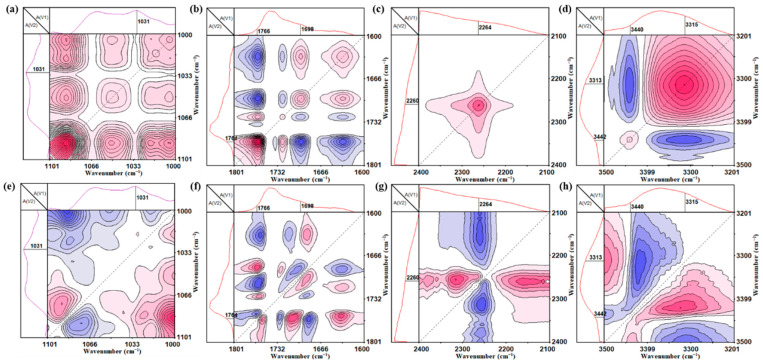 Figure 4
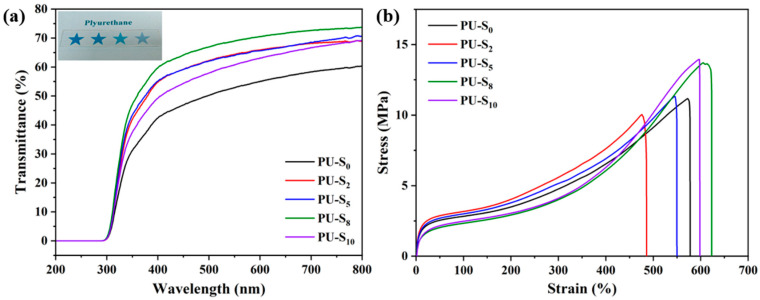 Figure 5
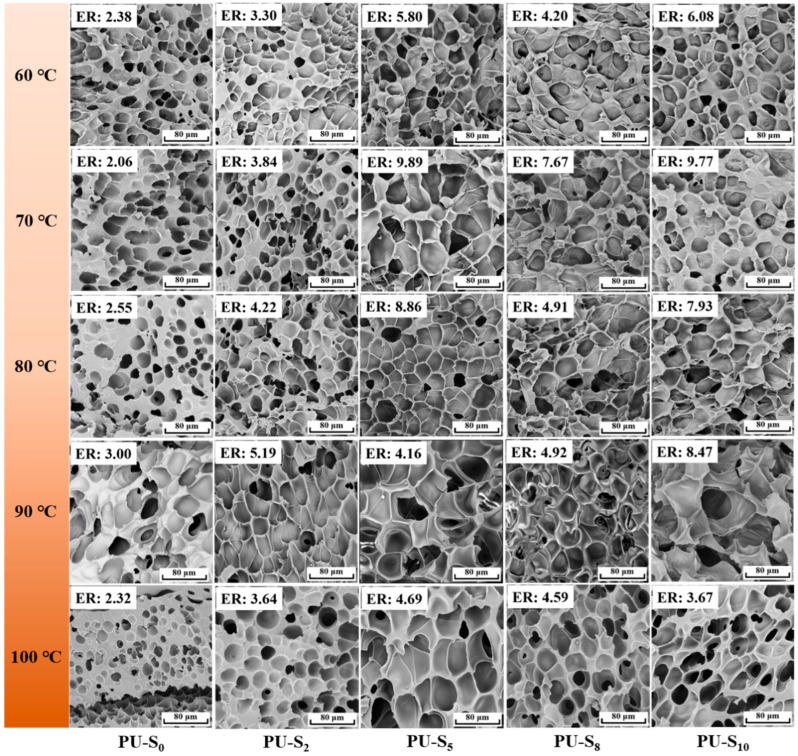 Figure 6
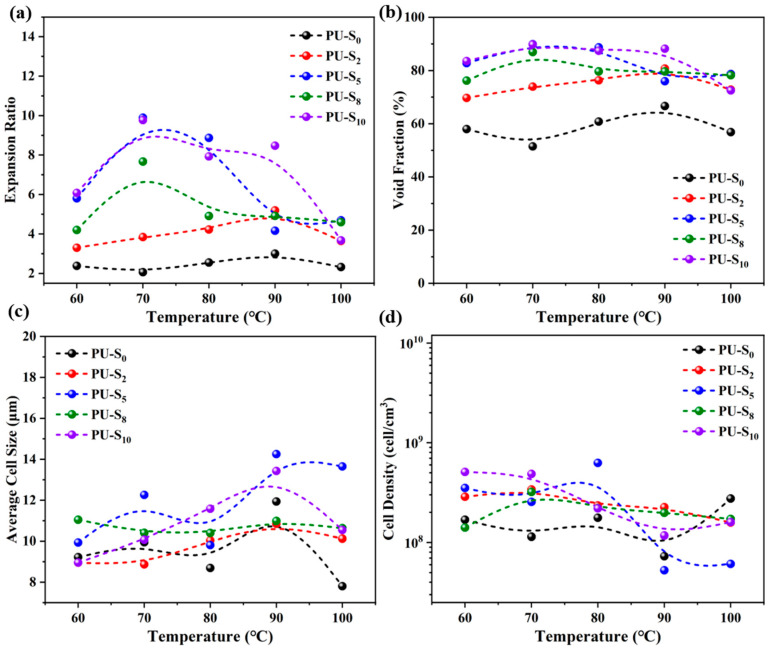 Figure 7
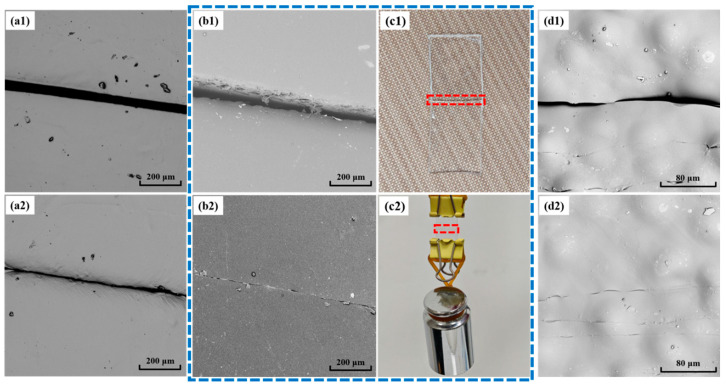 Figure 8
Peer Reviews
No public reviews on file for this paper yet. If you reviewed it on a platform where reviews are public (OpenReview, ICLR, NeurIPS, ICML), you can paste yours below so the community can read it here.
Videos
No videos yet. Explain this paper in a talk, walkthrough, or lecture? Add one.
Taxonomy
TopicsPolymer composites and self-healing · Polymer Foaming and Composites · Carbon dioxide utilization in catalysis