Comparing High- Versus Low-Dose Entresto in Heart Failure Patients: A 2025 Meta-Analysis
Akshay Maharaj, Sajay Bidhesi, Sheneel Jaggernauth, Shyam R Ramoutar, Rajiv N Lutchmedial, Matthew A Maharaj, Aaron Lutchman, Amit Bhandari, Adam S Khan, Ramisa Ferdaus, Aparna Remanan, Mohammad M Husain, Sinead N Bhagwandeen, Victoria Bhagwandeen

TL;DR
A 2025 meta-analysis found that high-dose Entresto reduces NT-proBNP levels more than low-dose, but does not significantly improve heart ejection fraction in heart failure patients.
Contribution
This study is the first meta-analysis comparing high- versus low-dose Entresto in heart failure patients, revealing dose-dependent effects on NT-proBNP levels.
Findings
High-dose Entresto significantly reduces NT-proBNP levels compared to low-dose.
No significant difference in left ventricular ejection fraction (LVEF) improvement between high- and low-dose groups.
High-dose Entresto shows potential for greater cardiac stress reduction despite no LVEF benefit.
Abstract
Entresto (sacubitril/valsartan) is widely used for the treatment of heart failure with reduced ejection fraction (HFrEF) due to its ability to enhance natriuretic peptide activity and inhibit the renin-angiotensin-aldosterone system (RAAS). However, its effects on various cardiovascular outcomes require further evaluation. Therefore, a meta-analysis of existing clinical studies was conducted to compare the effectiveness of high-dose vs. low-dose Entresto in treating chronic heart failure. A systematic search was performed using three databases: PubMed, ClinicalTrials, and Cochrane. The meta-analysis included nine randomized controlled trials comprising 4,011 patients with HFrEF. The inclusion criteria were: studies that evaluated patients (>18 years of age) with heart failure (these doses were generally divided into high (97/103 mg) and low (24/26 mg), with four studies using different…
Genes, proteins, chemicals, diseases, species, mutations and cell lines named across the full text — each resolved to its canonical identifier and authoritative record.
Click any figure to enlarge with its caption.
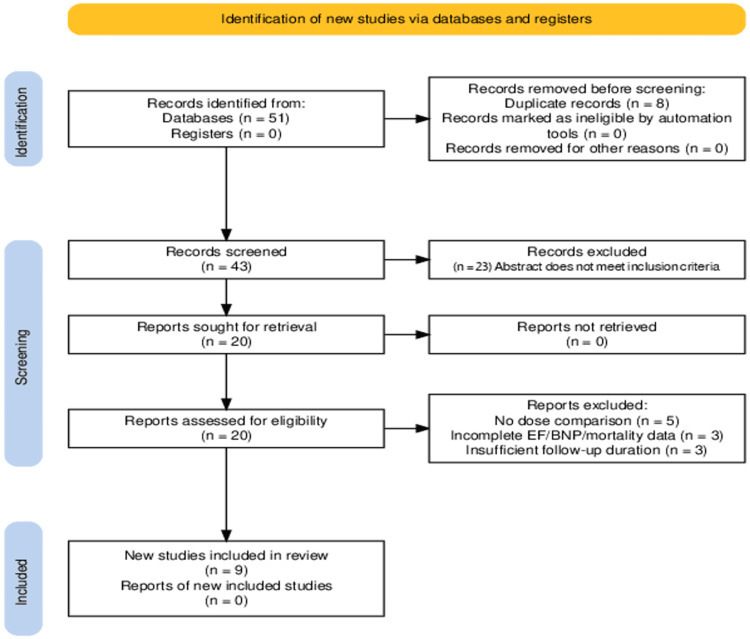 Figure 1
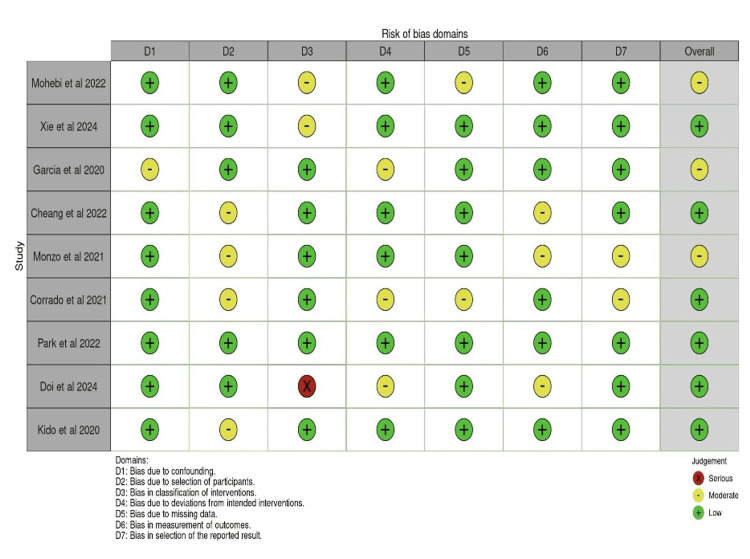 Figure 2
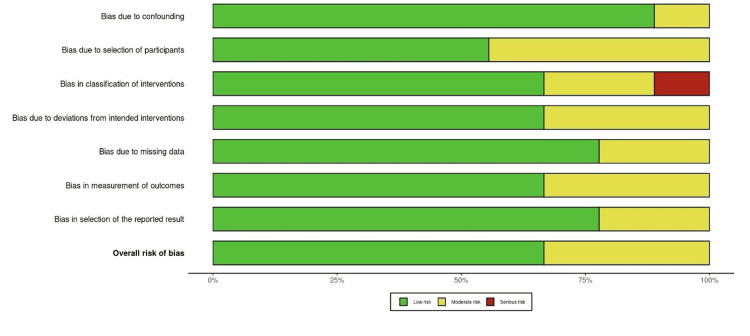 Figure 3
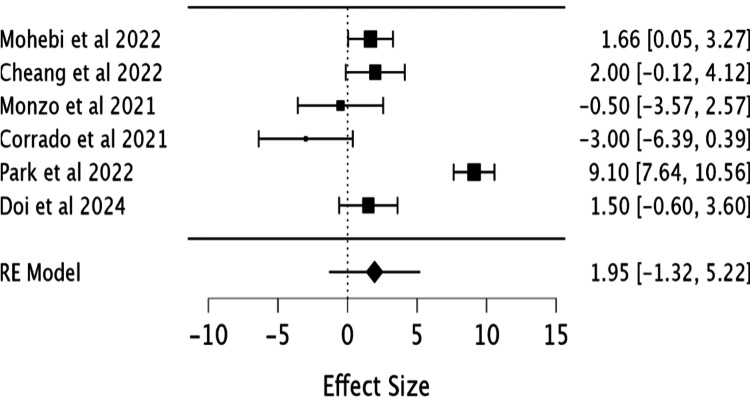 Figure 4
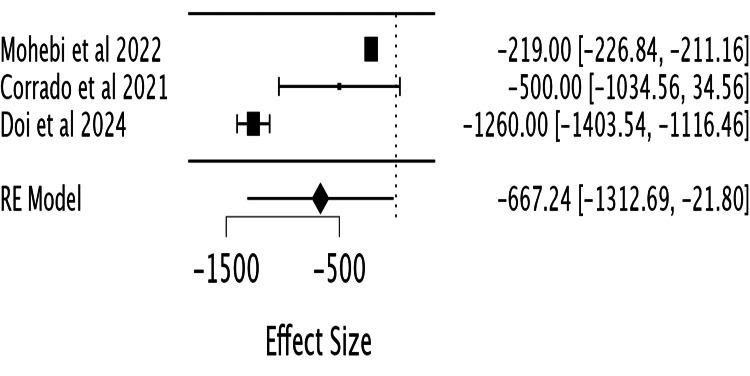 Figure 5
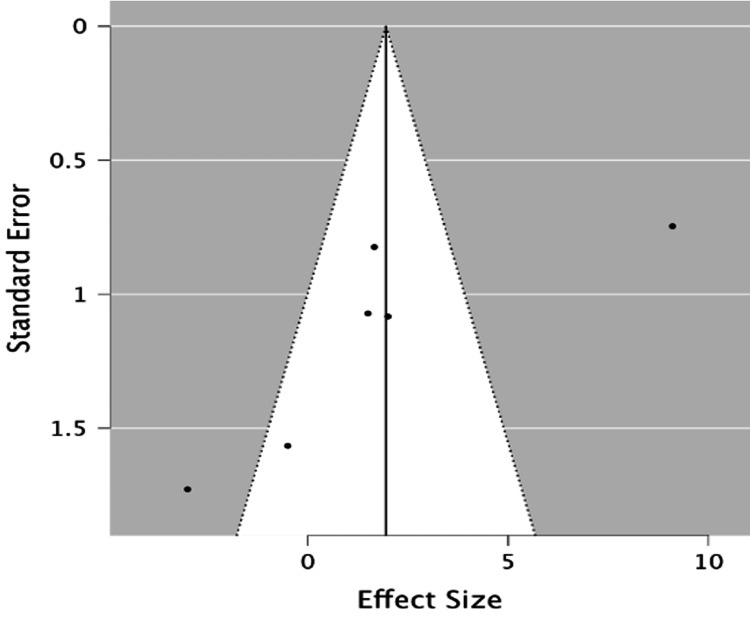 Figure 6
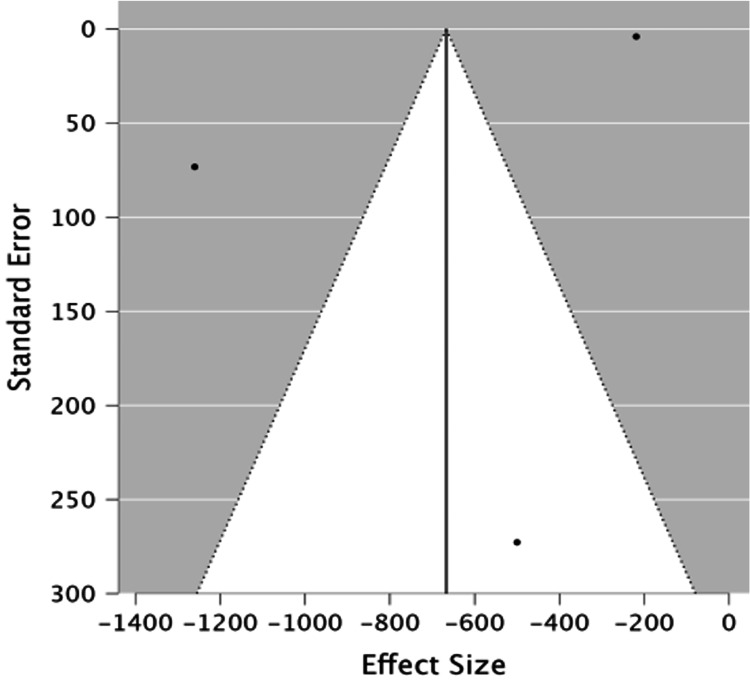 Figure 7
Peer Reviews
No public reviews on file for this paper yet. If you reviewed it on a platform where reviews are public (OpenReview, ICLR, NeurIPS, ICML), you can paste yours below so the community can read it here.
Videos
No videos yet. Explain this paper in a talk, walkthrough, or lecture? Add one.
Taxonomy
TopicsHeart Failure Treatment and Management · Cardiovascular Function and Risk Factors · Cardiovascular and exercise physiology