Fluidic Response and Sensing Mechanism of Meissner’s Corpuscles to Low-Frequency Mechanical Stimulation
Si Chen, Tonghe Yuan, Zhiheng Yang, Weimin Ru, Ning Yang

TL;DR
This study explores how Meissner’s corpuscles detect vibrations by analyzing fluid flow and shear stress in response to different types of mechanical stimulation.
Contribution
A biomimetic microfluidic platform and CFD model were used to reveal direction-specific fluid dynamics in Meissner’s corpuscles.
Findings
Normal vibrations at 20 Hz caused localized vortices and higher shear stress along the short axis.
Tangential vibrations produced stable laminar flow with lower shear stress along the long axis.
The internal structure of Meissner’s corpuscles is key to converting mechanical inputs into specific fluid patterns.
Abstract
Meissner’s corpuscles are essential mechanoreceptors that detect low-frequency vibrations. However, the internal fluid dynamic processes that convert directional mechanical stimuli into neural signals are not yet fully understood. This study aims to clarify the direction-specific sensing mechanism by analyzing internal fluid flow and shear stress distribution under different vibration modes. A biomimetic microfluidic platform was developed and coupled with a dynamic mesh computational fluid dynamics (CFD) model to simulate the response of the corpuscle to 20 Hz normal and tangential vibrations. The simulation results showed clear differences in fluid behavior. Normal vibration produced localized vortices and peak wall shear stress greater than 0.0054 Pa along the short axis. In contrast, tangential vibration generated stable laminar flow with a lower average shear stress of about 0.0012…
Genes, proteins, chemicals, diseases, species, mutations and cell lines named across the full text — each resolved to its canonical identifier and authoritative record.
Click any figure to enlarge with its caption.
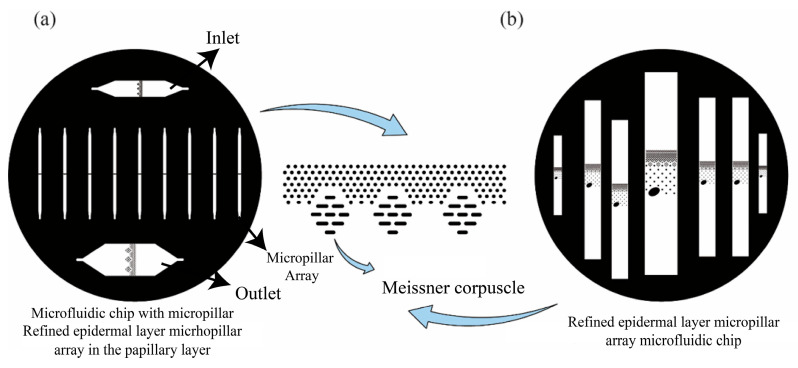 Figure 1
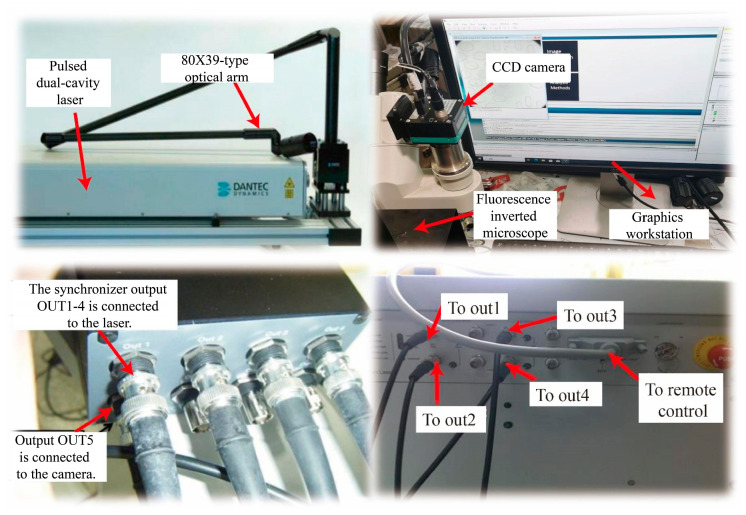 Figure 2
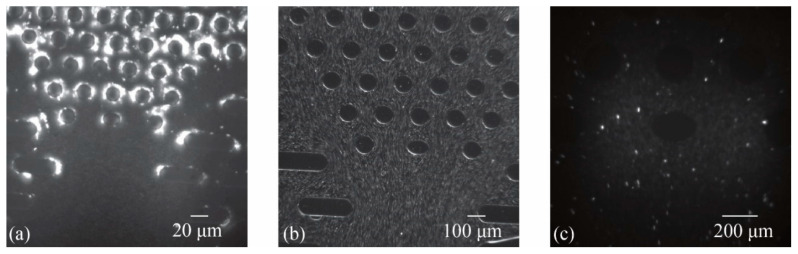 Figure 3
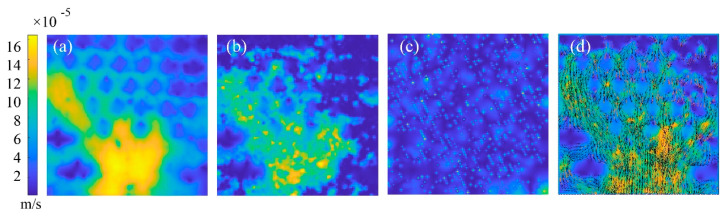 Figure 4
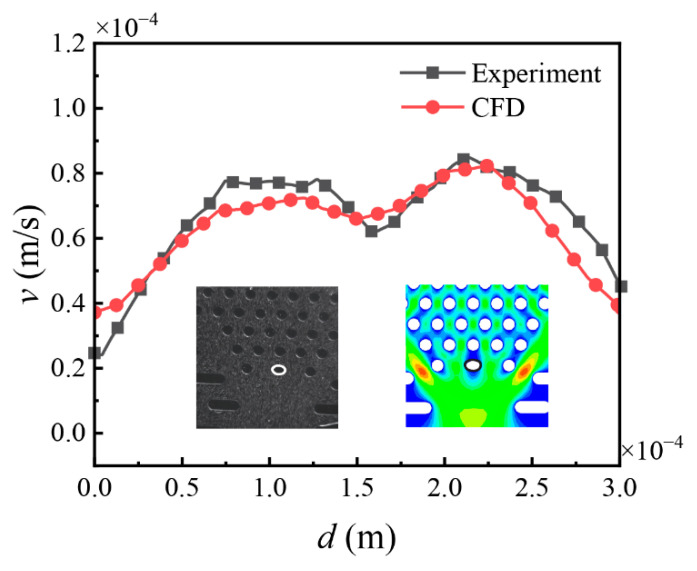 Figure 5
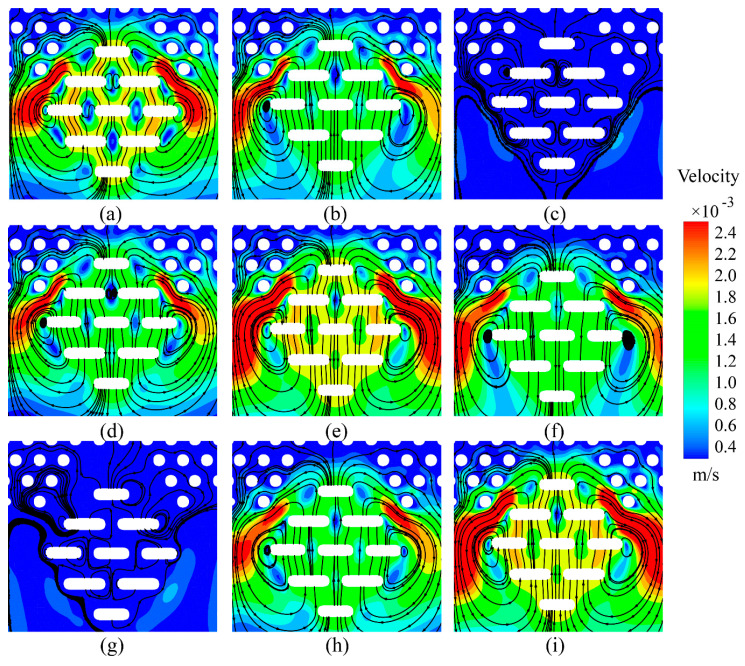 Figure 6
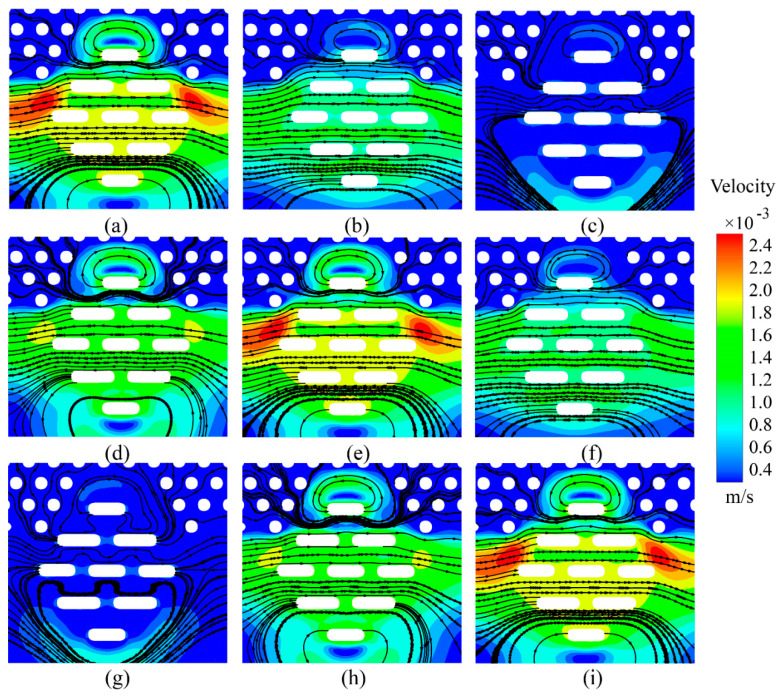 Figure 7
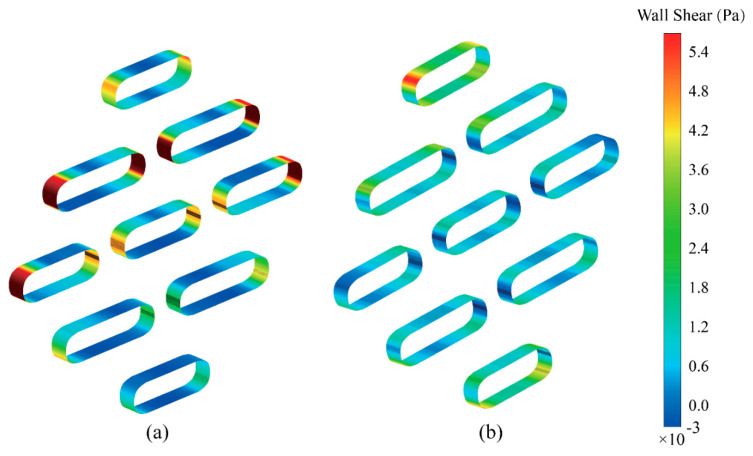 Figure 8
Peer Reviews
No public reviews on file for this paper yet. If you reviewed it on a platform where reviews are public (OpenReview, ICLR, NeurIPS, ICML), you can paste yours below so the community can read it here.
Videos
No videos yet. Explain this paper in a talk, walkthrough, or lecture? Add one.
Taxonomy
TopicsAdvanced Sensor and Energy Harvesting Materials · Tactile and Sensory Interactions · Muscle activation and electromyography studies