Practical Application of Passive Air-Coupled Ultrasonic Acoustic Sensors for Wheel Crack Detection
Aashish Shaju, Nikhil Kumar, Giovanni Mantovani, Steve Southward, Mehdi Ahmadian

TL;DR
Passive ultrasonic sensors can detect railroad wheel cracks in motion, with decay rate being the key indicator for damage.
Contribution
The study identifies a reliable acoustic fingerprint for wheel damage using passive air-coupled ultrasonic sensors.
Findings
The decay rate is the most effective feature for detecting severely damaged wheels with near-perfect ROC performance.
Ultrasonic frequencies (20–80 kHz) provide higher spectral fidelity than sonic frequencies for wheel defect detection.
Acoustic sensors show strong sensitivity to frictional defects but limited response to non-frictional surface conditions.
Abstract
What are the main findings? Passive air-coupled ultrasonic acoustic (UA) sensors were tested in both laboratory and track settings, where a reliable acoustic fingerprint for wheel damage was identified. The decay rate emerged as the primary diagnostic feature, achieving near-perfect ROC performance for severely damaged wheels.The acoustic fingerprint showed strong sensitivity to frictional and mass-loss defects such as shattered rim cracks and flange damage, but limited response to non-frictional surface conditions like Rolling Contact Fatigue (RCF), spalls, etc. Passive air-coupled ultrasonic acoustic (UA) sensors were tested in both laboratory and track settings, where a reliable acoustic fingerprint for wheel damage was identified. The decay rate emerged as the primary diagnostic feature, achieving near-perfect ROC performance for severely damaged wheels. The acoustic fingerprint…
Genes, proteins, chemicals, diseases, species, mutations and cell lines named across the full text — each resolved to its canonical identifier and authoritative record.
Click any figure to enlarge with its caption.
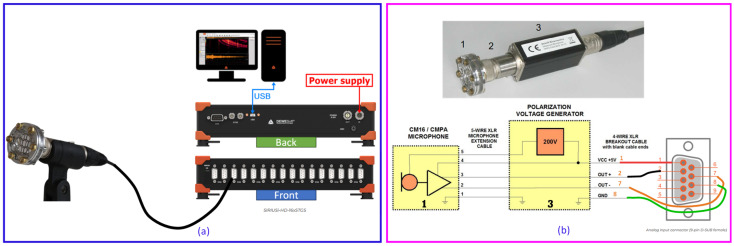 Figure 1
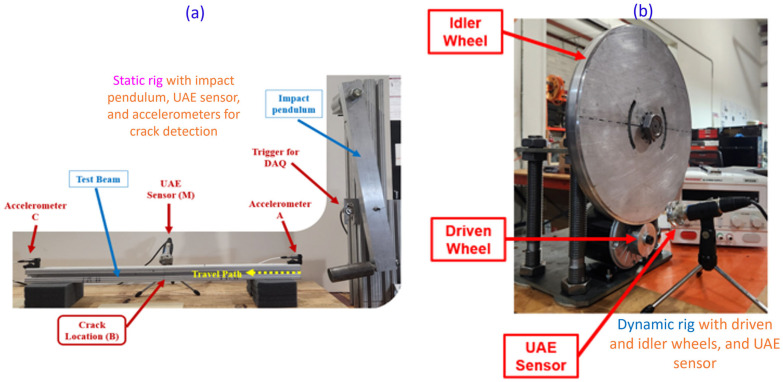 Figure 2
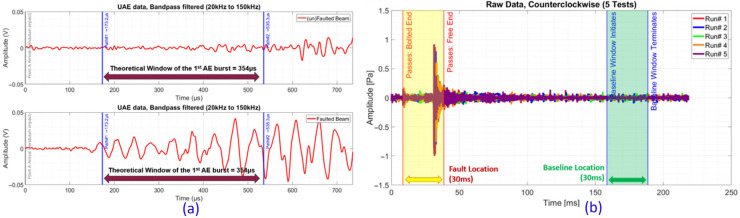 Figure 3
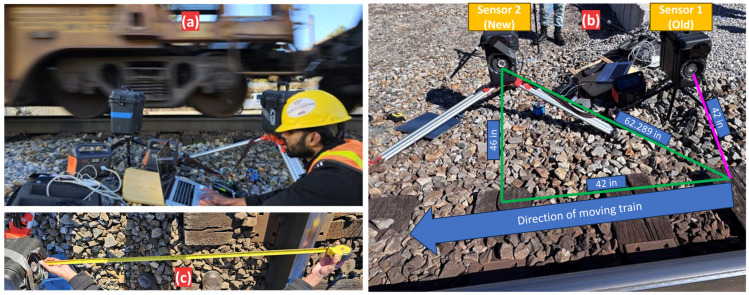 Figure 4
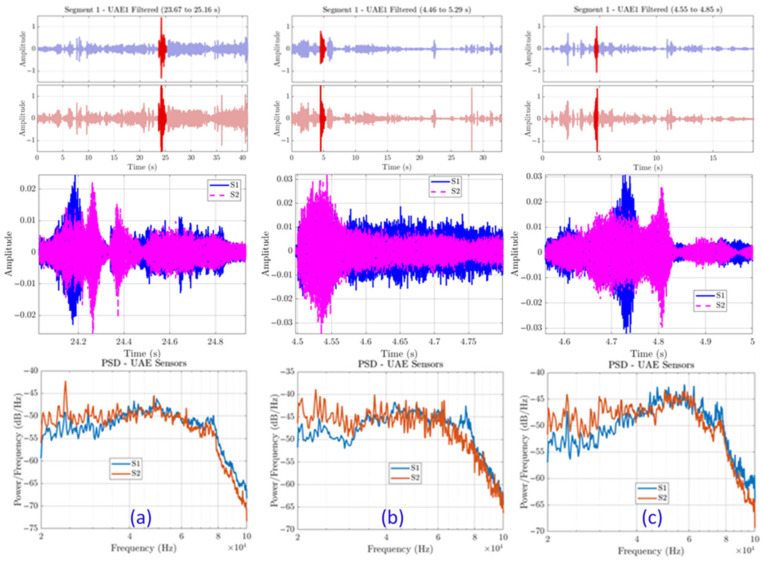 Figure 5
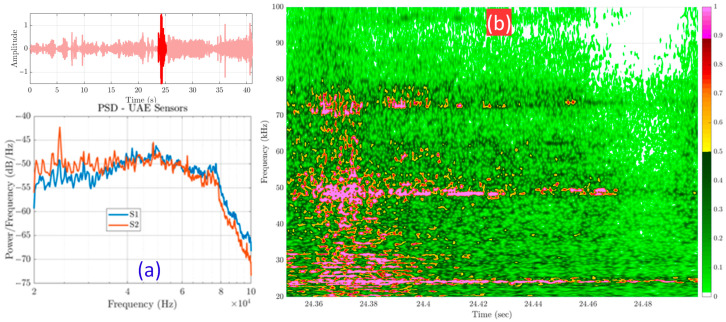 Figure 6
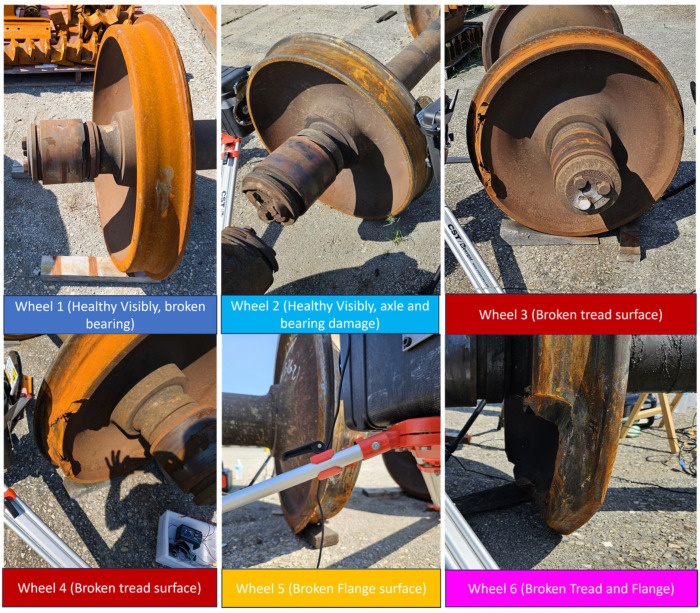 Figure 7
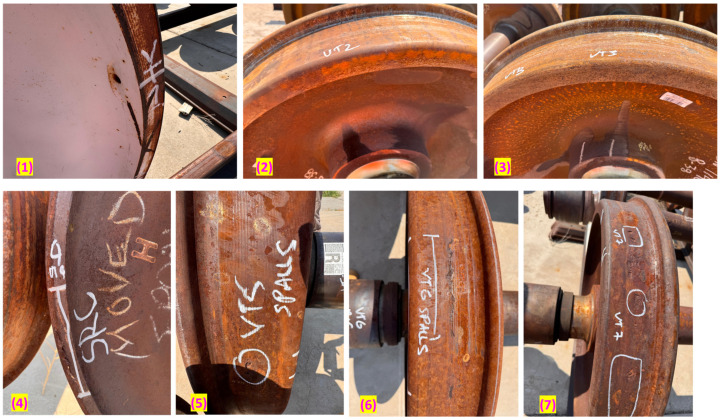 Figure 8
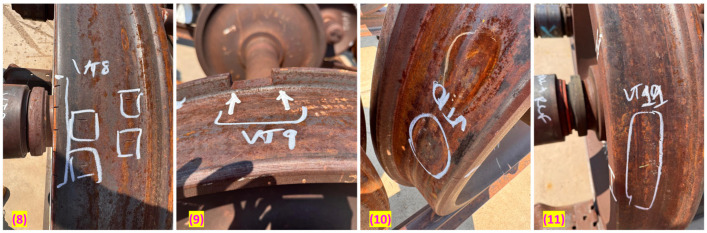 Figure 9
 Figure 10
 Figure 11
 Figure 12
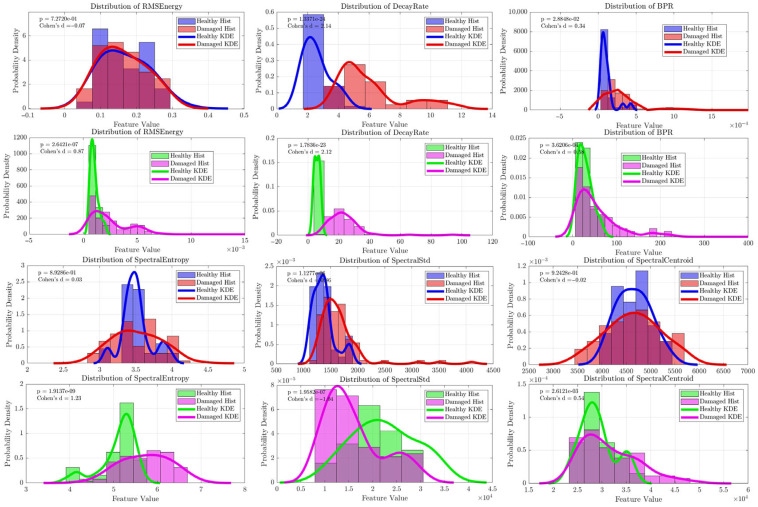 Figure 13
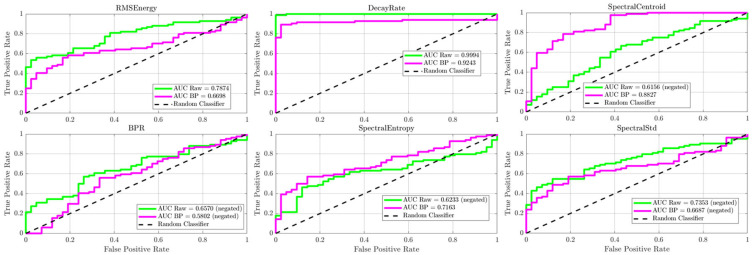 Figure 14
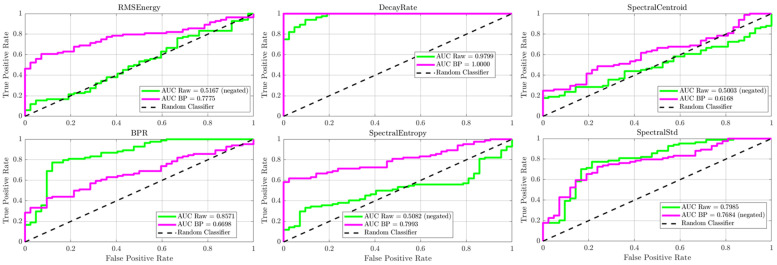 Figure 15
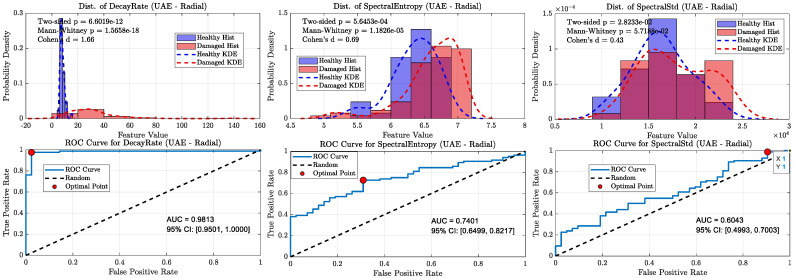 Figure 16
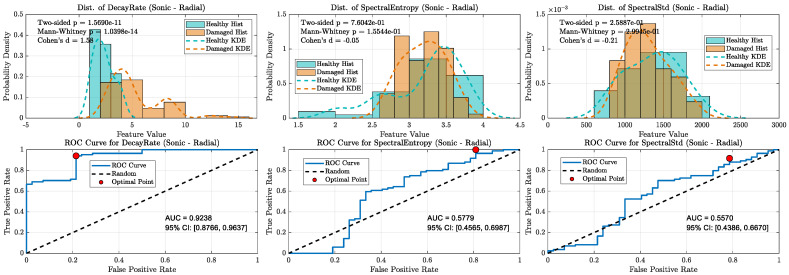 Figure 17
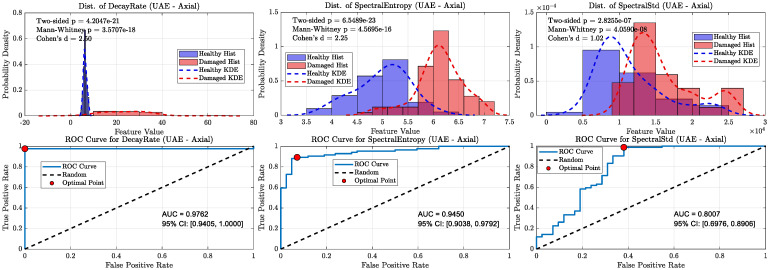 Figure 18
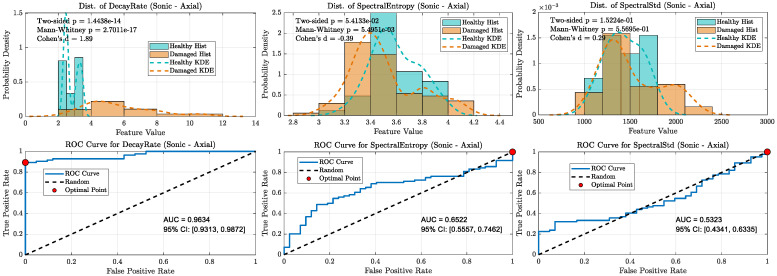 Figure 19
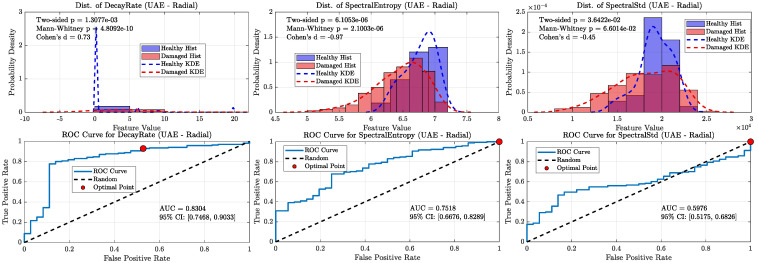 Figure 20
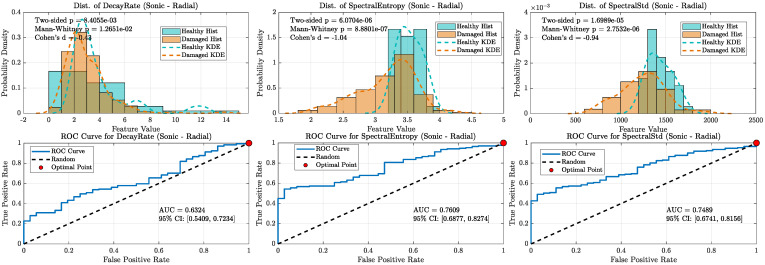 Figure 21
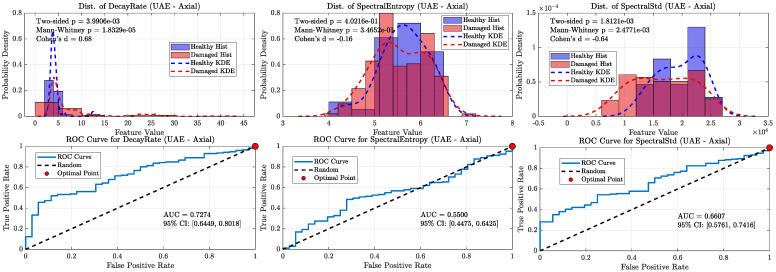 Figure 22
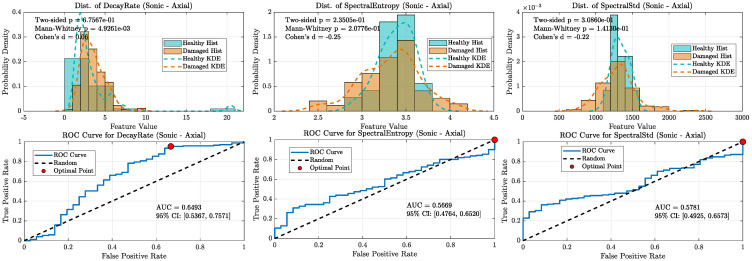 Figure 23
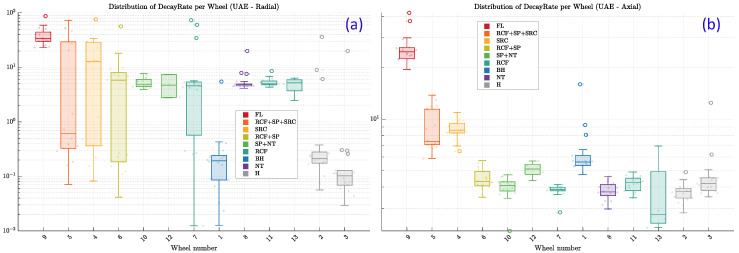 Figure 24
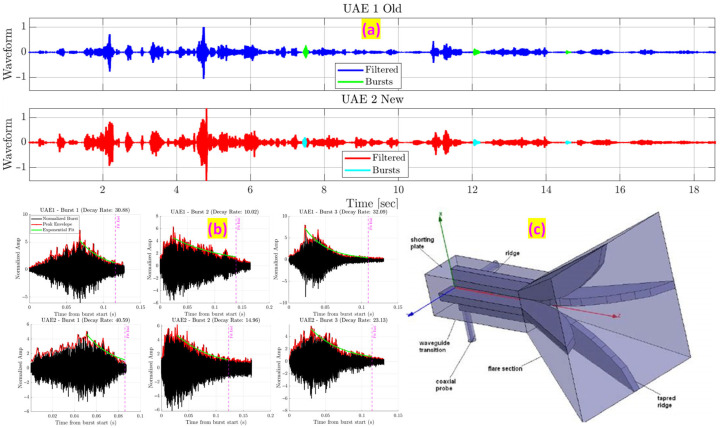 Figure 25
Peer Reviews
No public reviews on file for this paper yet. If you reviewed it on a platform where reviews are public (OpenReview, ICLR, NeurIPS, ICML), you can paste yours below so the community can read it here.
Videos
No videos yet. Explain this paper in a talk, walkthrough, or lecture? Add one.
Taxonomy
TopicsUltrasonics and Acoustic Wave Propagation · Structural Health Monitoring Techniques · Non-Destructive Testing Techniques