Natural Biological Properties Inherited from Native Endemic Flora in Honeys from Lake Ranco Area of Southern Chile: A Botanical and Physicochemical Approach
Enrique Mejías, Carlos Gómez, Pablo Díaz, Tatiana Garrido

TL;DR
This study analyzes honeys from southern Chile to identify unique biological properties from native plants, which could help in authenticating and valuing these honeys.
Contribution
The study identifies specific native plant species influencing the antioxidant properties of honeys, offering a method to authenticate and characterize Chilean honeys.
Findings
Three native species significantly influence the antioxidant activity of honeys from the Lake Ranco area.
Physicochemical parameters and compound activity create a unique profile for monofloral honeys.
These findings can help establish a system to authenticate and value Chilean honeys based on their biological attributes.
Abstract
Chile boasts a rich variety of native endemic melliferous flora, recognized internationally for the excellent taste and biological properties of its honeys. While honey production occurs across various regions, the southern zone, particularly near native rainforests, yields highly valued honeys that often lack comprehensive analytical characterization. This study was focused on seven apiaries near Lake Ranco in the Los Rios Region, collecting two honey samples from each location over two consecutive harvesting seasons, totaling 20 samples. Key parameters analyzed included botanical origin, total carbohydrates, glucose/fructose ratio, total phenolic compounds, antioxidant/antiradical activity and 5-hydroxymethylfurfural (HMF) content. The results indicated a significant influence of three native species, Eucryphia cordifolia, Caldcluvia paniculata, and Weinmannia trichosperma, on the…
Genes, proteins, chemicals, diseases, species, mutations and cell lines named across the full text — each resolved to its canonical identifier and authoritative record.
Click any figure to enlarge with its caption.
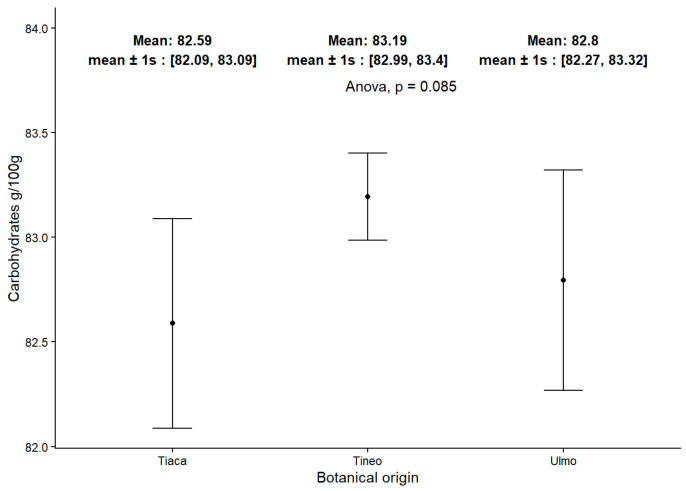 Figure 1
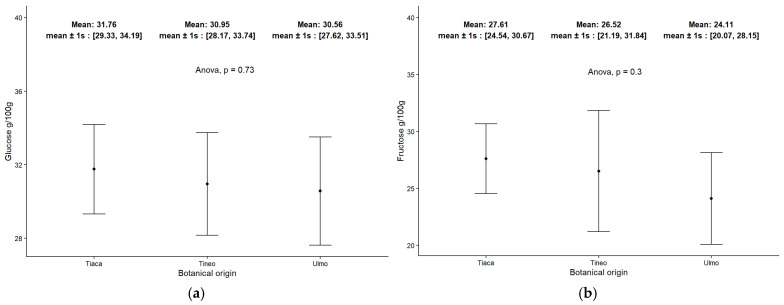 Figure 2
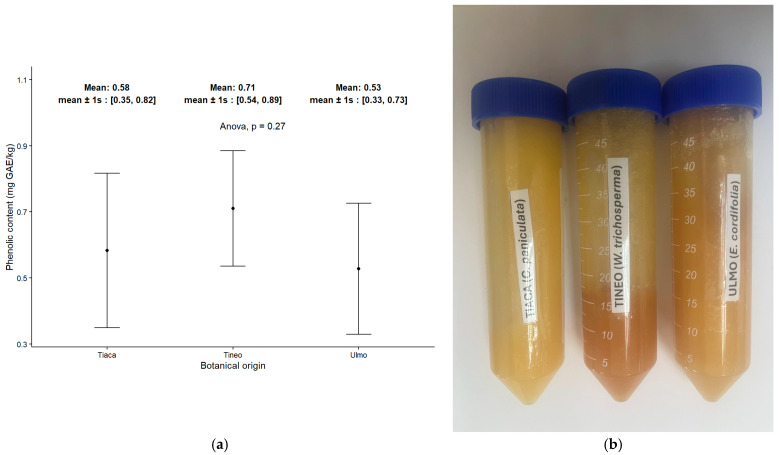 Figure 3
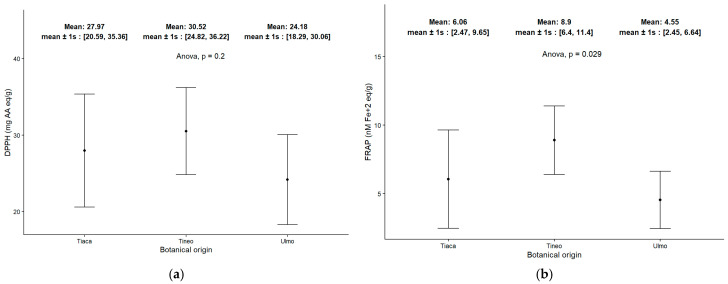 Figure 4
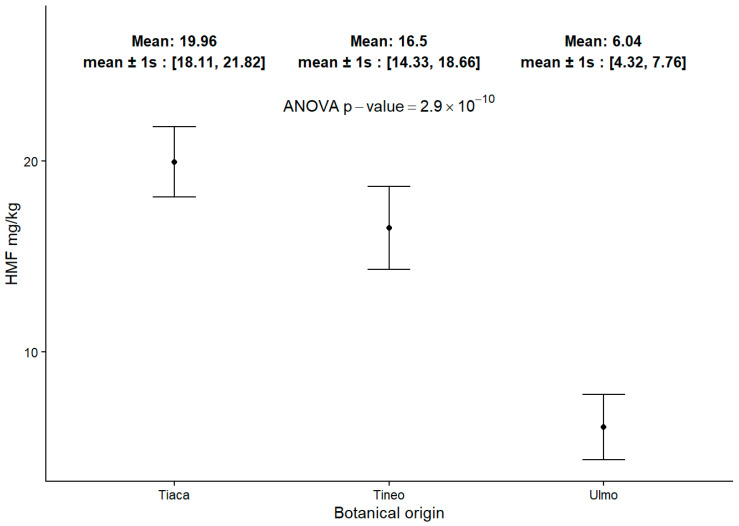 Figure 5
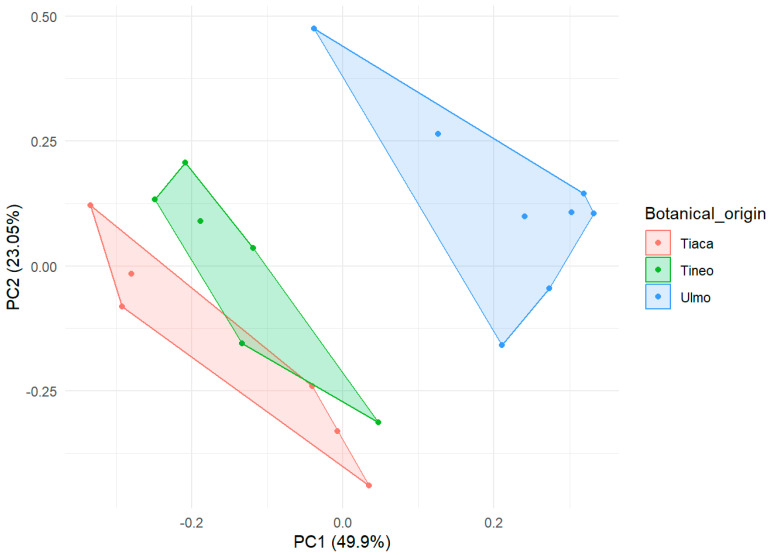 Figure 6
Peer Reviews
No public reviews on file for this paper yet. If you reviewed it on a platform where reviews are public (OpenReview, ICLR, NeurIPS, ICML), you can paste yours below so the community can read it here.
Videos
No videos yet. Explain this paper in a talk, walkthrough, or lecture? Add one.
Taxonomy
TopicsBee Products Chemical Analysis · Insect and Pesticide Research · Phytochemicals and Antioxidant Activities