Assessment of Hydrochar and Porous Carbon from Tectona Grandis Seeds for Removal of Acridine Dyes
Shubham Chaudhary, Monika Chaudhary, Sarita Kushwaha, Vaishali Tyagi, Shivangi Chaubey, Isabel Pestana da Paixão Cansado, Evgeny Galunin, Suhas

TL;DR
This paper investigates using materials derived from Tectona grandis seeds to effectively remove acridine dyes from water.
Contribution
The study introduces a new sustainable material from Tectona grandis seeds with high dye removal efficiency compared to commercial activated carbon.
Findings
AC-850-5 achieved 198 mg/g adsorption capacity for AYG and 171 mg/g for ABO, outperforming commercial activated carbon.
The adsorption process was found to be spontaneous, endothermic, and best described by the Langmuir isotherm model.
Adsorption kinetics followed the pseudo-second-order model, indicating surface site availability as a key factor.
Abstract
This study explores the use of lignocellulosic Tectona grandis seeds (TGs), hydrochar (HC-230-4), and activated carbon (AC-850-5) produced via hydrothermal carbonization and followed by CO2 activation for removing acridine yellow G (AYG) and acridine orange 14 (ABO) from water. HC-230-4 showed a rich presence of surface functional groups and irregular morphology with some sphere-like structures. In contrast, AC-850-5 exhibited a much higher surface area (729.7 m2/g), though with fewer surface functional groups than HC-230-4. The batch method was used to study the effects of contact time, pH, dye concentration, and temperature. Among the materials, AC-850-5 showed the highest adsorption capacity of 198 mg/g for AYG and 171 mg/g for ABO at 25 °C, around 12% higher than commercial activated carbon. The adsorption process was spontaneous and endothermic, fitting well to the Langmuir…
Genes, proteins, chemicals, diseases, species, mutations and cell lines named across the full text — each resolved to its canonical identifier and authoritative record.
Click any figure to enlarge with its caption.
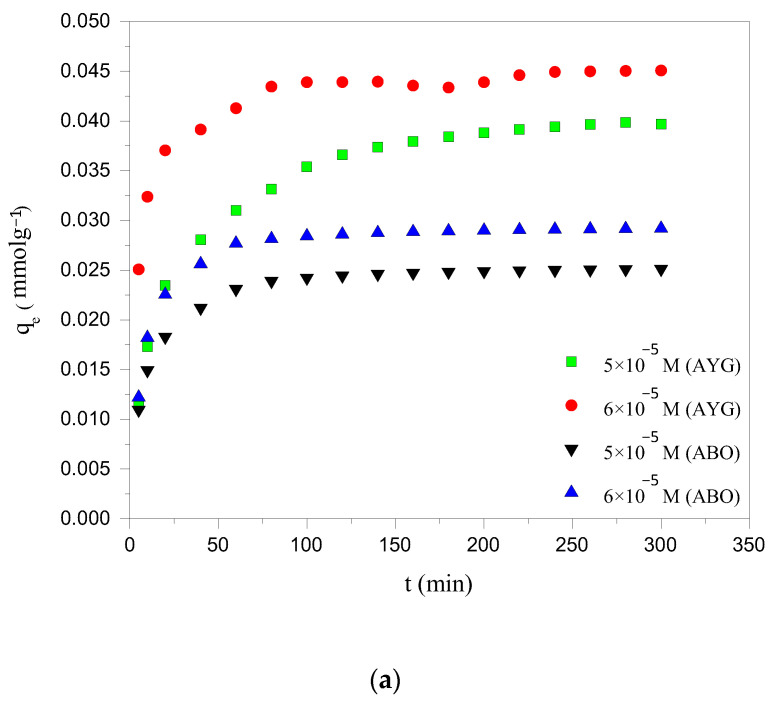 Figure 1
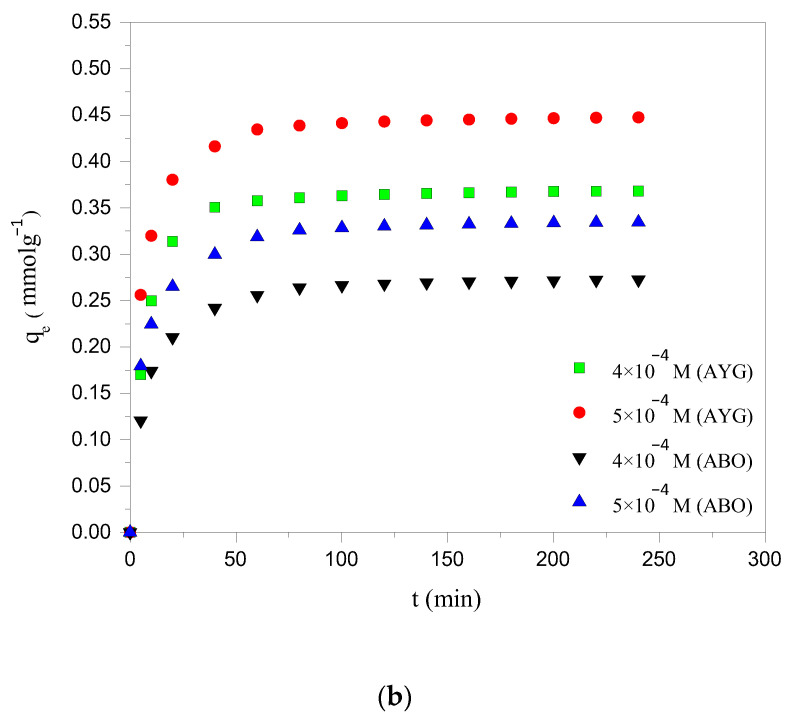 Figure 2
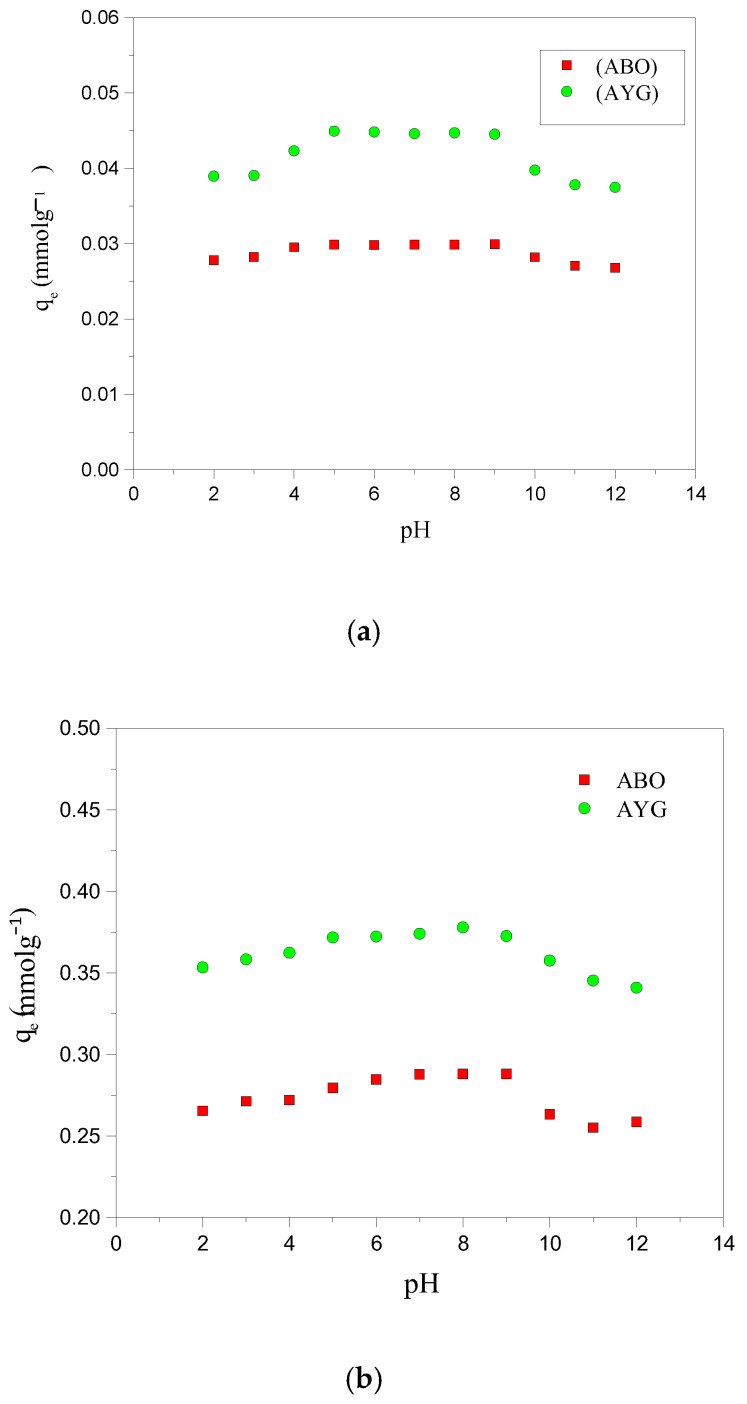 Figure 3
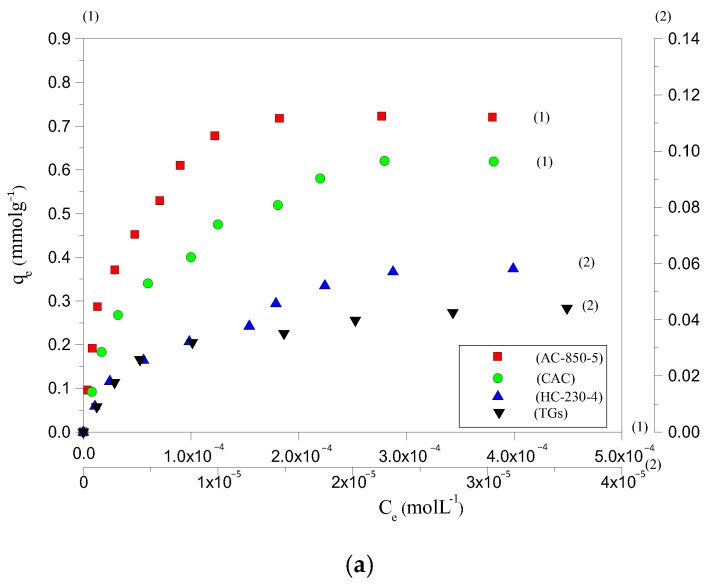 Figure 4
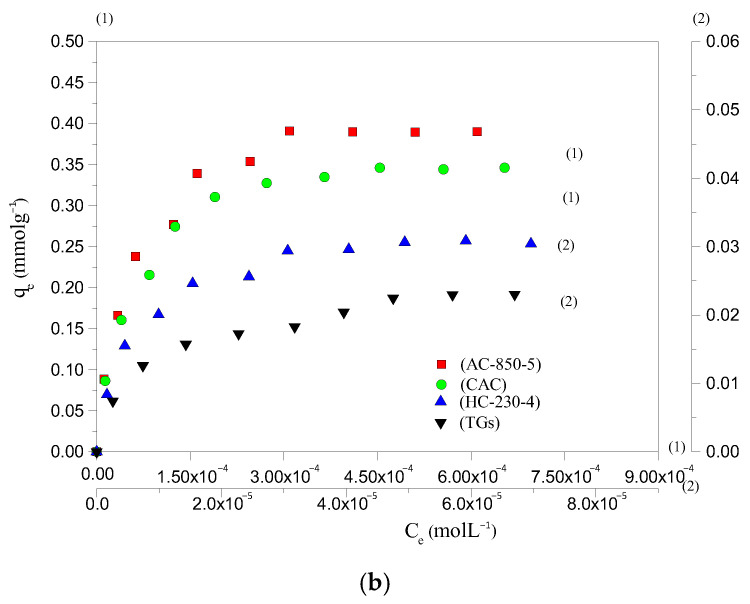 Figure 5
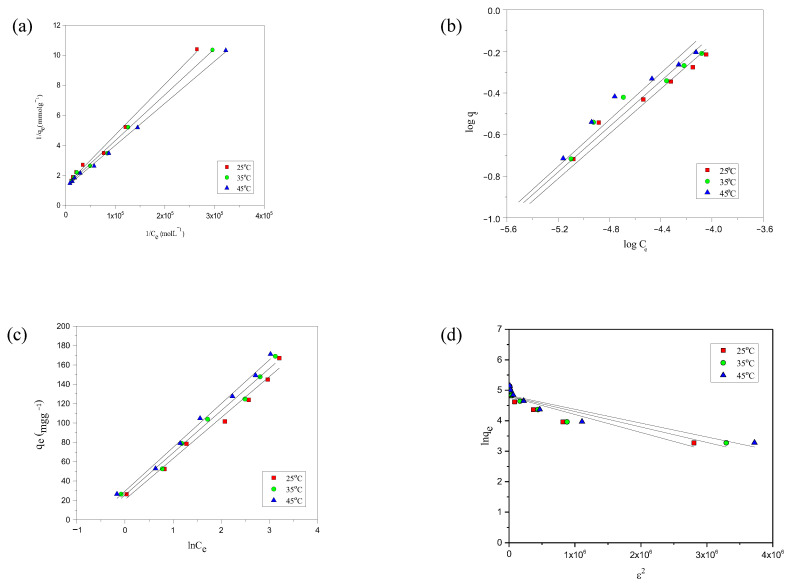 Figure 6
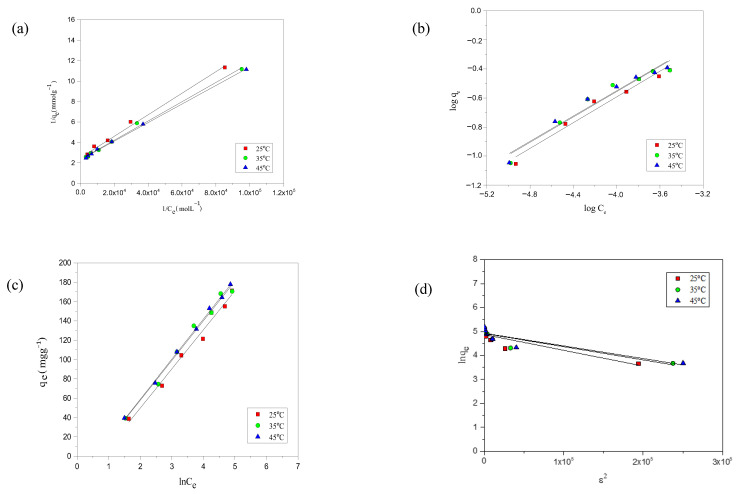 Figure 7
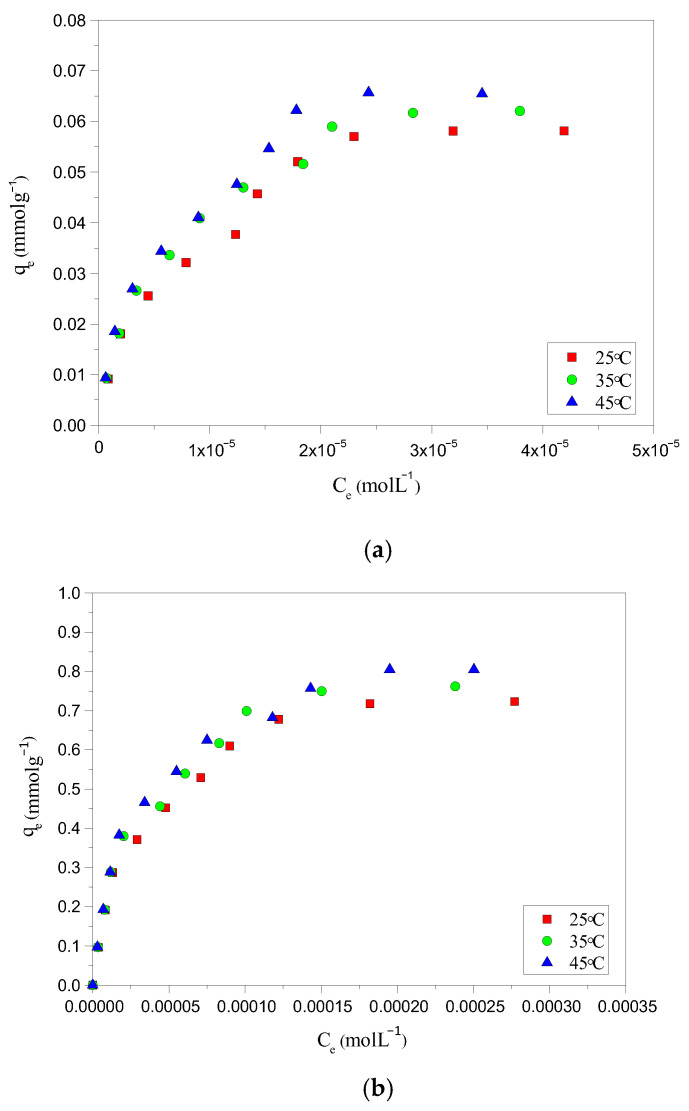 Figure 8
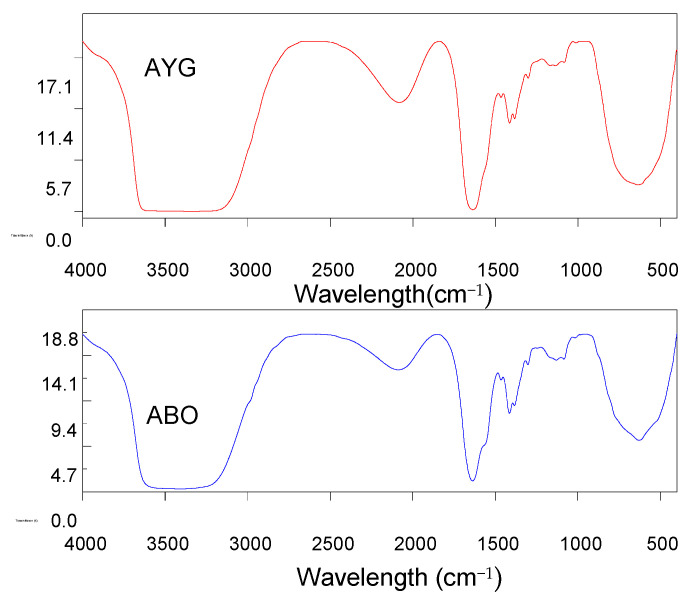 Figure 9
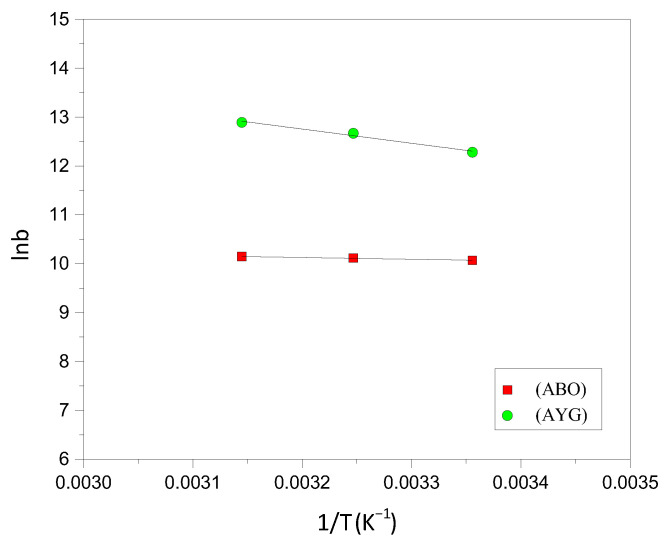 Figure 10
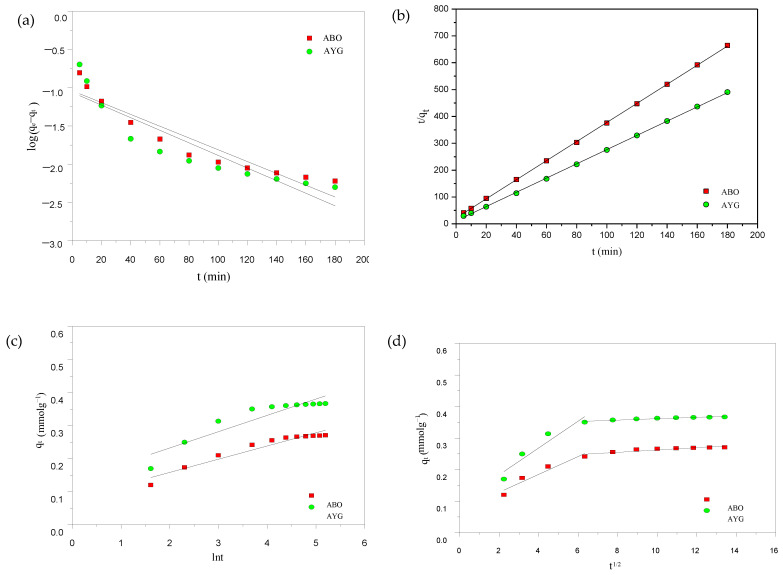 Figure 11
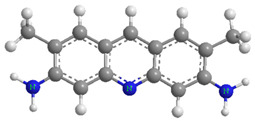 Figure 12
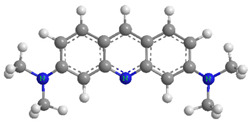 Figure 13
Peer Reviews
No public reviews on file for this paper yet. If you reviewed it on a platform where reviews are public (OpenReview, ICLR, NeurIPS, ICML), you can paste yours below so the community can read it here.
Videos
No videos yet. Explain this paper in a talk, walkthrough, or lecture? Add one.
Taxonomy
TopicsAdsorption and biosorption for pollutant removal · Carbon and Quantum Dots Applications · Mesoporous Materials and Catalysis