Infiltration-Assisted Mechanical Strengthening of 3D-Printed Polypropylene Lattice and Thin-Walled Tube Structures
Hakkı Özer

TL;DR
This paper introduces a method using epoxy infiltration to strengthen 3D-printed polypropylene structures by reducing defects and improving energy absorption.
Contribution
The novelty lies in using viscosity-controlled epoxy infiltration with ultrasonic assistance to enhance mechanical properties of 3D-printed polypropylene structures.
Findings
Medium-viscosity epoxy infiltration achieved the highest specific energy absorption (0.84 J/g) and energy absorption (252 J).
Epoxy infiltration reduced micro-voids and surface irregularities in 3D-printed polypropylene structures.
Structural improvements were confirmed through SEM observations and statistical correlation analyses.
Abstract
This study presents a viscosity-controlled epoxy infiltration strategy to mitigate common production defects, such as interlayer bond weaknesses, step gaps, and surface roughness, in 3D-printed polypropylene lattice and tube structures. To address these issues, epoxy resin infiltration was applied at four distinct viscosity levels. The infiltration process, facilitated by ultrasonic assistance, improved epoxy penetration into the internal structure. The results indicate that this method effectively reduced micro-voids and surface irregularities. Variations in epoxy viscosity significantly influenced the final internal porosity and the thickness of the epoxy film formed on the surface. These structural changes directly affected the energy absorption (EA) and specific energy absorption (SEA) of the specimens. While performance was enhanced across all viscosity levels, the medium-viscosity…
Genes, proteins, chemicals, diseases, species, mutations and cell lines named across the full text — each resolved to its canonical identifier and authoritative record.
Click any figure to enlarge with its caption.
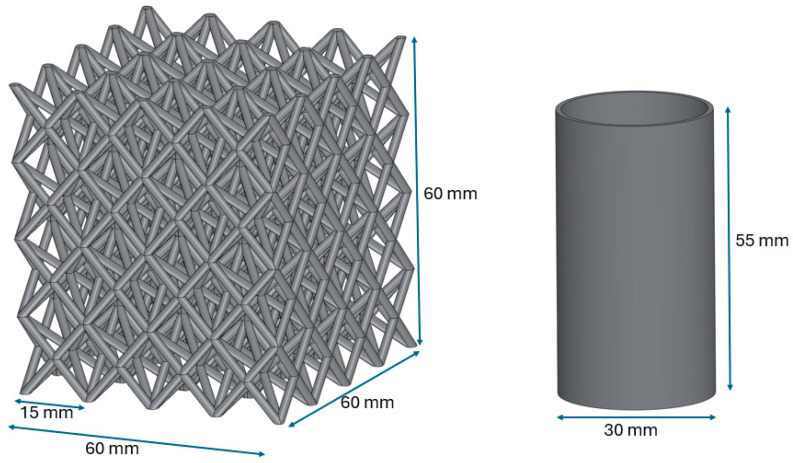 Figure 1
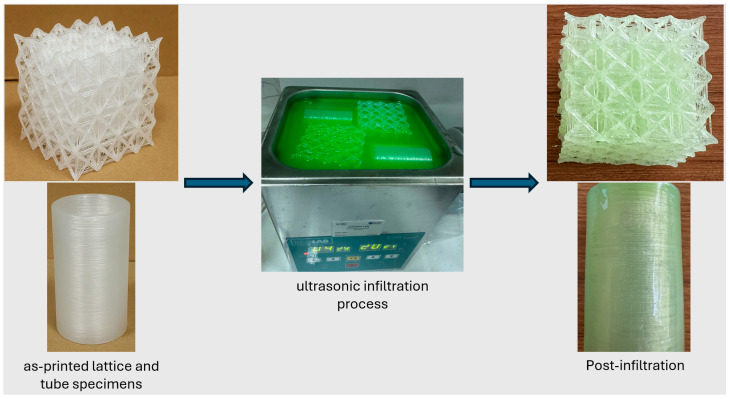 Figure 2
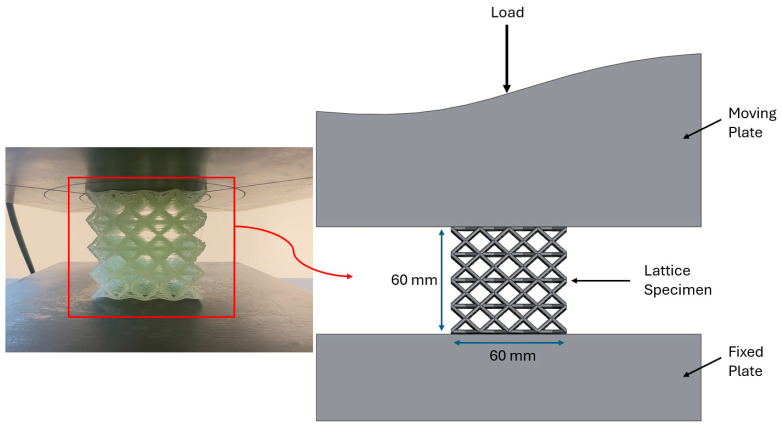 Figure 3
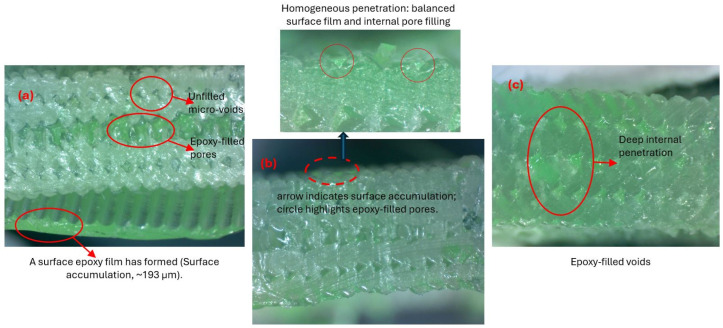 Figure 4
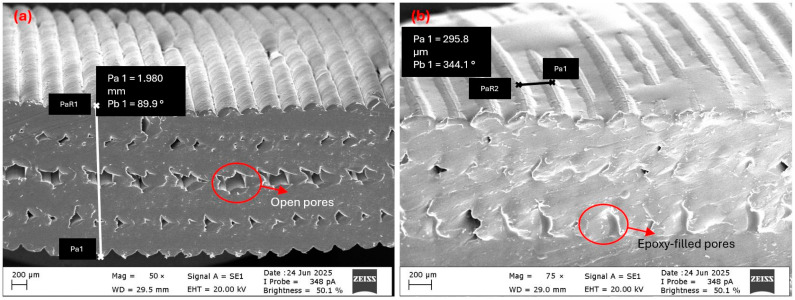 Figure 5
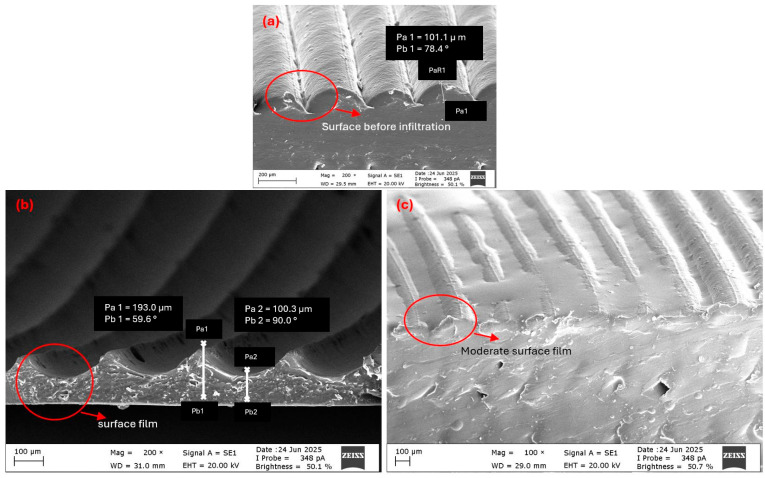 Figure 6
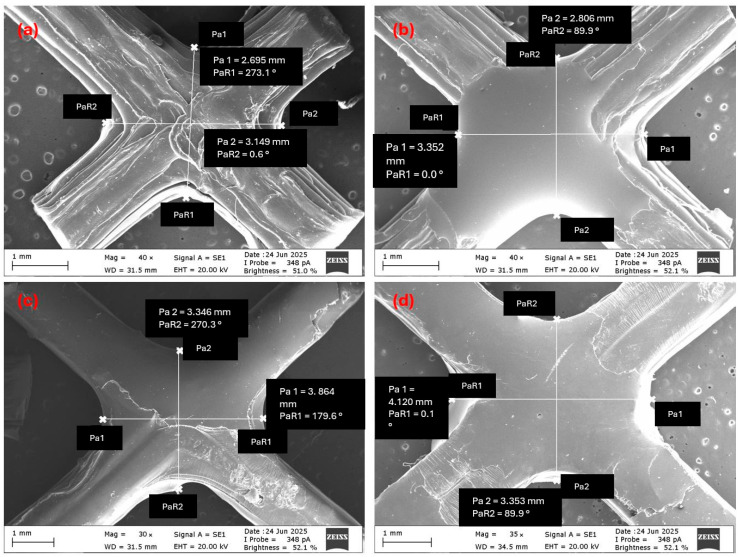 Figure 7
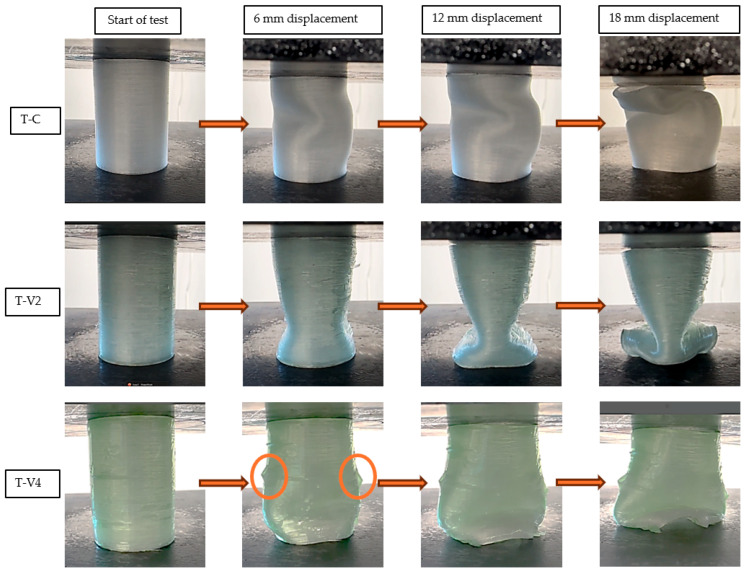 Figure 8
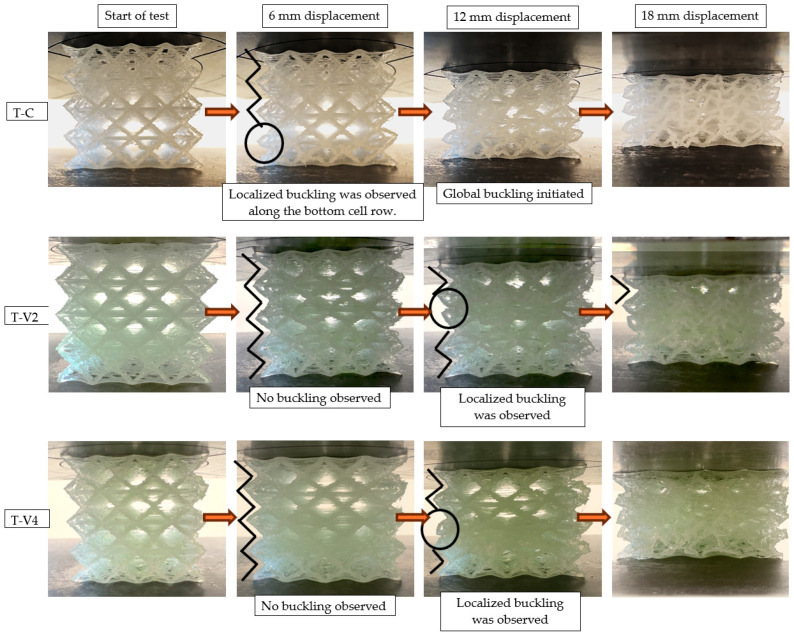 Figure 9
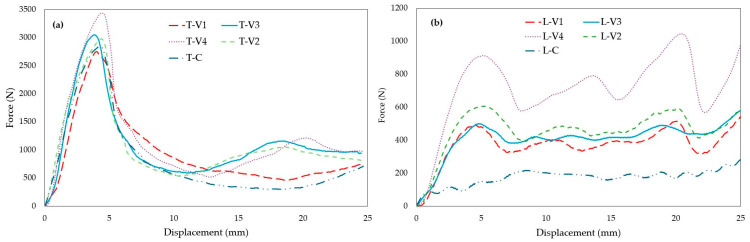 Figure 10
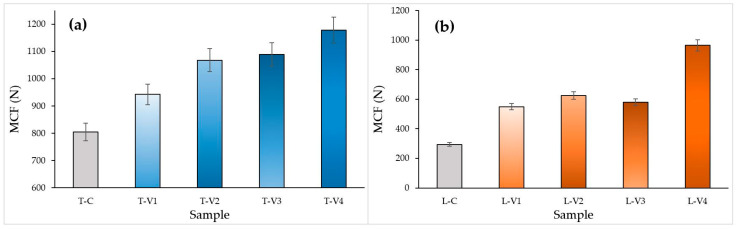 Figure 11
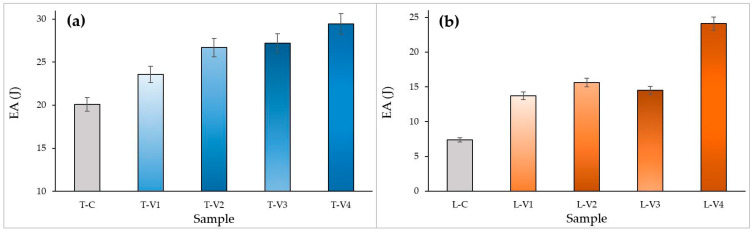 Figure 12
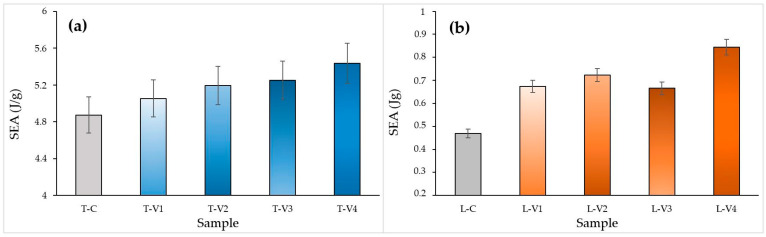 Figure 13
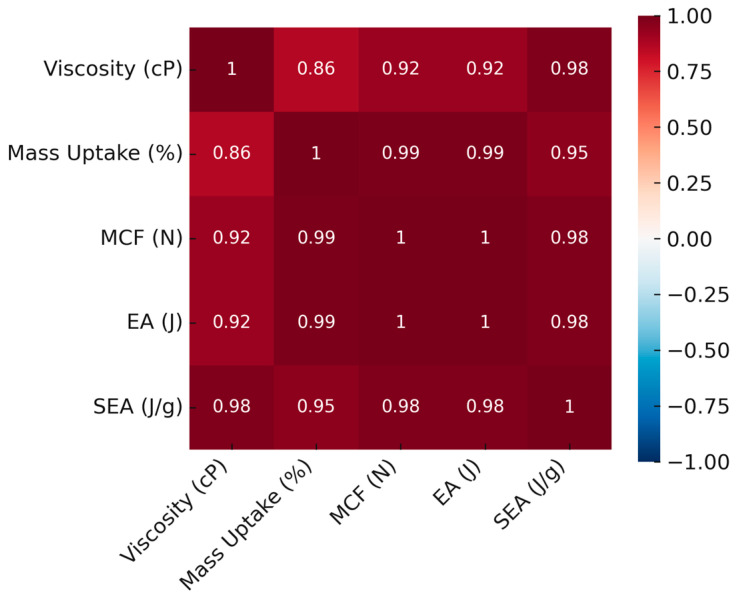 Figure 14
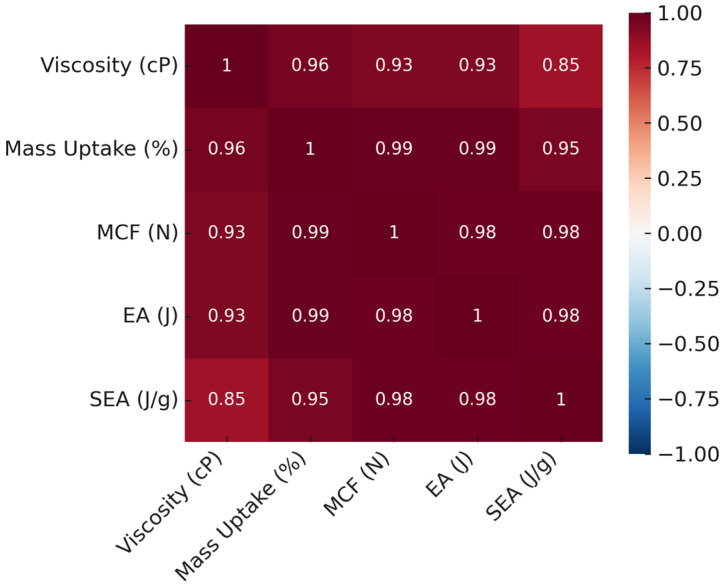 Figure 15
Peer Reviews
No public reviews on file for this paper yet. If you reviewed it on a platform where reviews are public (OpenReview, ICLR, NeurIPS, ICML), you can paste yours below so the community can read it here.
Videos
No videos yet. Explain this paper in a talk, walkthrough, or lecture? Add one.
Taxonomy
TopicsAdditive Manufacturing and 3D Printing Technologies · Innovations in Concrete and Construction Materials · Cellular and Composite Structures