Magnetic Cationic Liposomes-Based Delivery System Reduces Drug-Induced Cytotoxicity in an In Vitro Model of Hearing Loss
Loredana Iftode, Camelia Mihaela Zara Danceanu, Anca Niculina Cadinoiu, Delia Mihaela Raţă, Marcel Popa, Luminița Labusca, Luminita Radulescu

TL;DR
This study shows that magnetic cationic liposomes can reduce hearing loss caused by harmful drugs in a lab model.
Contribution
The novel contribution is the development of magnetic cationic liposomes for targeted corticosteroid delivery to protect against ototoxicity.
Findings
Magnetic liposomes preserved mitochondrial function in drug-exposed cells.
Liposomal treatment significantly reduced cellular senescence caused by ototoxic drugs.
The system shows potential as a therapeutic platform for preventing drug-induced hearing loss.
Abstract
Hearing loss is a major health burden, often caused by ototoxic drugs such as cisplatin and gentamicin. Effective therapy is limited by the poor penetrability of drugs into inner ear compartments. This study aimed to develop and test magnetic cationic liposomes as nanocarriers for targeted corticosteroid delivery to auditory hair cells. Carboxymethyl chitosan–coated liposomes were prepared by the lipid film hydration method, incorporating magnetic nanoparticles and dexamethasone phosphate in their aqueous core. The optimal liposomal formulation, in terms of size, zeta potential, and drug leakage over time, was selected and tested in an in vitro model of drug-induced ototoxicity. HEI-OC1 cells exposed to cisplatin or gentamicin were co-treated with the liposomal formulations, and viability, mitochondrial membrane potential, and β-galactosidase activity were assessed. The results…
Genes, proteins, chemicals, diseases, species, mutations and cell lines named across the full text — each resolved to its canonical identifier and authoritative record.
Click any figure to enlarge with its caption.
 Figure 1
 Figure 2
 Figure 3
 Figure 4
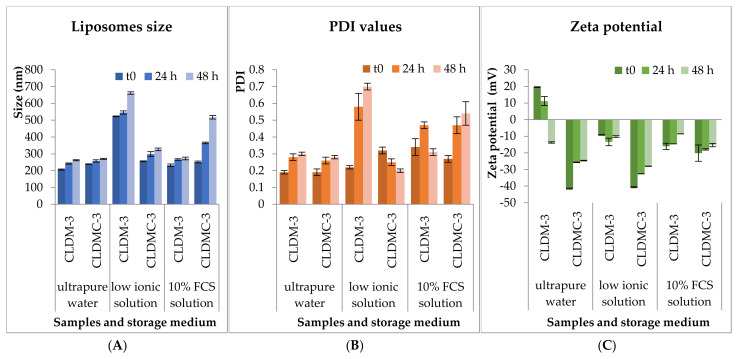 Figure 5
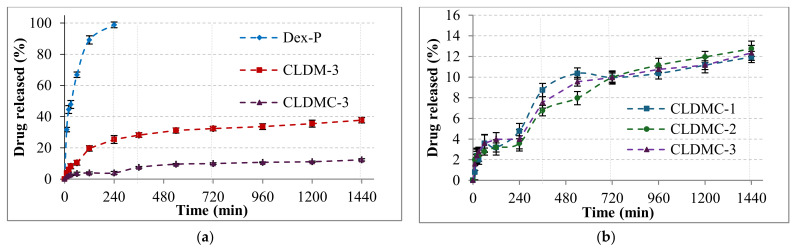 Figure 6
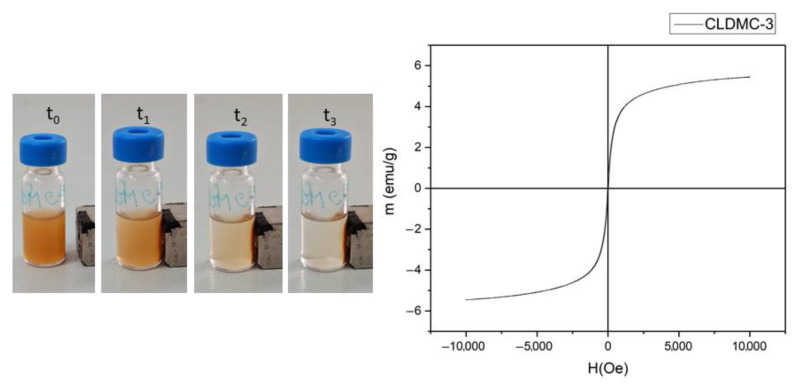 Figure 7
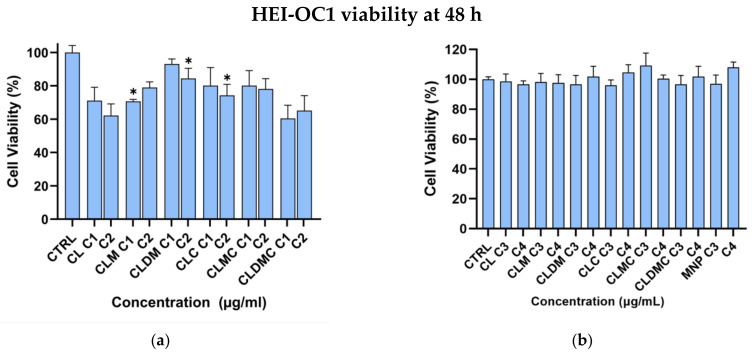 Figure 8
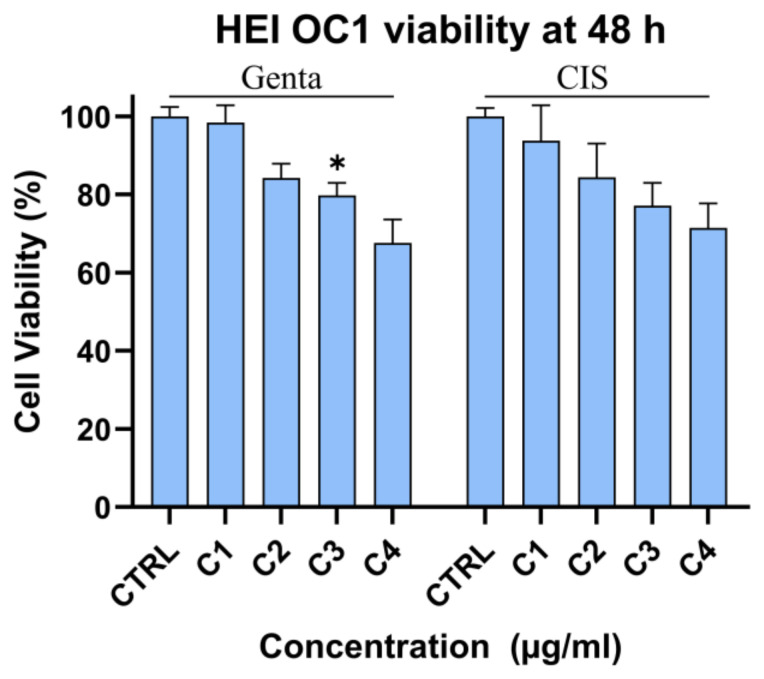 Figure 9
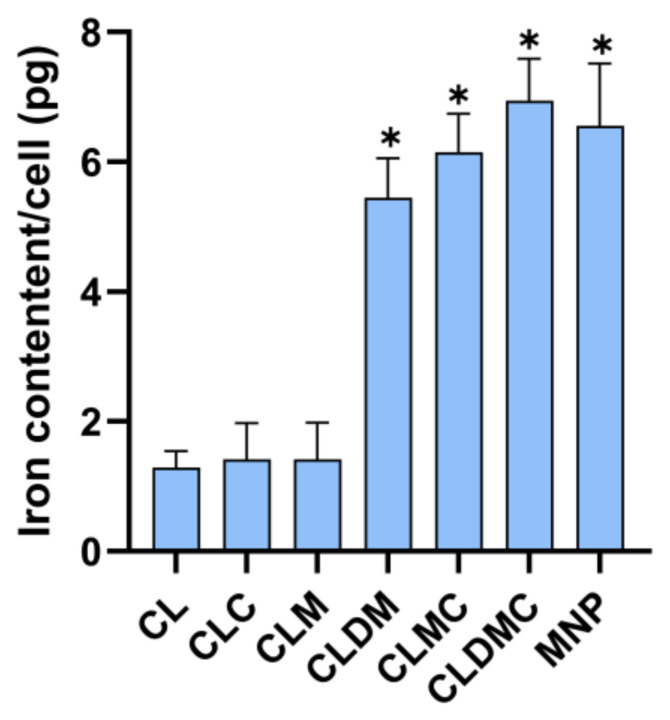 Figure 10
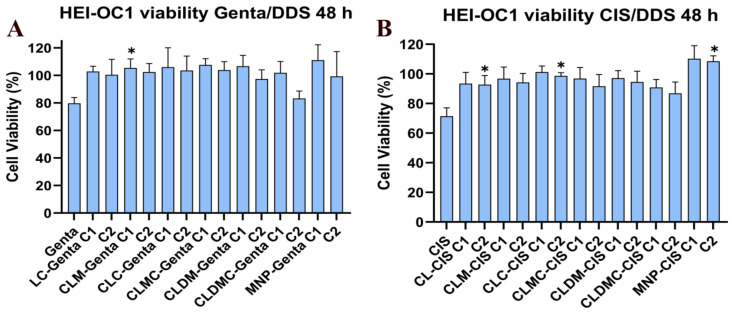 Figure 11
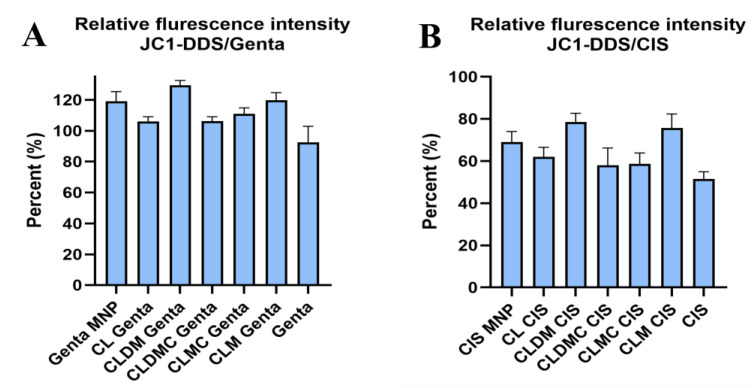 Figure 12
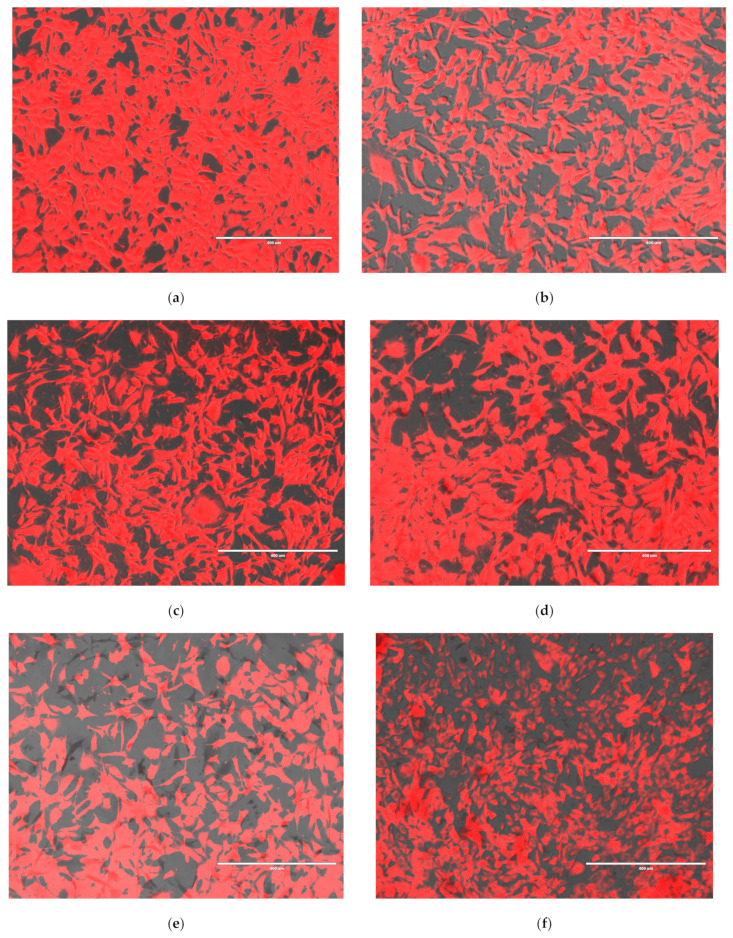 Figure 13
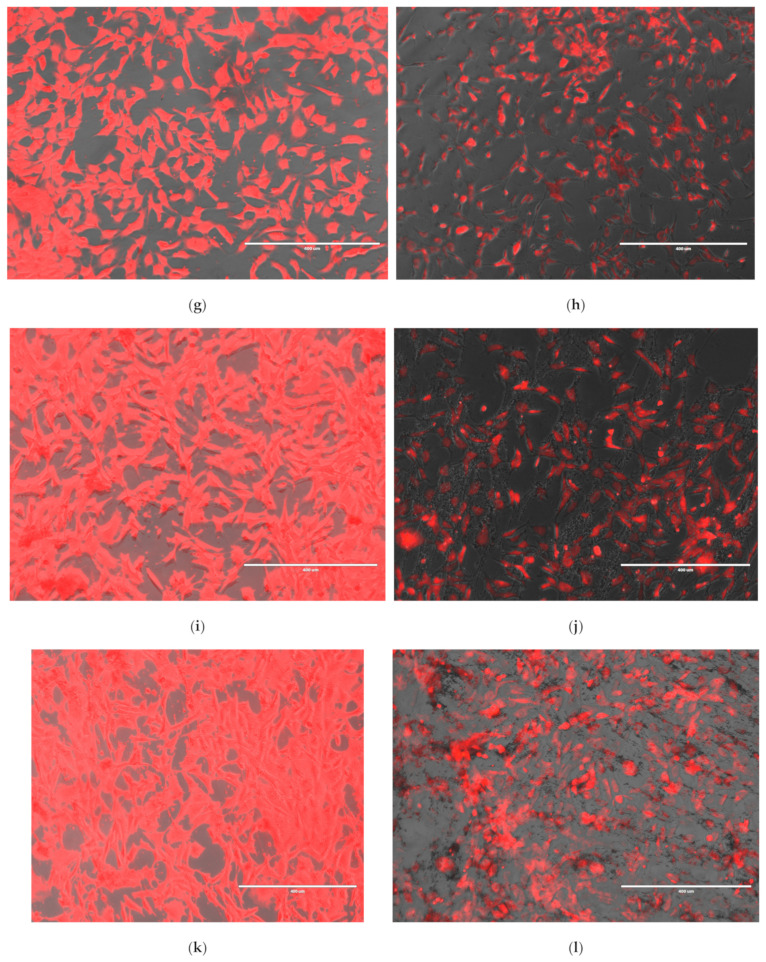 Figure 14
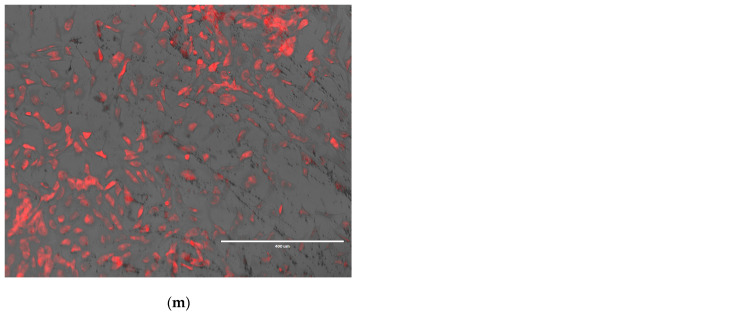 Figure 15
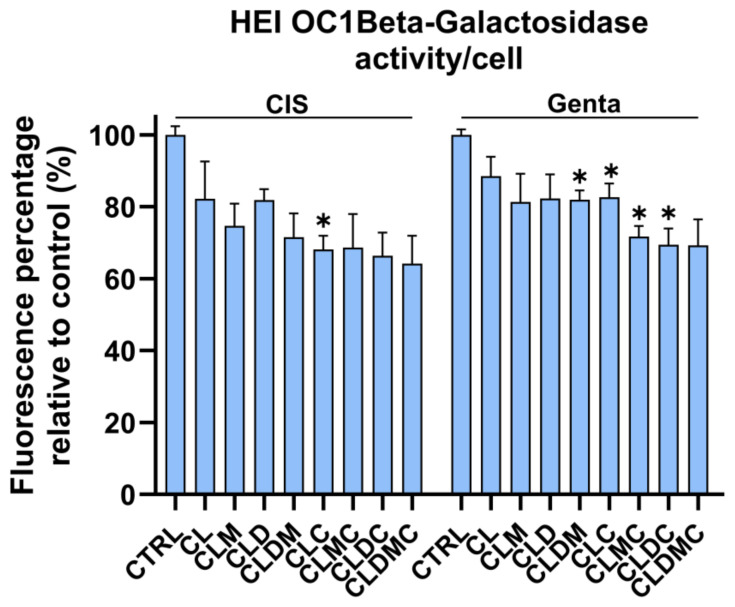 Figure 16
Peer Reviews
No public reviews on file for this paper yet. If you reviewed it on a platform where reviews are public (OpenReview, ICLR, NeurIPS, ICML), you can paste yours below so the community can read it here.
Videos
No videos yet. Explain this paper in a talk, walkthrough, or lecture? Add one.
Taxonomy
TopicsHearing, Cochlea, Tinnitus, Genetics · Polydiacetylene-based materials and applications · Acoustic Wave Resonator Technologies