Synergistic Effects of Temperature and Cooling Rate on Lamellar Microstructure Evolution and Mechanical Performance in Ti-44.9Al-4.1Nb-1.0Mo-0.1B-0.05Y-0.05Si Alloy
Fengliang Tan, Yantao Li, Jinbiao Cui, Ning Liu, Kashif Naseem, Zhichao Zhu, Shiwei Tian

TL;DR
This paper explores how temperature and cooling rate affect the microstructure and strength of a titanium aluminide alloy used in aero-engines.
Contribution
The study reveals how DDRX and cooling rate influence lamellar colony formation and mechanical performance in TiAl alloys.
Findings
Higher heat treatment temperatures increase lamellar colony volume but do not affect interlamellar spacing.
Faster cooling increases nucleation sites and refines interlamellar spacing by altering grain boundary morphology.
Fine lamellar colonies and interlocking boundaries improve tensile strength and plasticity.
Abstract
TiAl alloys are ideal candidates to replace nickel-based superalloys in aero-engines due to their low density and high specific strength, yet their industrial application is hindered by narrow heat treatment windows and unbalanced mechanical performance. To address this, this study investigates the microstructure and mechanical properties of Ti-44.9Al-4.1Nb-1.0Mo-0.1B-0.05Y-0.05Si (TNM-derived) alloys hot-rolled in the (α2 + γ) two-phase region. The research employs varying heat treatment temperatures (1150–1280 °C) and cooling rates (0.1–2.5 °C/s), combined with XRD, SEM, EBSD characterization, and 800 °C high-temperature tensile tests. Key findings: Discontinuous dynamic recrystallization (DDRX) of γ grains is the primary mechanism refining lamellar colonies during deformation. Higher heat treatment temperatures reduce γ/β phases (which constrain colony growth), increasing the volume…
Genes, proteins, chemicals, diseases, species, mutations and cell lines named across the full text — each resolved to its canonical identifier and authoritative record.
Click any figure to enlarge with its caption.
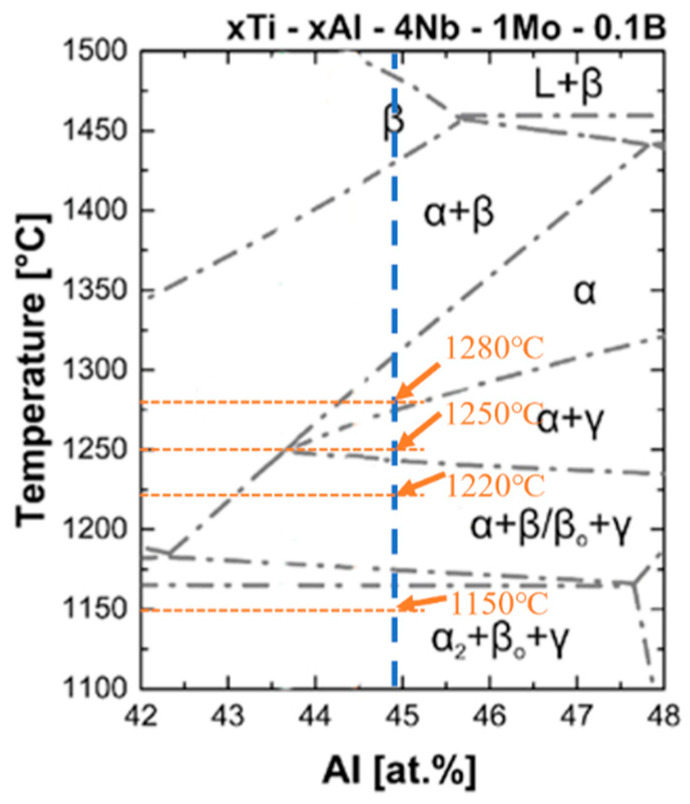 Figure 1
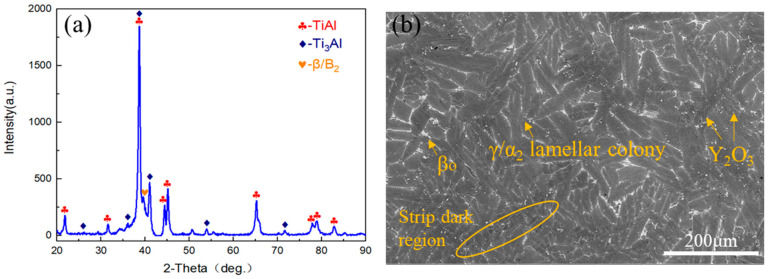 Figure 2
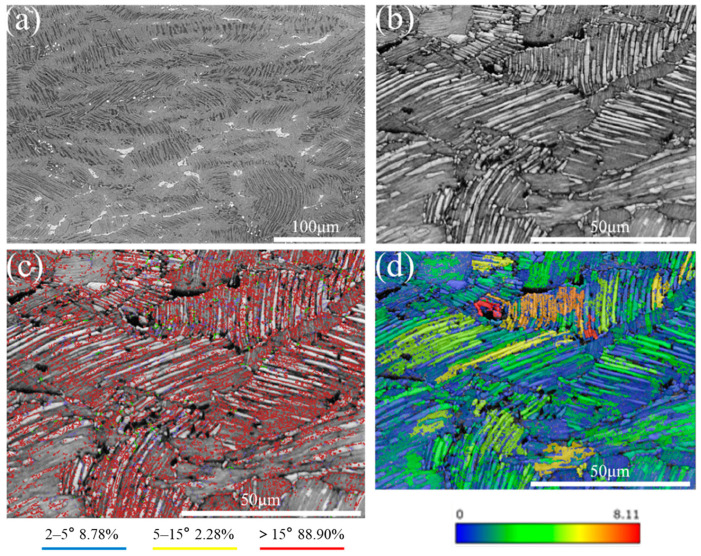 Figure 3
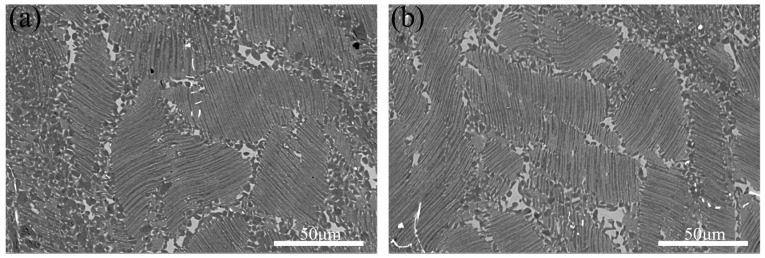 Figure 4
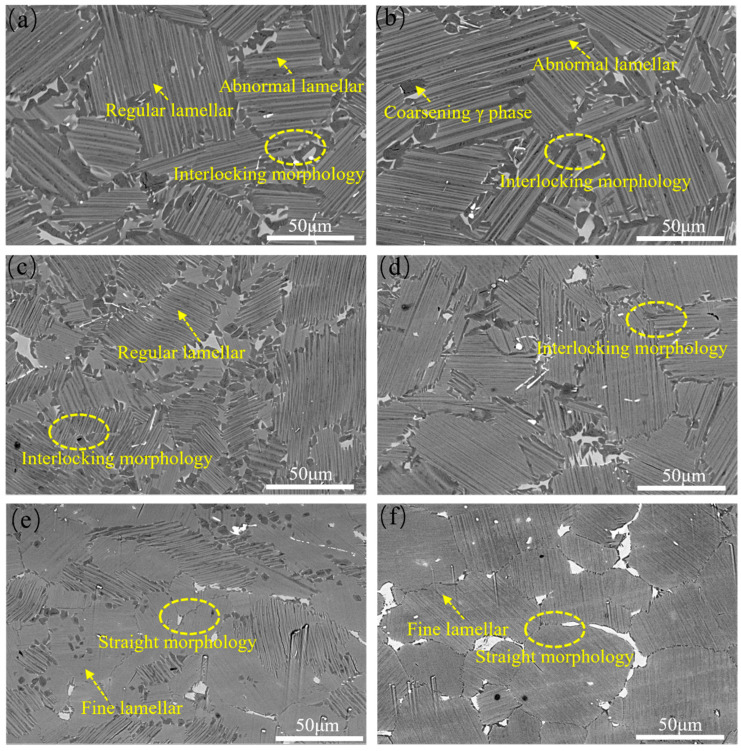 Figure 5
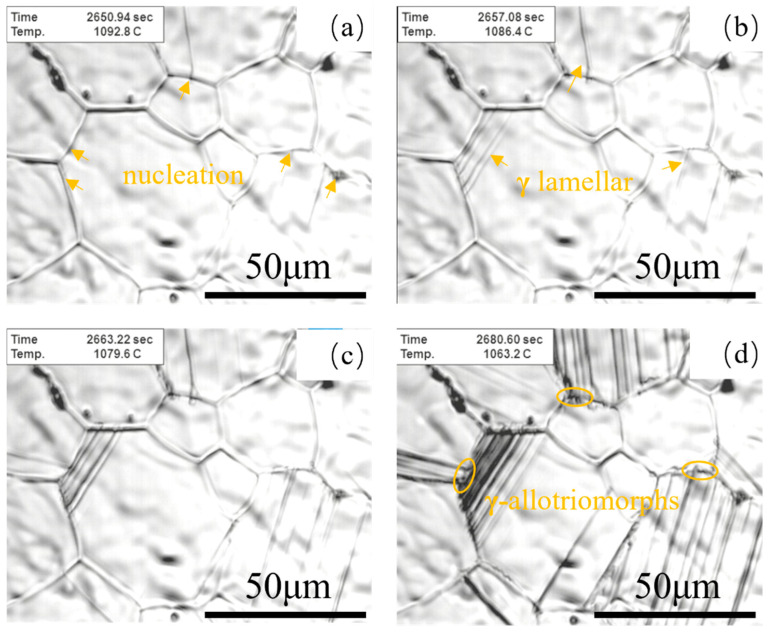 Figure 6
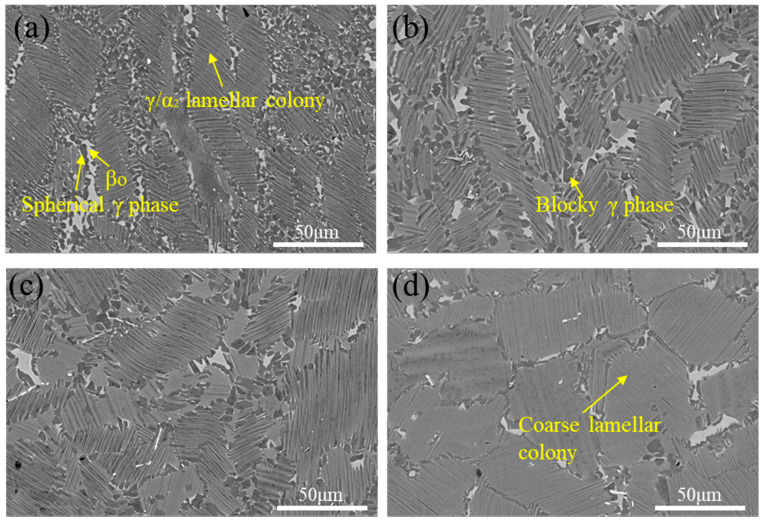 Figure 7
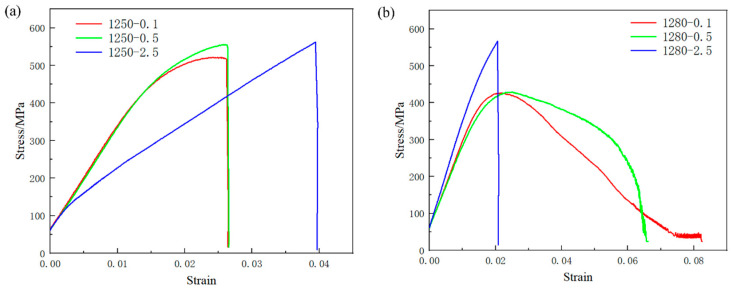 Figure 8
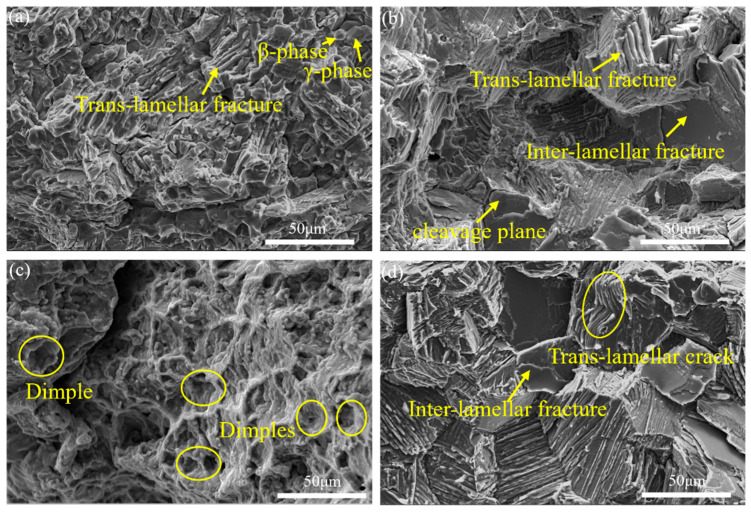 Figure 9
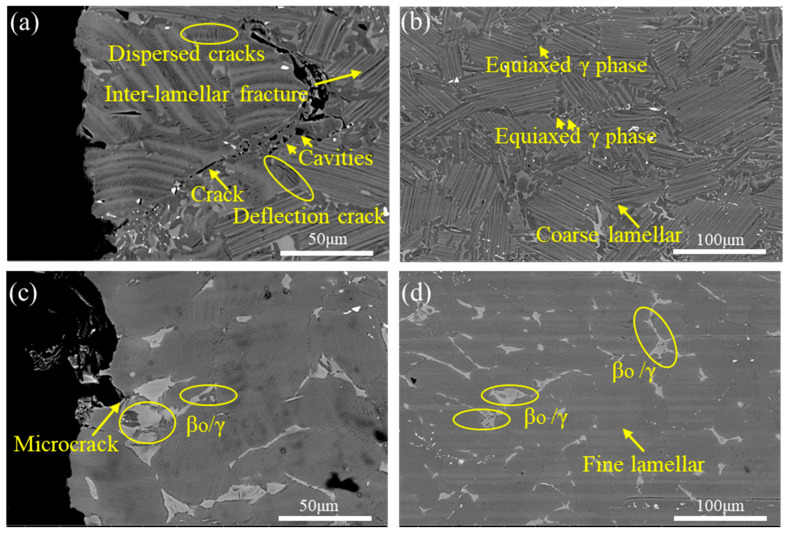 Figure 10
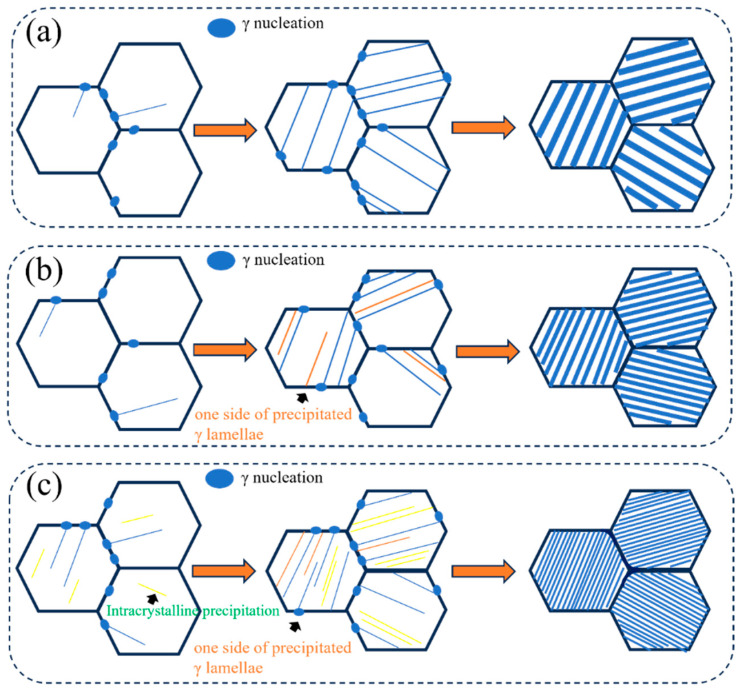 Figure 11
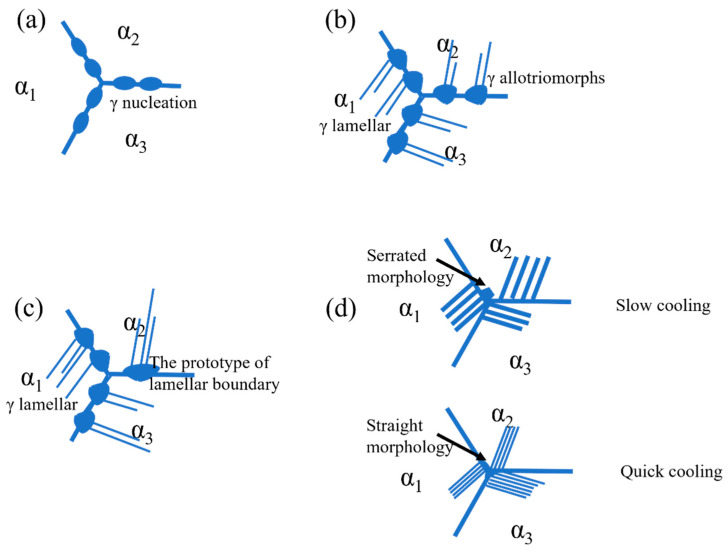 Figure 12
Peer Reviews
No public reviews on file for this paper yet. If you reviewed it on a platform where reviews are public (OpenReview, ICLR, NeurIPS, ICML), you can paste yours below so the community can read it here.
Videos
No videos yet. Explain this paper in a talk, walkthrough, or lecture? Add one.
Taxonomy
TopicsIntermetallics and Advanced Alloy Properties · Titanium Alloys Microstructure and Properties · MXene and MAX Phase Materials