Comparative Leaf Anatomy of Balkan Representatives of Gentiana L. Sect. Ciminalis (Adans.) Dum. (Gentianaceae): Implications for Species Delimitation
Žarko Mladenović, Nevena Kuzmanović, Dmitar Lakušić, Danilo Stojanović

TL;DR
This study uses leaf anatomy to distinguish closely related Gentiana species in the Balkans, showing that traits like mesophyll thickness and crystal-containing cells can help identify them.
Contribution
The study introduces leaf anatomical traits as a reliable method for delimiting species in Gentiana section Ciminalis.
Findings
Gentiana species can be distinguished by leaf mesophyll thickness and crystal-containing cells.
G. acaulis has the smallest mesophyll thickness (164.31 μm), while G. dinarica has the largest (365.85 μm).
Crystal-containing cells are most abundant in G. clusii and least in G. acaulis.
Abstract
The present study investigates the leaf anatomical traits of representatives of Gentiana section Ciminalis in the Balkan Peninsula, focusing on the ecologically and geographically vicariant species Gentiana acaulis, G. clusii, and G. dinarica. These species are distributed across a variety of mountainous habitats, including calcareous and siliceous rocky grounds, and exhibit pronounced morphological similarities that have led to misidentifications in the past. In order to address the challenges in species delimitation, a comparative analysis of leaf anatomical traits was performed on cross-sections of ten rosette leaves from each population. Statistical data analyses were conducted on 18 morphometric traits. A range of statistical techniques were used to assess variability and identify important discriminating traits, including descriptive statistics, principal component analysis, and…
Genes, proteins, chemicals, diseases, species, mutations and cell lines named across the full text — each resolved to its canonical identifier and authoritative record.
Click any figure to enlarge with its caption.
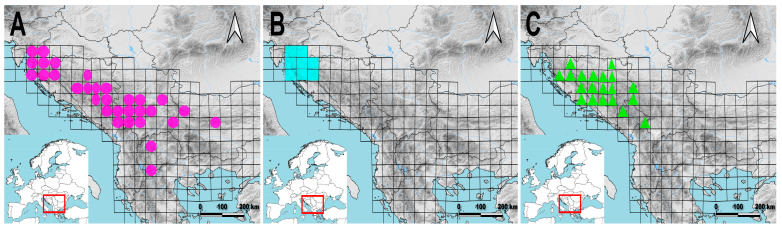 Figure 1
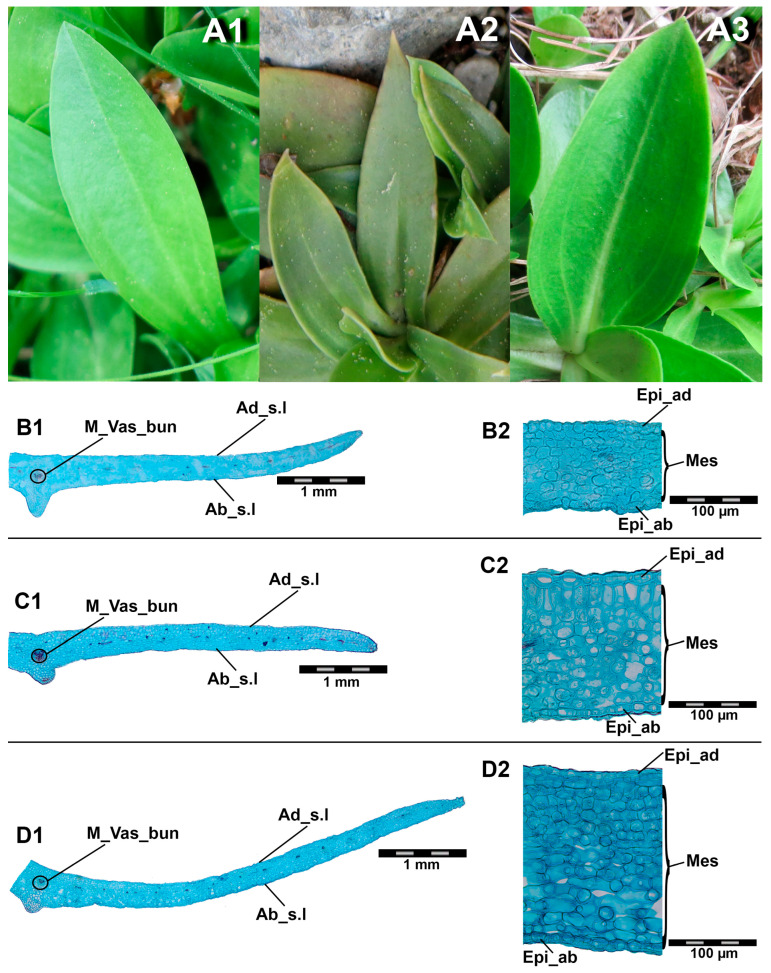 Figure 2
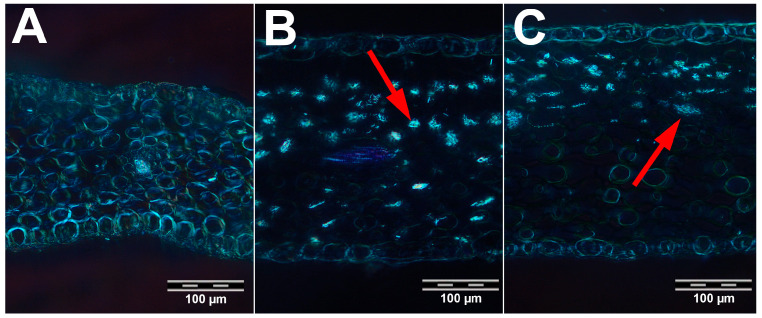 Figure 3
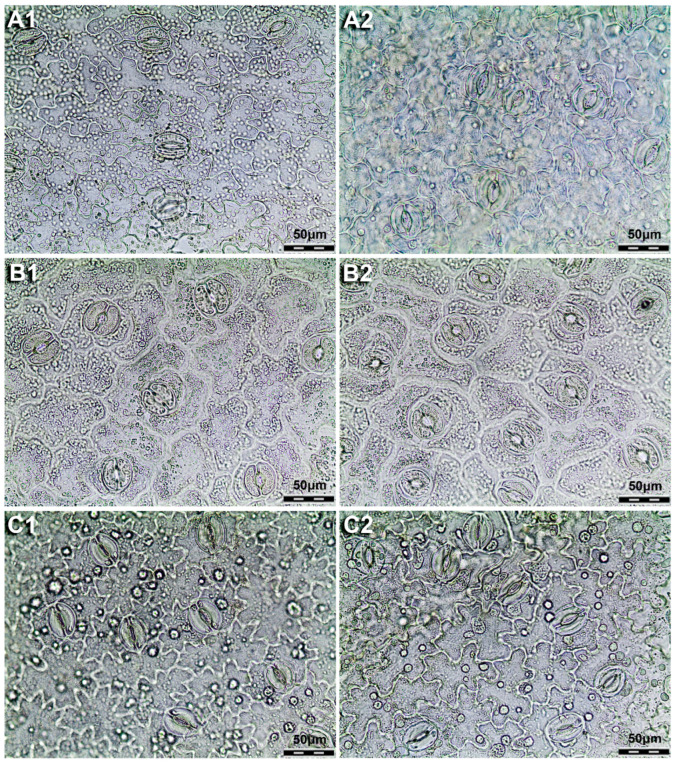 Figure 4
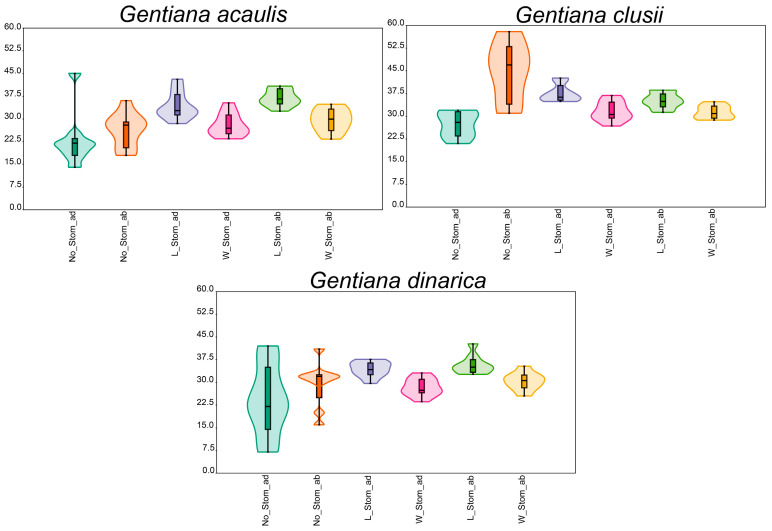 Figure 5
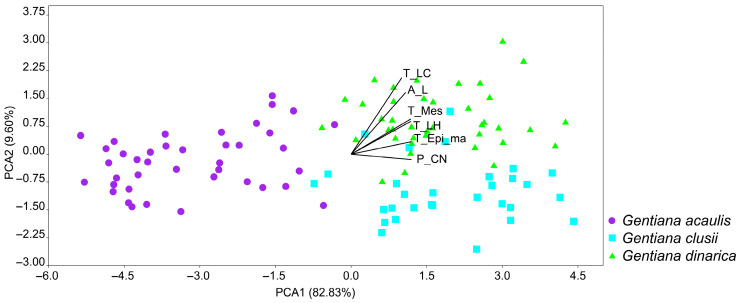 Figure 6
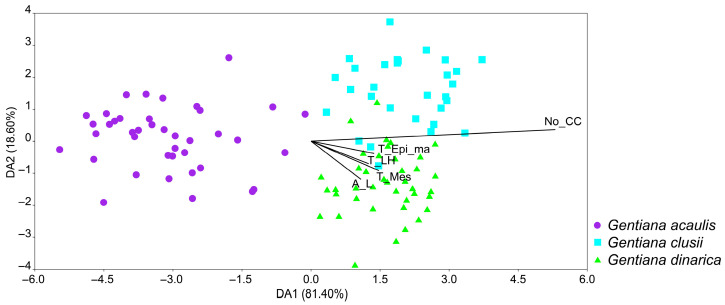 Figure 7
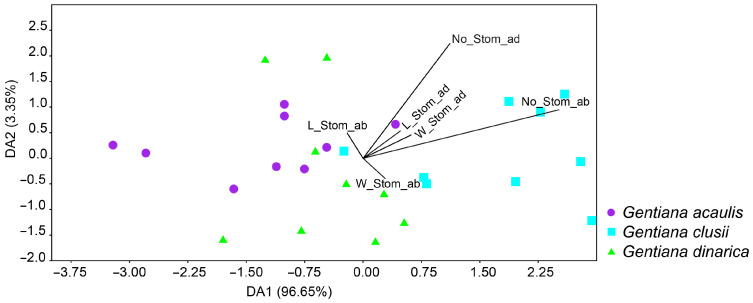 Figure 8
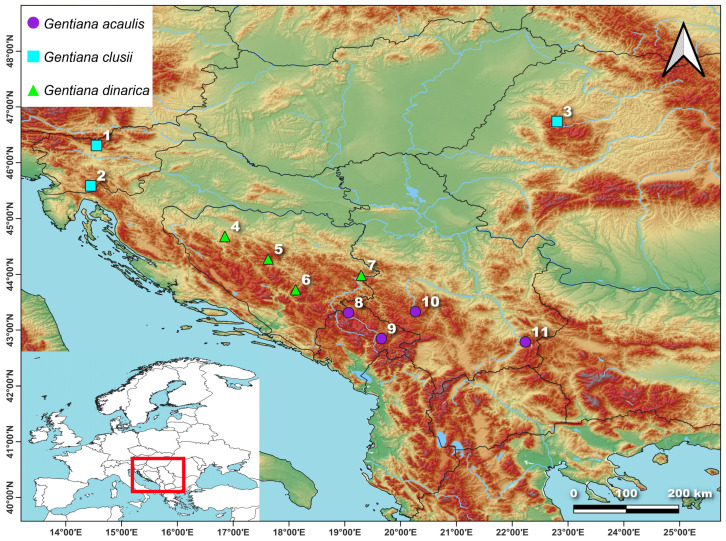 Figure 9
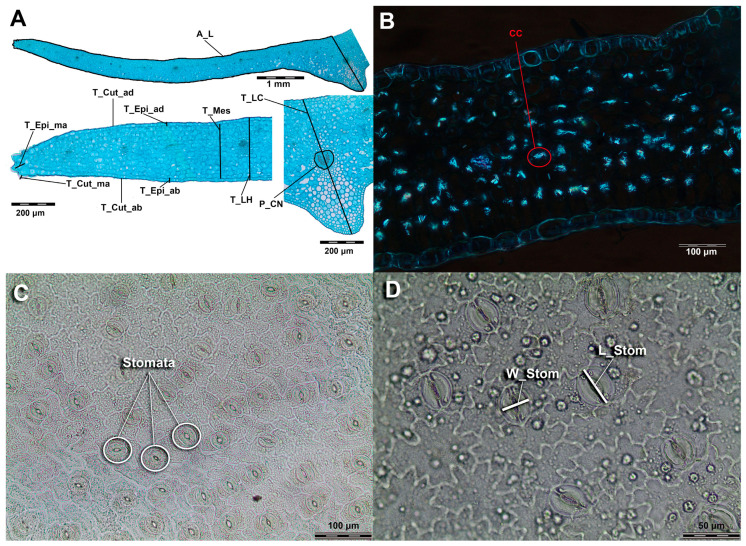 Figure 10
Peer Reviews
No public reviews on file for this paper yet. If you reviewed it on a platform where reviews are public (OpenReview, ICLR, NeurIPS, ICML), you can paste yours below so the community can read it here.
Videos
No videos yet. Explain this paper in a talk, walkthrough, or lecture? Add one.
Taxonomy
TopicsBotany and Plant Ecology Studies · Plant Diversity and Evolution · Mediterranean and Iberian flora and fauna