The Influence of PBF-LB/M Part Forming Angle and Support Structure Parameters on the Distortion of Oral Stent
Yang Liu, Deqiao Xie, Yihan Liu, Zongjun Tian, Shimao Shangguan, Jinbiao Liao, Zhizhong Hua

TL;DR
This study examines how forming angles and support structures affect distortion in metal 3D-printed oral stents, finding that specific angles and support parameters minimize deformation.
Contribution
The paper introduces a novel analysis of forming angles and support structure parameters in PBF-LB/M for minimizing oral stent distortion.
Findings
Minimum distortion of 0.667 mm occurs at a forming angle of 75°, while maximum distortion reaches 1.706 mm at 30°.
Larger support mesh size and spacing directly increase maximum distortion in printed oral stents.
Support structures reduce distortion by enhancing structural stiffness and facilitating force transmission.
Abstract
Powder Bed Fusion-Laser Beam/Metals (PBF-LB/M) enables the layer-by-layer fabrication of complex parts; however, non-uniform thermal transients during the process induce high stresses. Geometric constraints dominate stress–relaxation behavior, which is the primary mechanism leading to part distortion. Therefore, the printing structure serves as a major factor influencing the distortion of PBF-LB/M-fabricated components, of which the forming angle and support structure parameters are the two key factors affecting the printing structure. This study investigates the effects of forming angles and support parameters on the distortion behavior of oral stents manufactured via PBF-LB/M. The results indicate that the magnitude of distortion varies significantly with the forming angle, with the minimum distortion of 0.667 mm occurring at 75°, while the maximum distortion reaches 1.706 mm at 30°.…
Genes, proteins, chemicals, diseases, species, mutations and cell lines named across the full text — each resolved to its canonical identifier and authoritative record.
Click any figure to enlarge with its caption.
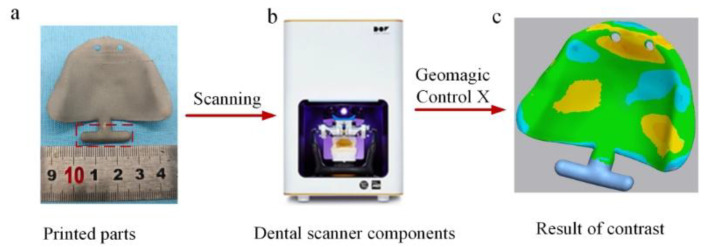 Figure 1
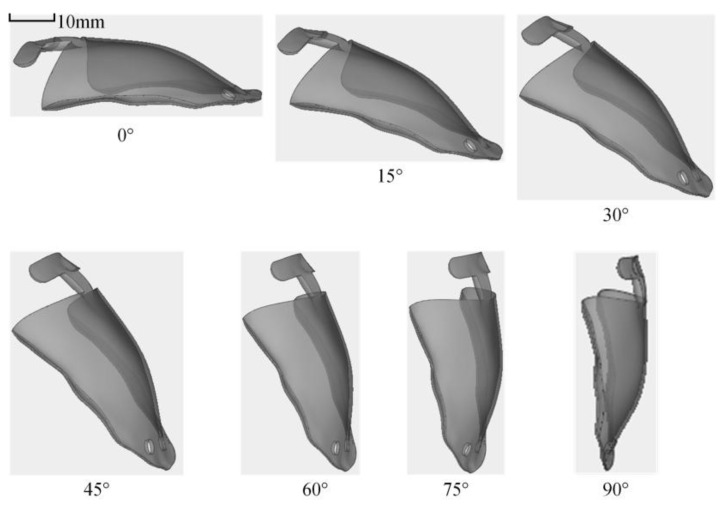 Figure 2
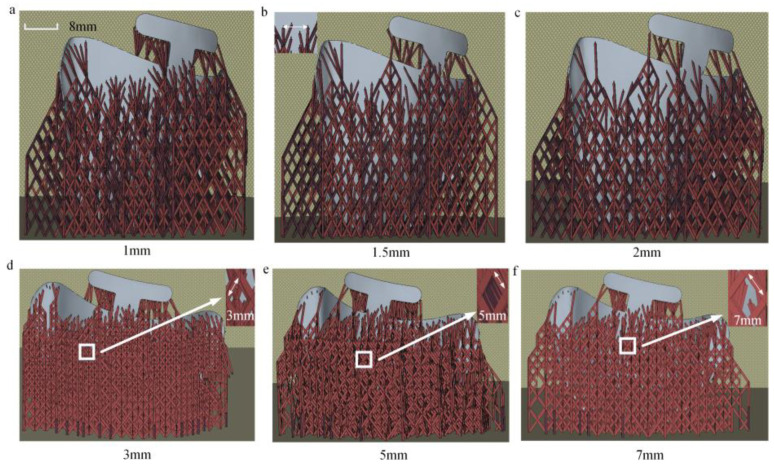 Figure 3
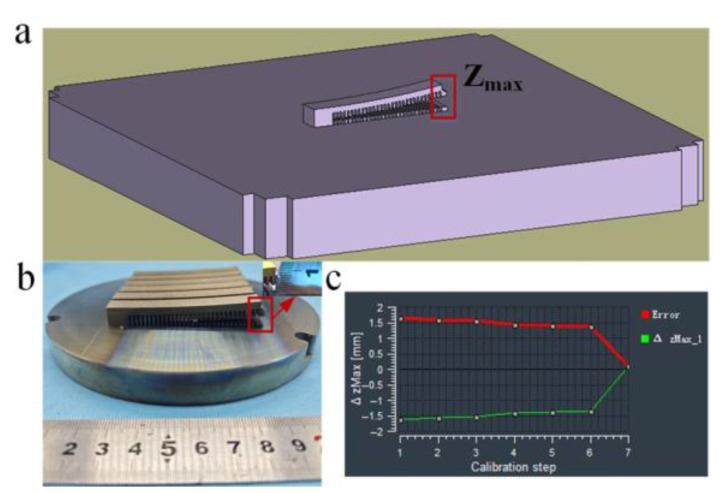 Figure 4
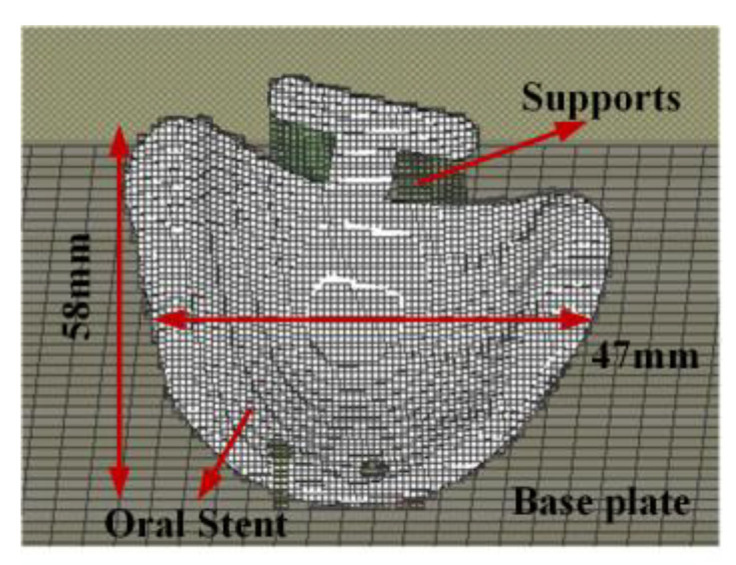 Figure 5
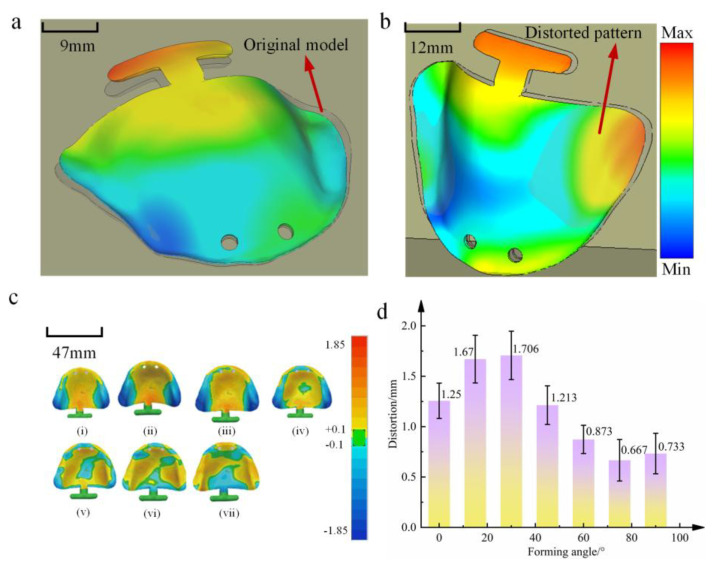 Figure 6
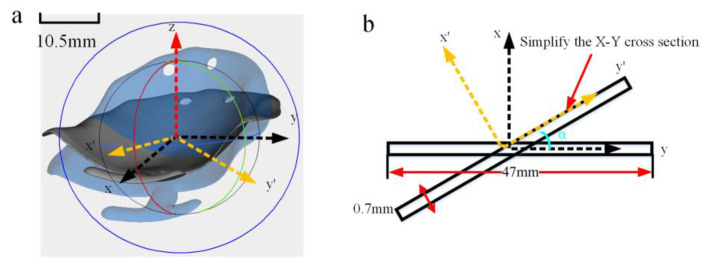 Figure 7
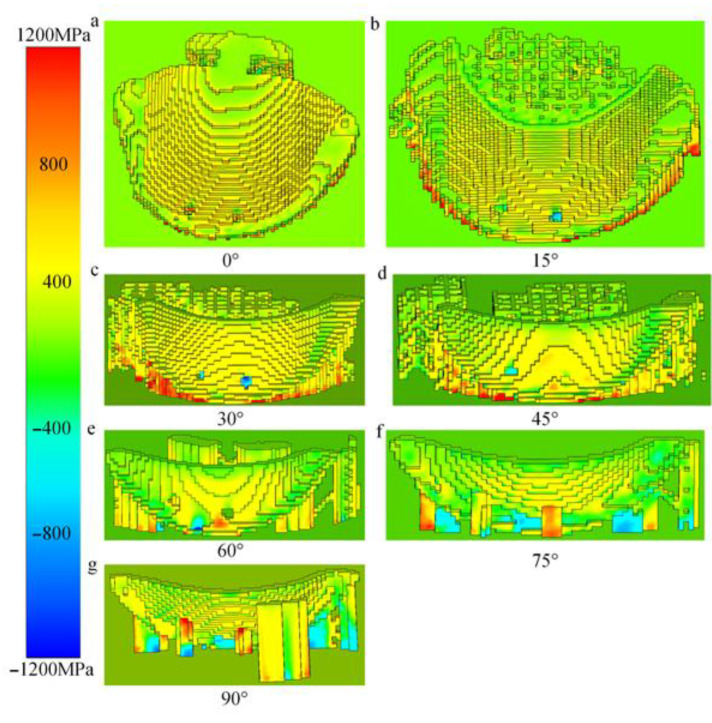 Figure 8
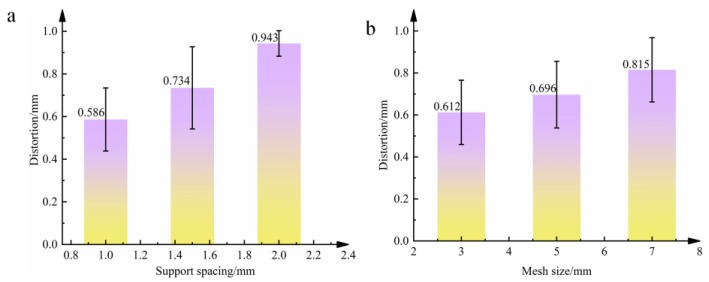 Figure 9
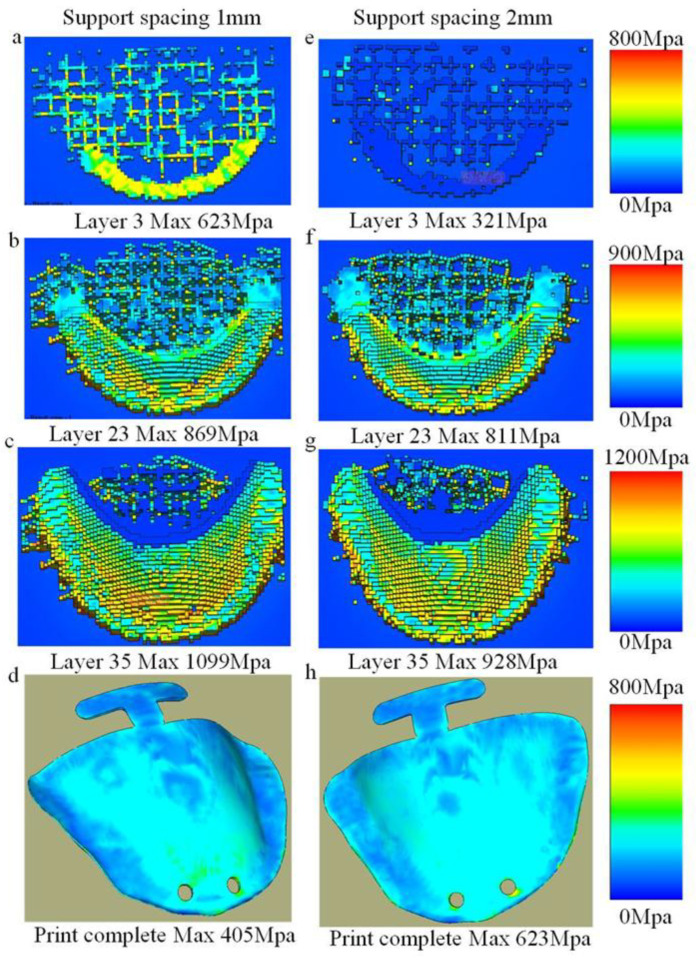 Figure 10
Peer Reviews
No public reviews on file for this paper yet. If you reviewed it on a platform where reviews are public (OpenReview, ICLR, NeurIPS, ICML), you can paste yours below so the community can read it here.
Videos
No videos yet. Explain this paper in a talk, walkthrough, or lecture? Add one.
Taxonomy
TopicsAdditive Manufacturing Materials and Processes · Laser Material Processing Techniques · Additive Manufacturing and 3D Printing Technologies