Mechanochemical Approach to a Monocationic Asymmetric Monomethine Cyanine Dye for Nucleic Acid Analysis and Visualization
Diana Cheshmedzhieva, Nadezhda Bozova, Sonia Ilieva, Christo Novakov, Aleksey Vasilev

TL;DR
A new cyanine dye was synthesized and shown to be more sensitive to RNA than a commercial dye.
Contribution
A novel monocationic asymmetric monomethine cyanine dye was synthesized using a mechanochemical approach and shown to have improved RNA sensitivity.
Findings
CHLoris was synthesized via a modified Knoevenagel-type condensation in an eco-friendly manner.
CHLoris forms aggregates in aqueous solutions and shows distinct photophysical behavior in the presence of nucleic acids.
CHLoris is more sensitive to RNA than the commercial dye Thiazole Orange.
Abstract
Using an environmentally friendly approach, we successfully synthesized an asymmetric monomethine cyanine dye, 7-chloro-1-ethyl-4-((3-ethylbenzo[d]thiazol-2(3H)-ylidene)methyl) quinolin-1-ium iodide, named CHLoris (CHL), via a modified Knoevenagel-type condensation. The reaction was carried out mechanochemically in an ethanol–water medium using 1-ethyl-2-methylbenzothiazolium iodide and 4,7-dichloro-1-ethylquinolin-1-ium iodide in the presence of sodium carbonate as a base and catalytic amounts of Hünig’s base. The UV/VIS absorption spectra of CHL in both the buffer solution and ethanol revealed the formation of aggregates in aqueous media. Density Functional Theory (DFT) and Time-Dependent DFT (TDDFT) calculations were employed to support the experimental findings further and provide insights into the self-association behavior of CHL in an aqueous solution. The photophysical properties…
Genes, proteins, chemicals, diseases, species, mutations and cell lines named across the full text — each resolved to its canonical identifier and authoritative record.
Click any figure to enlarge with its caption.
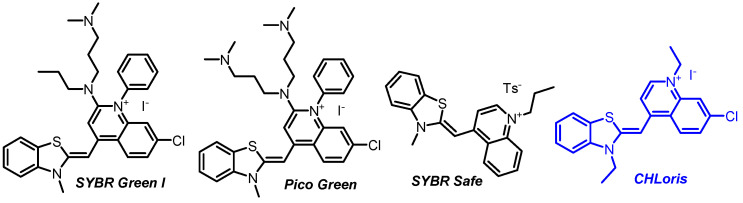 Figure 1
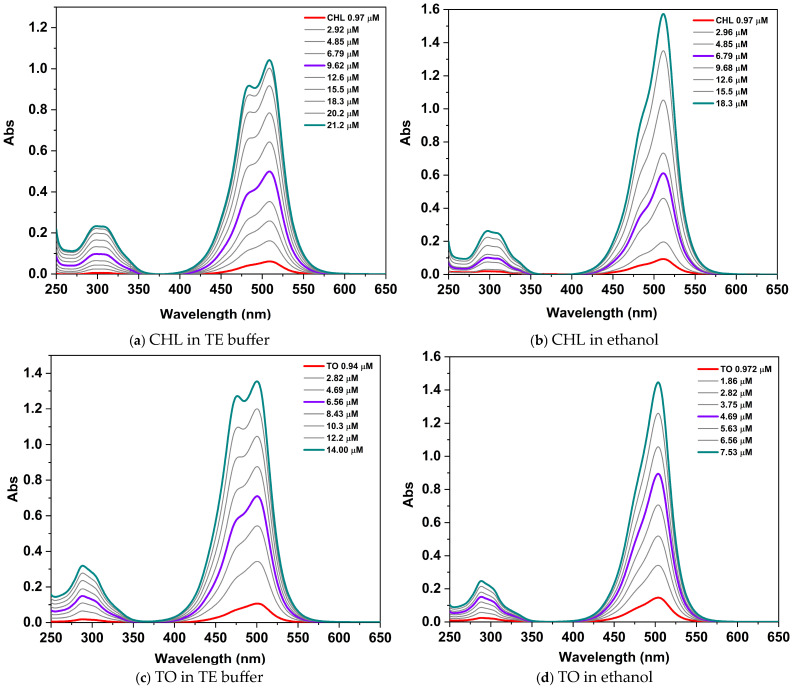 Figure 2
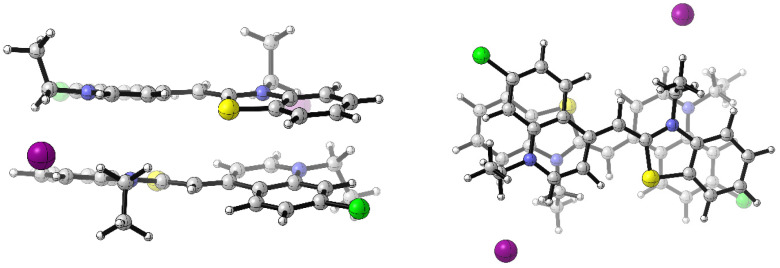 Figure 3
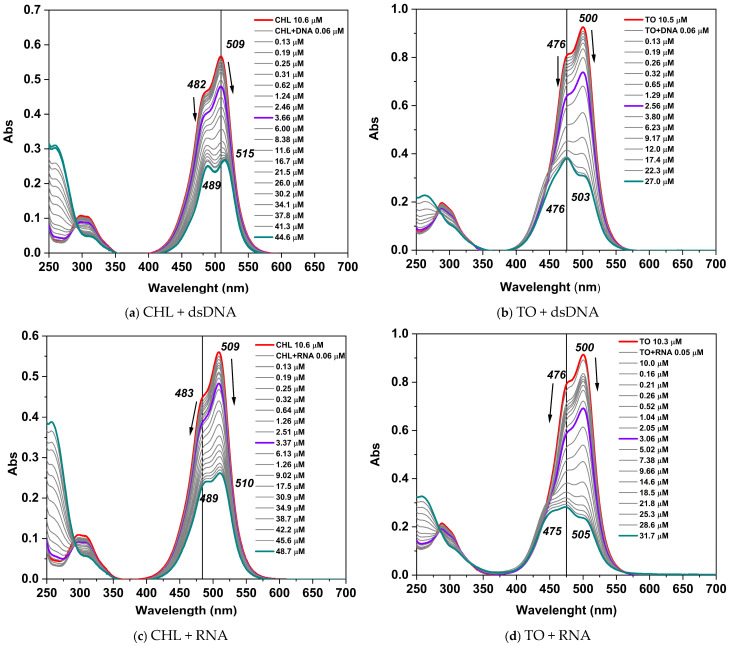 Figure 4
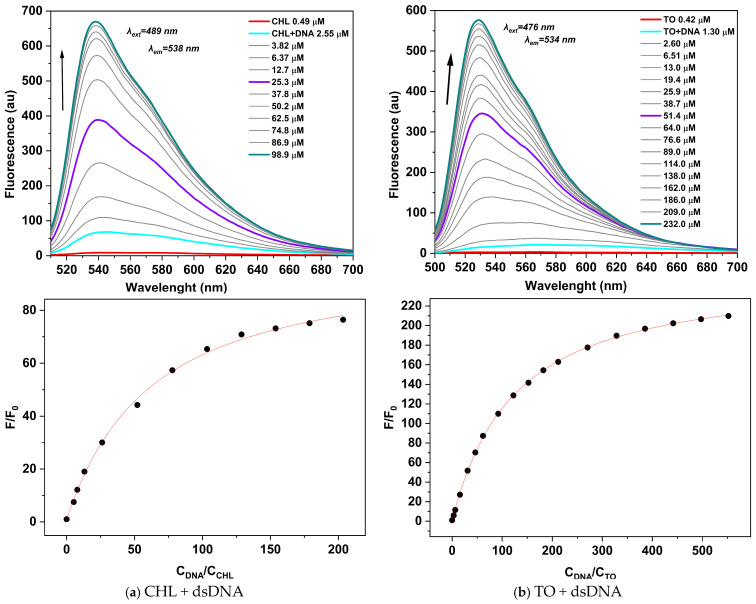 Figure 5
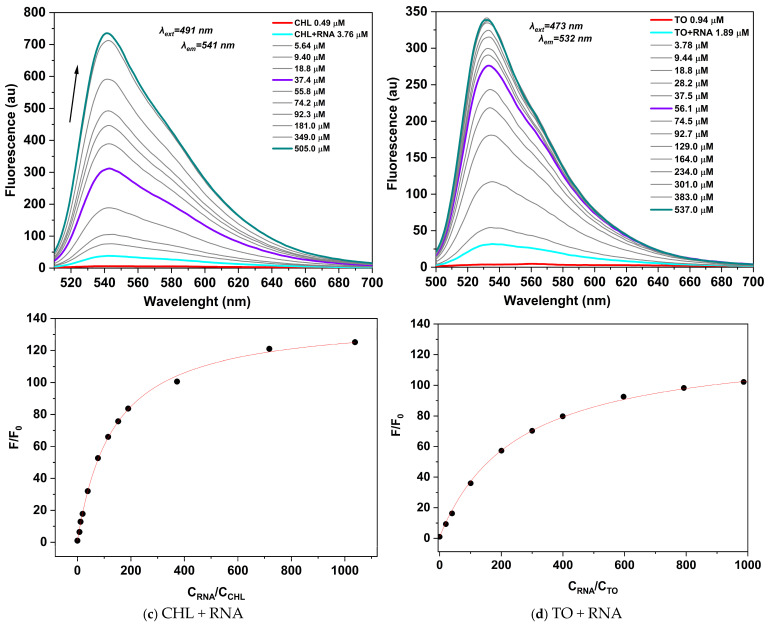 Figure 6
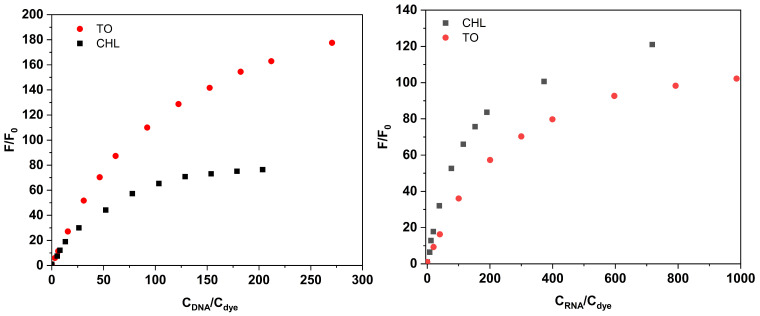 Figure 7
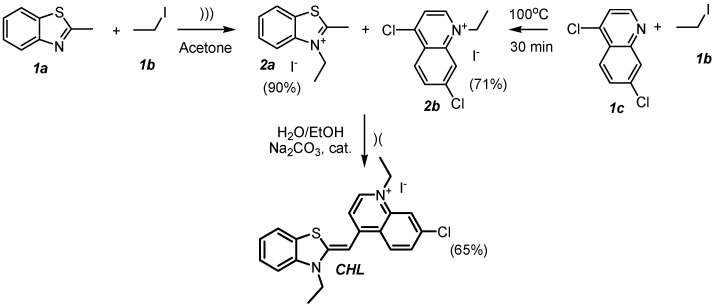 Figure 8
Peer Reviews
No public reviews on file for this paper yet. If you reviewed it on a platform where reviews are public (OpenReview, ICLR, NeurIPS, ICML), you can paste yours below so the community can read it here.
Videos
No videos yet. Explain this paper in a talk, walkthrough, or lecture? Add one.
Taxonomy
TopicsSynthesis and Characterization of Heterocyclic Compounds · Quinazolinone synthesis and applications · Bacteriophages and microbial interactions