Integrating Genetic Mapping and BSR-Seq Analysis to Identify Candidate Genes Controlling Fruitfulness in Camellia sinensis
Shizhuo Kan, Dandan Tang, Wei Chen, Yuxin Gu, Shenxin Zhao, Lu Long, Jing Zhang, Xiaoqin Tan, Liqiang Tan, Qian Tang

TL;DR
This study identifies genes controlling fruit production in tea plants using genetic and RNA sequencing methods, revealing key regulators like CsETR2 and CsMYB15.
Contribution
The study identifies CsETR2 and CsMYB15 as key regulators of fruitfulness in tea plants through genetic mapping and BSR-Seq analysis.
Findings
CsETR2 overexpression in Arabidopsis significantly reduced reproductive traits like panicle count and seed setting rate.
CsMYB15 was shown to directly bind and repress the transcription of CsETR2.
A major QTL, qFN5, was identified as a stable genetic locus associated with fruitfulness in tea plants.
Abstract
As nutrient allocation trade-offs occur between reproductive and vegetative development in crops, optimizing their partitioning holds promise for improving agricultural productivity and quality. Herein, we characterize the phenotypic diversity of the fruitfulness trait and identify associated genes in tea plants (Camellia sinensis). Over three consecutive years, we monitored the fruitfulness of an F1 hybrid population (n = 206) derived from crosses of ‘Emei Wenchun’ and ‘Chuanmu 217’. A marked variation was observed in the yield of individual plants, ranging from complete sterility (zero fruits) to exceptionally high fertility (1612 fruits). Using the high-resolution genetic linkage map and the fruitfulness data, we identified a stable major QTL designated as qFN5. To fine-map the underlying gene(s), artificial pollination experiments were conducted with extreme phenotype individuals…
Genes, proteins, chemicals, diseases, species, mutations and cell lines named across the full text — each resolved to its canonical identifier and authoritative record.
Click any figure to enlarge with its caption.
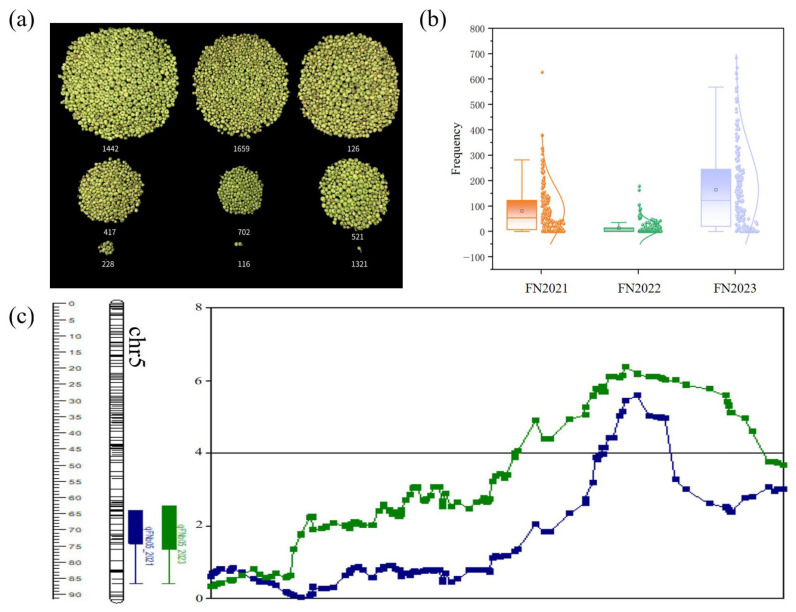 Figure 1
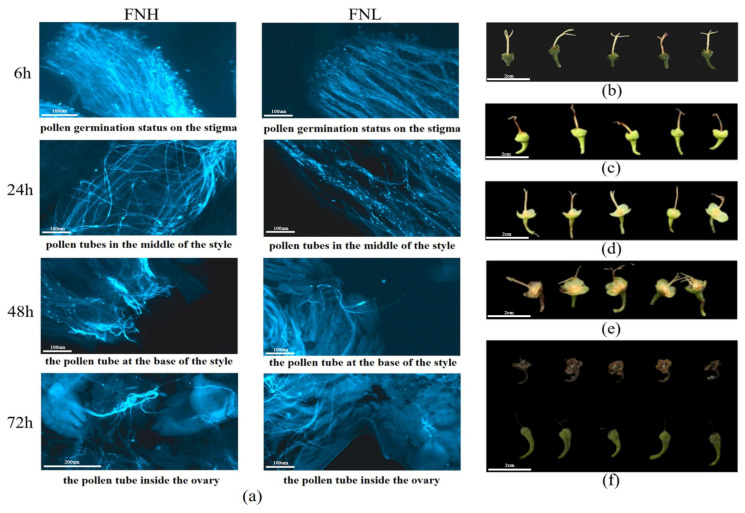 Figure 2
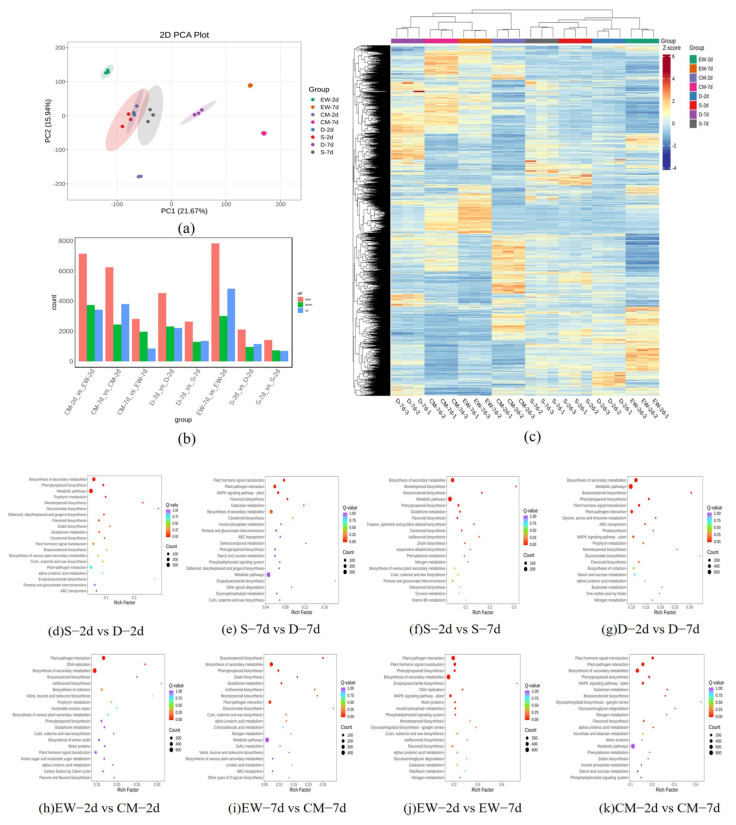 Figure 3
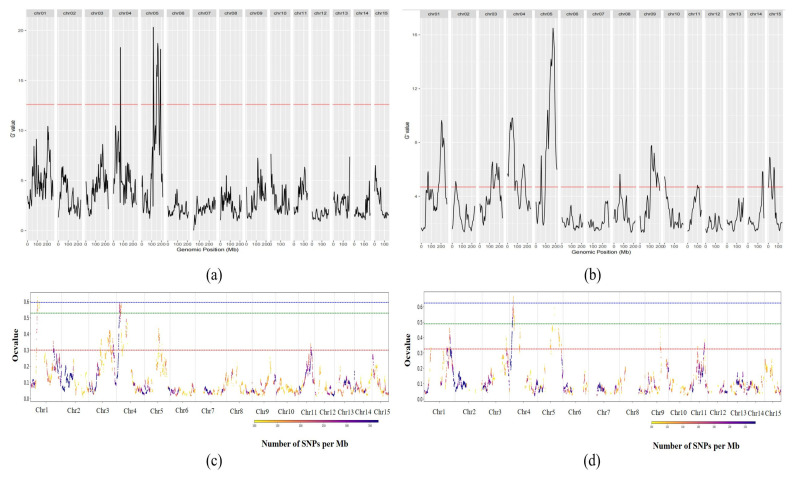 Figure 4
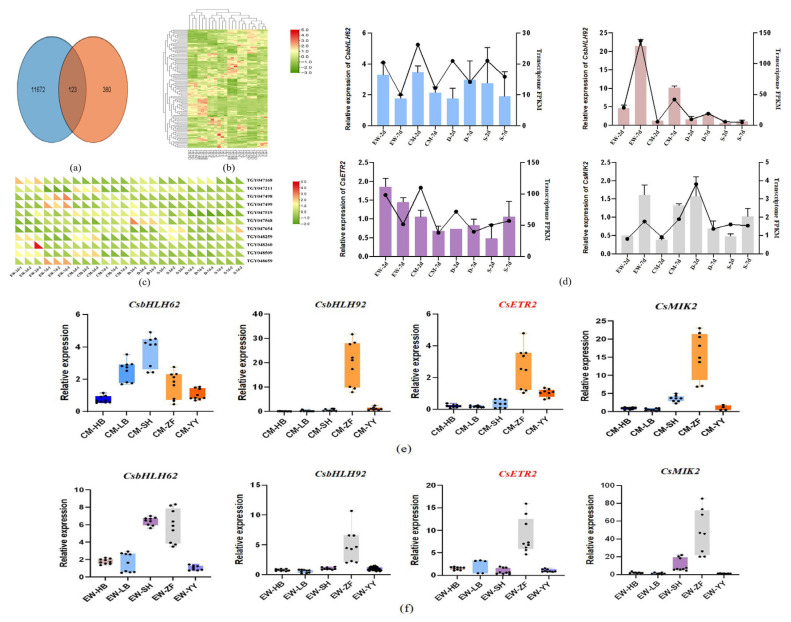 Figure 5
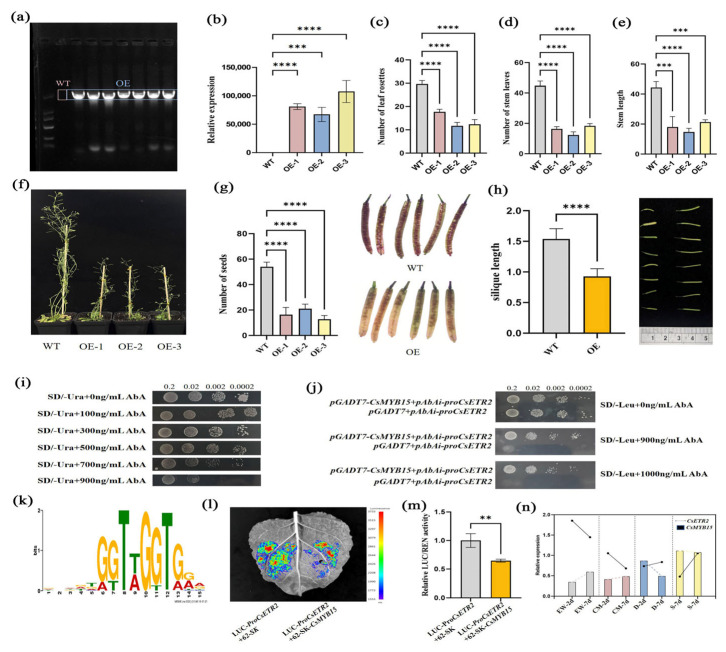 Figure 6
Peer Reviews
No public reviews on file for this paper yet. If you reviewed it on a platform where reviews are public (OpenReview, ICLR, NeurIPS, ICML), you can paste yours below so the community can read it here.
Videos
No videos yet. Explain this paper in a talk, walkthrough, or lecture? Add one.
Taxonomy
TopicsGenetic Mapping and Diversity in Plants and Animals · Plant Reproductive Biology · Plant Molecular Biology Research