Photocatalytic Enhancement of Anatase Supported on Mesoporous Modified Silica for the Removal of Carbamazepine
Guillermo Cruz-Quesada, Beatriz Rosales-Reina, Inmaculada Velo-Gala, María del Pilar Fernández-Poyatos, Miguel A. Álvarez, Cristian García-Ruiz, María Victoria López-Ramón, Julián J. Garrido

TL;DR
This paper explores a new method to improve titanium dioxide's ability to break down a drug pollutant using modified silica support.
Contribution
A novel hydrothermal synthesis approach creates TiO2 composites with enhanced textural properties for photocatalytic degradation.
Findings
Materials with 10% RTEOS achieved ~95% degradation of carbamazepine after 1 hour under UV light.
The synthesis method successfully improved the textural and photoactive properties of TiO2.
Mesoporous modified silica supports significantly enhance the photocatalytic performance of anatase.
Abstract
TiO2 is the most used material for the photocatalytic removal of organic pollutants in aqueous media. TiO2, specifically its anatase phase, is well-known for its great performance under UV irradiation, high chemical stability, low cost and non-toxicity. Nevertheless, TiO2 presents two main drawbacks: its limited absorption of the visible spectrum; and its relatively low specific surface area and pore volume. Regarding the latter, several works in the literature have addressed the issue by developing new synthesis approaches in which anatase is dispersed and supported on the surface of porous materials. In the present work, two series of materials have been prepared where anatase has been supported on mesoporous silica (MSTiR%) in situ through a hydrothermal synthesis approach, where, in addition to using tetraethoxysilane (TEOS) as a silicon precursor, three organotriethoxysilanes…
Genes, proteins, chemicals, diseases, species, mutations and cell lines named across the full text — each resolved to its canonical identifier and authoritative record.
Click any figure to enlarge with its caption.
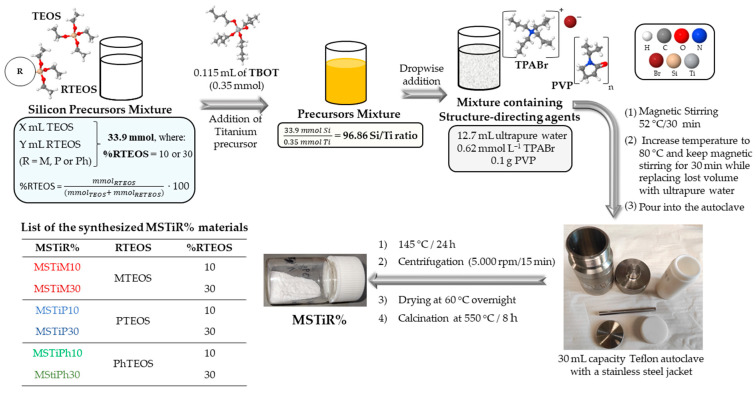 Figure 1
 Figure 2
 Figure 3
 Figure 4
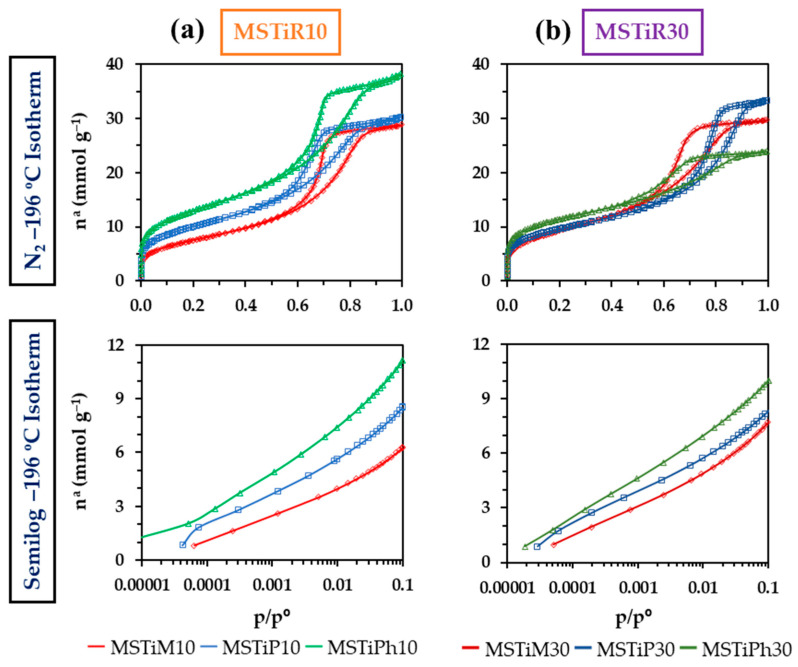 Figure 5
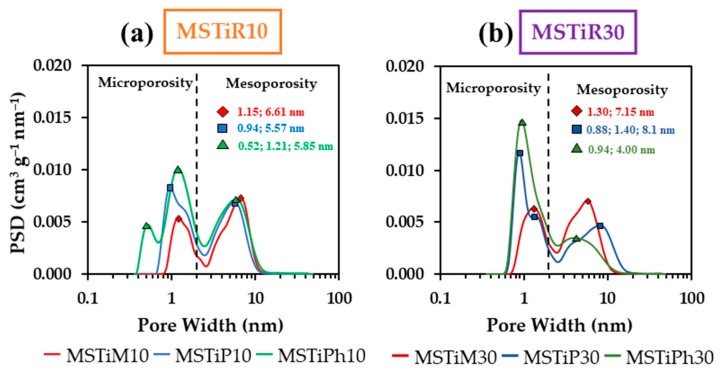 Figure 6
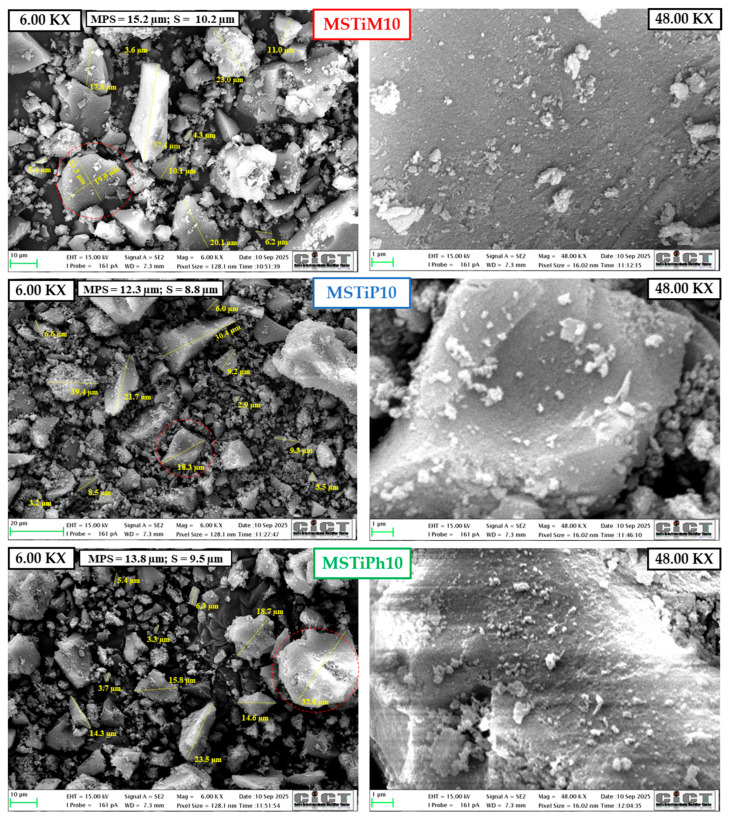 Figure 7
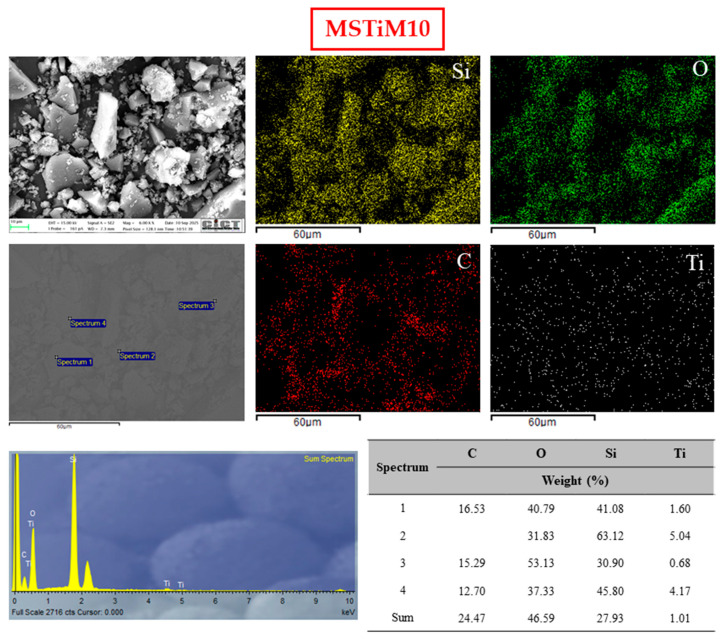 Figure 8
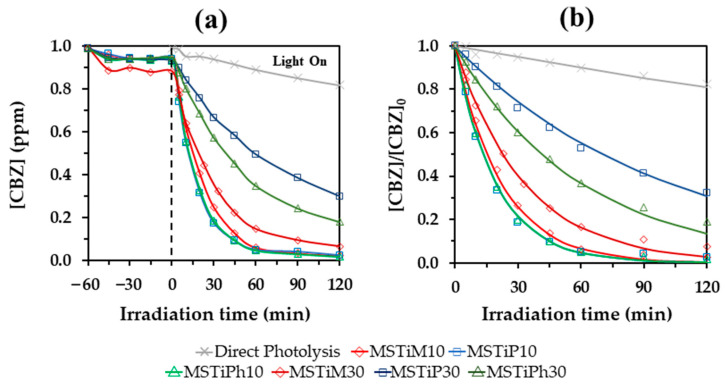 Figure 9
 Figure 10
 Figure 11
 Figure 12
 Figure 13
 Figure 14
Peer Reviews
No public reviews on file for this paper yet. If you reviewed it on a platform where reviews are public (OpenReview, ICLR, NeurIPS, ICML), you can paste yours below so the community can read it here.
Videos
No videos yet. Explain this paper in a talk, walkthrough, or lecture? Add one.
Taxonomy
TopicsAdvanced Photocatalysis Techniques · Covalent Organic Framework Applications · Nanomaterials for catalytic reactions