Copper-Mediated Homocoupling of N-propargylcytisine—Synthesis and Spectral Characterization of Novel Cytisine-Based Diyne Dimer
Anna K. Przybył, Adam Huczyński, Ewa Krystkowiak

TL;DR
Scientists synthesized a new cytisine-based compound with a diyne bridge, which could be useful for developing drugs targeting neurological disorders.
Contribution
The novel synthesis of a cytisine derivative with a 1,3-diyne bridge via copper-mediated coupling is presented.
Findings
N-propargylcytisine and its diyne dimer were successfully synthesized and characterized using NMR, FT-IR, and mass spectrometry.
Solvatochromic studies revealed solvent-dependent absorption properties of the compounds.
The 1,3-diyne motif provides potential for further derivatization and biological evaluation.
Abstract
Cytisine, a naturally occurring alkaloid and partial agonist of nicotinic acetylcholine receptors (nAChRs), has long been used as a smoking cessation aid and serves as the pharmacophore for varenicline. Recent research has expanded its therapeutic scope to neurodegenerative and neurological disorders, motivating the development of new cytisine derivatives. Among these, N-propargylcytisine combines the biological activity of the parent compound with the synthetic versatility of the terminal alkyne group. Herein, we report the synthesis and characterization of N-propargylcytisine, and its symmetrical dimer linked through 1,3-diyne moiety obtained via a copper-mediated Glaser–Hay oxidative coupling. The products were analyzed by NMR, FT-IR, and mass spectrometry, confirming the introduction of the propargyl moiety and the formation of the diyne bridge. Solvatochromic study of both…
Genes, proteins, chemicals, diseases, species, mutations and cell lines named across the full text — each resolved to its canonical identifier and authoritative record.
Click any figure to enlarge with its caption.
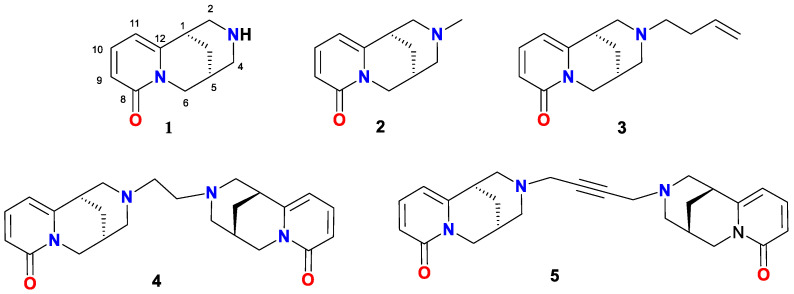 Figure 1
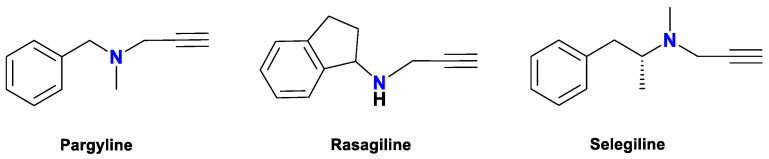 Figure 2
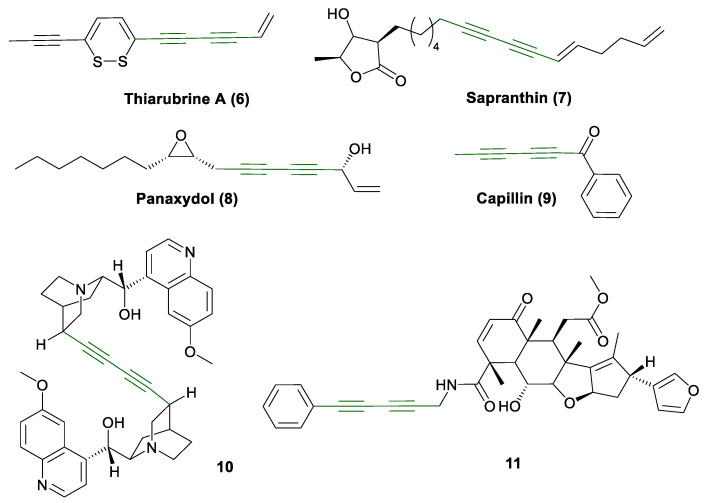 Figure 3
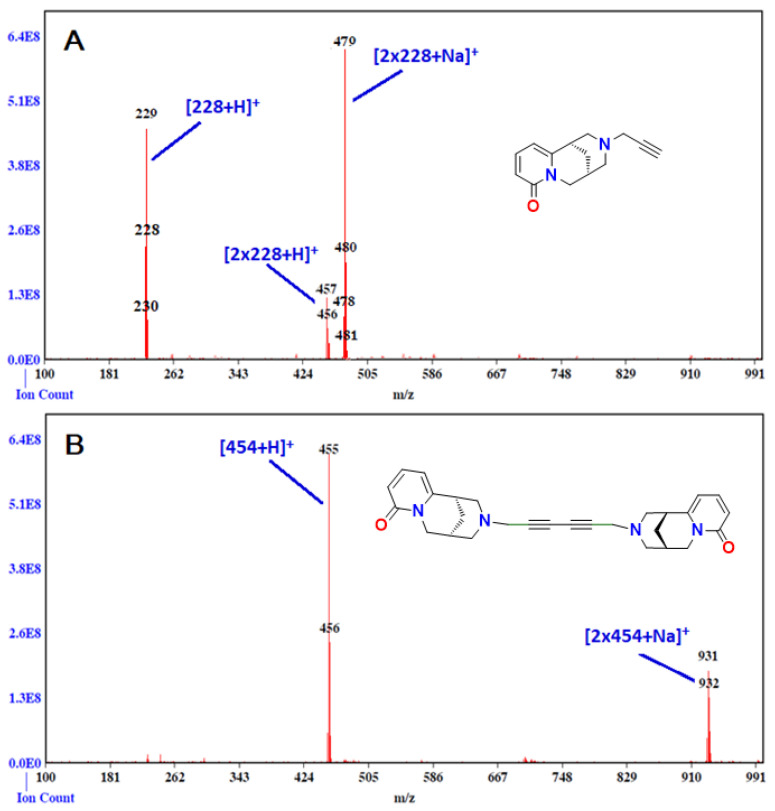 Figure 4
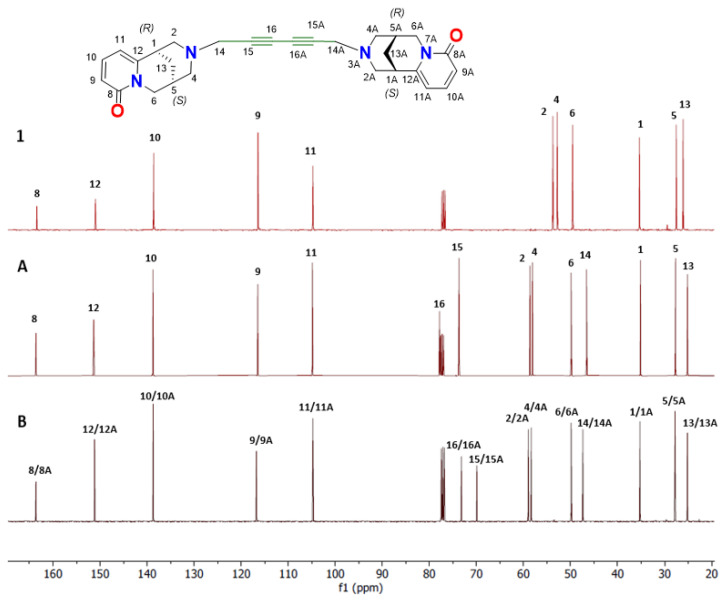 Figure 5
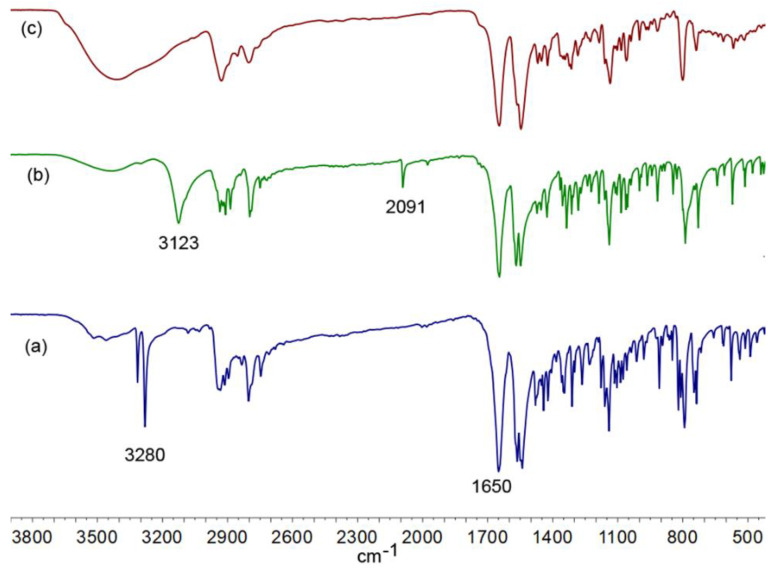 Figure 6
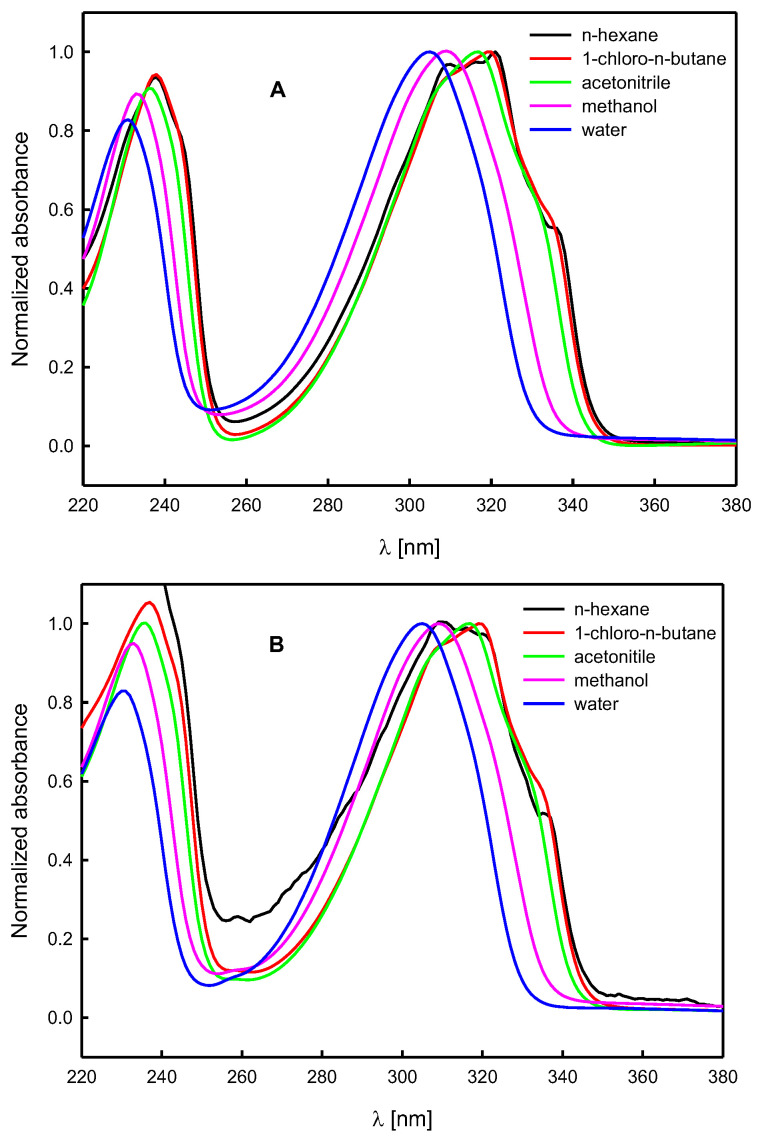 Figure 7
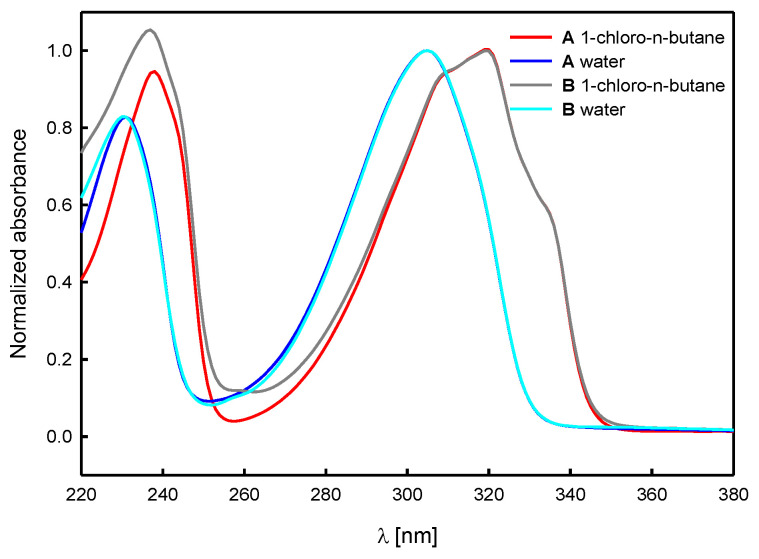 Figure 8
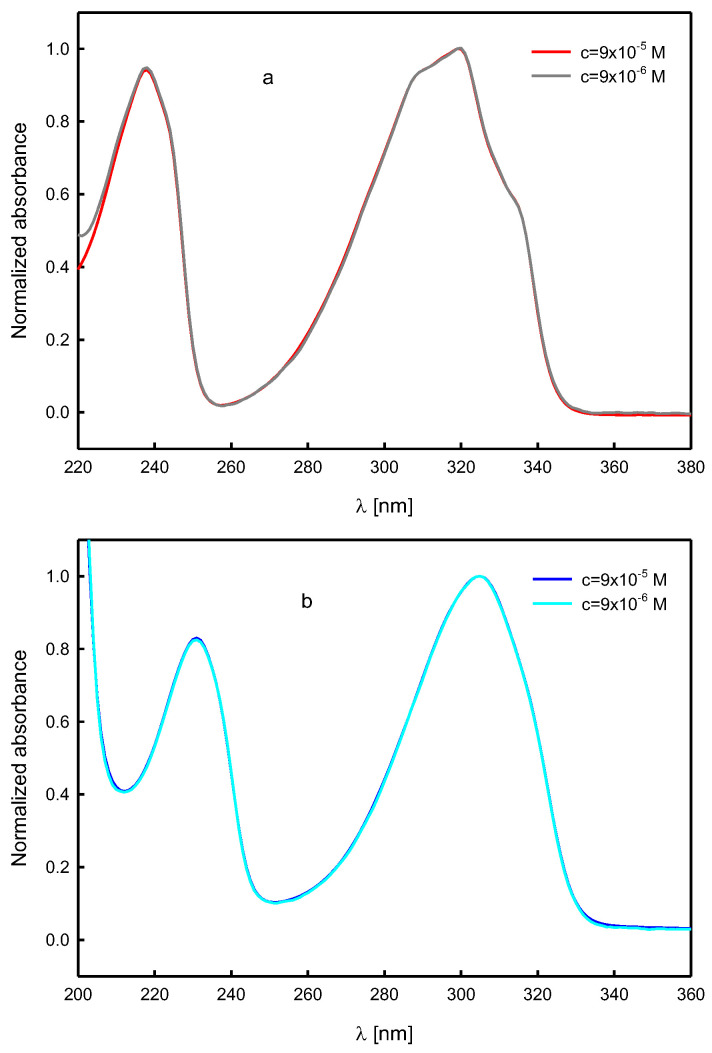 Figure 9
 Figure 10
 Figure 11
 Figure 12
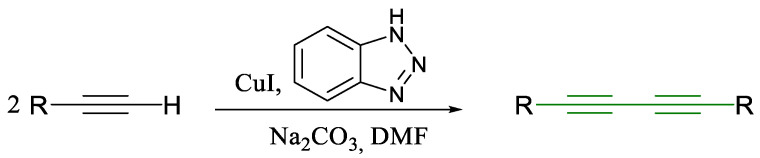 Figure 13
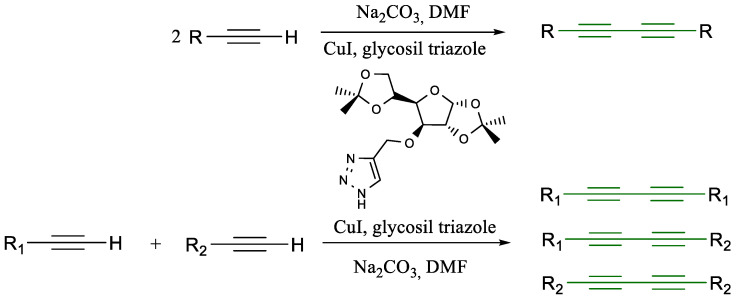 Figure 14
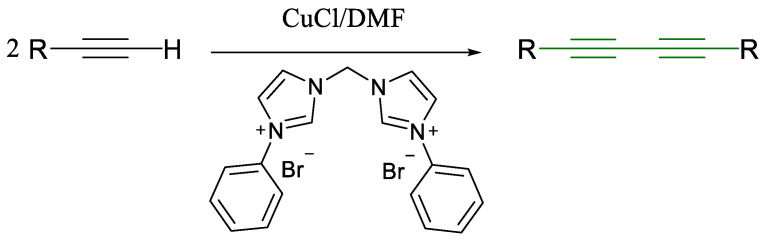 Figure 15
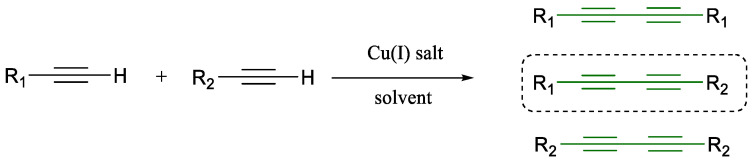 Figure 16
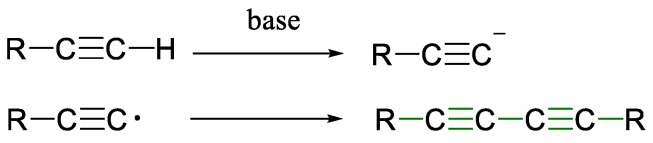 Figure 17
 Figure 18
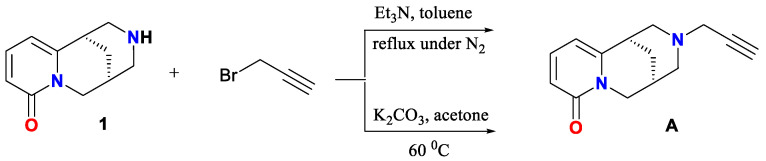 Figure 19
 Figure 20
 Figure 21
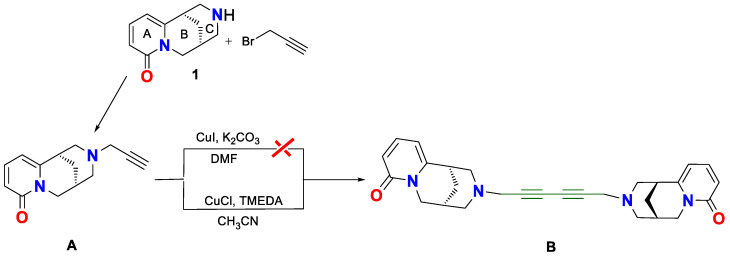 Figure 22
Peer Reviews
No public reviews on file for this paper yet. If you reviewed it on a platform where reviews are public (OpenReview, ICLR, NeurIPS, ICML), you can paste yours below so the community can read it here.
Videos
No videos yet. Explain this paper in a talk, walkthrough, or lecture? Add one.
Taxonomy
TopicsNicotinic Acetylcholine Receptors Study · Chemical synthesis and alkaloids · Cholinesterase and Neurodegenerative Diseases