Major Components of Dittrichia viscosa (Asteraceae) as a Source of New Pesticides
María José Segura-Navarro, José Francisco Quílez del Moral, María Fe Andrés, Félix Valcárcel, Azucena González-Coloma, Diego O. Molina Inzunza, Alejandro F. Barrero

TL;DR
This study explores natural compounds from Dittrichia viscosa to develop new, sustainable pesticides effective against pests and ticks.
Contribution
The paper introduces new pesticide candidates derived from natural compounds of Dittrichia viscosa with diverse biocontrol applications.
Findings
Compound 11 showed antifeedant and nematicidal properties against pests.
Compounds 3a and 8 were potent antifeedants against Rhopalosiphum padi.
Compound 29 was six times more larvicidal against ticks than the control nootkatone.
Abstract
Ilicic acid, nerolidol, and 9-hydroxynerolidol are major components of the aerial parts of Dittrichia viscosa. These components were selectively isolated in multigram quantities and used as lead compounds to generate diversity in the search for new natural-product-derived pesticides. A total of 29 derivatives of these three molecules—some of which are known natural products—were generated by subjecting these natural products to different transformations. In order to explore potential applications in sustainable biocontrol, some of the compounds generated were evaluated for plant protection potential against insect pests (Spodoptera littoralis, Myzus persicae, Rhopalosiphum padi), against the nematode Meloidogyne javanica, and for their phytotoxic effects on ryegrass (Lolium perenne) and lettuce (Lactuca sativa). Additionally, their effects against the tick Hyalomma lusitanicum have been…
Genes, proteins, chemicals, diseases, species, mutations and cell lines named across the full text — each resolved to its canonical identifier and authoritative record.
Click any figure to enlarge with its caption.
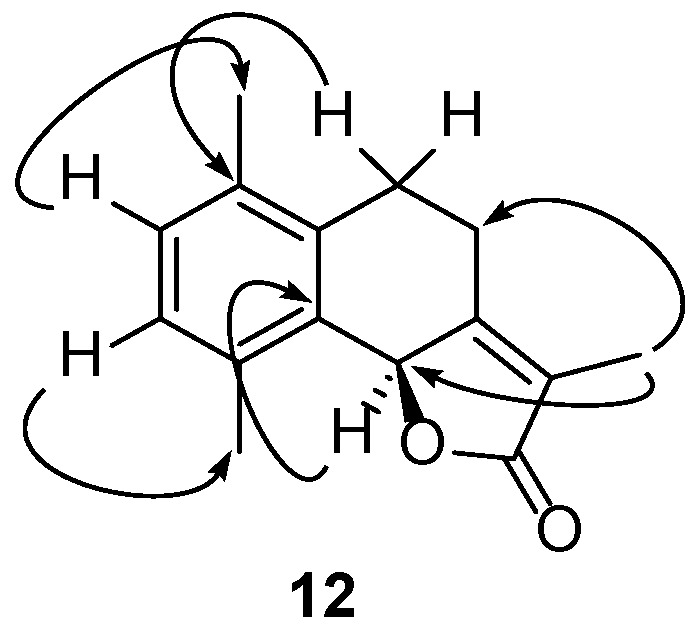 Figure 1
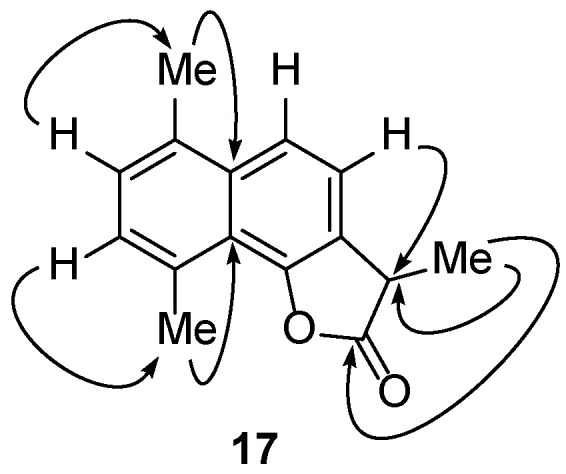 Figure 2
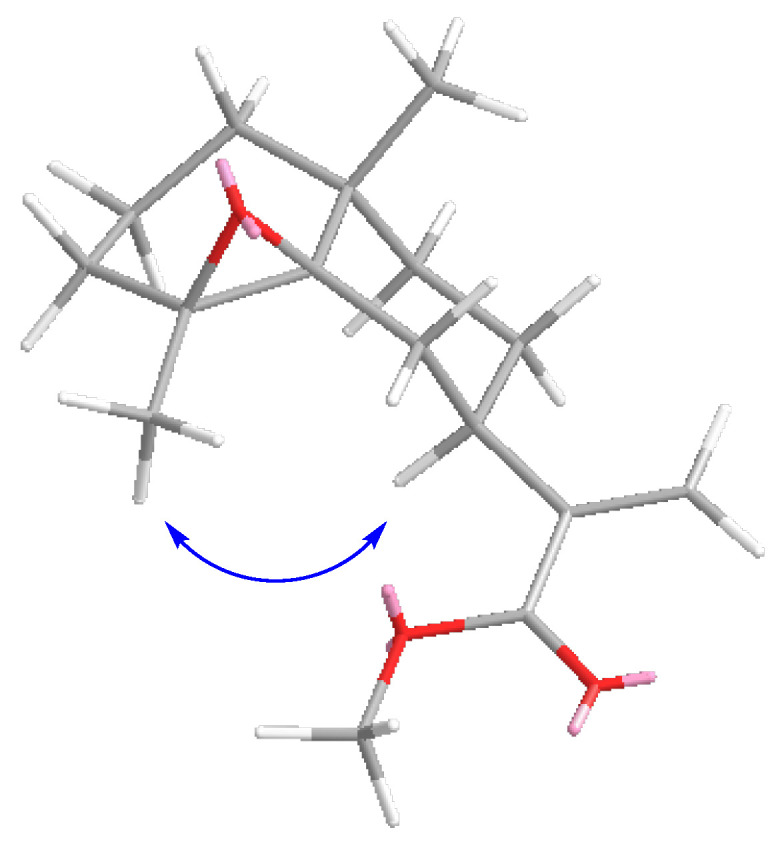 Figure 3
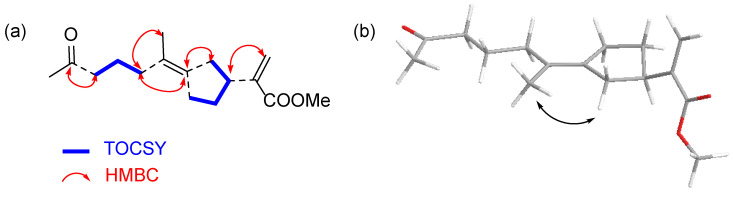 Figure 4
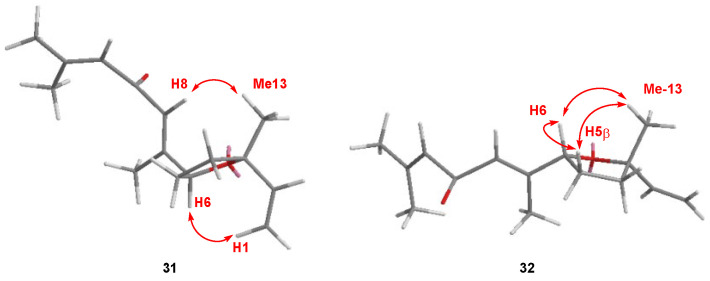 Figure 5
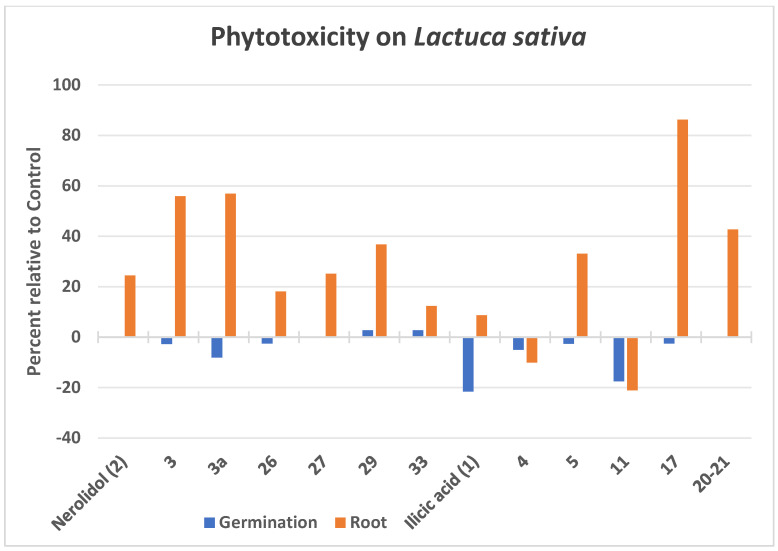 Figure 6
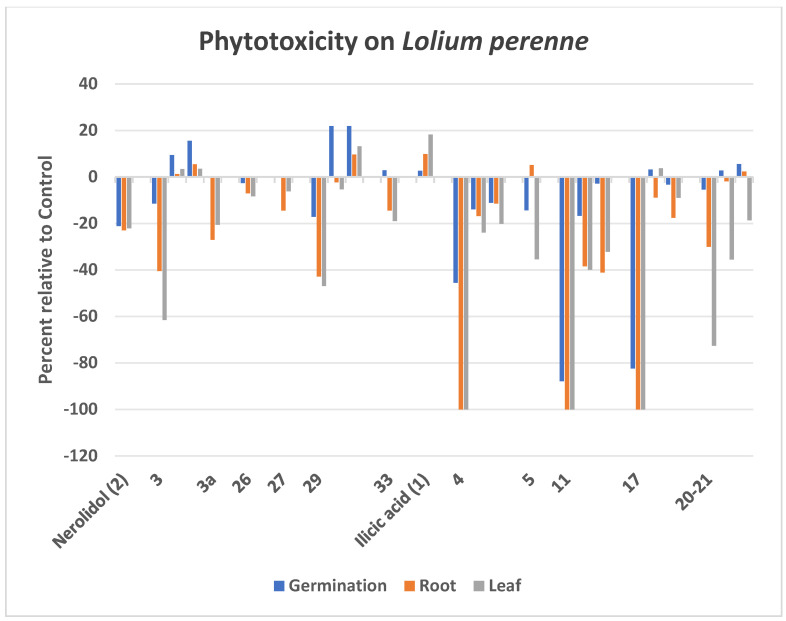 Figure 7
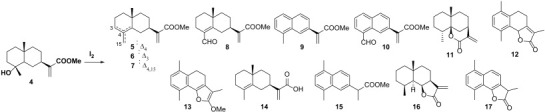 Figure 8
 Figure 9
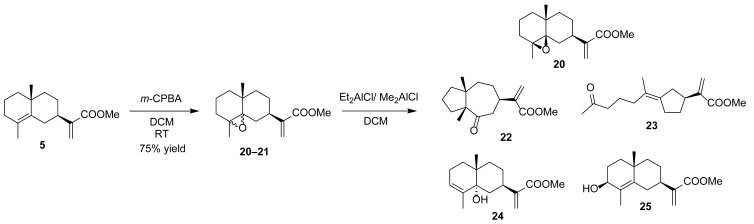 Figure 10
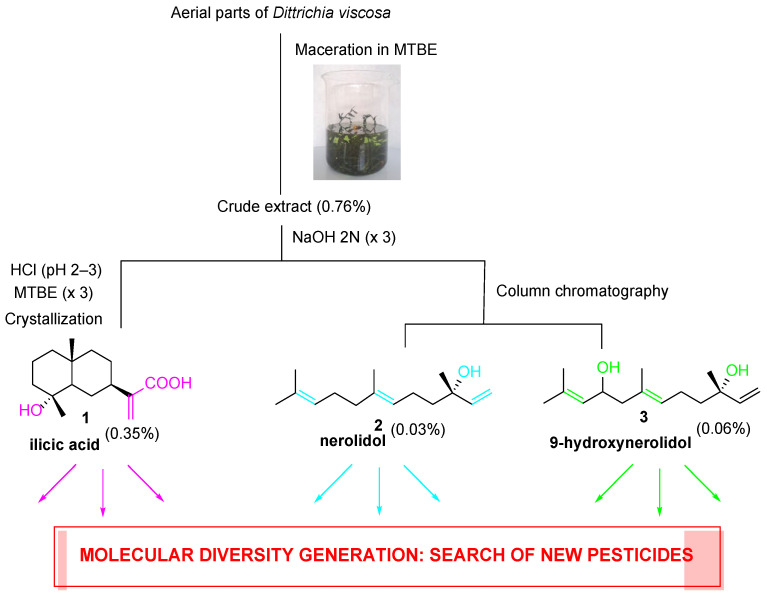 Figure 11
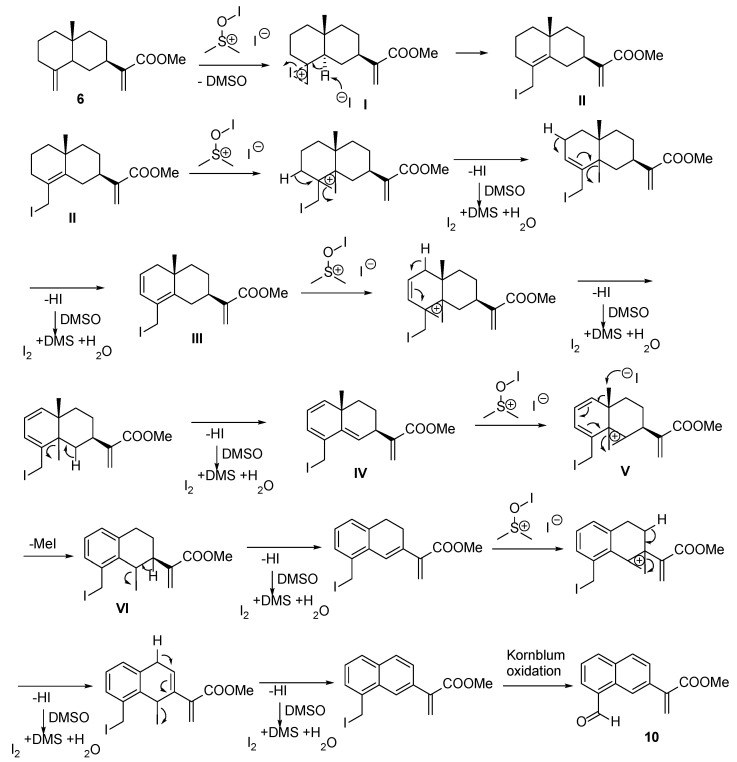 Figure 12
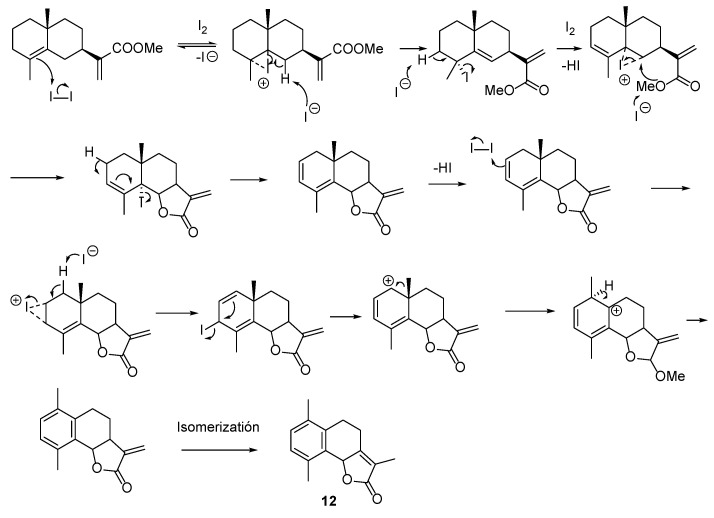 Figure 13
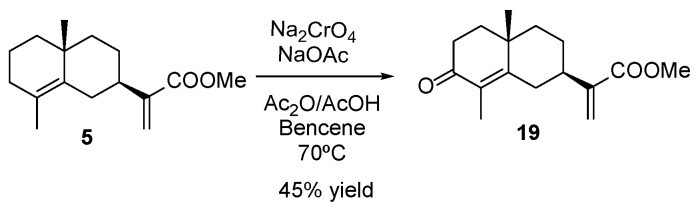 Figure 14
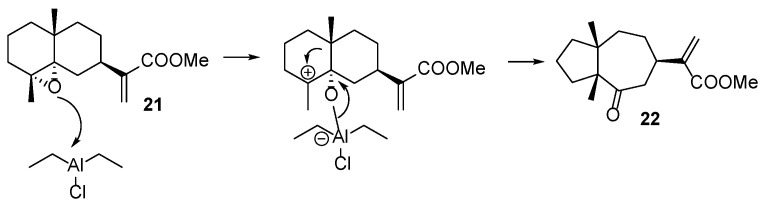 Figure 15
 Figure 16
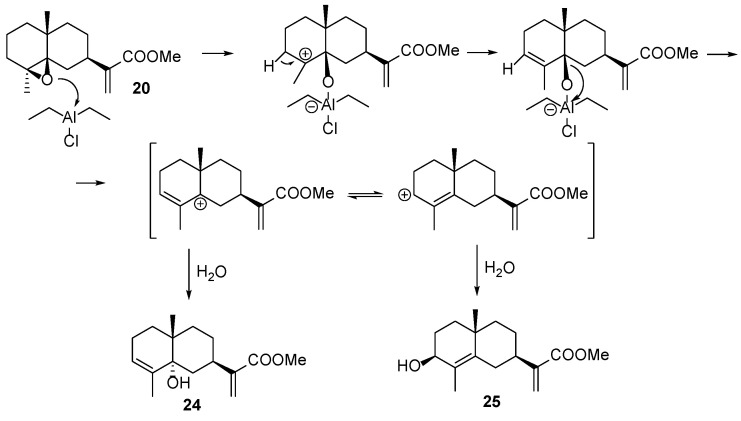 Figure 17
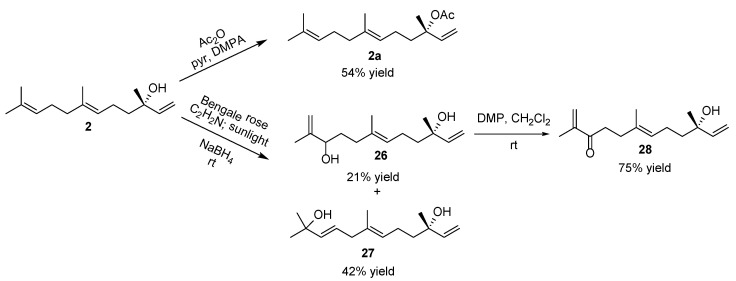 Figure 18
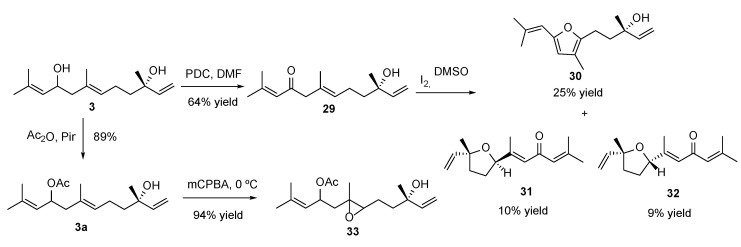 Figure 19
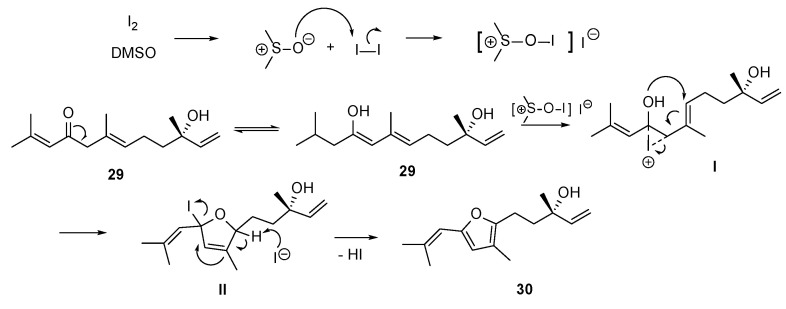 Figure 20
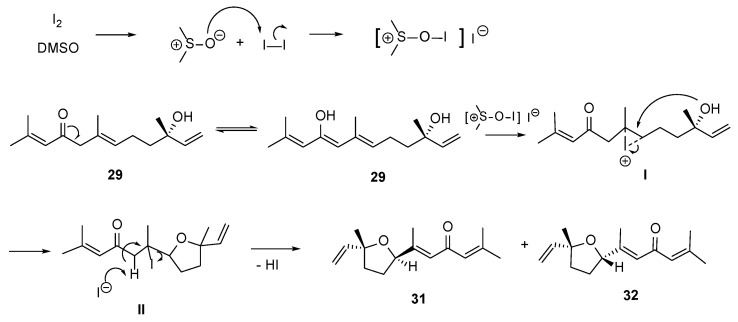 Figure 21
Peer Reviews
No public reviews on file for this paper yet. If you reviewed it on a platform where reviews are public (OpenReview, ICLR, NeurIPS, ICML), you can paste yours below so the community can read it here.
Videos
No videos yet. Explain this paper in a talk, walkthrough, or lecture? Add one.
Taxonomy
TopicsAllelopathy and phytotoxic interactions · Nematode management and characterization studies · Insect Pest Control Strategies