Bilayer TMDs for Future FETs: Carrier Dynamics and Device Implications
Shoaib Mansoori, Edward Chen, Massimo Fischetti

TL;DR
This paper studies bilayer TMDs for future transistors, showing how material properties and dielectrics affect performance.
Contribution
The study introduces a detailed analysis of carrier dynamics in bilayer TMDs using DFT and Monte Carlo simulations.
Findings
Freestanding bilayer WS2 and WSe2 show high hole mobilities of 2300 and 1300 cm²/V·s, respectively.
Using hBN as a dielectric improves or maintains mobility, while HfO2 reduces it due to increased scattering.
Optimized WSe2 pFETs achieve ON currents of 820 A/m with a 10% improvement using hBN.
Abstract
Bilayer transition metal dichalcogenides (TMDs) are promising materials for next-generation field-effect transistors (FETs) due to their atomically thin structure and favorable transport properties. In this study, we employ density functional theory (DFT) to compute the electronic band structures and phonon dispersions of bilayer WS2, WSe2, and MoS2, and the electron-phonon scattering rates using the EPW (electron-phonon Wannier) method. Carrier transport is then investigated within a semiclassical full-band Monte Carlo framework, explicitly including intrinsic electron-phonon scattering, dielectric screening, scattering with hybrid plasmon–phonon interface excitations (IPPs), and scattering with ionized impurities. Freestanding bilayers exhibit the highest mobilities, with hole mobilities reaching 2300 cm2/V·s in WS2 and 1300 cm2/V·s in WSe2. Using hBN as the top gate dielectric…
Genes, proteins, chemicals, diseases, species, mutations and cell lines named across the full text — each resolved to its canonical identifier and authoritative record.
Click any figure to enlarge with its caption.
 Figure 1
 Figure 2
 Figure 3
 Figure 4
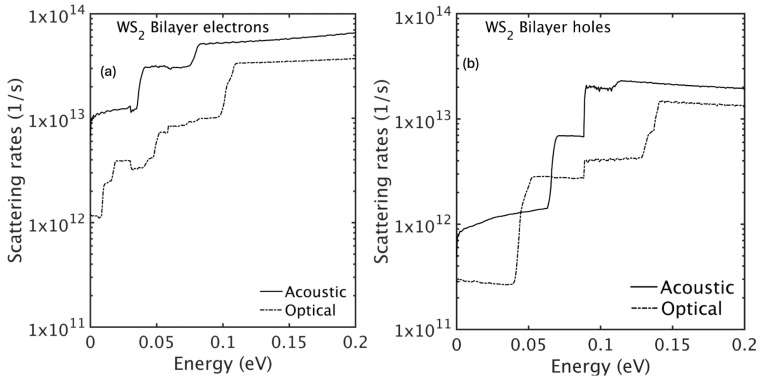 Figure 5
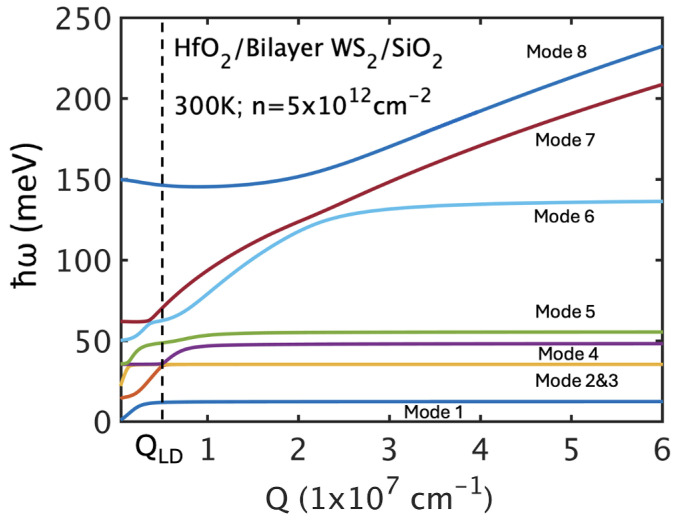 Figure 6
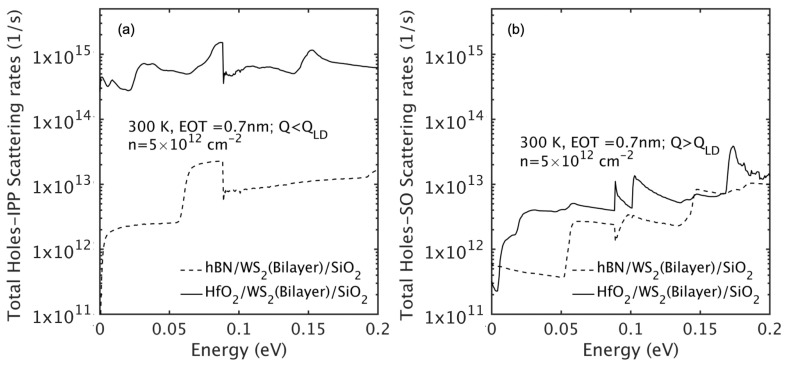 Figure 7
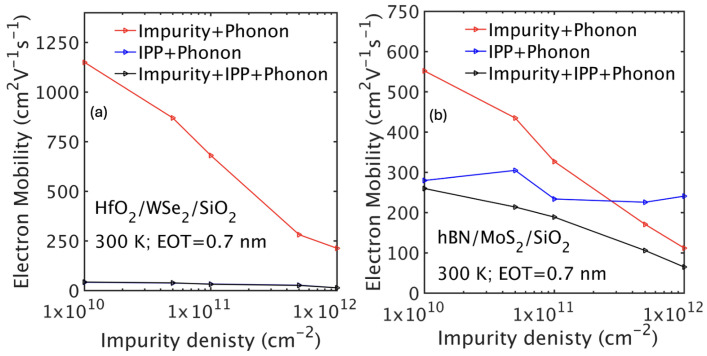 Figure 8
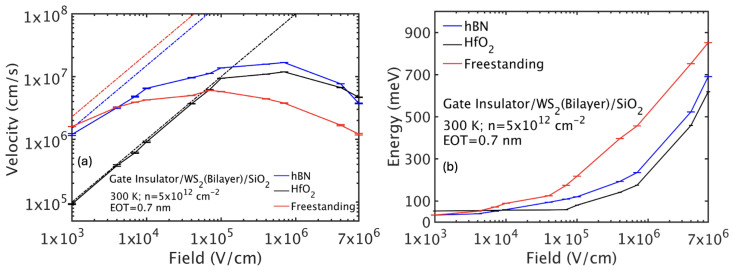 Figure 9
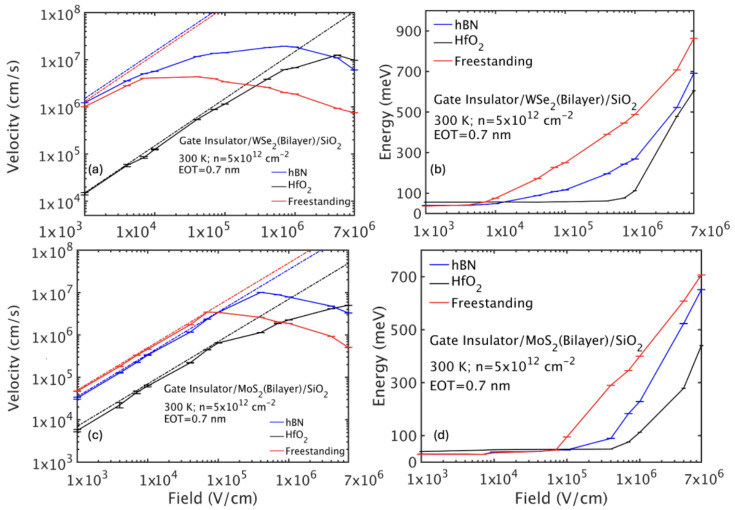 Figure 10
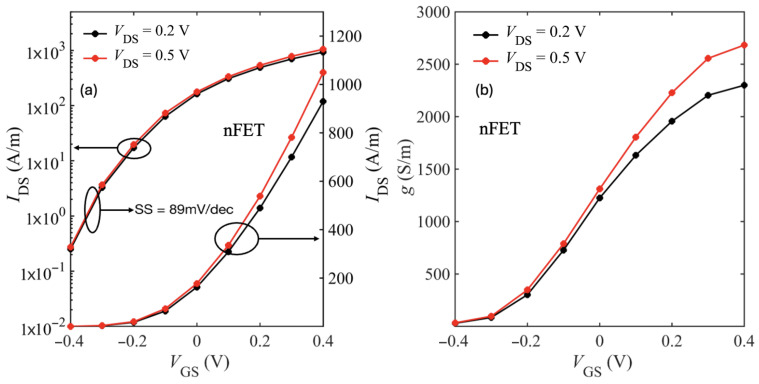 Figure 11
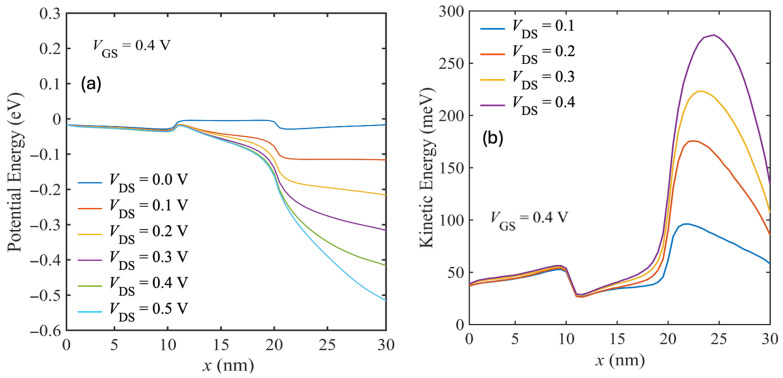 Figure 12
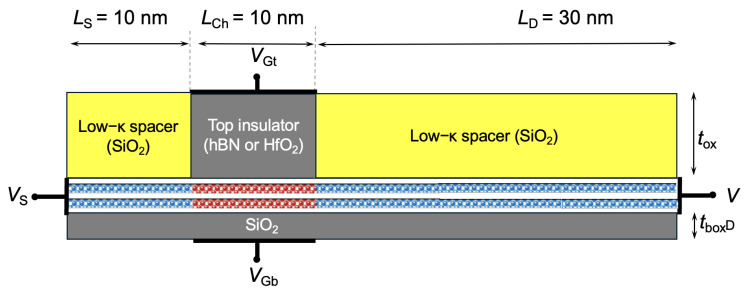 Figure 13
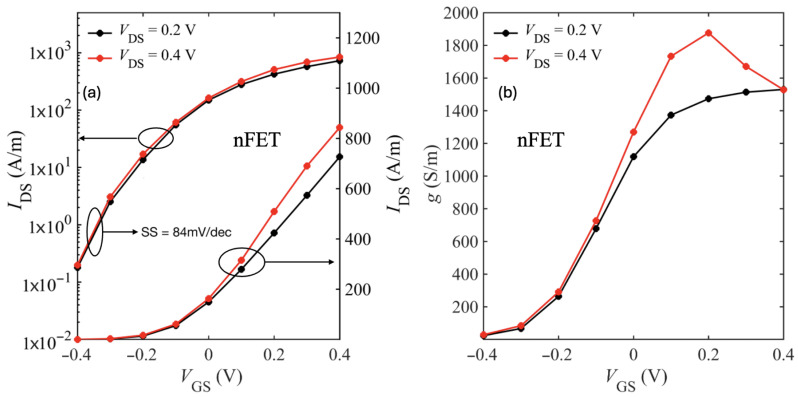 Figure 14
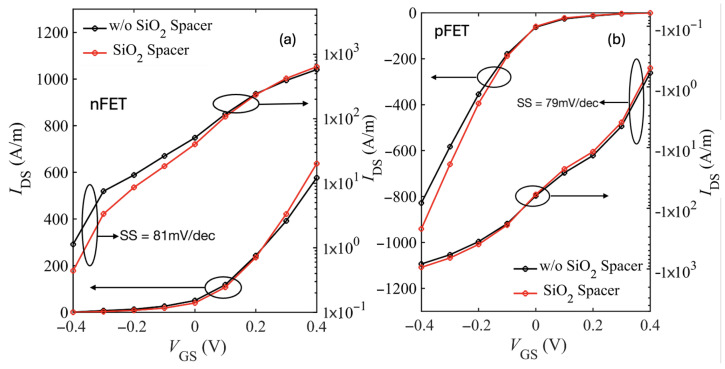 Figure 15
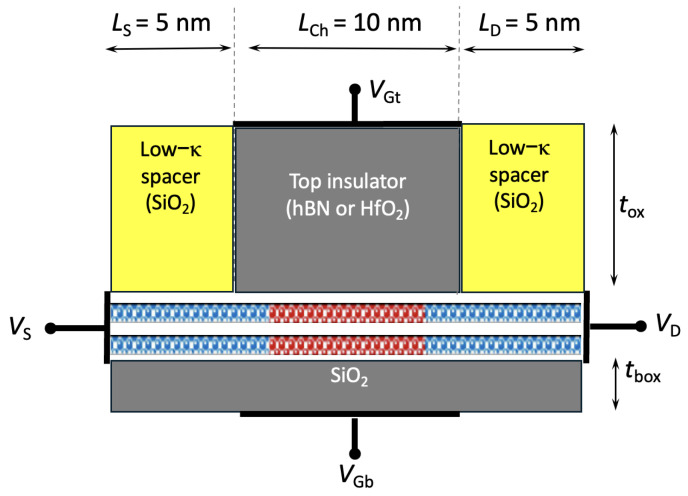 Figure 16
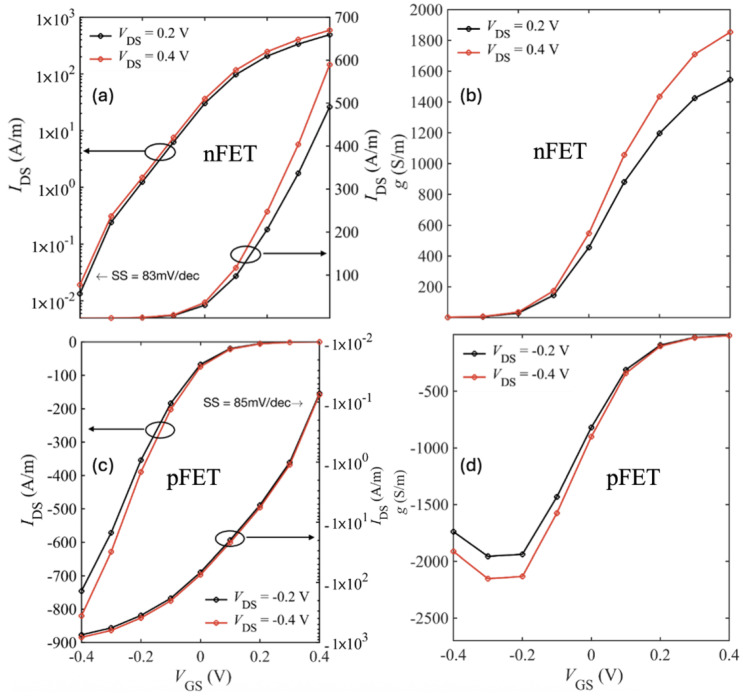 Figure 17
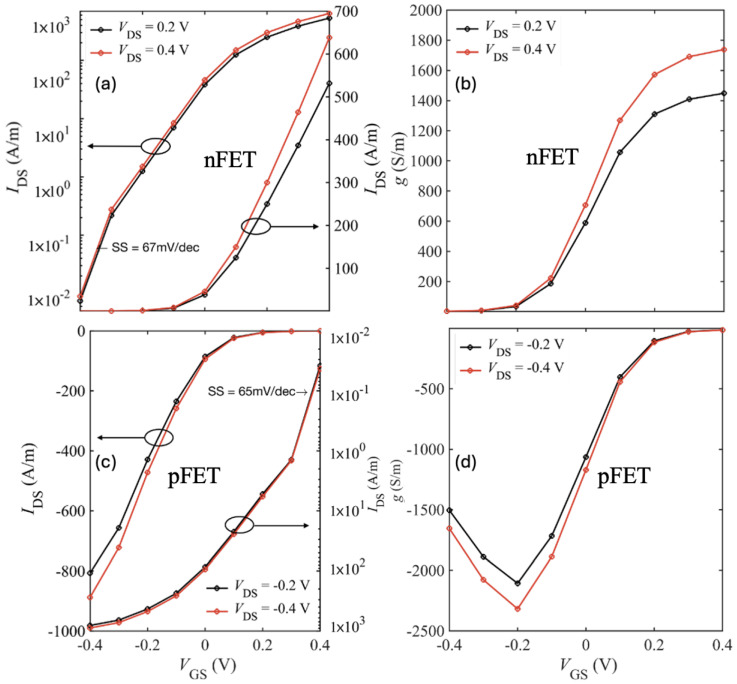 Figure 18
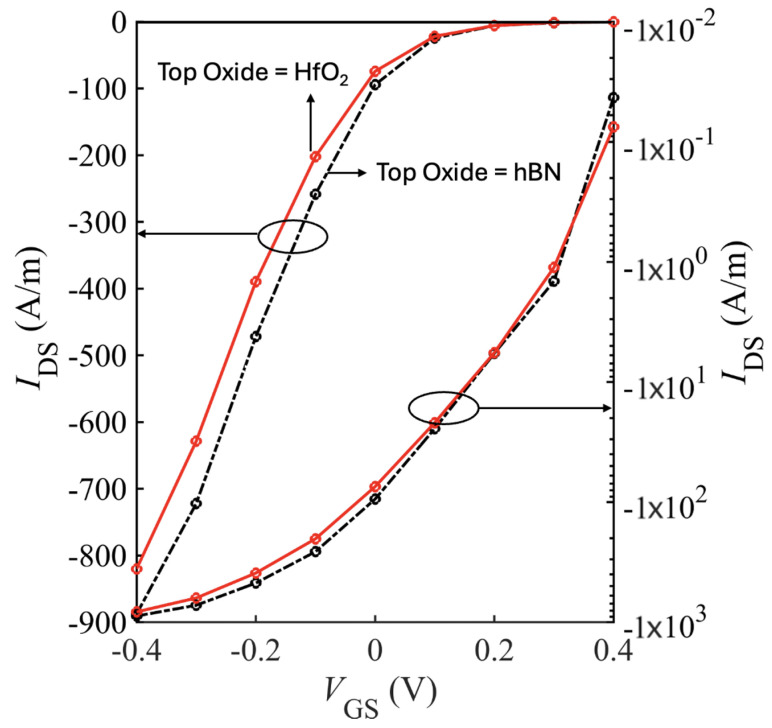 Figure 19
Peer Reviews
No public reviews on file for this paper yet. If you reviewed it on a platform where reviews are public (OpenReview, ICLR, NeurIPS, ICML), you can paste yours below so the community can read it here.
Videos
No videos yet. Explain this paper in a talk, walkthrough, or lecture? Add one.
Taxonomy
Topics2D Materials and Applications · Graphene research and applications · Molecular Junctions and Nanostructures