Fractions from Sea Buckthorn Seeds and Their Bioactive Ingredients as Modulators of Human Blood Platelet Response In Vitro: The Role of Thermal Processing
Natalia Sławińska, Luiza Janko, Jerzy Żuchowski, Beata Olas

TL;DR
This study explores how compounds from sea buckthorn seeds, especially after roasting, can reduce platelet activation, potentially helping prevent cardiovascular diseases.
Contribution
The study identifies isorhamnetin derivatives and serotonin as key anti-platelet agents in sea buckthorn seeds, emphasizing the impact of thermal processing.
Findings
Isorhamnetin 3-O-β-glucoside-7-O-α-rhamnoside significantly inhibited platelet activation and prolonged thrombus formation time.
Fractions from roasted sea buckthorn seeds showed greater anti-adhesive effects compared to those from raw seeds.
Serotonin was identified as a major contributor to the anti-platelet activity in roasted seed fractions.
Abstract
Background: Given the pivotal role of diet in cardiovascular diseases (CVDs), there is a growing demand for new sources of bioactive phytochemicals that can contribute to CVD prevention and treatment. Previous research has unveiled the cardioprotective properties of several parts of sea buckthorn (Hippophae rhamnoides L.). For example, various fractions isolated from raw and roasted sea buckthorn seeds showed antioxidant properties in vitro. In addition, the serotonin-rich fraction obtained from roasted seed extract had the strongest antioxidant activity. However, it was unclear which chemical constituents contribute to the anti-platelet potential of sea buckthorn seeds. Methods: The anti-platelet activity of two fractions (fraction b and fraction c) from raw sea buckthorn seed extract, two fractions (fraction d and fraction g) from roasted sea buckthorn seed extract, and two chemical…
Genes, proteins, chemicals, diseases, species, mutations and cell lines named across the full text — each resolved to its canonical identifier and authoritative record.
Click any figure to enlarge with its caption.
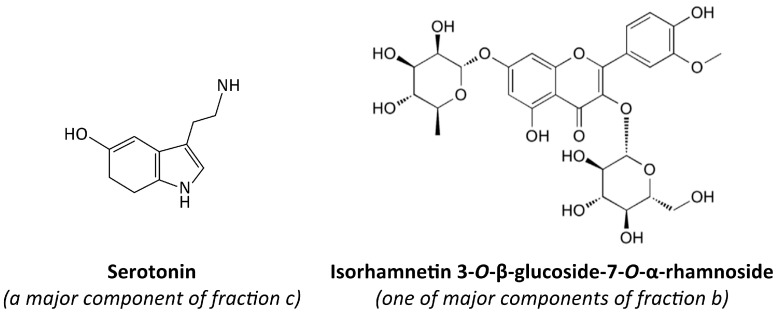 Figure 1
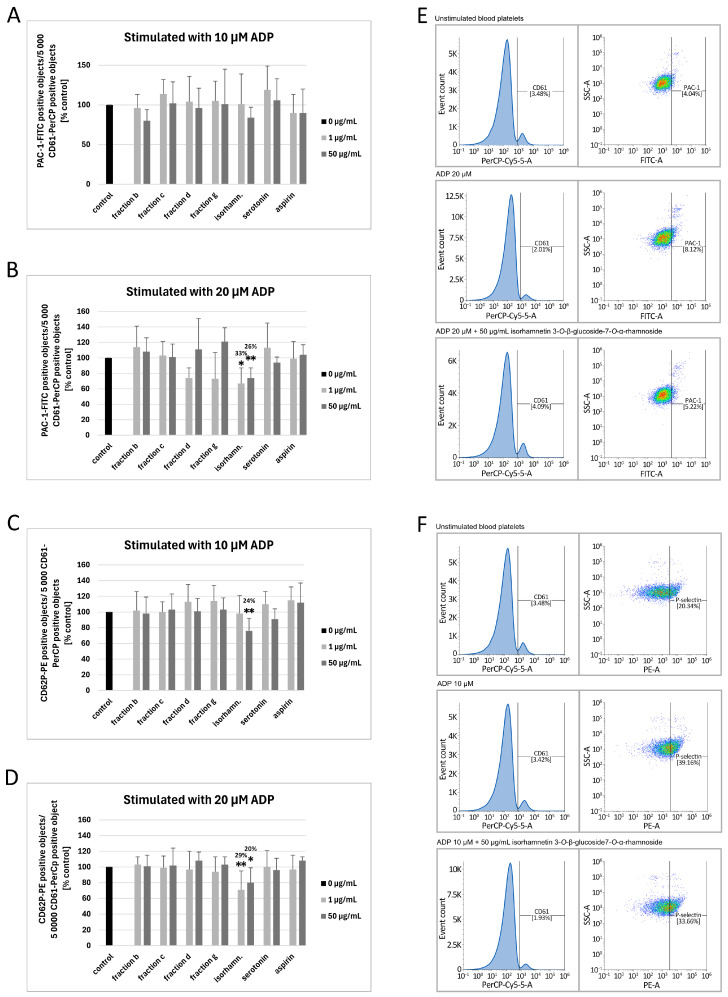 Figure 2
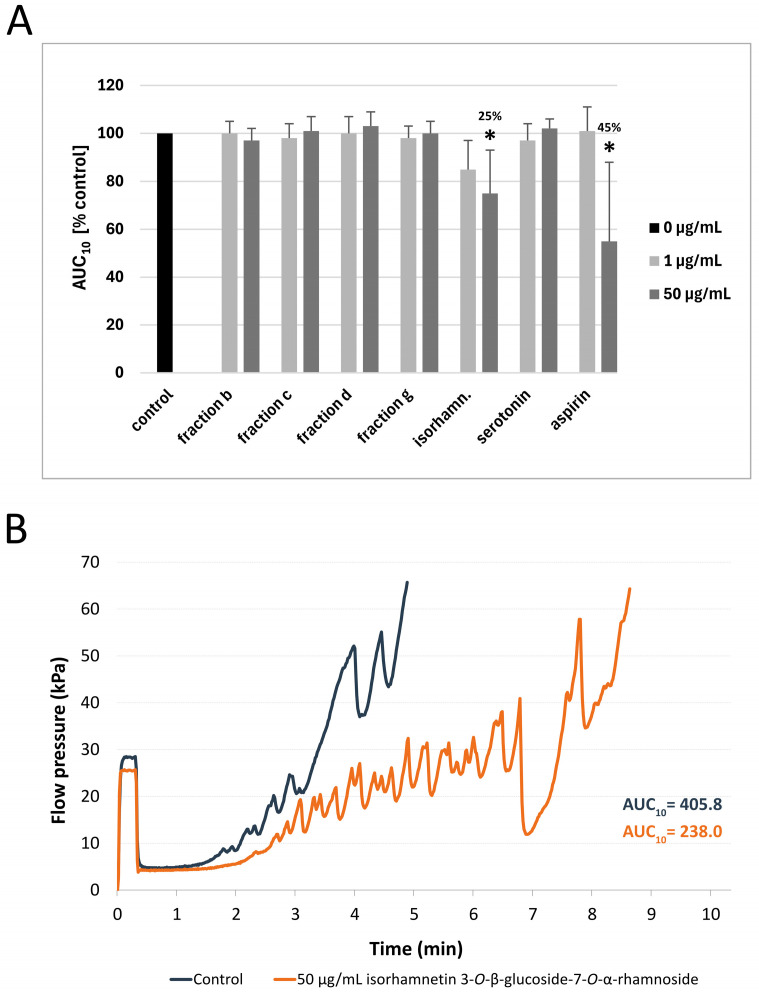 Figure 3
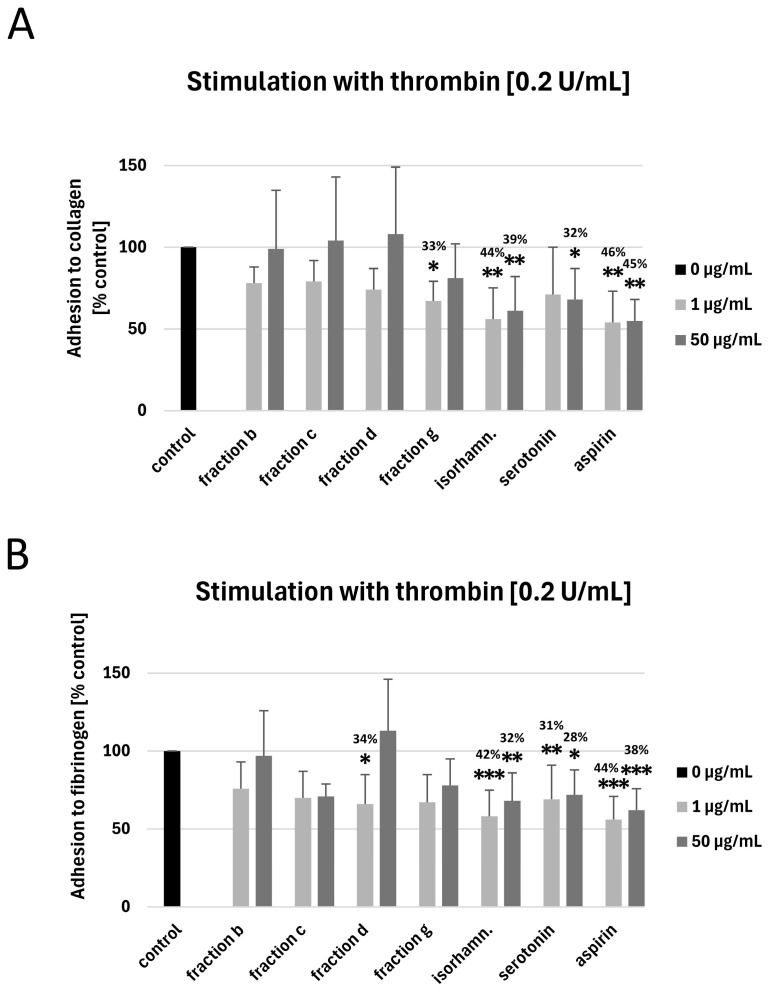 Figure 4
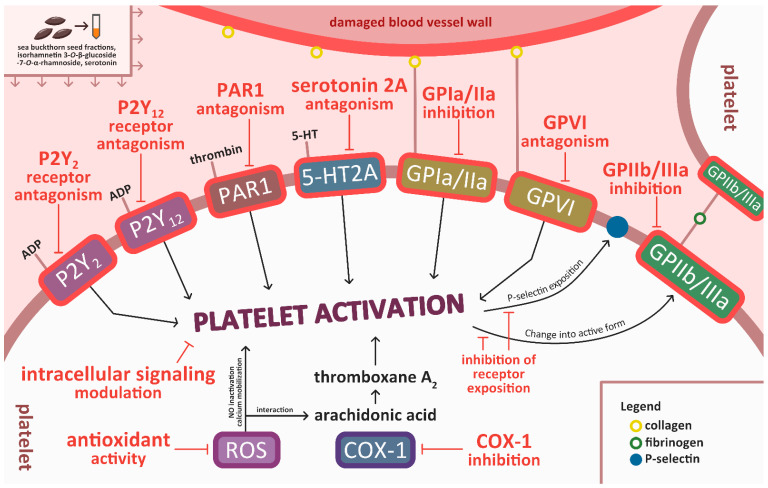 Figure 5
Peer Reviews
No public reviews on file for this paper yet. If you reviewed it on a platform where reviews are public (OpenReview, ICLR, NeurIPS, ICML), you can paste yours below so the community can read it here.
Videos
No videos yet. Explain this paper in a talk, walkthrough, or lecture? Add one.
Taxonomy
TopicsPhytochemical and Pharmacological Studies · Medicinal plant effects and applications · Botanical Studies and Applications