Sputter-Deposited Superconducting Thin Films for Use in SRF Cavities
Bharath Reddy Lakki Reddy Venkata, Aleksandr Zubtsovskii, Xin Jiang

TL;DR
This paper reviews sputter-deposited superconducting thin films as a promising alternative to traditional niobium for use in particle accelerator cavities.
Contribution
The paper provides a comprehensive review of sputtered superconducting materials and their deposition parameters for SRF cavity applications.
Findings
Sputter-deposited superconducting thin films can reduce costs and improve thermal stability compared to bulk niobium.
High-energy deposition techniques like HiPIMS enable dense films with high transition temperatures and low surface resistance.
New materials like Nb3Al and MgB2 offer potential but face challenges in impurity control and uniformity.
Abstract
Particle accelerators are powerful tools in fundamental research, medicine, and industry that provide high-energy beams that can be used to study matter and to enable advanced applications. The state-of-the-art particle accelerators are fundamentally constructed from superconducting radio-frequency (SRF) cavities, which act as resonant structures for the acceleration of charged particles. The performance of such cavities is governed by inherent superconducting material properties such as the transition temperature, critical fields, penetration depth, and other related parameters and material quality. For the last few decades, bulk niobium has been the preferred material for SRF cavities, enabling accelerating gradients on the order of ~50 MV/m; however, its intrinsic limitations, high cost, and complicated manufacturing have motivated the search for alternative strategies. Among these,…
Genes, proteins, chemicals, diseases, species, mutations and cell lines named across the full text — each resolved to its canonical identifier and authoritative record.
Click any figure to enlarge with its caption.
 Figure 1
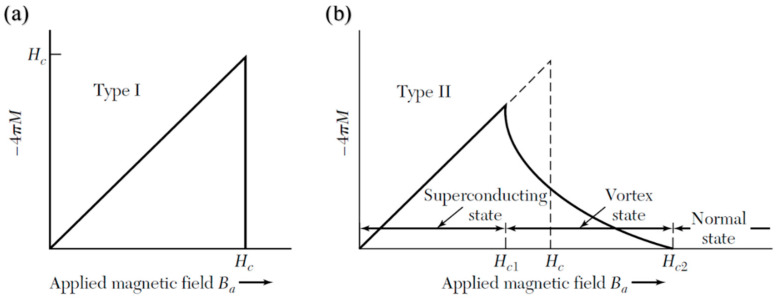 Figure 2
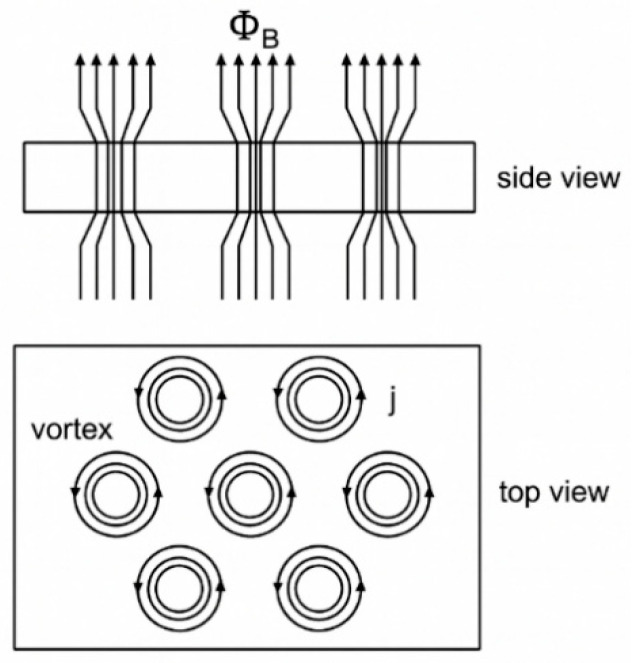 Figure 3
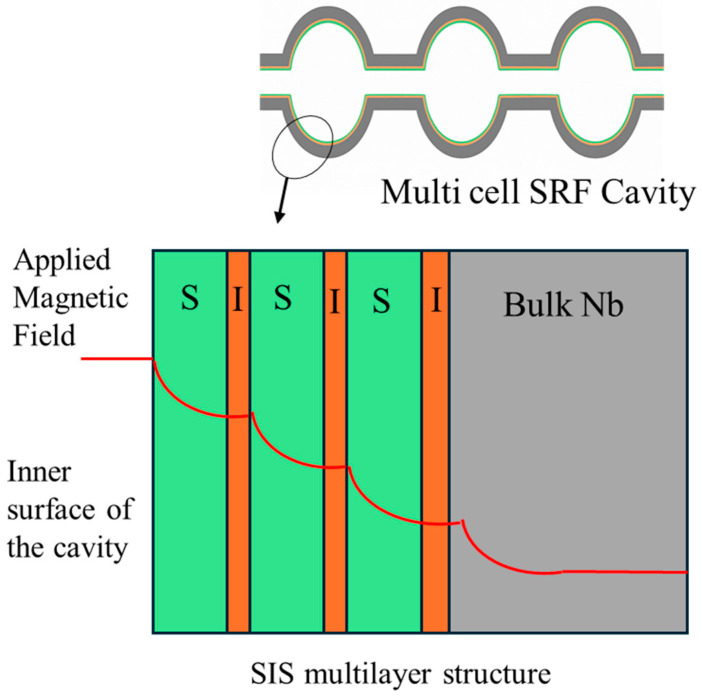 Figure 4
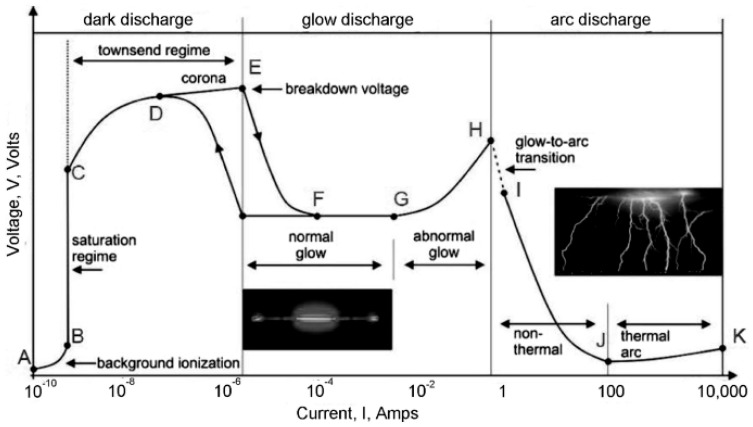 Figure 5
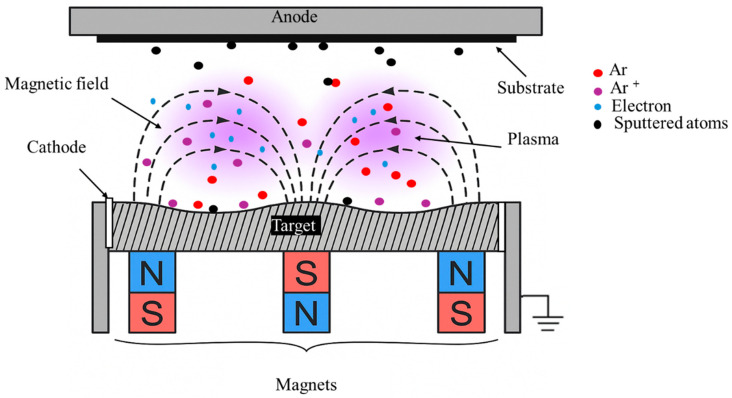 Figure 6
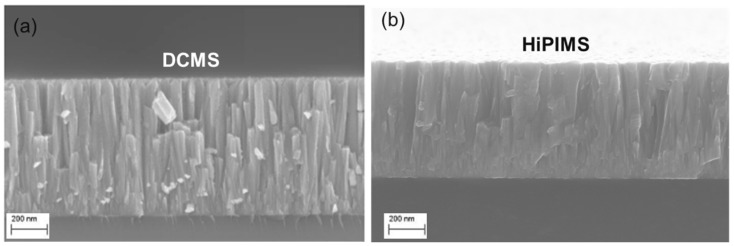 Figure 7
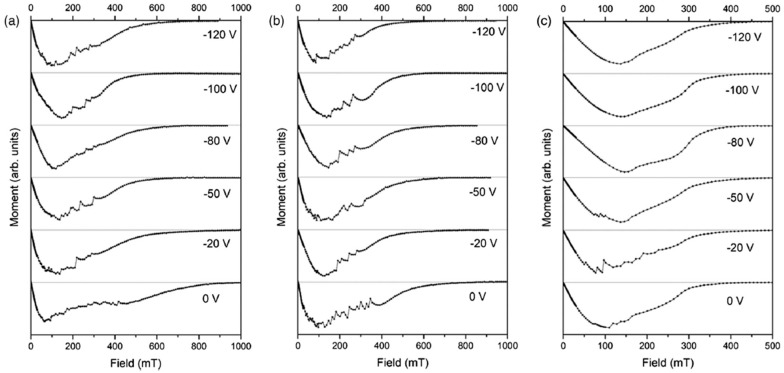 Figure 8
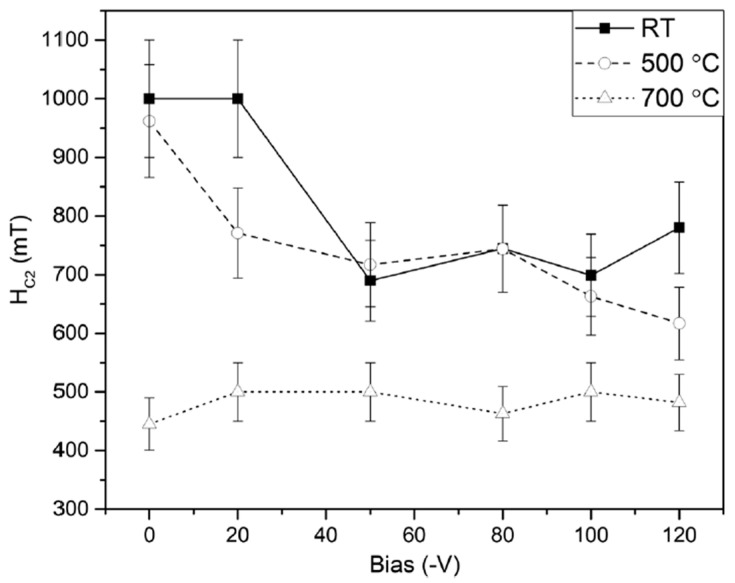 Figure 9
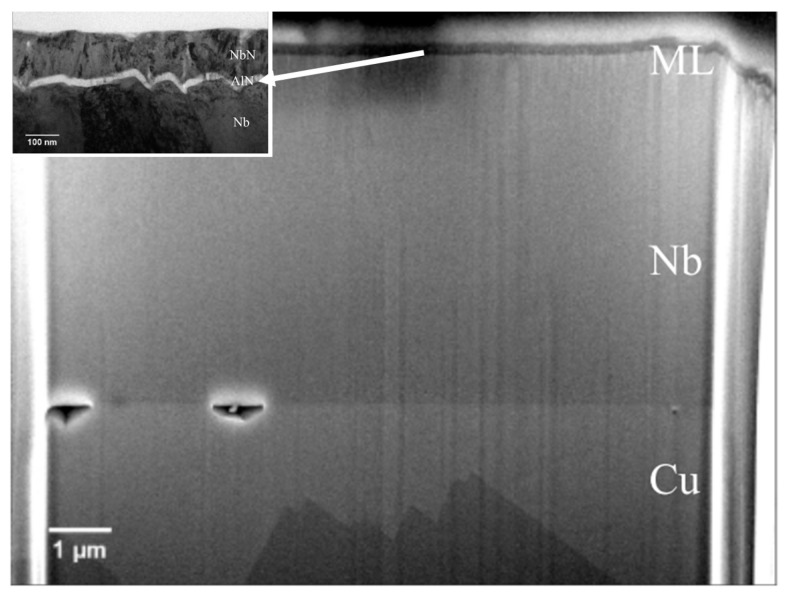 Figure 10
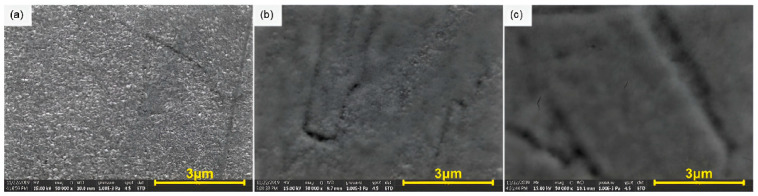 Figure 11
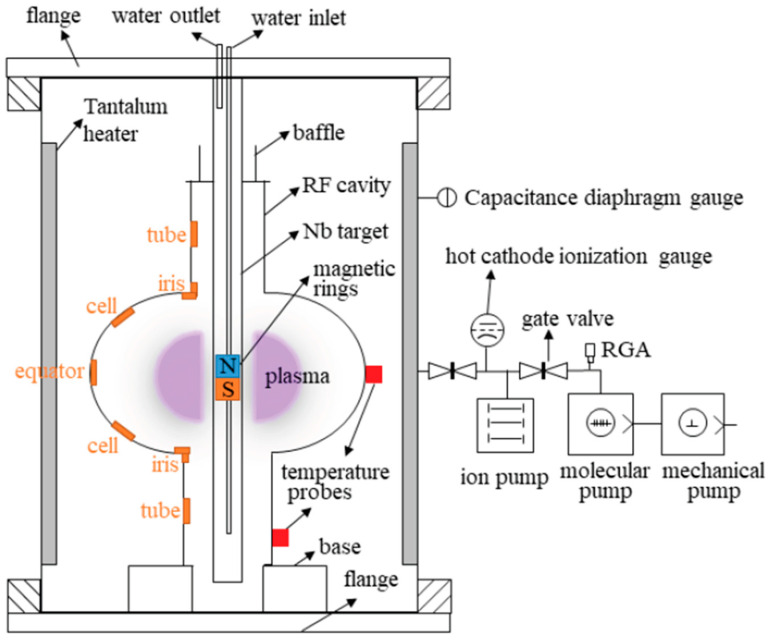 Figure 12
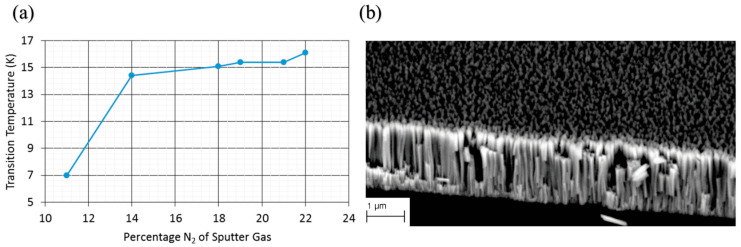 Figure 13
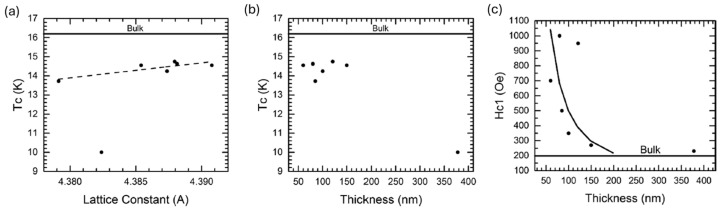 Figure 14
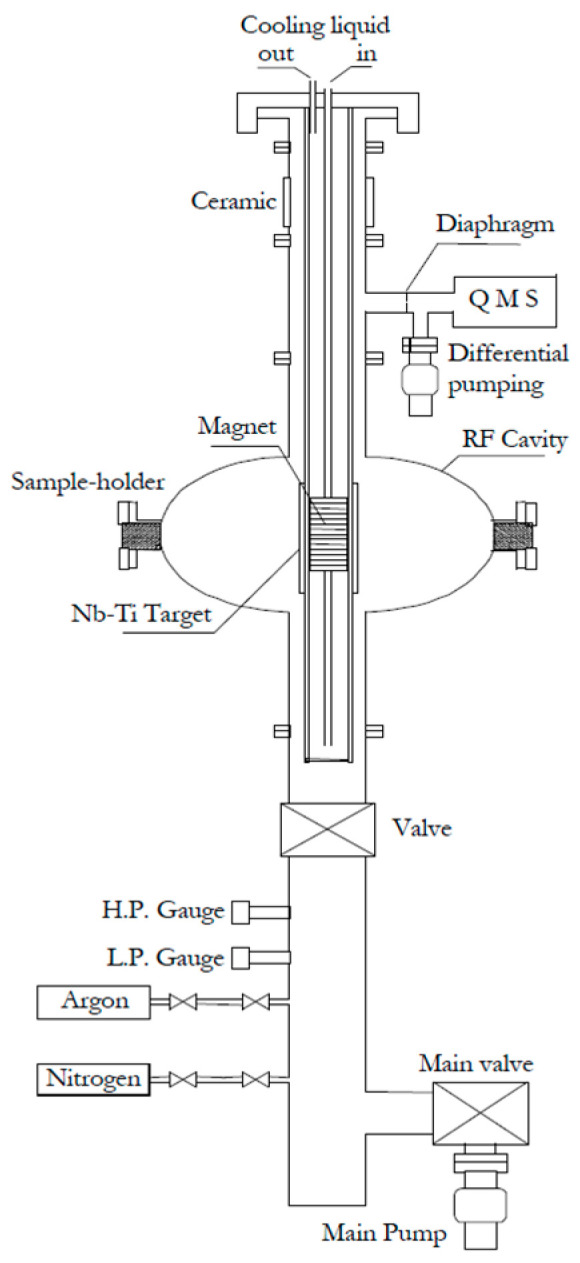 Figure 15
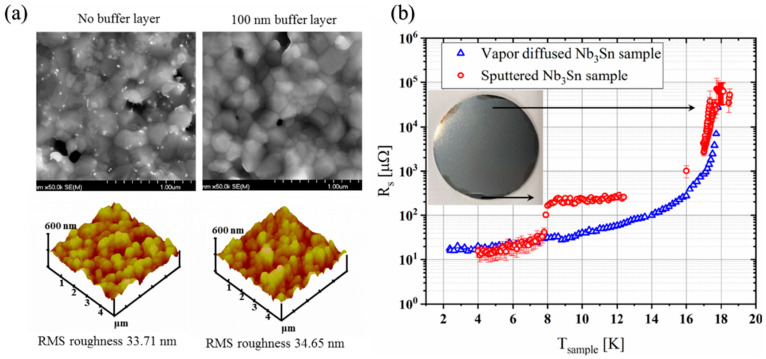 Figure 16
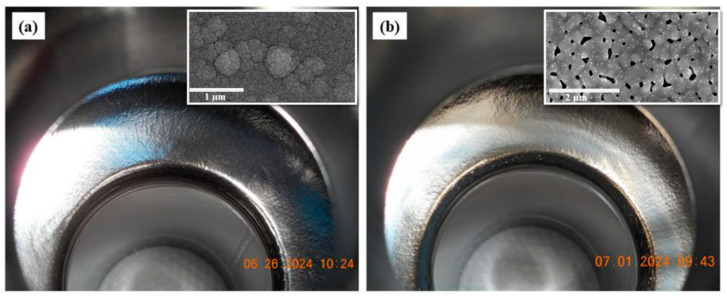 Figure 17
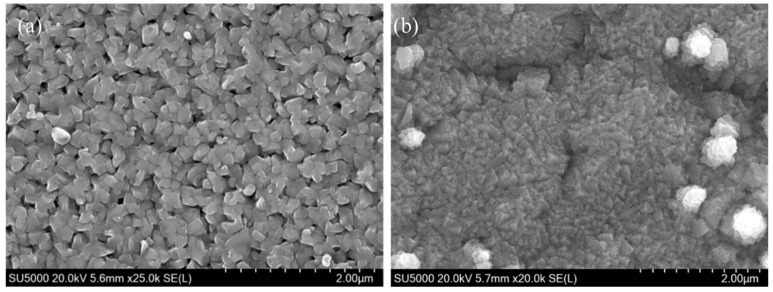 Figure 18
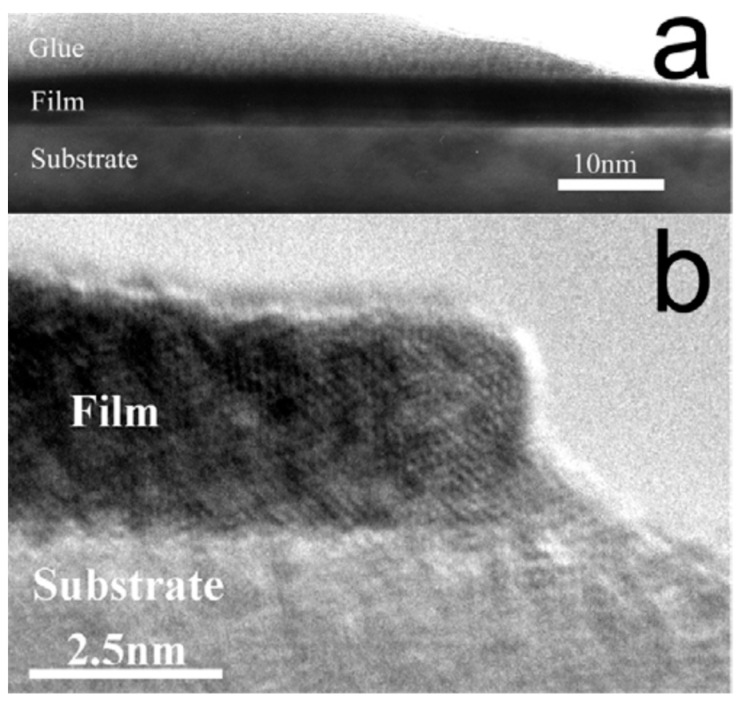 Figure 19
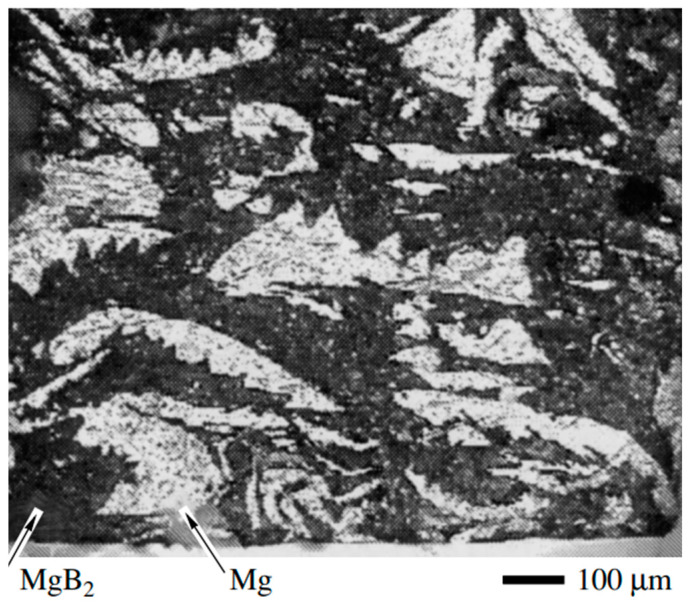 Figure 20
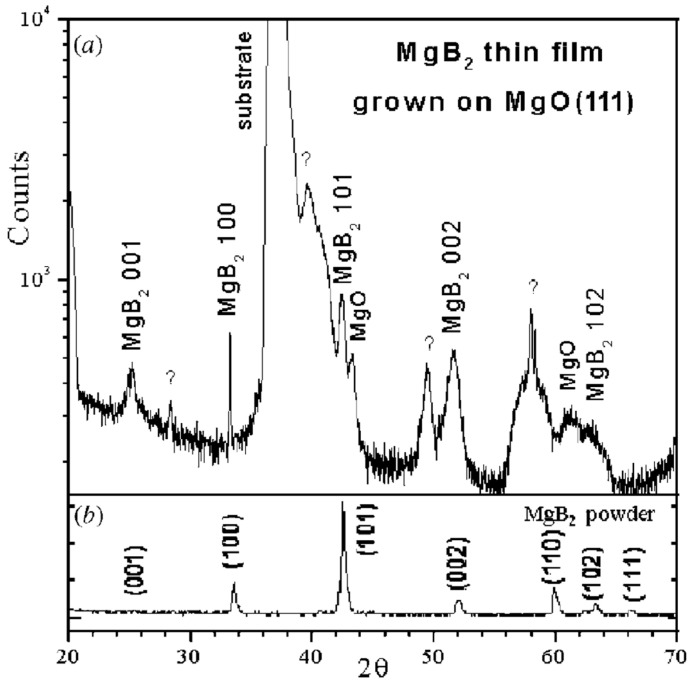 Figure 21
Peer Reviews
No public reviews on file for this paper yet. If you reviewed it on a platform where reviews are public (OpenReview, ICLR, NeurIPS, ICML), you can paste yours below so the community can read it here.
Videos
No videos yet. Explain this paper in a talk, walkthrough, or lecture? Add one.
Taxonomy
TopicsParticle accelerators and beam dynamics · Plasma Diagnostics and Applications · Gyrotron and Vacuum Electronics Research