Retarded Learning in a Rabbit Model of Metabolic Syndrome Created by Long-Term Feeding of High-Fat Diet and High Sucrose
Desheng Wang, Ezekiel A. Irewole, Logan D. Bays, MacKinzie D. Smith, Delanie Talkington, Roger W. Bell, Neha Lal, Bernard G. Schreurs

TL;DR
A high-fat and high-sugar diet in rabbits leads to metabolic syndrome symptoms and cognitive impairment, with more severe effects in males.
Contribution
This study introduces a rabbit model of metabolic syndrome and cognitive impairment using a high-fat and high-sugar diet.
Findings
HFSD caused metabolic syndrome symptoms like obesity and glucose intolerance in rabbits.
Cognitive impairment was observed in both male and female rabbits, more severe in males.
The rabbit model reflects human metabolic syndrome trends and cognitive decline.
Abstract
Background: Metabolic syndrome is a constellation of medical conditions including central obesity, high blood sugar, and high triglycerides known to increase the risk of heart disease, stroke, and type 2 diabetes, with significant sex differences in the syndrome’s incidence and prevalence. These clinical symptoms may be accompanied by cognitive impairment. Methods: In the present experiment, we fed rabbits a diet high in fat and sugar (HFSD), assessed symptoms, and measured changes in cognition using trace eyeblink conditioning. Results: We show that a range of symptoms of metabolic syndrome resulted from HFSD in male and female rabbits and obesity, high blood sugar, and glucose intolerance were higher in male than female rabbits. Specifically, HFSD male rabbits gained more weight and had a higher body-mass index, more body fat, higher fasting glucose levels, and greater glucose…
Genes, proteins, chemicals, diseases, species, mutations and cell lines named across the full text — each resolved to its canonical identifier and authoritative record.
Click any figure to enlarge with its caption.
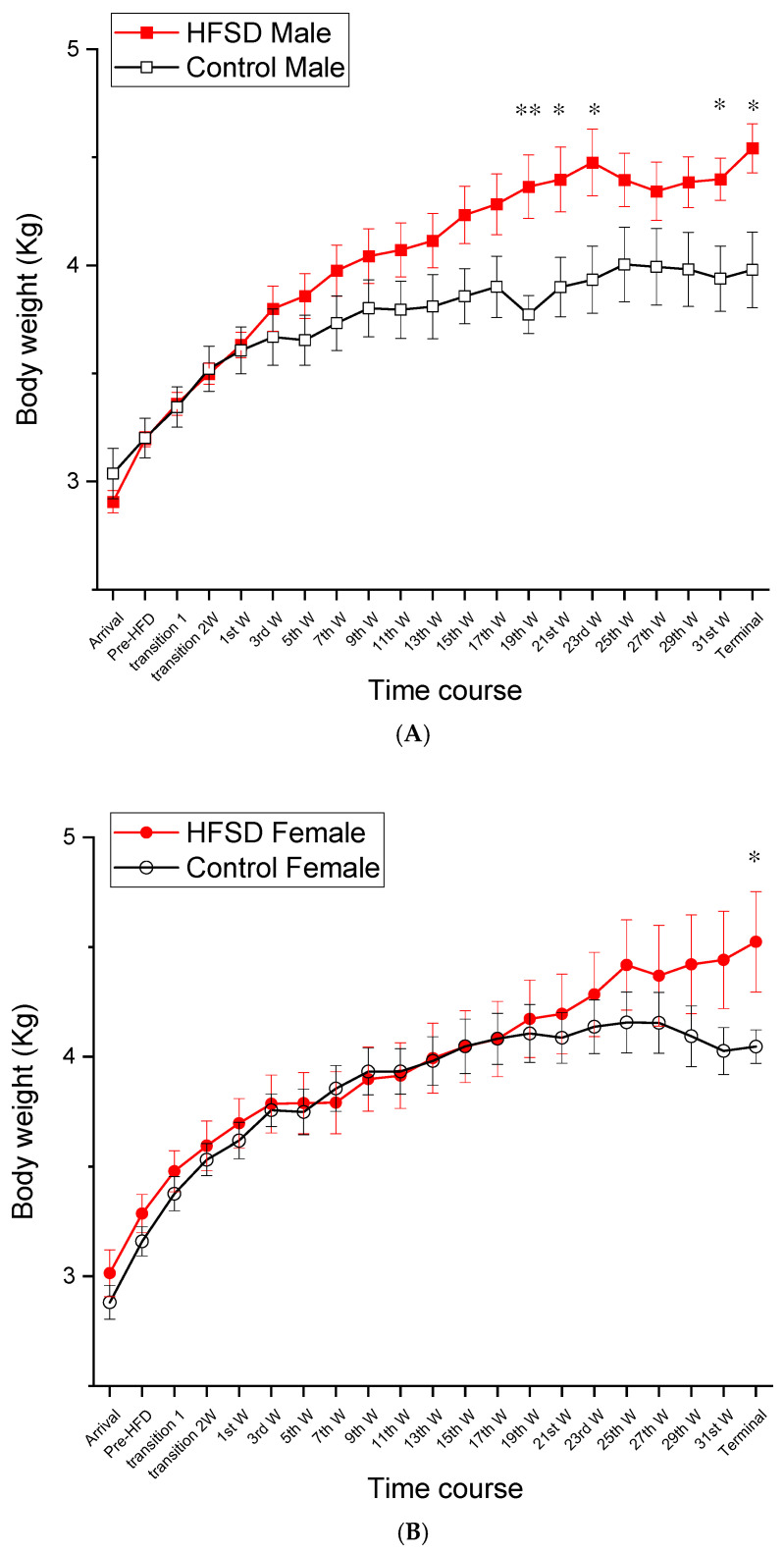 Figure 1
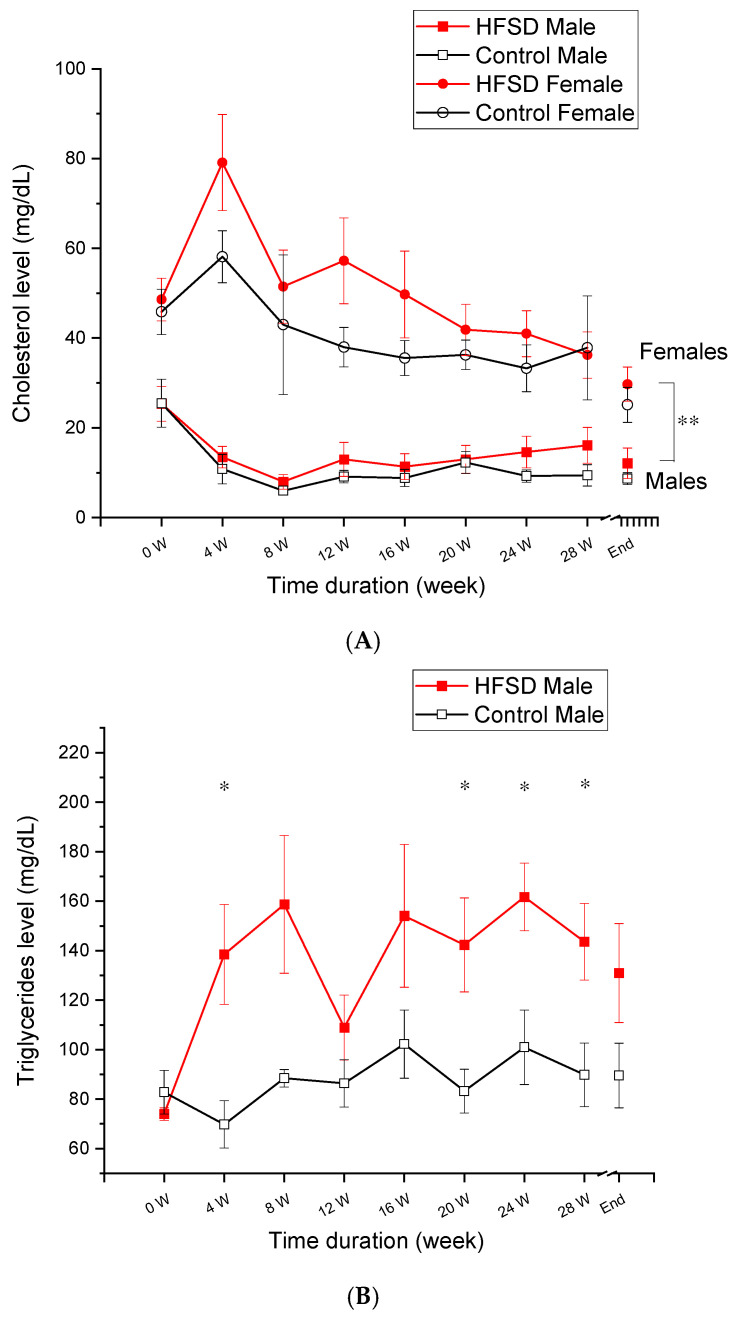 Figure 2
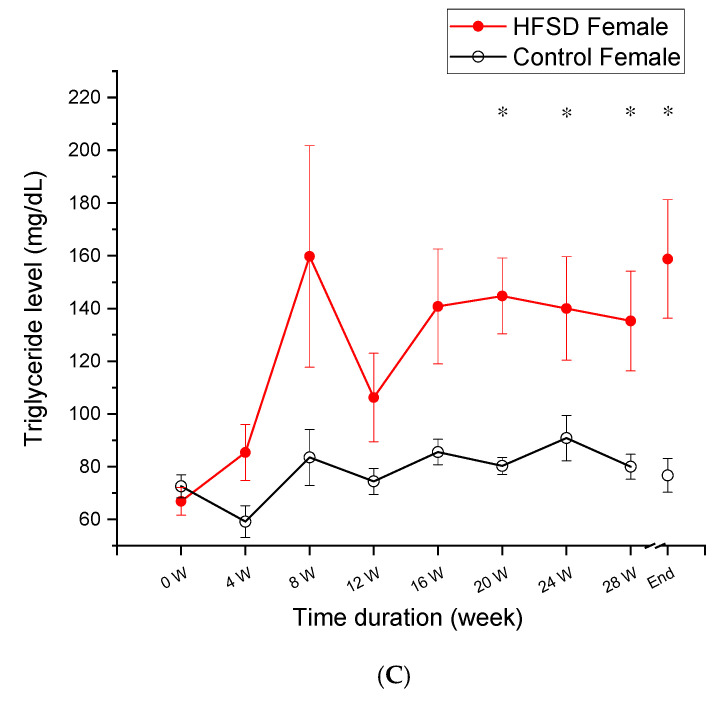 Figure 3
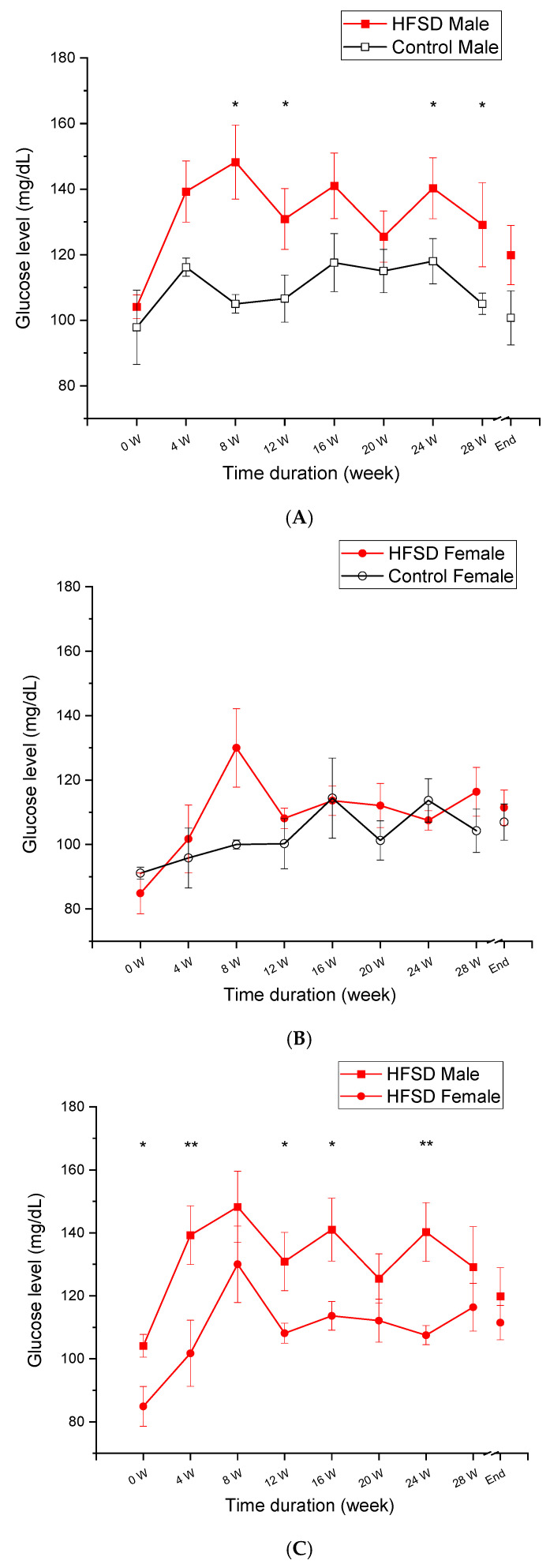 Figure 4
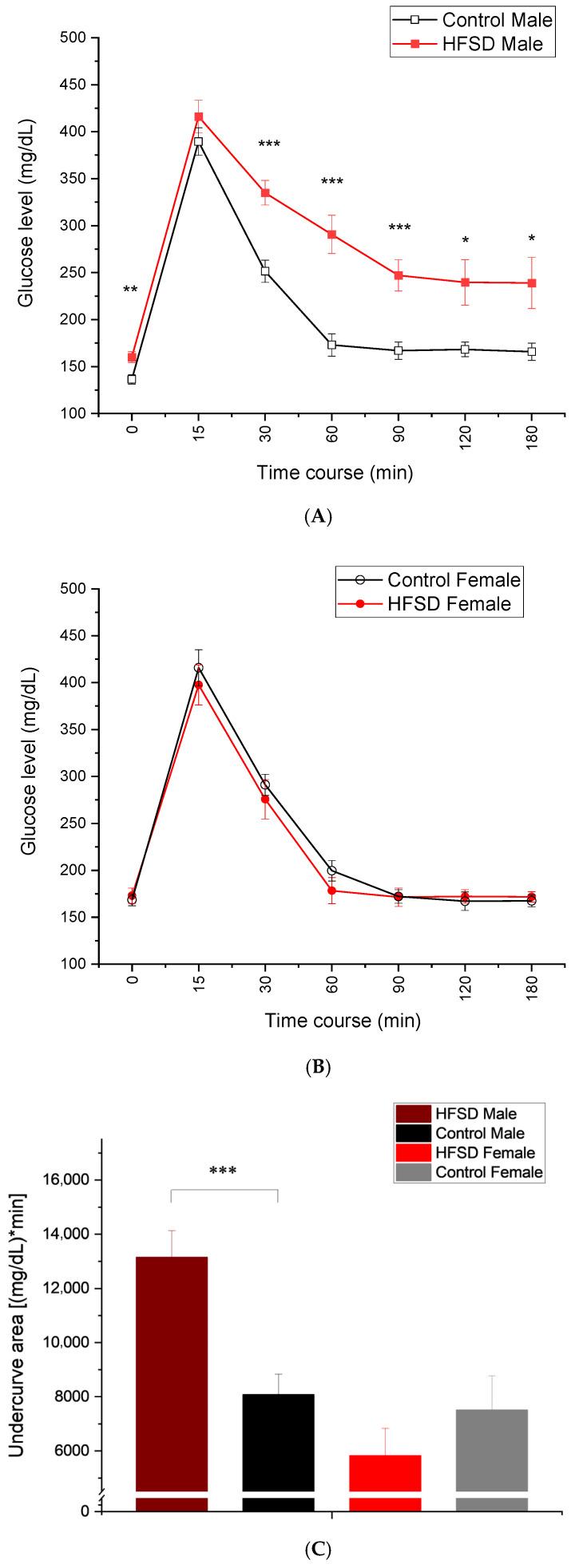 Figure 5
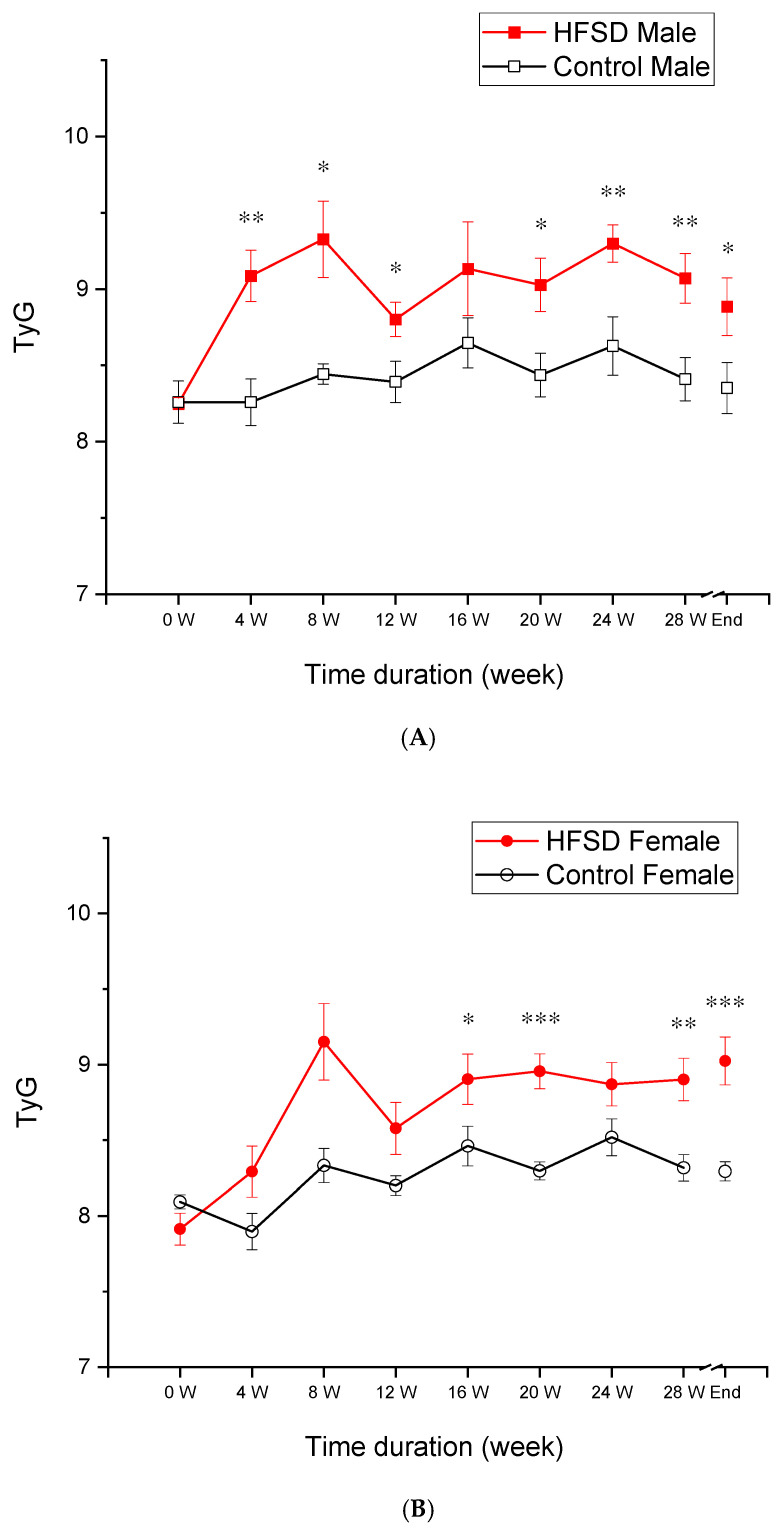 Figure 6
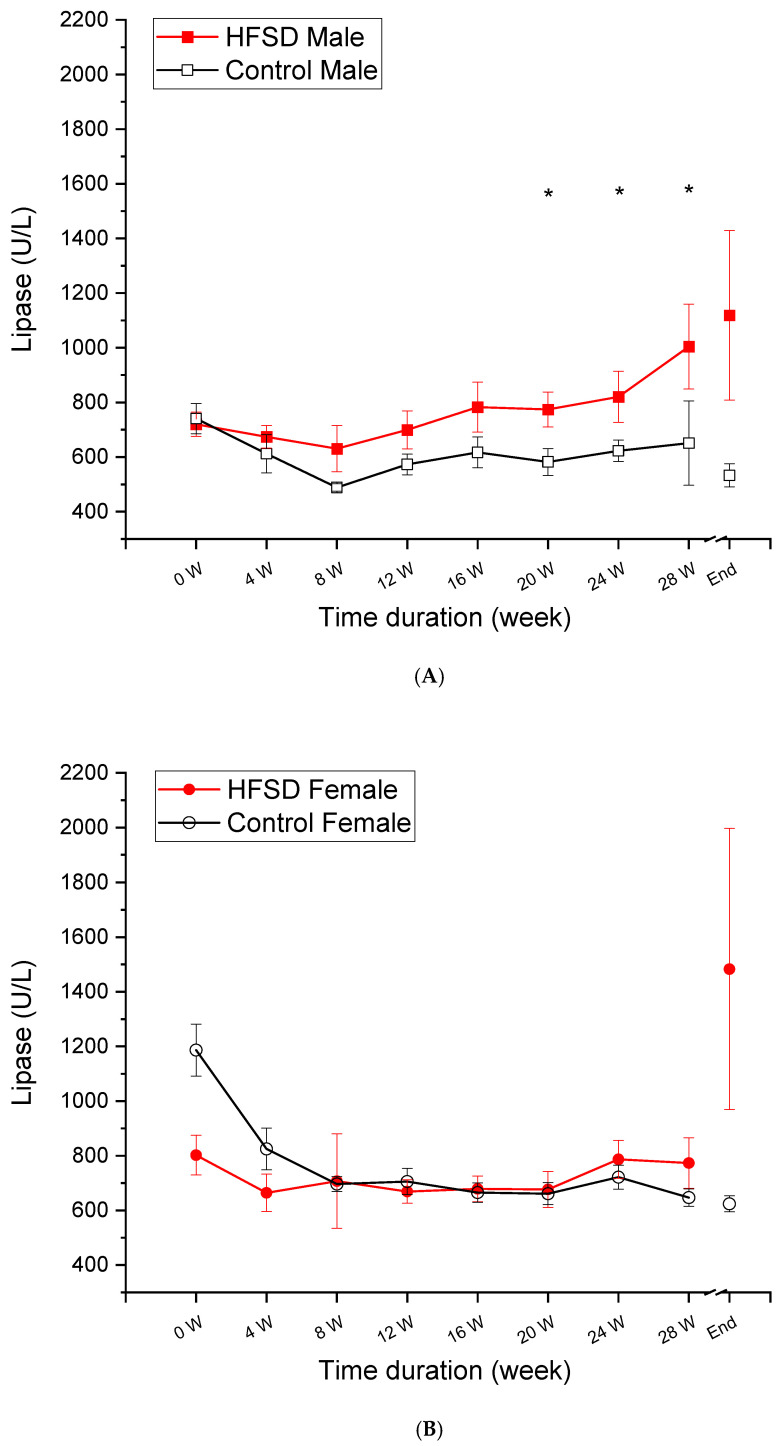 Figure 7
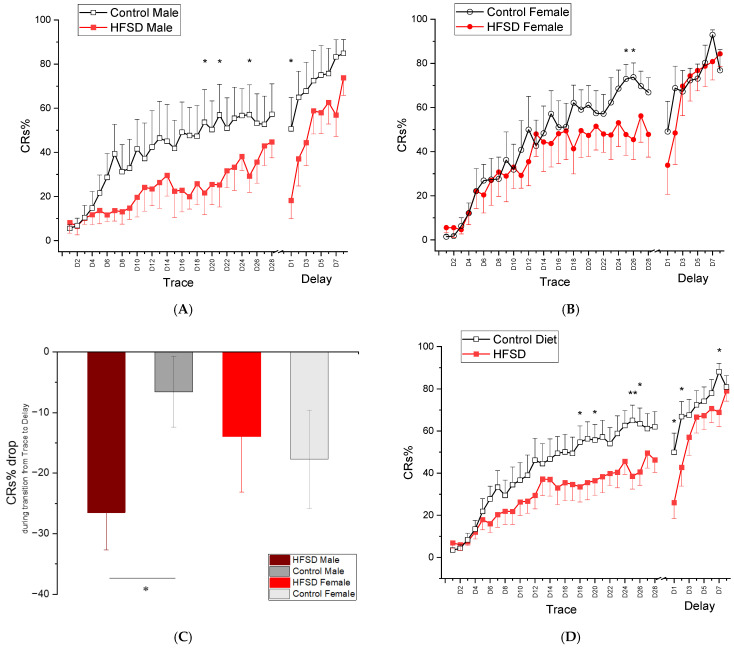 Figure 8
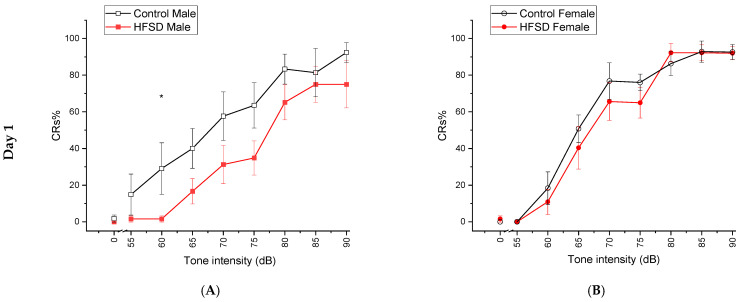 Figure 9
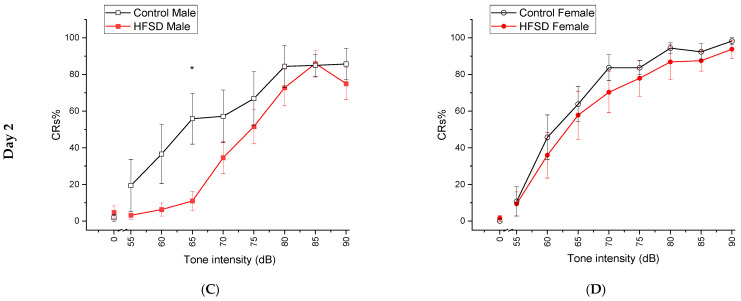 Figure 10
Peer Reviews
No public reviews on file for this paper yet. If you reviewed it on a platform where reviews are public (OpenReview, ICLR, NeurIPS, ICML), you can paste yours below so the community can read it here.
Videos
No videos yet. Explain this paper in a talk, walkthrough, or lecture? Add one.
Taxonomy
TopicsRabbits: Nutrition, Reproduction, Health · Neurological Disorders and Treatments · Regulation of Appetite and Obesity